


Secondary sourceArtifact1881
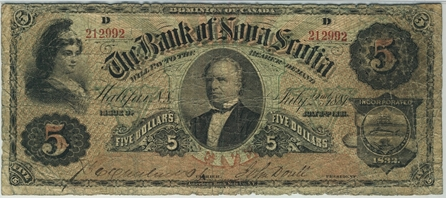
1881 $5 Bill, Bank of Nova Scotia
1881
An 1881 five-dollar banknote from the Bank of Nova Scotia bearing a portrait of Joseph Howe, issued eight years after his death.
This banknote commemorates Howe with his portrait, showing his status as an early Nova Scotian icon after his death.
About this source
What it is
This is a five-dollar banknote issued by the Bank of Nova Scotia in 1881, printed in green and black and marked 'Dominion of Canada.' It features a central oval portrait of a white-haired man in a dark suit, along with a woman's portrait, large red numerals, and a small ship vignette.
Why it matters
The note carries a portrait of Joseph Howe, placed on the currency eight years after his death. This shows how quickly Howe became a celebrated public figure in Nova Scotia, honored on everyday objects like money as a symbol of the province's identity and history.
Look closer
- Why might a bank choose to put a political figure's portrait on its currency?
- What does the ship vignette suggest about what the bank wanted to represent alongside Howe?
- What does it tell you about Howe's reputation that he appeared on a banknote so soon after his death?
This artifact is part of the curated material that grounds the AI version of Joseph Howe on Humy.ai — when students ask about related events, the AI can quote it and cite it.
More Joseph Howe sources
Meet the AI Joseph Howe → Newspaper article
Primary source
Novascotian
George Renny Young · 1824
Primary source
Letters to Lord John Russell on Responsible Government
Joseph Howe · 1839
 Letter
Primary source
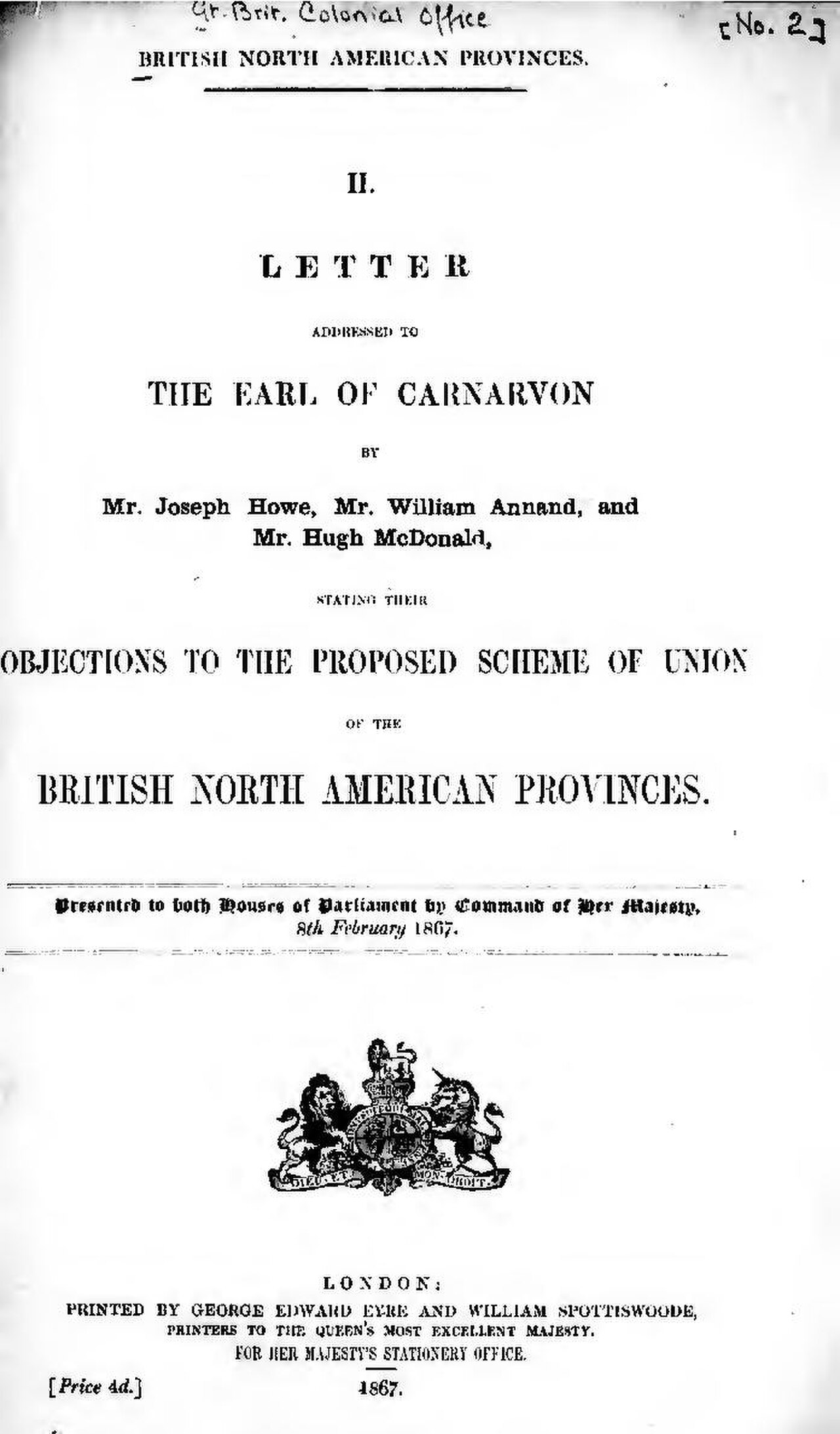
Letter to the Earl of Carnarvon Objecting to Confederation
Joseph Howe, William Annand and Hugh McDonald · 1867
 Photograph
Primary source
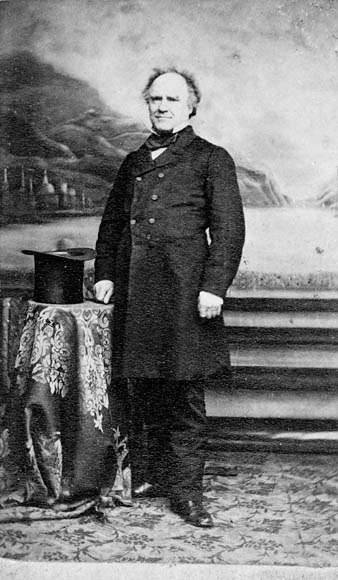
Portrait of Joseph Howe
 Photograph
Primary source
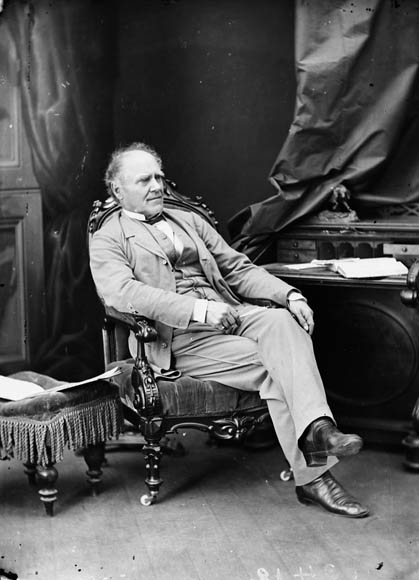
Joseph Howe, 1869
William James Topley · 1869
Ready when you are
Start chatting with Joseph Howe now.
20 messages free · No credit card · Available in 50+ languages.