


Secondary sourceArtifact1905 (coin); photograph 2013
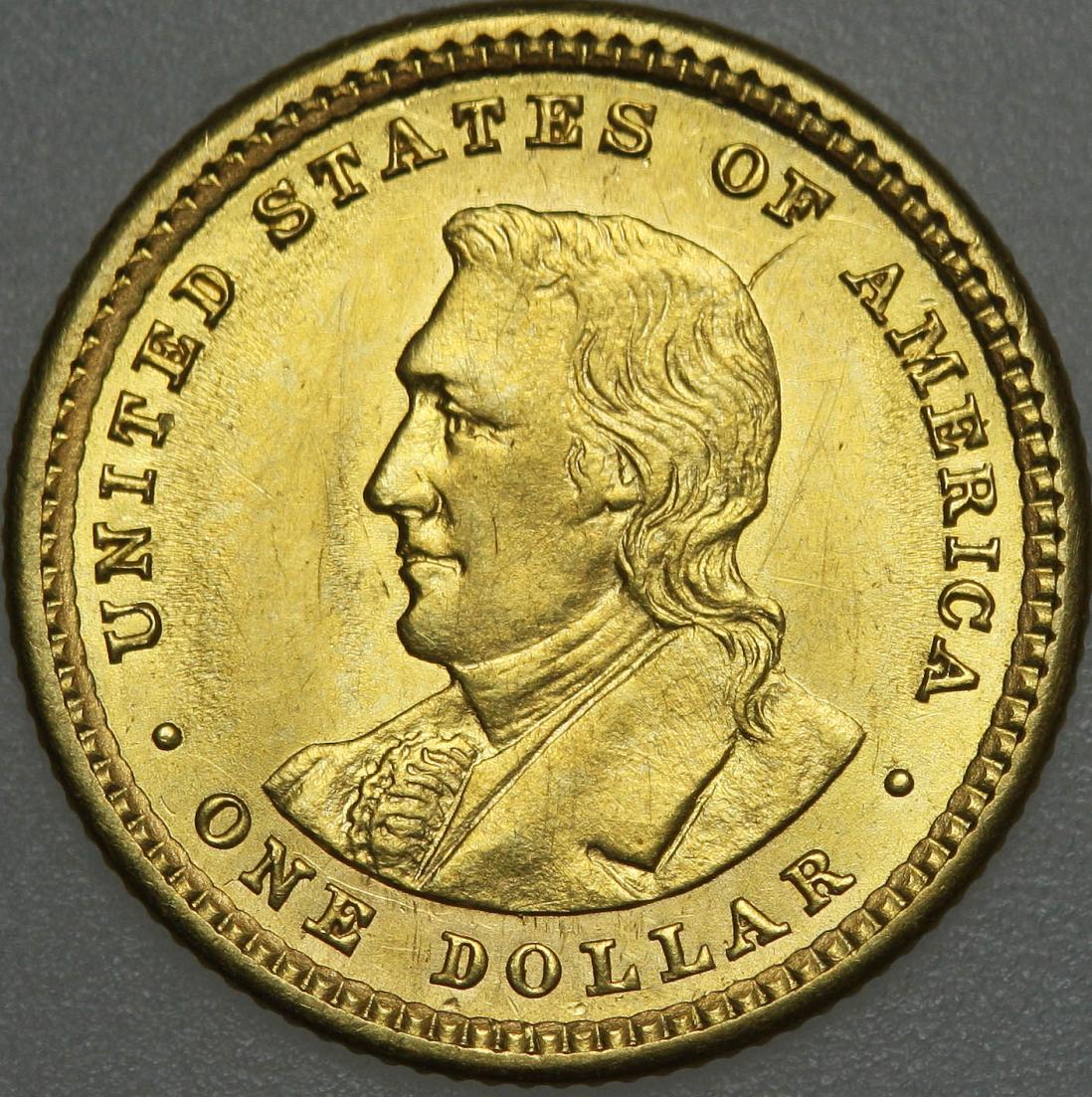
1905 Lewis and Clark gold dollar reverse
Charles E. Barber · 1905 (coin); photograph 2013
The reverse of a 1905 gold dollar made for the Lewis and Clark exposition, designed by Charles E. Barber. Lewis appears on the obverse and William Clark on the reverse.
Shows that William Clark, Lewis's partner on the expedition, was honored on this 1905 coin that also depicts Lewis on its other side.
About this source
What it is
This is a photograph of the reverse, or back side, of a gold dollar coin dated 1905. The coin was designed by Charles E. Barber and shows a left-facing profile bust of a man with long, wavy hair and a high collar, inside a raised rim. The lettering reads UNITED STATES OF AMERICA around the top and ONE DOLLAR along the bottom. The photograph was made in 2013 by Lost Dutchman Rare Coins and shared on Wikimedia Commons. The collection record says Meriwether Lewis is on the obverse and William Clark is on the reverse.
Why it matters
The coin was made for the 1905 exposition that honored the Lewis and Clark Expedition. Its design shows how the expedition was celebrated about a century after Lewis and Clark traveled to the Pacific. Charles E. Barber, the coin's designer, shaped how these explorers were presented to the public. The coin is a later memorial, so it tells us about 1905 as much as about 1804 to 1806.
Look closer
- What does the profile bust show about how the explorer is presented, and what style does it suggest?
- Why might a government mint have chosen to honor explorers on a gold coin for an exposition?
- Because this is a photograph of a coin, what details might be lost compared with handling the original?
This artifact is part of the curated material that grounds the AI version of Meriwether Lewis and William Clark on Humy.ai — when students ask about related events, the AI can quote it and cite it.
More Meriwether Lewis sources
Meet the AI Meriwether Lewis →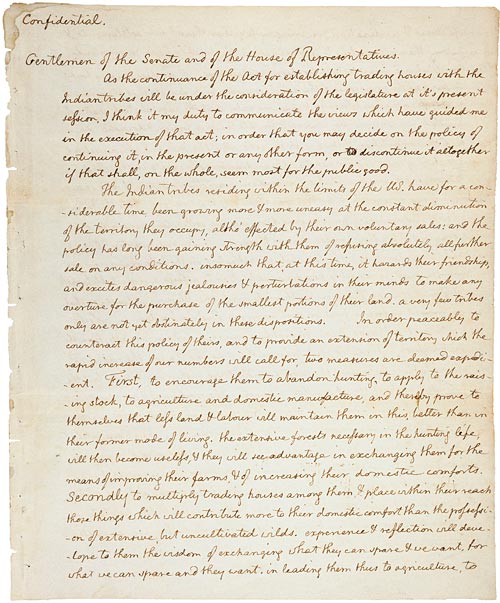 Document
Primary source
Jefferson's Secret Message to Congress Regarding the Lewis and Clark Expedition
Thomas Jefferson · 18 January 1803
Primary source
The Journals of Lewis and Clark
Meriwether Lewis and William Clark · 1804-1806
Primary source
Louisiana Purchase Treaty
30 April 1803
 Painting
Primary source
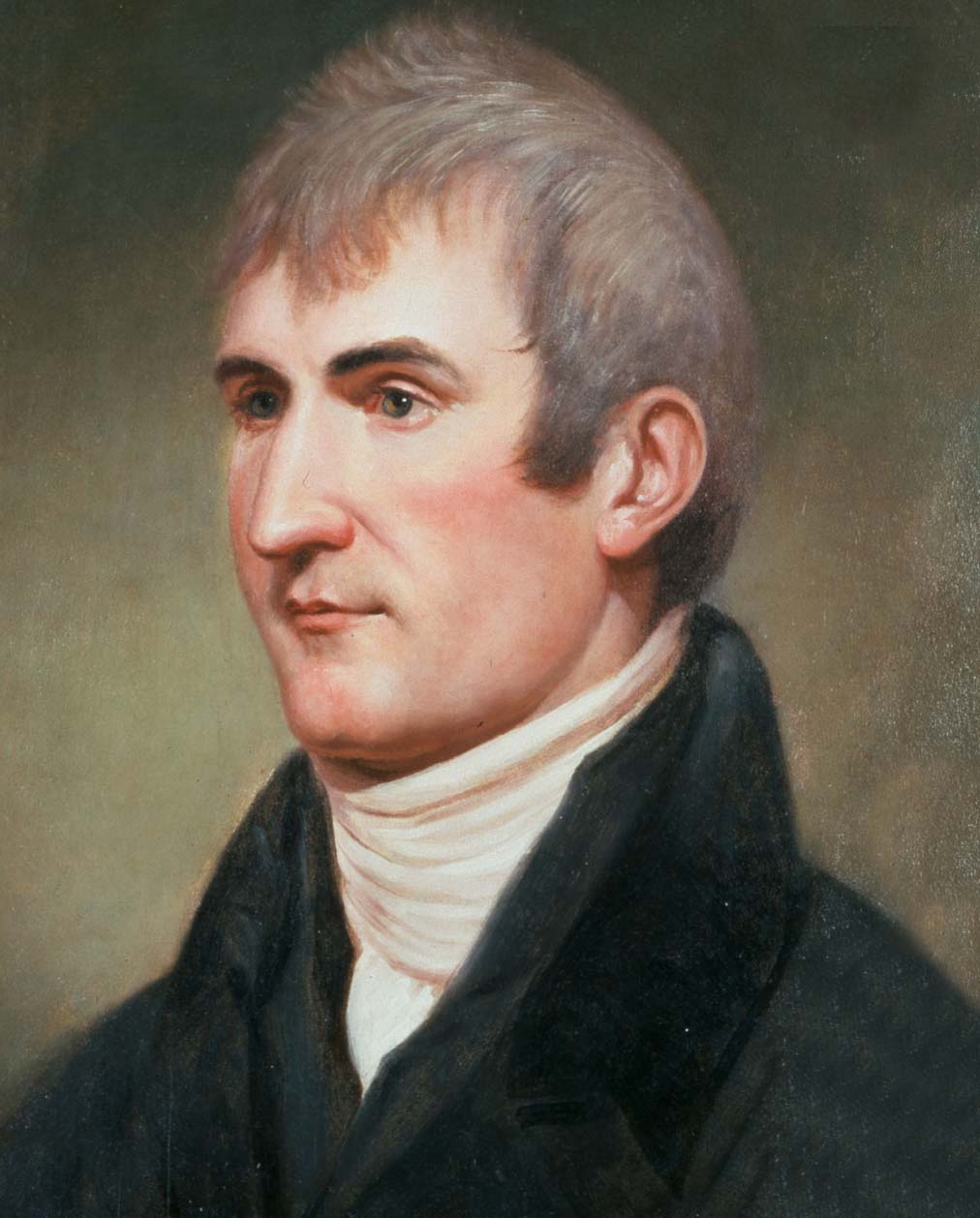
Portrait of Meriwether Lewis
Charles Willson Peale · c. 1807
 Painting
Primary source
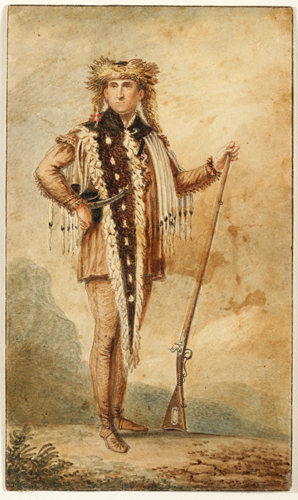
Meriwether Lewis in Frontiersman's Regalia
Charles-Balthazar-Julien Fevret de Saint-Mémin · 1806-1807
Ready when you are
Start chatting with Meriwether Lewis now.
20 messages free · No credit card · Available in 50+ languages.