


Primary sourceDocument1949
1949 Armistice Agreements
1949
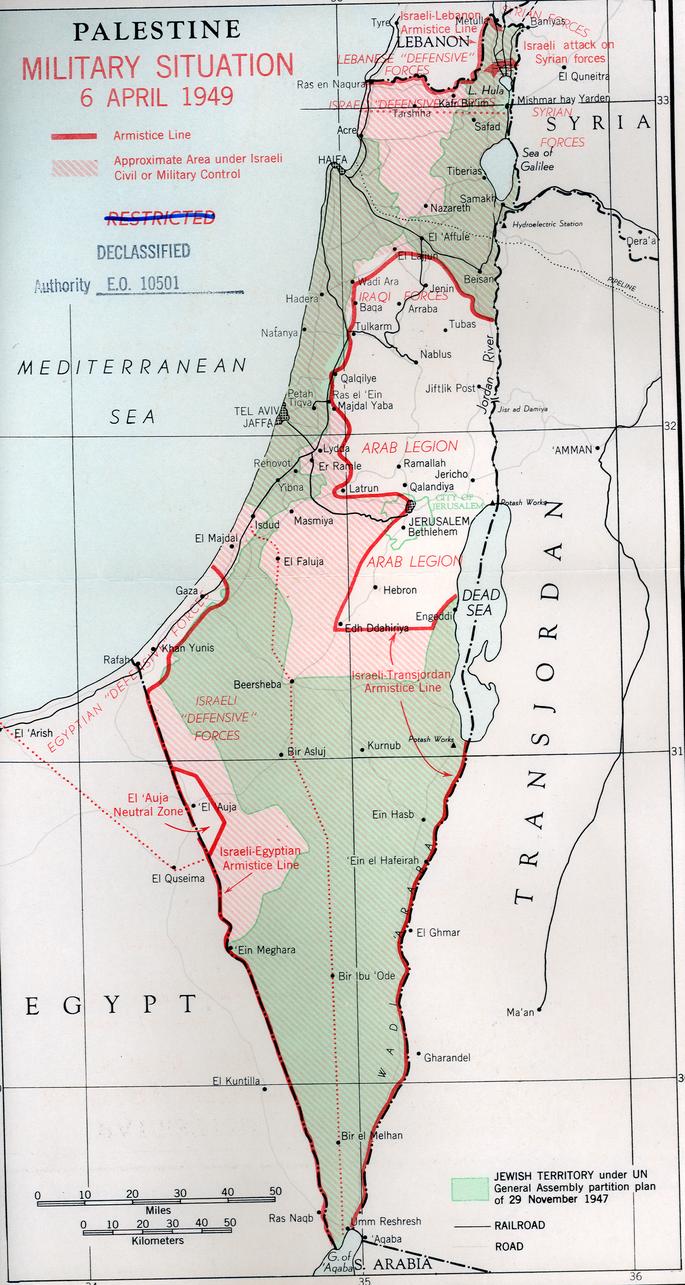
The 1949 armistice agreements ending the 1948 Arab-Israeli War, including the Jordan agreement co-signed by Moshe Dayan, who had negotiated the Jerusalem lines.
Dayan co-signed the Jordan armistice, having personally negotiated the Jerusalem lines it fixed.
About this source
What it is
The 1949 Armistice Agreements were signed between Israel and Egypt, Lebanon, Transjordan, and Syria, formally ending the fighting of the 1948 Palestine War and drawing the Green Line that separated Arab-controlled and Israeli-controlled territory. Moshe Dayan co-signed the armistice with Jordan, having negotiated the Jerusalem lines directly with Jordanian officer Abdullah el-Tell and King Abdullah.
Why it matters
These agreements shaped the borders of Israel and its neighbors for nearly two decades, until the 1967 Six-Day War. They show Dayan's early role not only as a soldier but as a negotiator shaping the political map of the region, working directly with Jordanian leaders to settle the fate of Jerusalem.
Look closer
- Why does the agreement state that the demarcation line is not a political or territorial boundary?
- What does Dayan's direct negotiation with Jordanian leaders suggest about how borders were actually decided?
- What questions does a map like this leave unanswered about the people living in these contested areas?
This document is part of the curated material that grounds the AI version of Moshe Dayan on Humy.ai — when students ask about related events, the AI can quote it and cite it.
More Moshe Dayan sources
Browse all 98 →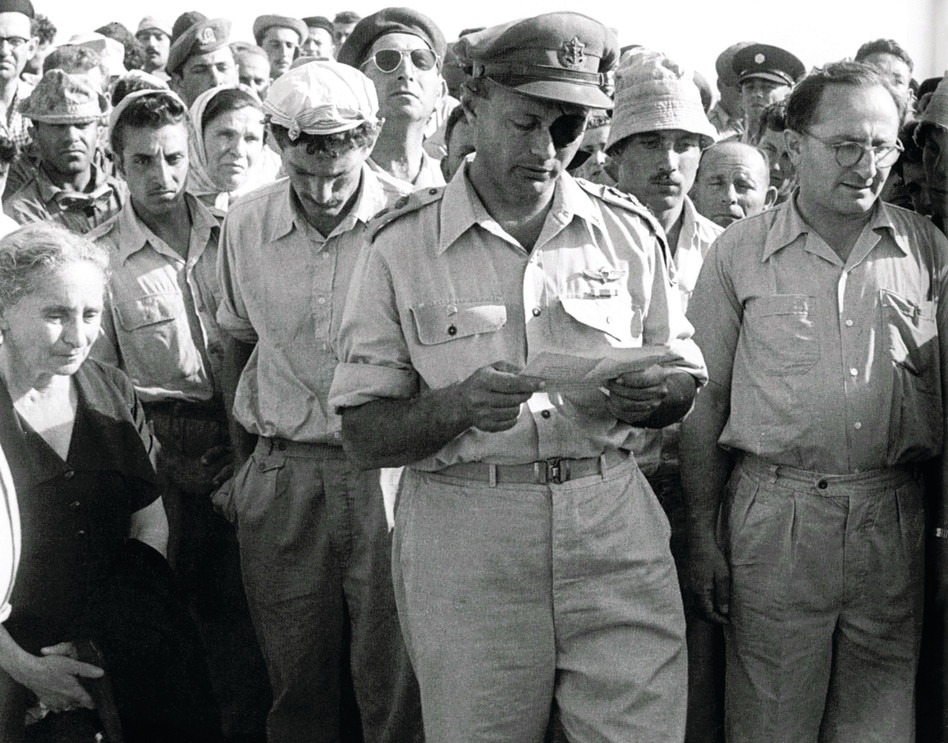 Speech
Primary source
Eulogy for Ro'i Rothberg
Moshe Dayan · 29 April 1956
 Photograph
Primary source
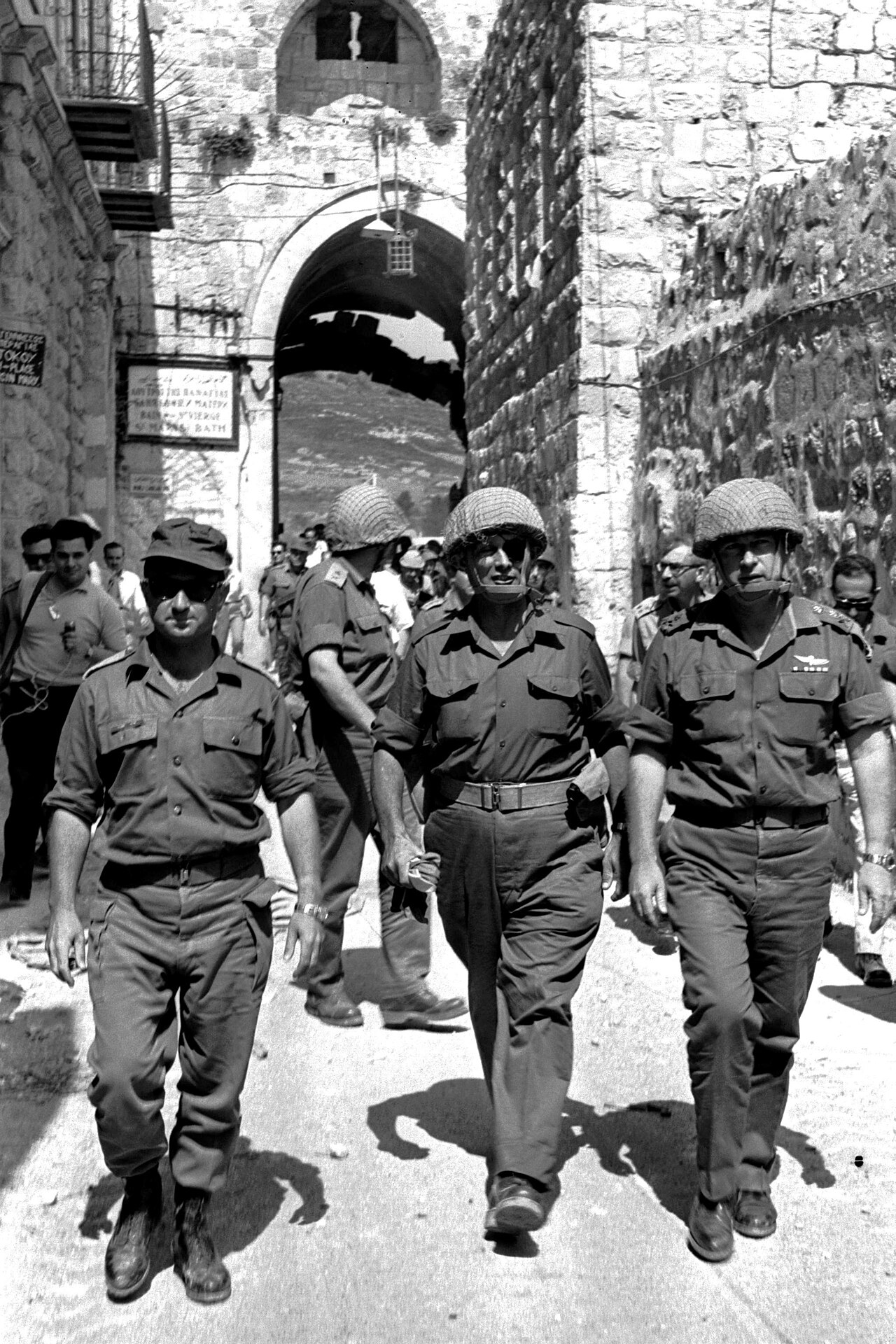
Photograph of Dayan, Rabin and Narkiss entering the Old City of Jerusalem through the Lions' Gate
Ilan Bruner · 7 June 1967
Primary source
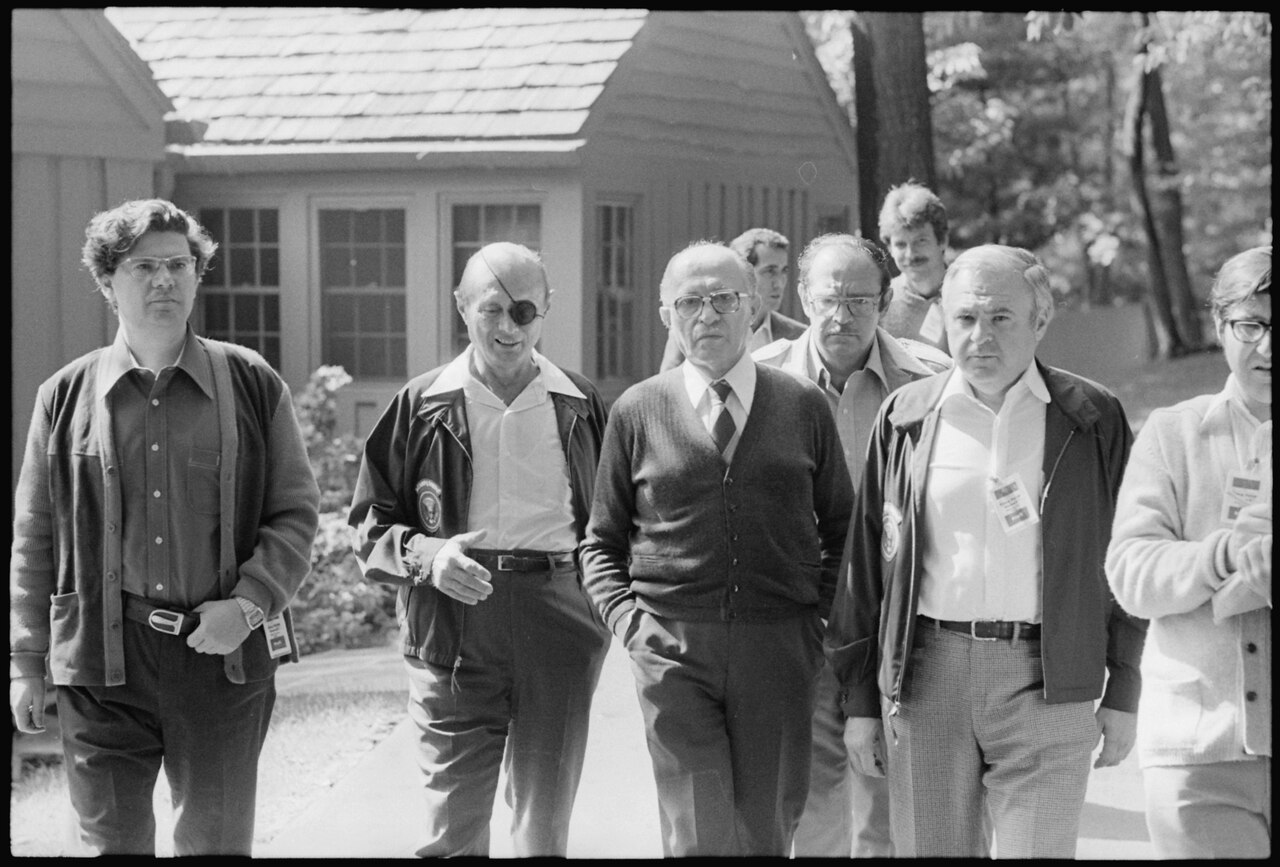
Camp David Accords
17 September 1978
 Photograph
Primary source
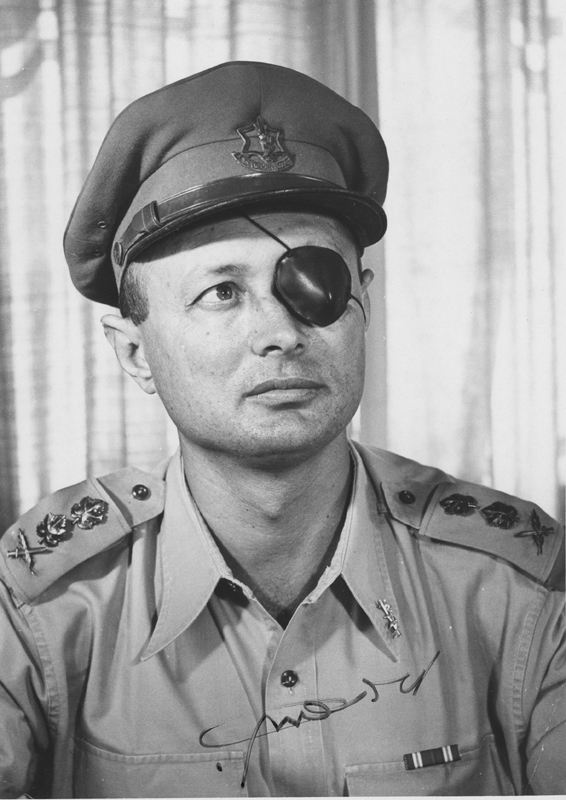
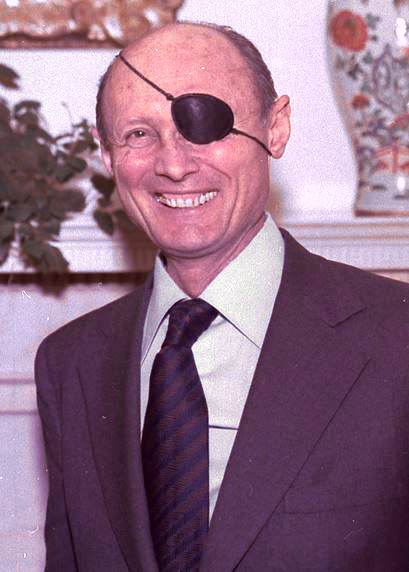
Portrait of Moshe Dayan as Chief of General Staff
Free account
Read every Moshe Dayan source
Sign up free →
Ready when you are
Start chatting with Moshe Dayan now.
20 messages free · No credit card · Available in 50+ languages.