


Primary sourceBook5-12 September 1846
A bilincs
Sándor Petőfi · 5-12 September 1846
A Hungarian-language poem by Sándor Petőfi about a young freedom fighter imprisoned and chained, with the chains themselves speaking of tyranny.
Petőfi wrote this poem himself, exploring themes of freedom and imprisonment years before the 1848 revolution.
About this source
What it is
Written by Sándor Petőfi in Nagykároly in September 1846, this poem survives in its original Hungarian on Wikisource. It describes a young man imprisoned for fighting for freedom, cursing his chains, while the chains themselves speak, explaining they were once a sword used in freedom's battles before being melted down into fetters.
Why it matters
The poem uses the image of a sword turned into chains to explore themes of lost freedom and betrayal, reflecting Petőfi's lifelong preoccupation with liberty and tyranny even before the 1848 revolution. It shows the poetic imagination that made him one of Hungary's most influential voices for national freedom.
Look closer
- Why might Petőfi have given the chains a voice in the poem?
- What does the transformation from sword to chain symbolize?
- How does this poem connect to the political struggles Petőfi would soon be part of in 1848?
This book is part of the curated material that grounds the AI version of Sándor Petőfi on Humy.ai — when students ask about related events, the AI can quote it and cite it.
More Sándor Petőfi sources
Meet the AI Sándor Petőfi →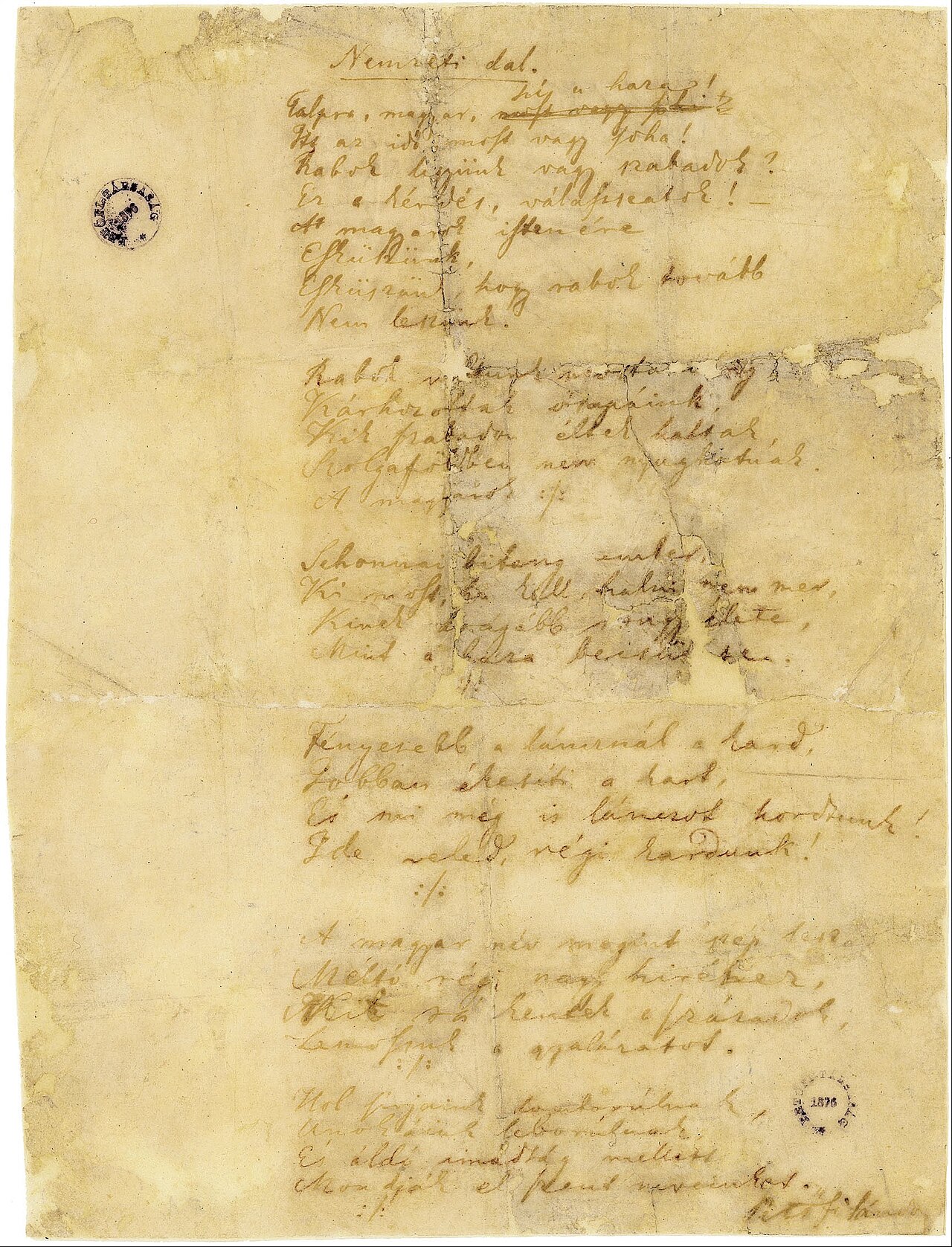 Book
Primary source
Nemzeti dal
Sándor Petőfi · 13 March 1848
 Document
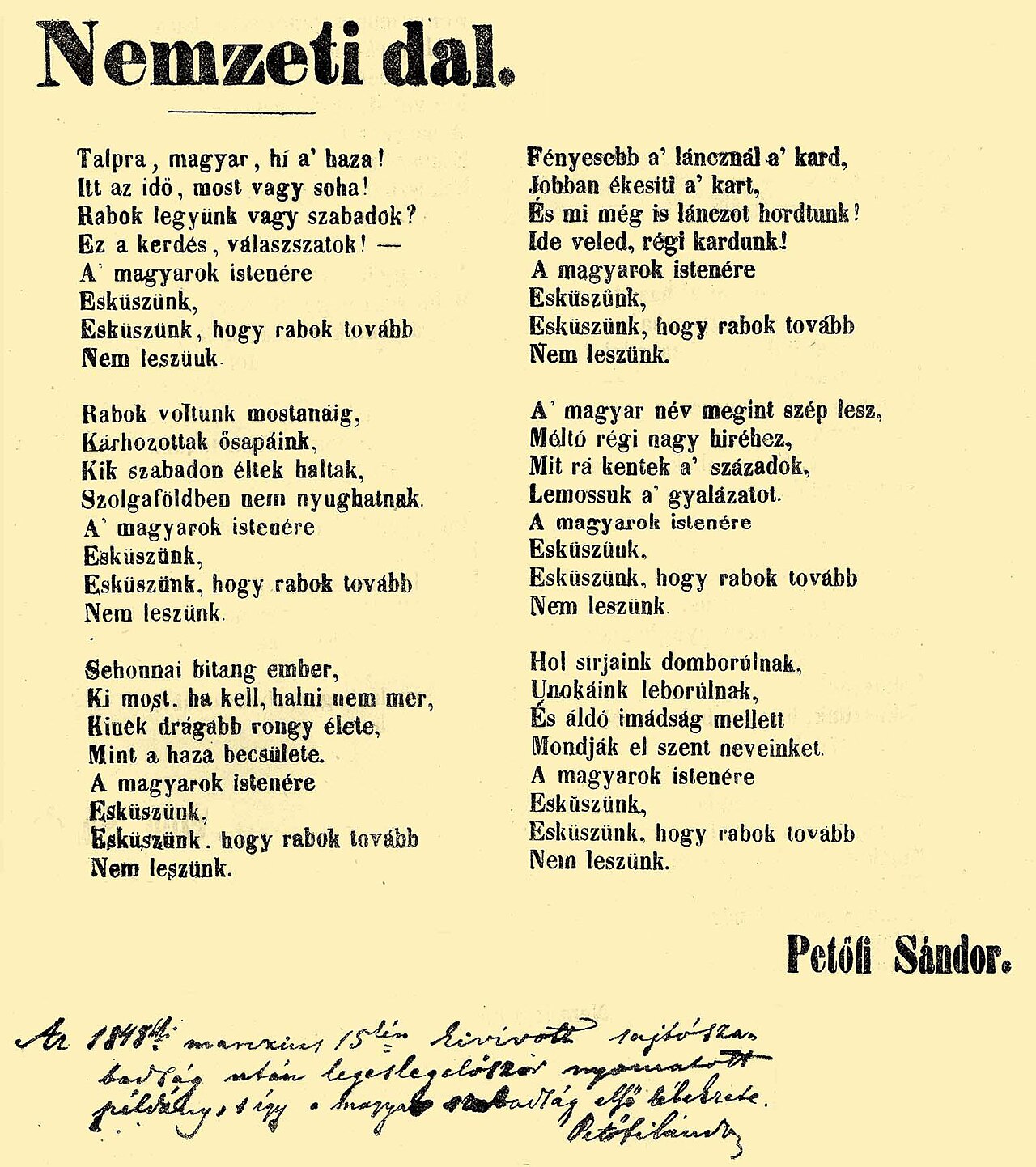
Primary source
Nemzetidal broadside
Sándor Petőfi · 15 March 1848
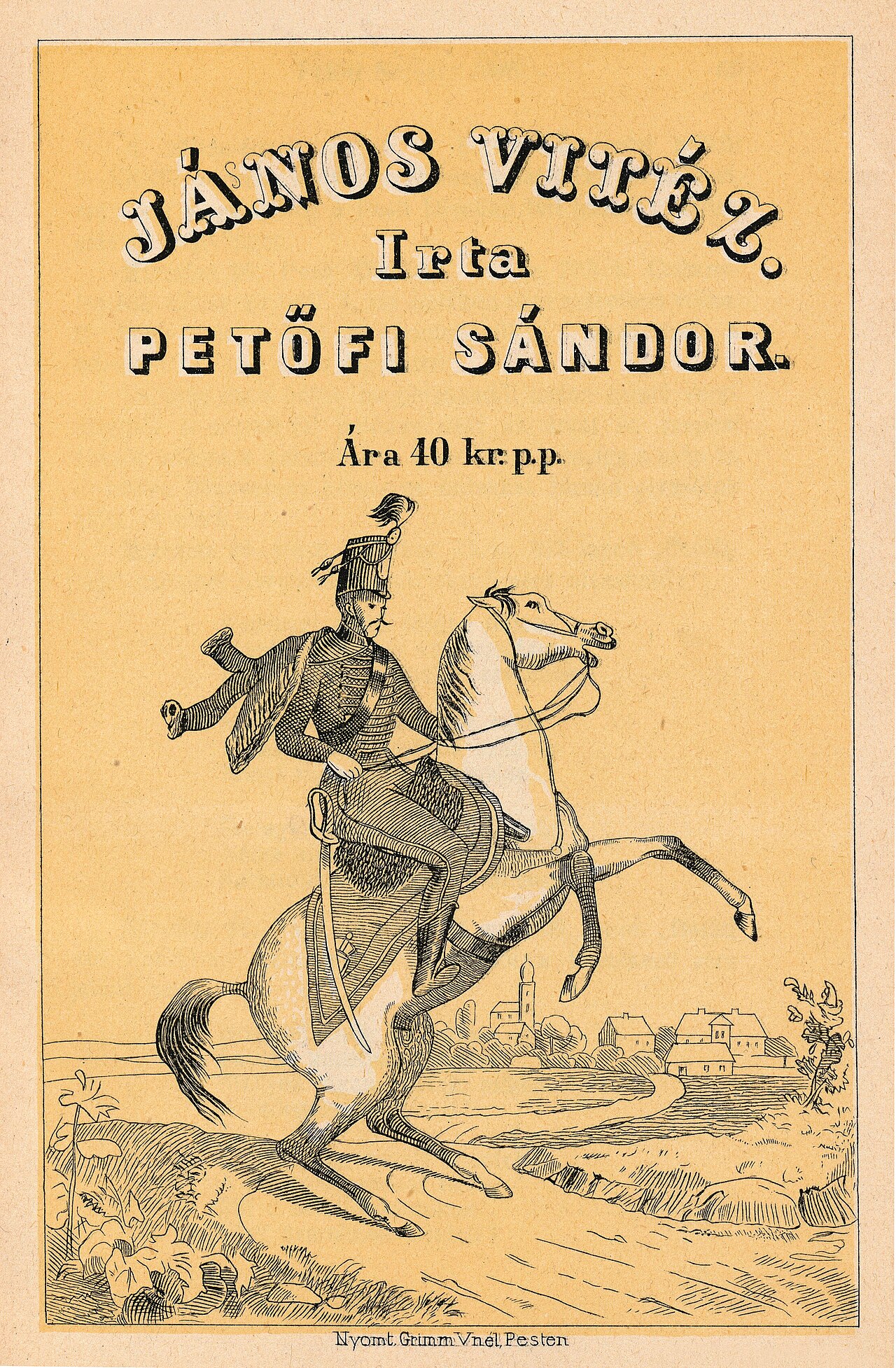 Book
Primary source
János vitéz
Sándor Petőfi · 1845 (written 1844)
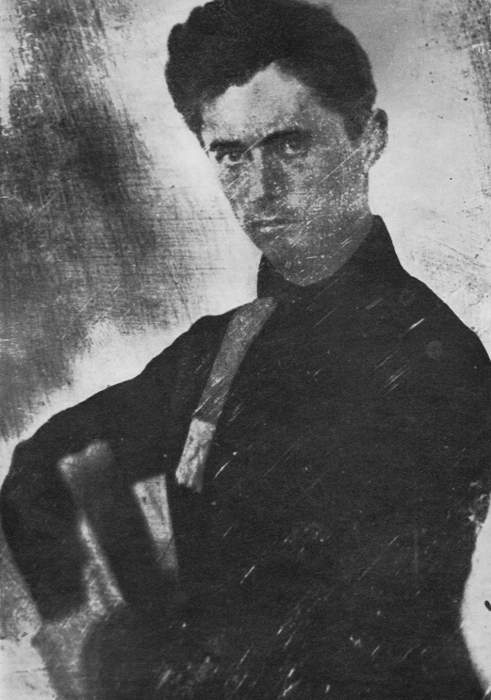 Photograph
Primary source
Sándor Petőfi
Gábor Egressy · 1844
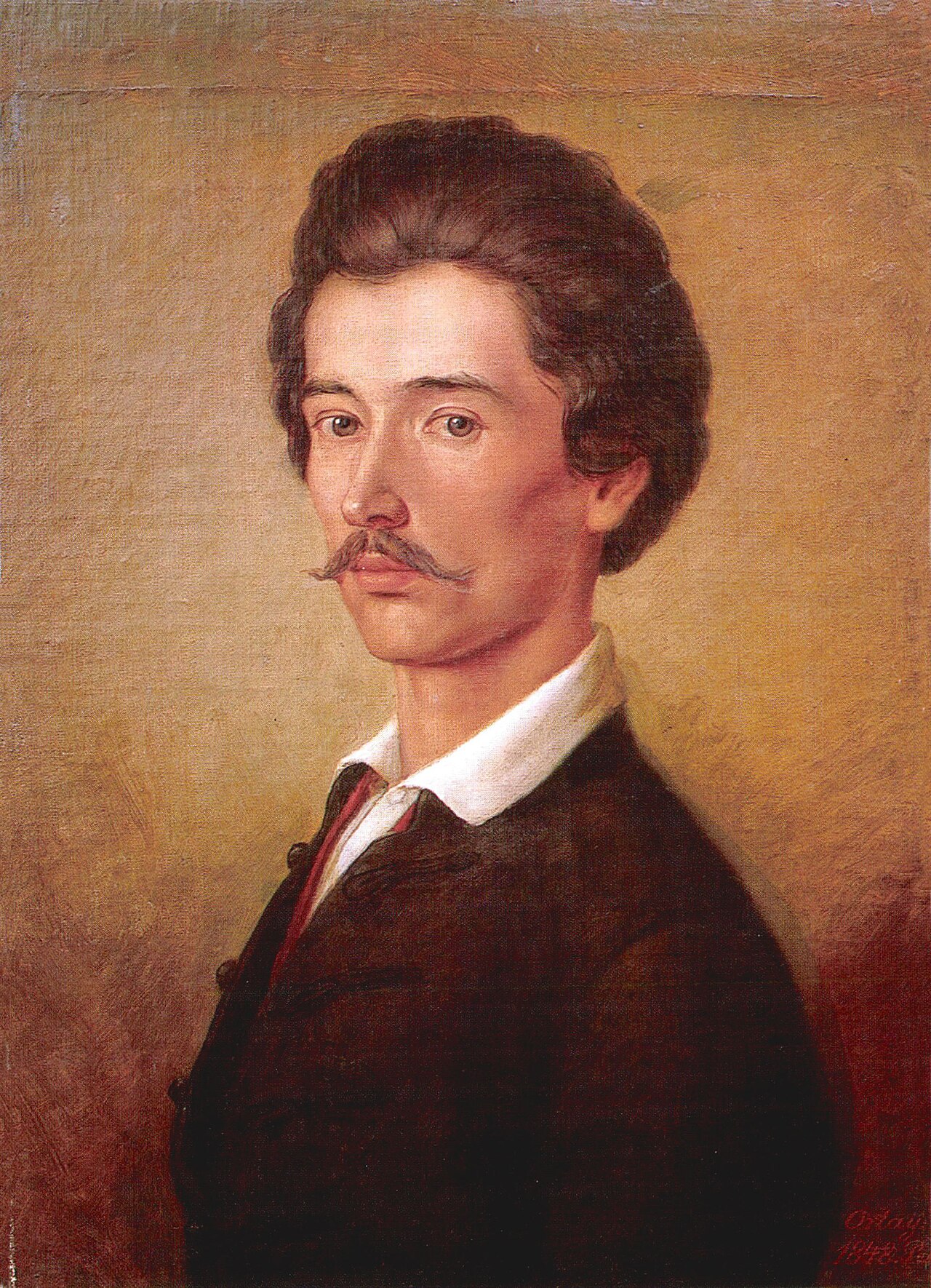 Painting
Primary source
Portrait of Sándor Petőfi
Orlai Petrich Soma
Ready when you are
Start chatting with Sándor Petőfi now.
20 messages free · No credit card · Available in 50+ languages.