


Primary sourceBook1903
A Free Man's Worship
Bertrand Russell · 1903
An essay by Bertrand Russell expressing his view of human dignity and meaning in an indifferent, godless universe.
Russell wrote this essay himself, making it a direct primary source for his early philosophical worldview.
Free Humy account · No credit card · 120,912 sources to read
About this source
What it is
This is a 1903 essay written by the philosopher Bertrand Russell. It opens with a retelling of a creation myth told by Mephistopheles to Dr. Faustus, used as a device to explore Russell's own view of the universe.
Why it matters
The essay captures Russell's thinking after what he called an 'illumination' moment, in which he worked out how human beings might find dignity and meaning even though the universe has no divine purpose watching over them. It is an important early statement of his secular philosophy and shows how he used vivid imagery and storytelling, not just logic, to express his ideas.
Look closer
- Why might Russell begin a philosophical essay with a story instead of an argument?
- What does the choice of Faustus and Mephistopheles suggest about the mood of the piece?
- What kind of comfort, if any, does Russell seem to be offering his readers?
This book is part of the curated material that grounds the AI version of Bertrand Russell on Humy.ai — when students ask about related events, the AI can quote it and cite it.
More Bertrand Russell sources
Browse all 88 →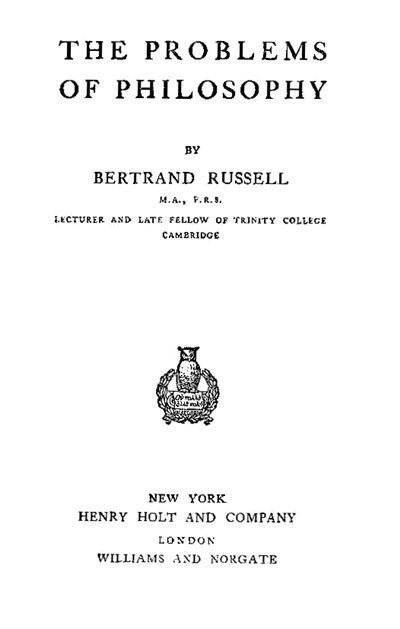 Book
Primary source
The Problems of Philosophy
Bertrand Russell · 1912
 Speech
Primary source
Why I Am Not a Christian
Bertrand Russell · 1927 (lecture), published 1927; this edition 1957
 Painting
Primary source
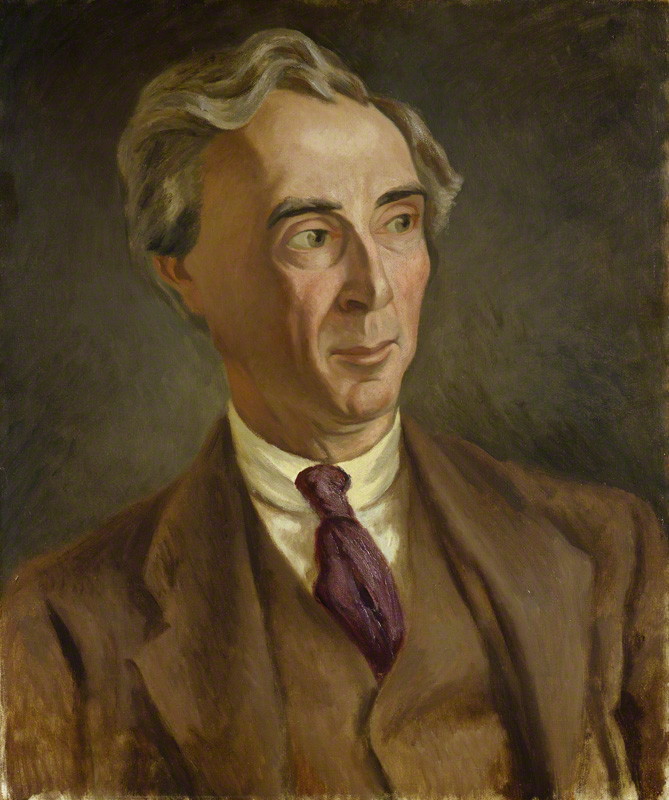
Bertrand Arthur William Russell, 3rd Earl Russell
Roger Fry · c. 1923
 Speech
Primary source
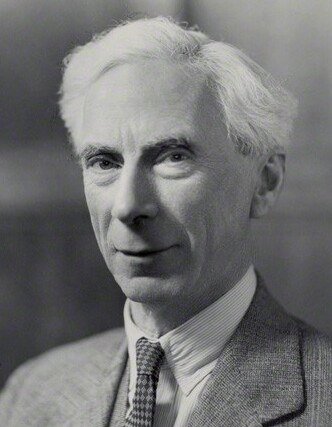
1950 Nobel Prize in Literature Award
Bertrand Russell · 10 December 1950
Free account
Read every Bertrand Russell source
Sign up free →
Ready when you are
Start chatting with Bertrand Russell now.
20 messages free · No credit card · Available in 50+ languages.