


Primary sourcePaintingmid-19th century
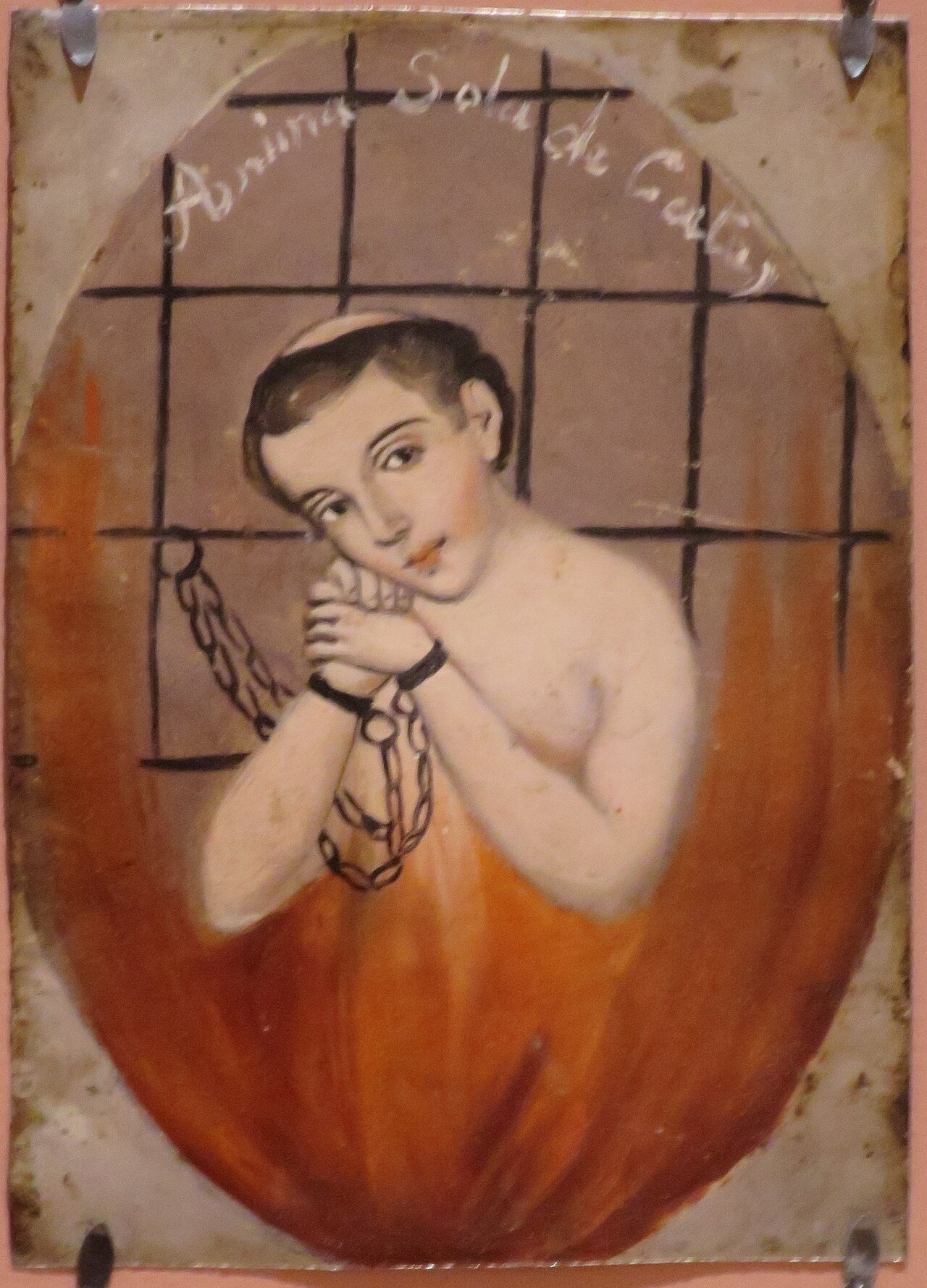
A Lost Soul
Unknown · mid-19th century
A mid-19th-century Mexican retablo, a type of folk devotional painting that influenced the naive, direct style Frida Kahlo used in her own art.
An example of the Mexican retablo folk-art tradition that directly shaped Kahlo's painting style.
About this source
What it is
This is a small oil-on-tin retablo made by an unknown Mexican painter in the mid-19th century. It shows a young boy, chained and surrounded by flames, with an inscription identifying him as a lost soul. Retablos like this were made as devotional or votive images, often placed in homes or churches.
Why it matters
Retablos were a popular folk art tradition in Mexico, painted by untrained artists for ordinary people's religious needs. Frida Kahlo collected these objects and was strongly influenced by their flat, direct, emotionally intense style, which shaped the way she painted her own suffering and symbolism in her self-portraits.
Look closer
- What emotions does the painting of the boy in flames try to create in the viewer?
- Why do you think an untrained artist's style might have appealed to a trained painter like Kahlo?
- What does the fact that this image was likely used for prayer tell us about its original purpose, compared to looking at it in a museum today?
This painting is part of the curated material that grounds the AI version of Frida Kahlo on Humy.ai — when students ask about related events, the AI can quote it and cite it.
More Frida Kahlo sources
Meet the AI Frida Kahlo →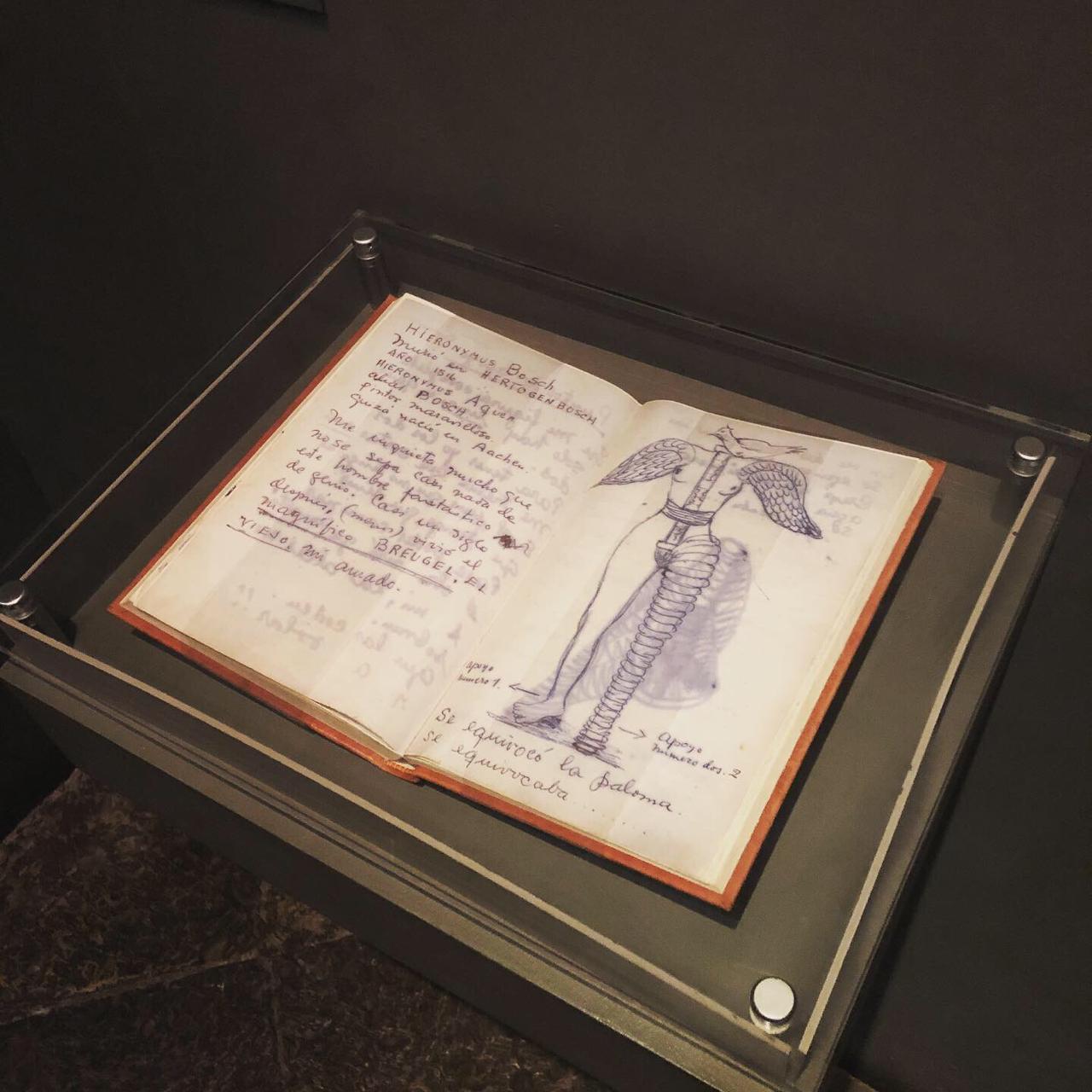 Diary entry
Primary source
The Diary of Frida Kahlo
Frida Kahlo · c. 1944-1954
 Photograph
Primary source
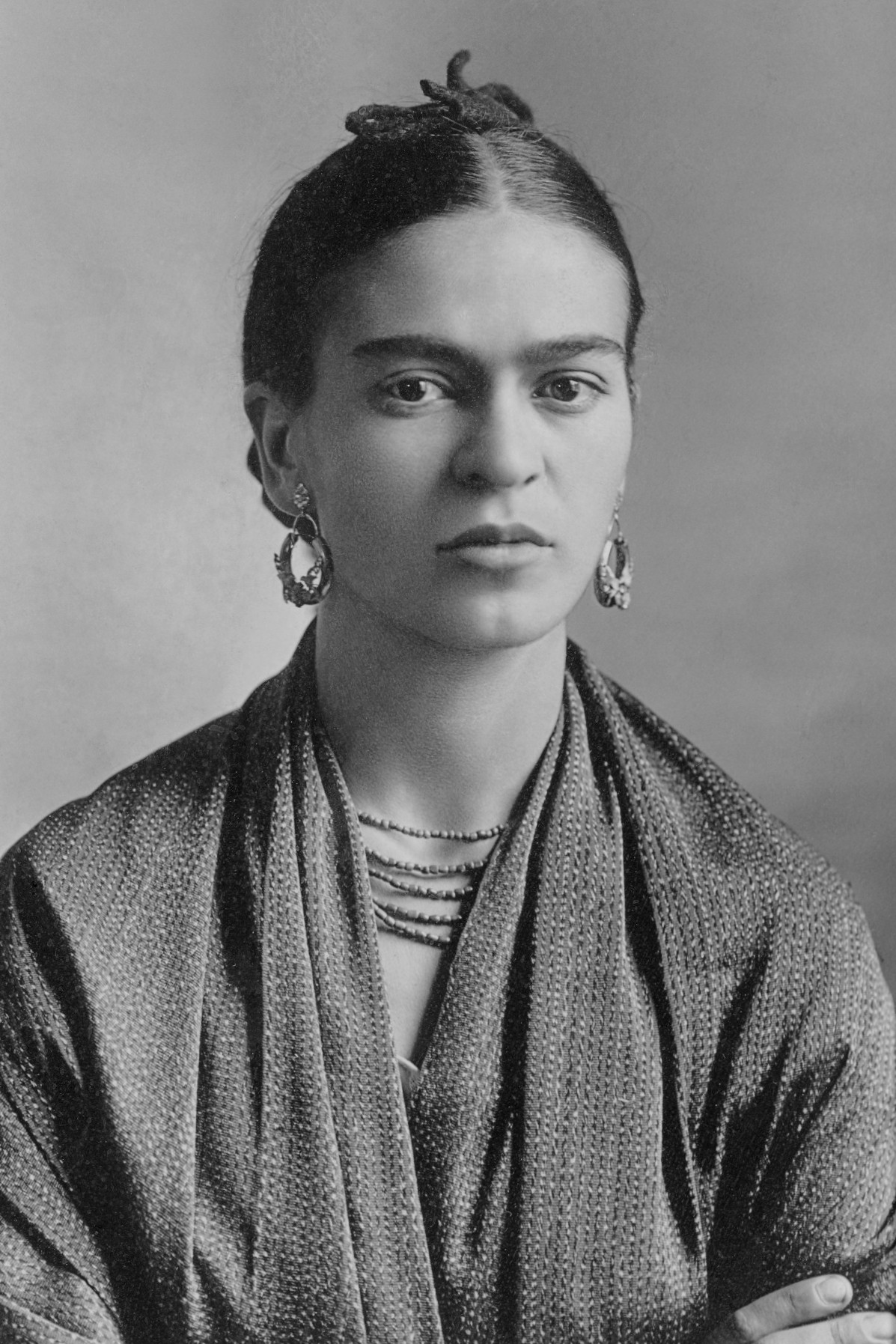
Frida Kahlo, by Guillermo Kahlo
Guillermo Kahlo
 Artifact
Primary source
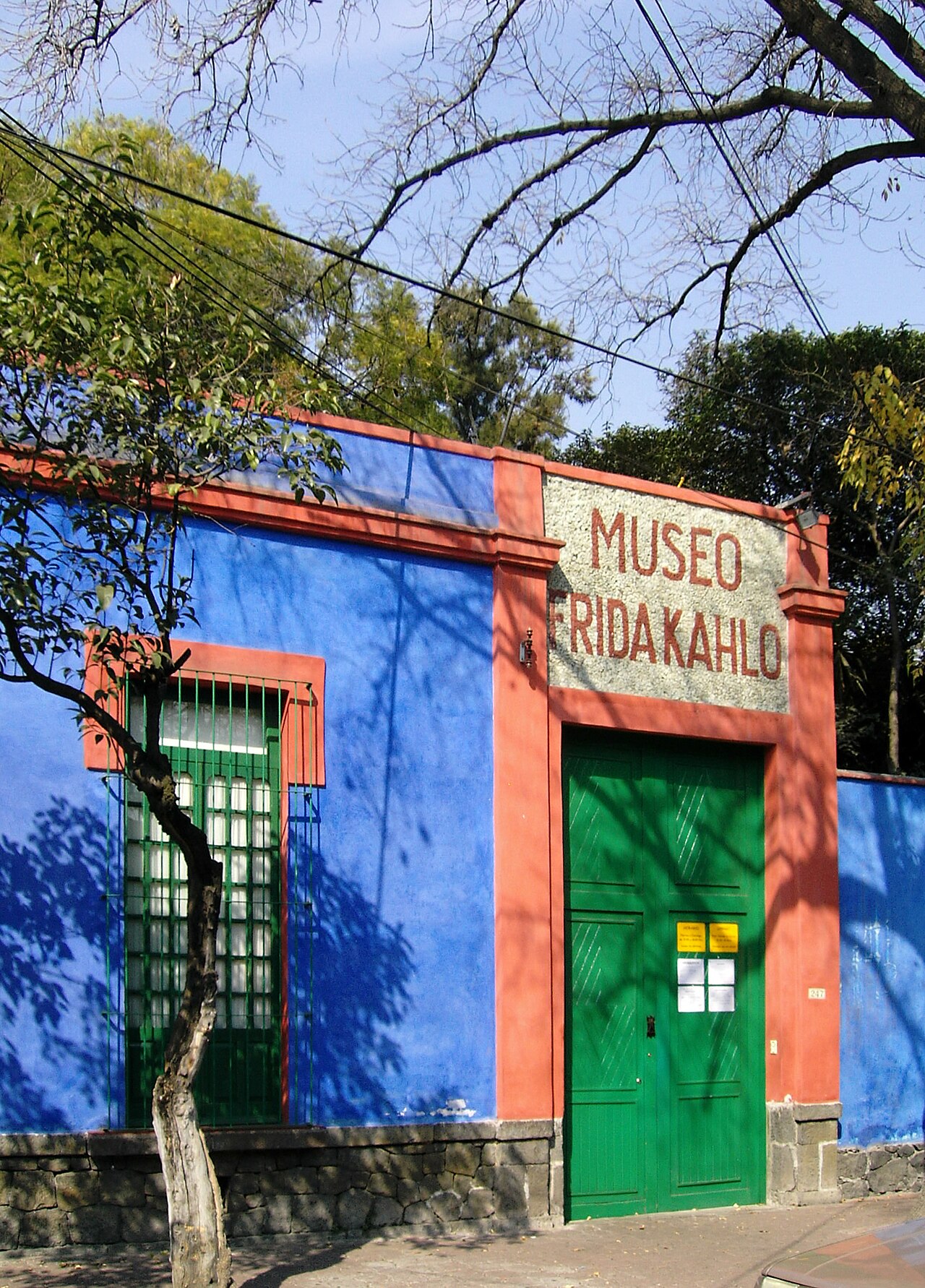
Frida Kahlo Museum (La Casa Azul)
1958
 Artifact
Primary source
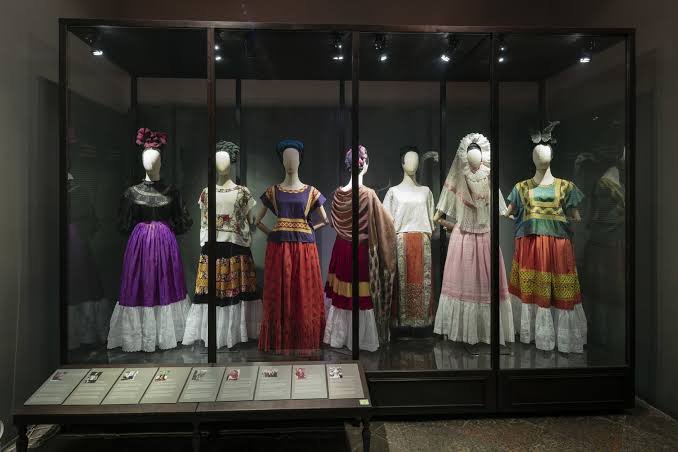
Frida Kahlo's Tehuana Dresses at the Casa Azul
 Painting
Primary source
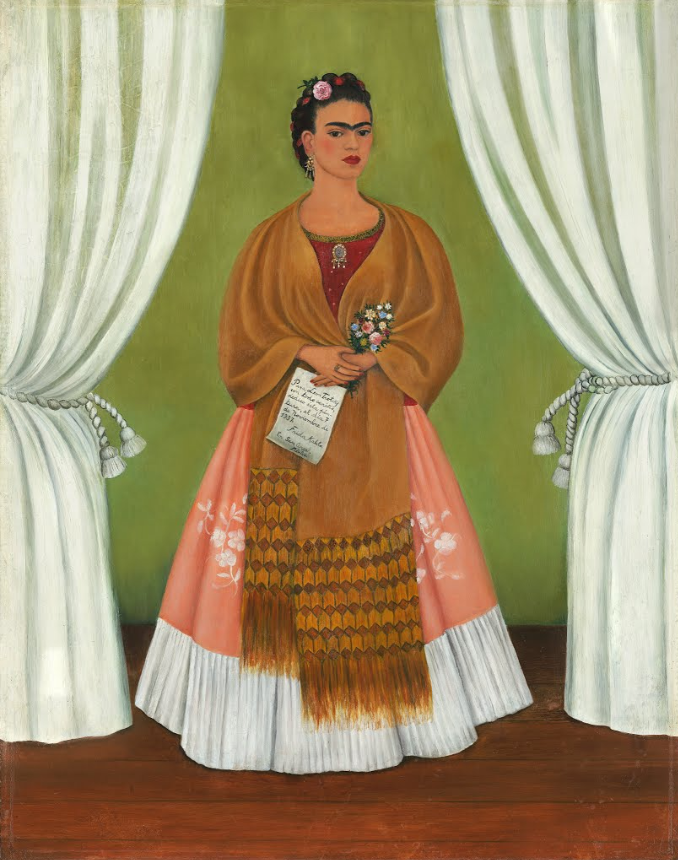
Self-Portrait Dedicated to Leon Trotsky
Frida Kahlo · 1937
Ready when you are
Start chatting with Frida Kahlo now.
20 messages free · No credit card · Available in 50+ languages.