


Primary sourceBookJanuary 1848
A rab-oroszlán
Sándor Petőfi · January 1848
A Hungarian poem by Sándor Petőfi about a caged lion, written in 1848 as an allegory of lost freedom and dignity.
Petőfi's allegorical poem about captivity and dignity, written shortly before he led the 1848 revolution.
About this source
What it is
This poem was written by Sándor Petőfi in Pest in January 1848 and later published in a collection of his newer poems in 1861. It describes a lion that once ruled an endless desert but is now confined to a small cage, still holding onto its dignity despite its captivity.
Why it matters
Written just before the 1848 revolution, the poem can be read as an allegory for oppressed peoples who have lost their freedom but keep their inner nobility. As a poet who became a revolutionary leader that same year, Petőfi often used such symbolic imagery to comment on political freedom and dignity under oppression.
Look closer
- Why might a caged lion be a powerful symbol for a poet writing just before a revolution?
- What does the lion's behaviour in the cage suggest about dignity versus freedom?
- How does the mocking crowd in the poem add another layer of meaning?
This book is part of the curated material that grounds the AI version of Sándor Petőfi on Humy.ai — when students ask about related events, the AI can quote it and cite it.
More Sándor Petőfi sources
Meet the AI Sándor Petőfi →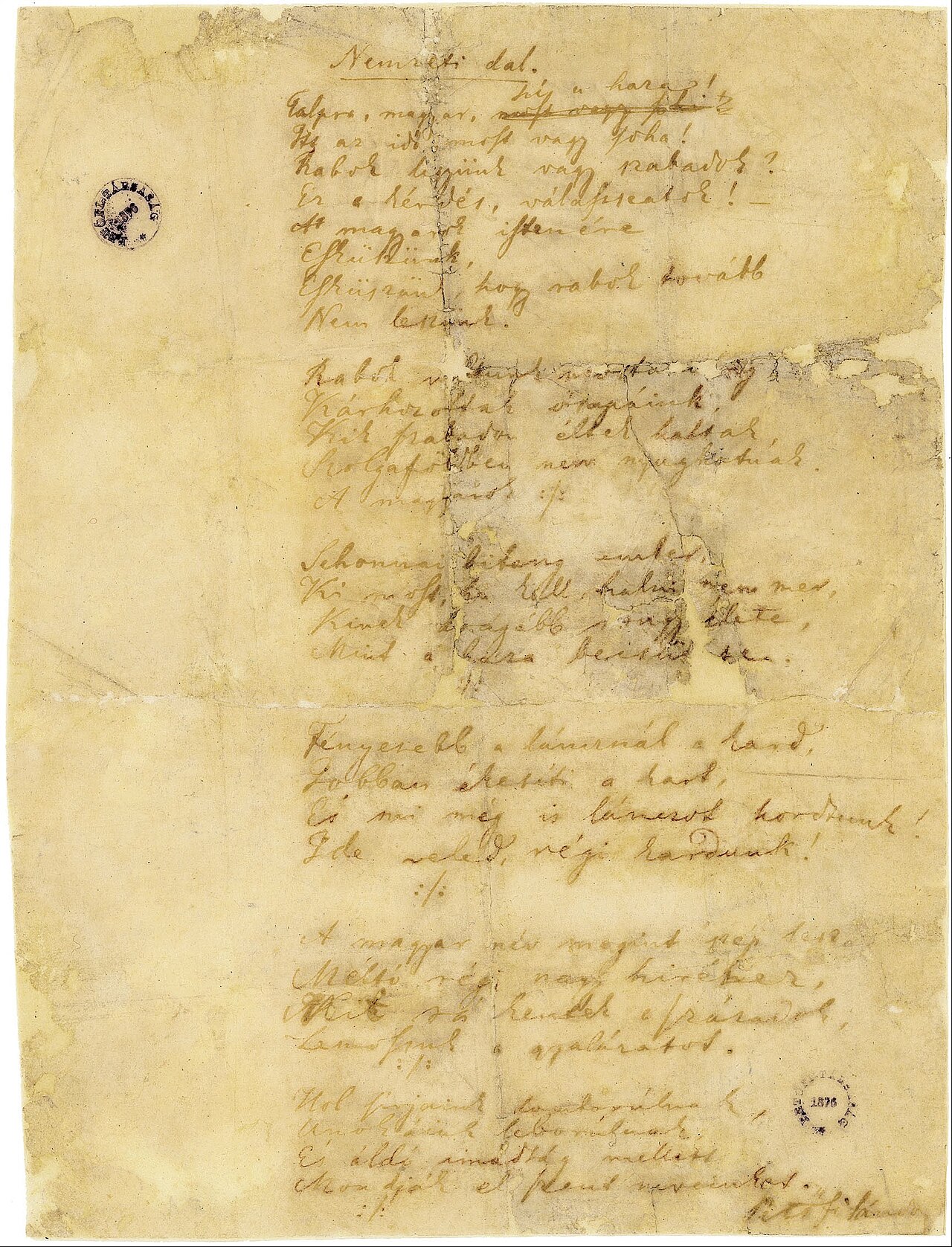 Book
Primary source
Nemzeti dal
Sándor Petőfi · 13 March 1848
 Document
Primary source
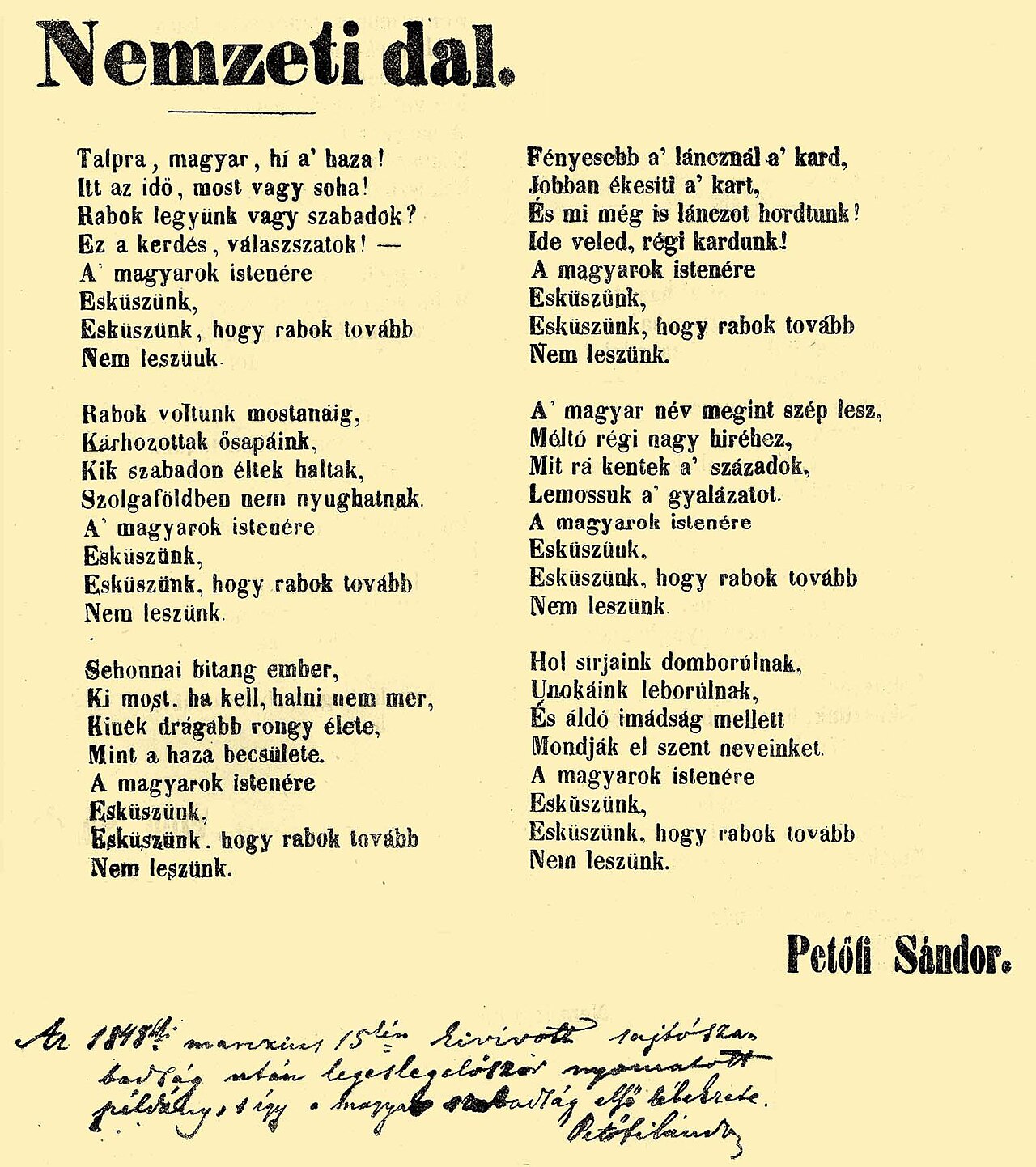
Nemzetidal broadside
Sándor Petőfi · 15 March 1848
 Book
Primary source
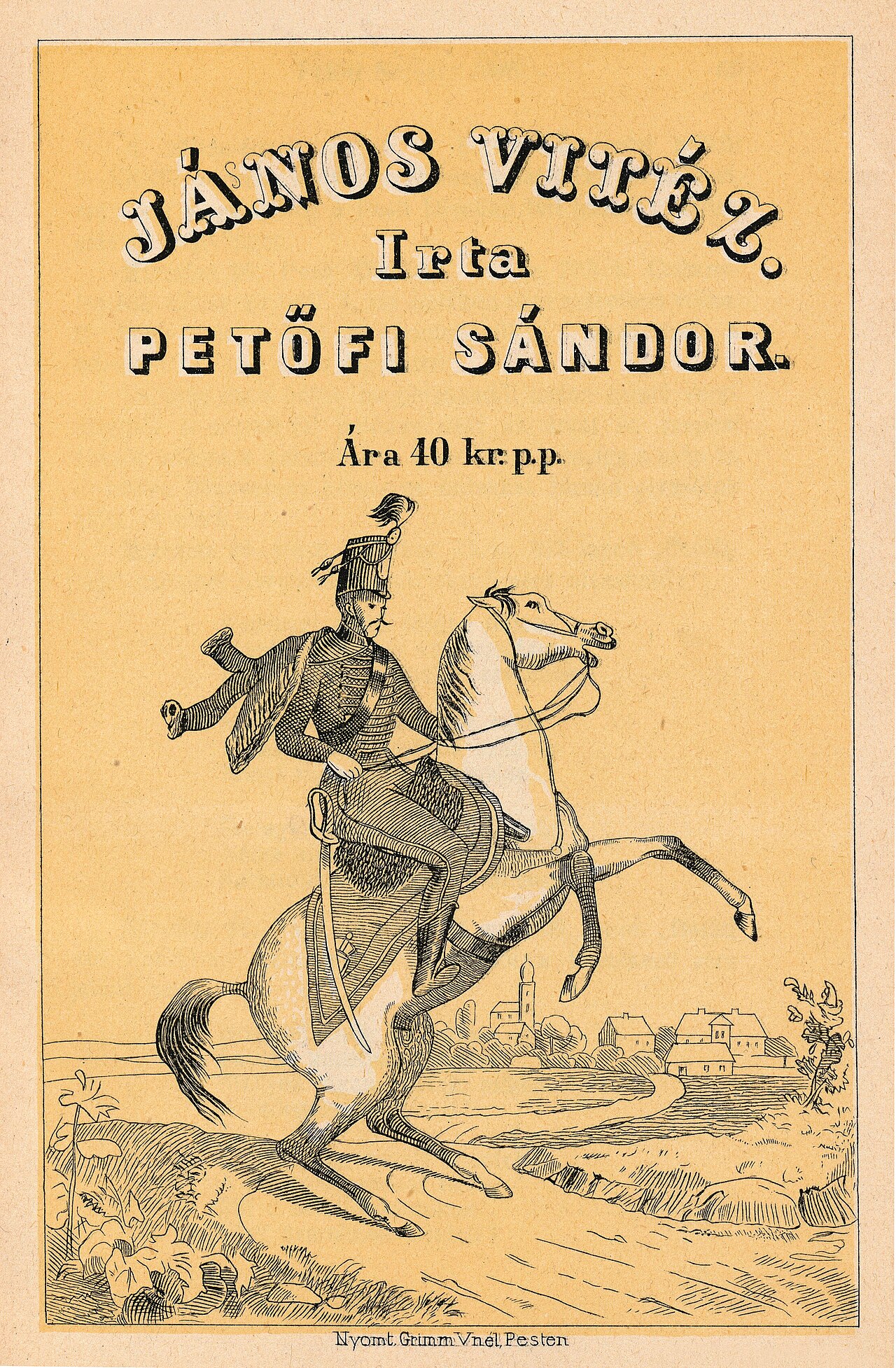
János vitéz
Sándor Petőfi · 1845 (written 1844)
 Photograph
Primary source
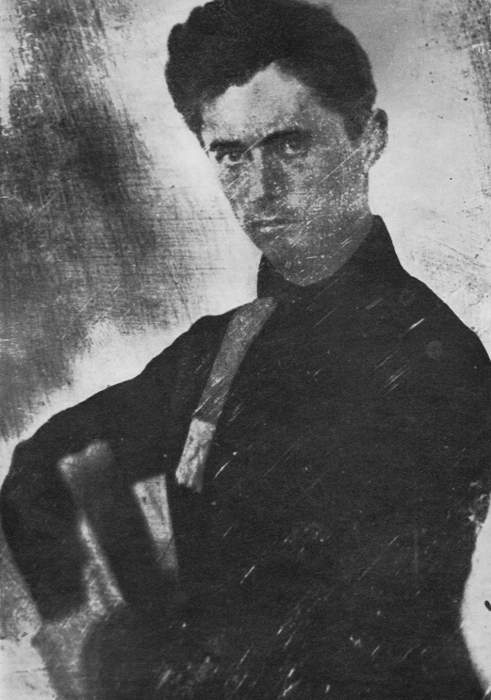
Sándor Petőfi
Gábor Egressy · 1844
 Painting
Primary source
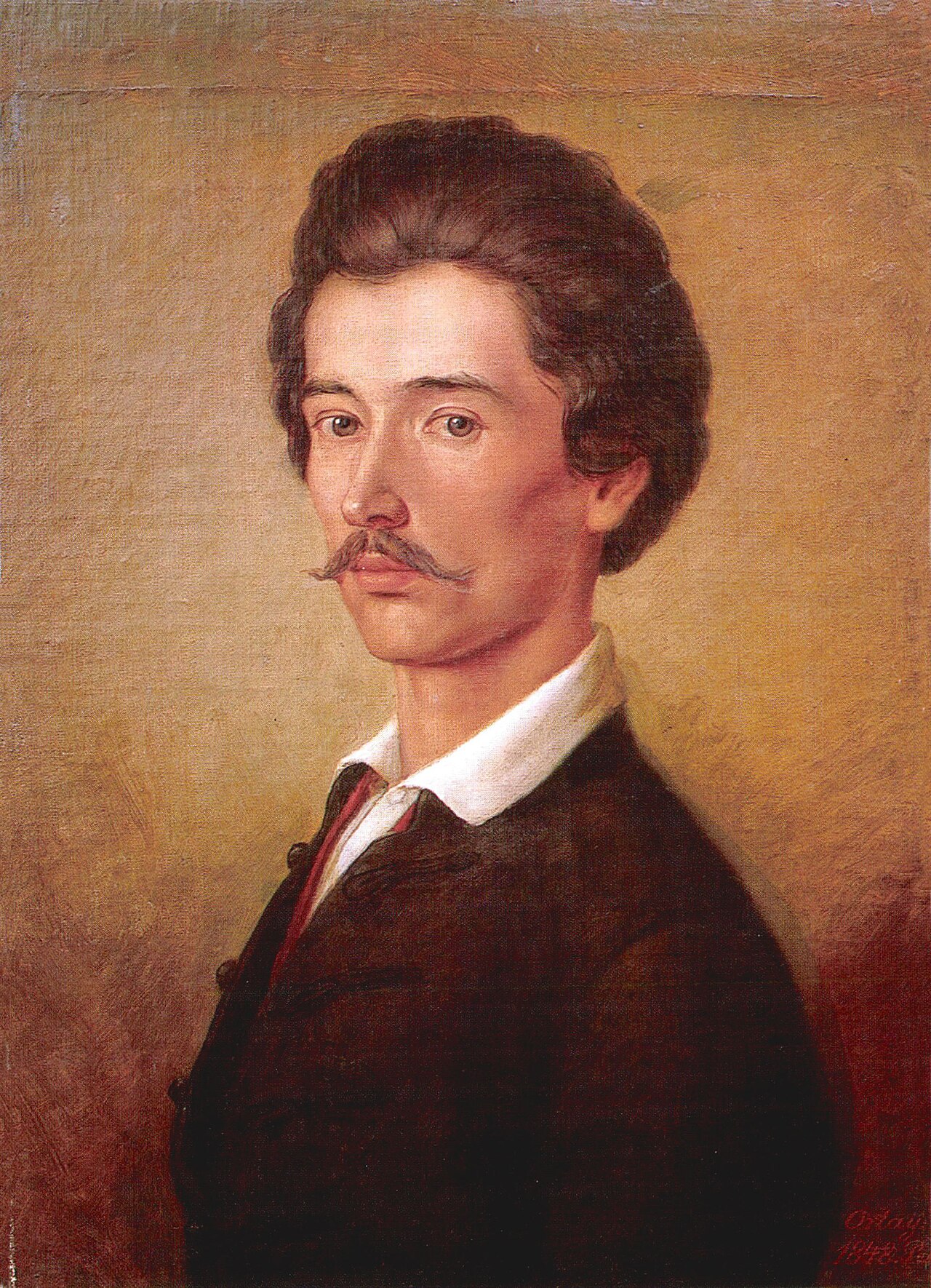
Portrait of Sándor Petőfi
Orlai Petrich Soma
Ready when you are
Start chatting with Sándor Petőfi now.
20 messages free · No credit card · Available in 50+ languages.