


Primary sourcePhotograph19 May 1864
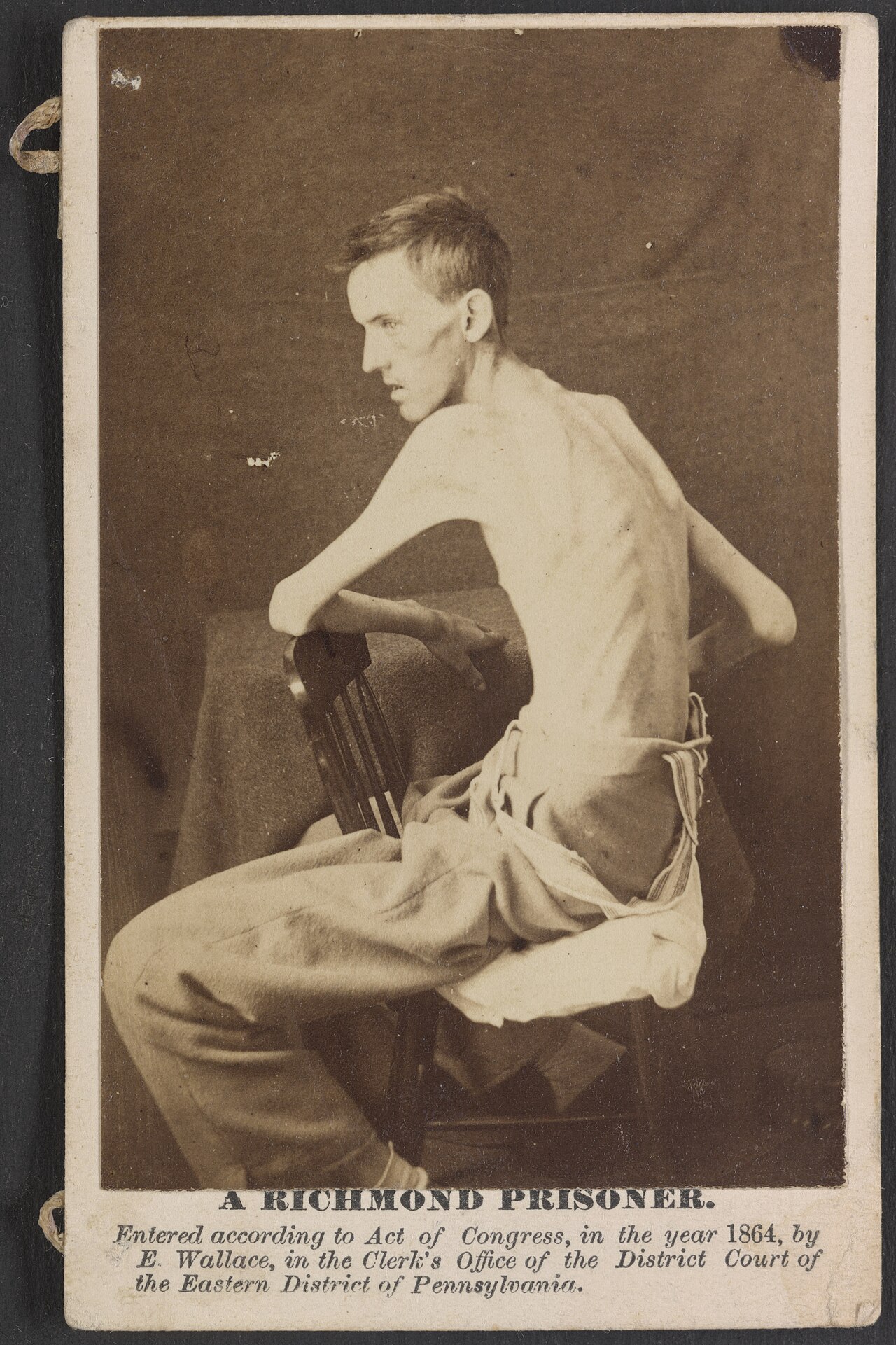
A Richmond Prisoner, Private Jackson O. Broshears
19 May 1864
An 1864 photograph of a severely emaciated Union soldier recently released from Confederate captivity, illustrating the wartime prisoner exchanges Walker was part of.
Illustrates the harsh conditions of Civil War prisoner exchange, the same system through which Walker herself was released.
About this source
What it is
This 1864 photograph shows Private Jackson O. Broshears, a Union soldier of the Indiana Mounted Infantry, after his release from Confederate imprisonment, including time at the notorious Belle Isle camp. The caption records his dramatic weight loss during captivity and his recovery at a U.S. hospital in Annapolis, Maryland.
Why it matters
This image documents the severe conditions endured by prisoners of war during the Civil War. Dr. Mary Walker herself was held as a Confederate prisoner before being exchanged, making this photograph part of the broader story of captivity and exchange she experienced firsthand.
Look closer
- What details in the caption help explain the seriousness of this soldier's condition?
- Why might this photograph have been taken and kept as a record?
- What does this image not tell us about Broshears' experience as a prisoner?
This photograph is part of the curated material that grounds the AI version of Mary Edwards Walker on Humy.ai — when students ask about related events, the AI can quote it and cite it.
More Mary Edwards Walker sources
Meet the AI Mary Edwards Walker →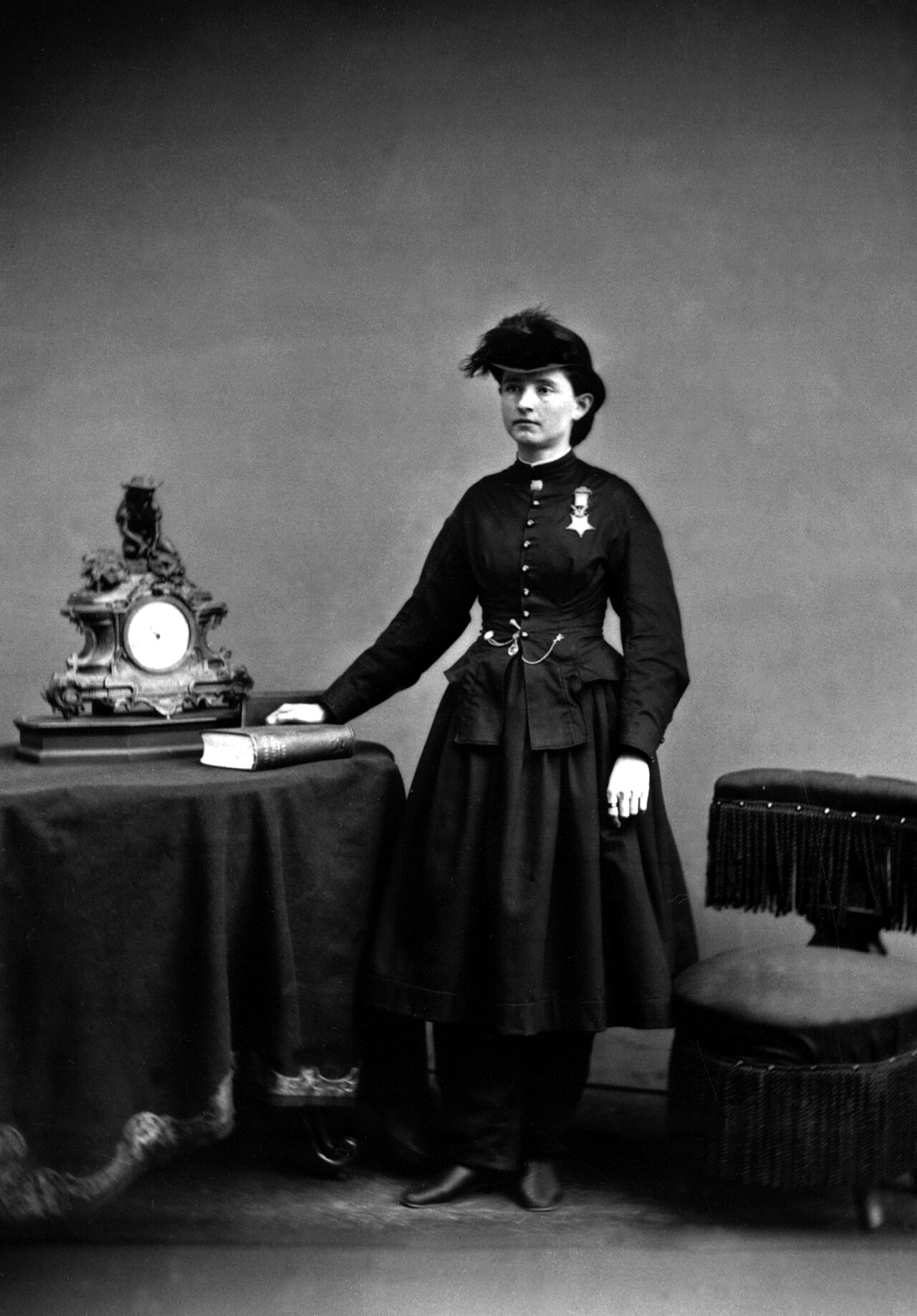 Photograph
Primary source
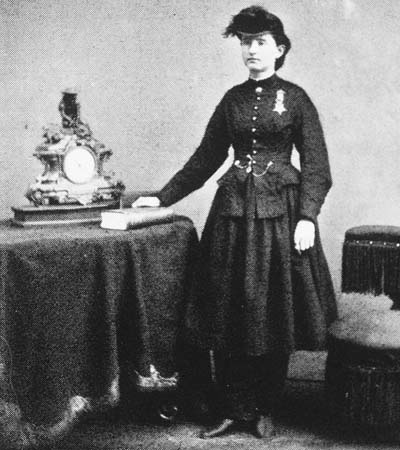
Dr. Mary Walker Wearing the Medal of Honor
Mathew Benjamin Brady · c. 1866
 Photograph
Primary source
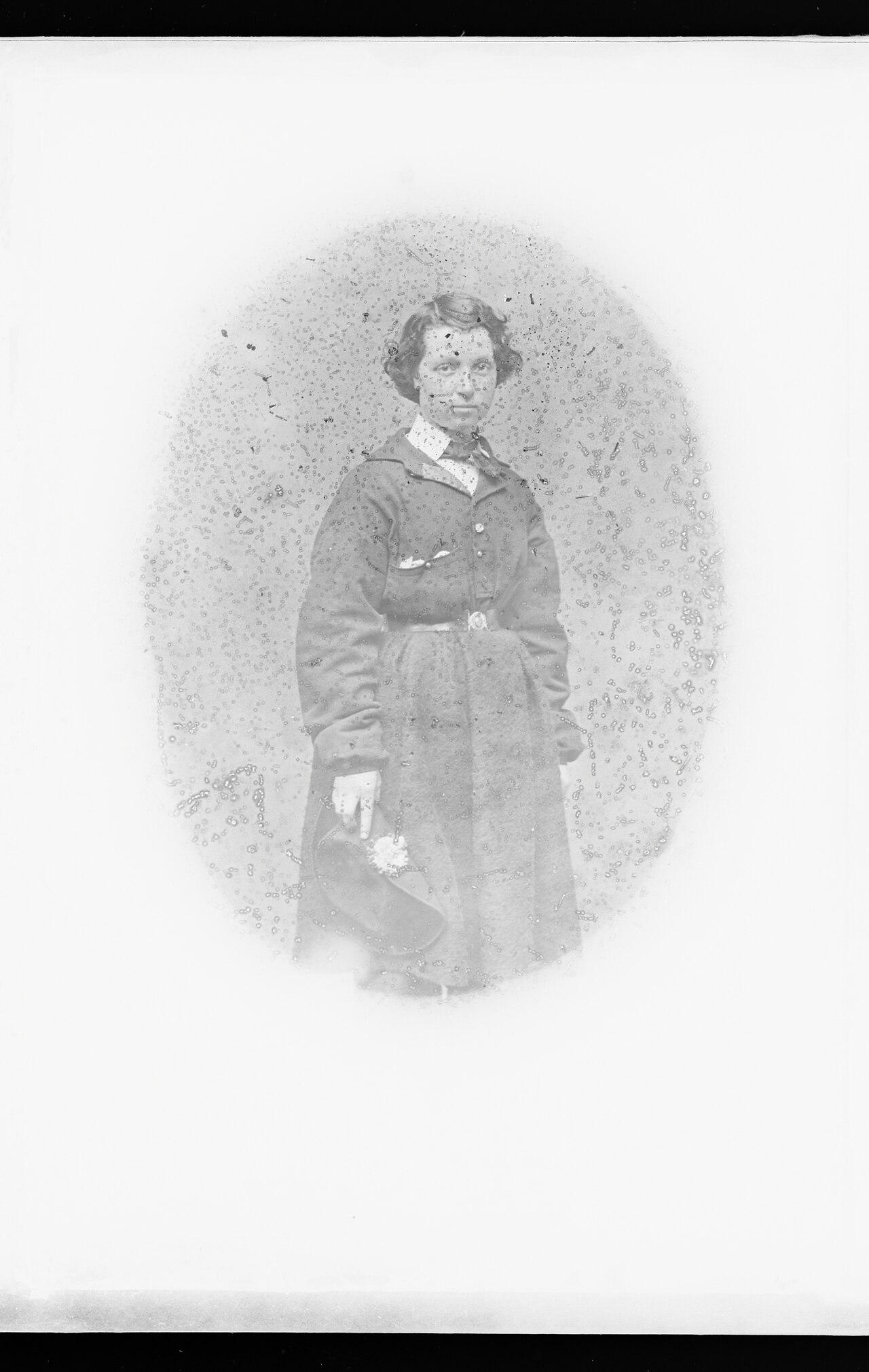
Mary Edwards Walker glass negative
Mathew Brady Studio · c. 1860-1870
Primary source
Hit
Mary Edwards Walker · 1871
 Painting
Primary source
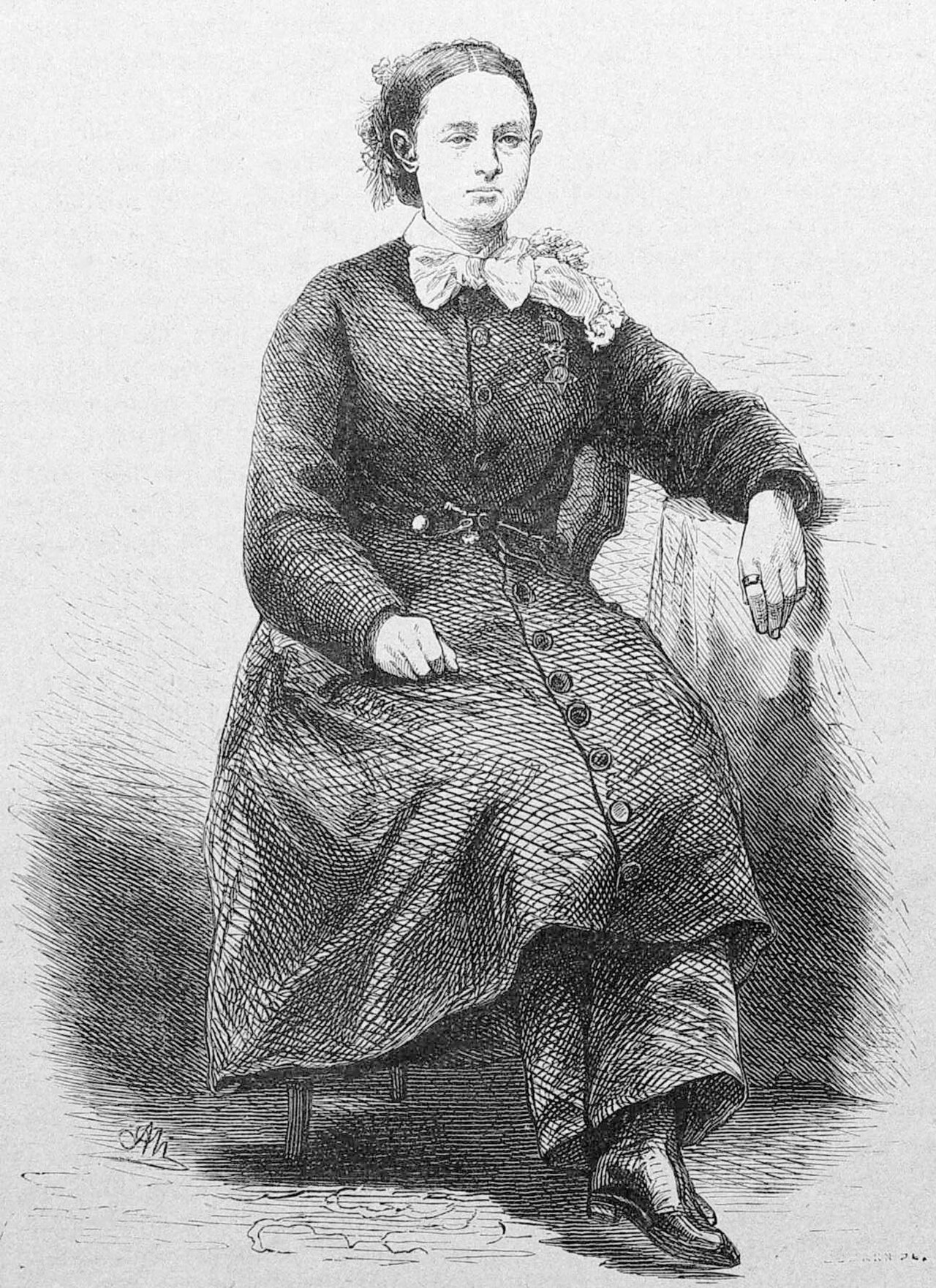
Die Gartenlaube illustration of Mary Walker
19th century
 Photograph
Primary source
Mary Edwards Walker, Contract Acting Assistant Surgeon
Ready when you are
Start chatting with Mary Edwards Walker now.
20 messages free · No credit card · Available in 50+ languages.