


Primary sourceBookFebruary 1848
A tél halála
Sándor Petőfi · February 1848
A Hungarian poem by Sándor Petőfi from 1848 using the death of winter as a metaphor for the fall of tyranny and the coming of freedom.
Written shortly before the 1848 revolution, this poem shows Petőfi using allegory to express his hope for freedom.
About this source
What it is
This poem was written by Sándor Petőfi in Hungarian, dated February 1848 in Pest. It survives in its original language on Hungarian Wikisource.
Why it matters
Written just before the outbreak of the 1848 Hungarian Revolution, the poem uses the changing seasons as an allegory: winter stands for tyranny, and spring for freedom. It shows how Petőfi used nature imagery to express his revolutionary political hopes.
Look closer
- What words describe winter, and what do they suggest about tyranny?
- How does Petőfi connect the arrival of spring with freedom?
- Why might writing about nature be a safer or more powerful way to talk about politics?
This book is part of the curated material that grounds the AI version of Sándor Petőfi on Humy.ai — when students ask about related events, the AI can quote it and cite it.
More Sándor Petőfi sources
Meet the AI Sándor Petőfi →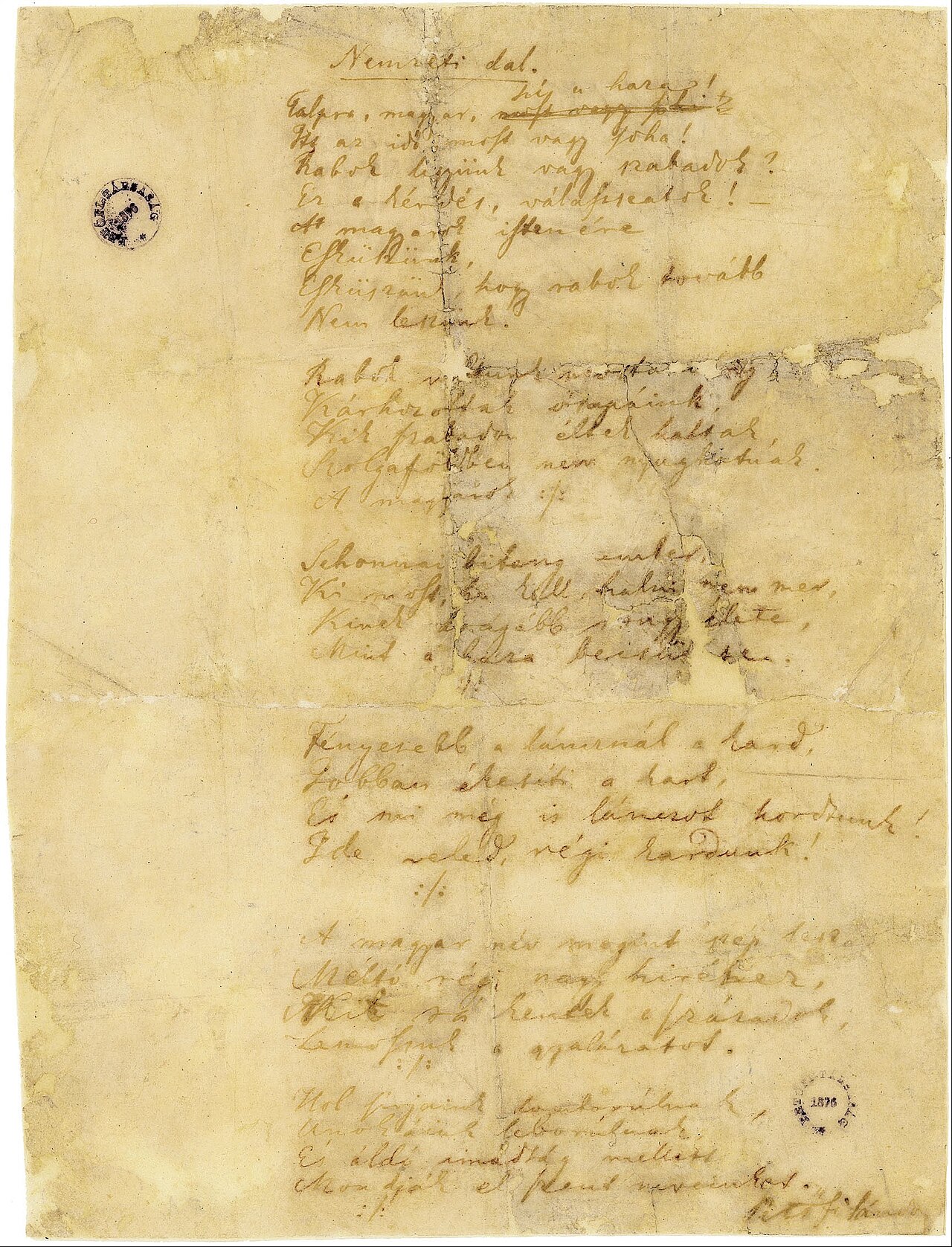 Book
Primary source
Nemzeti dal
Sándor Petőfi · 13 March 1848
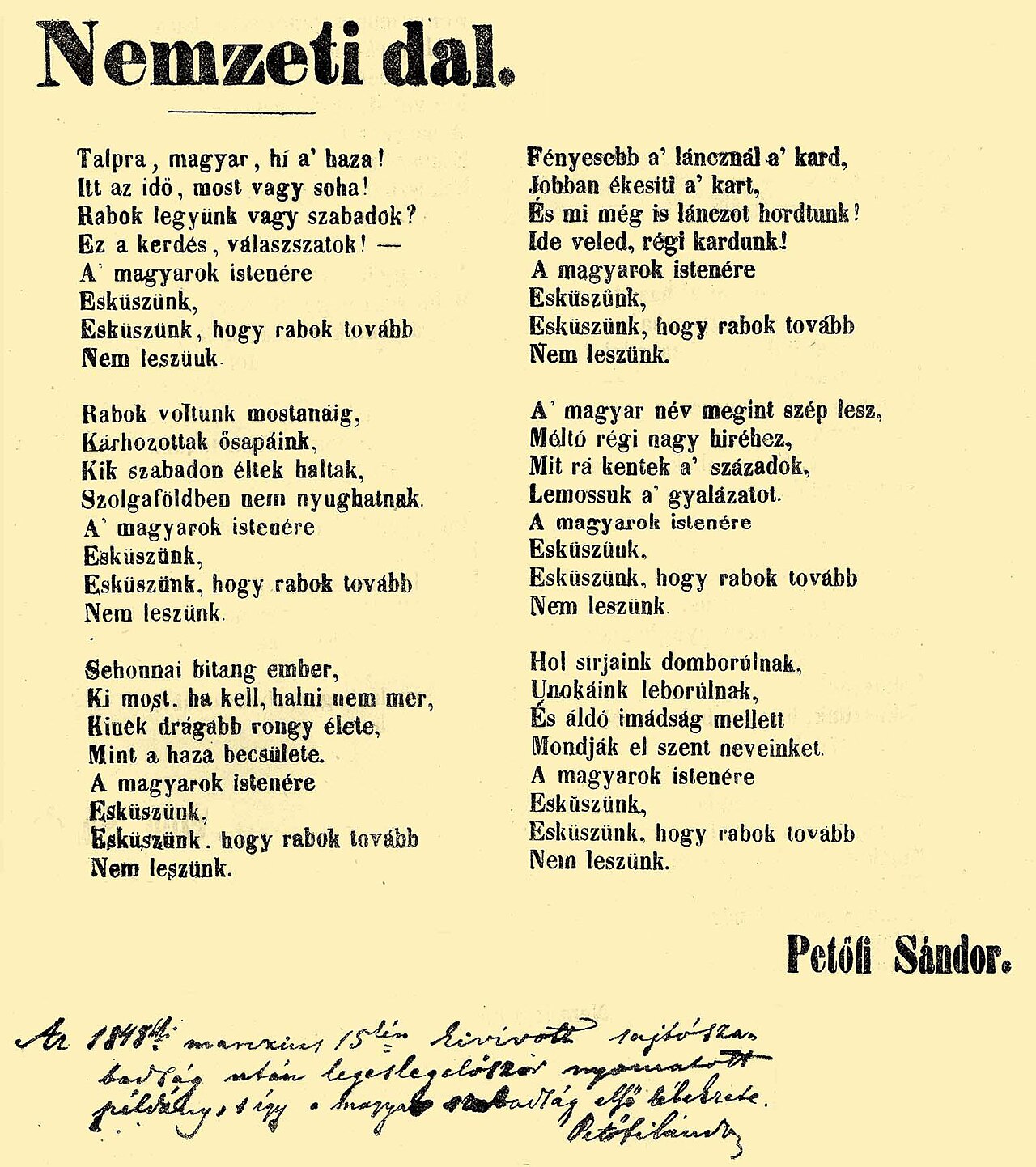 Document
Primary source
Nemzetidal broadside
Sándor Petőfi · 15 March 1848
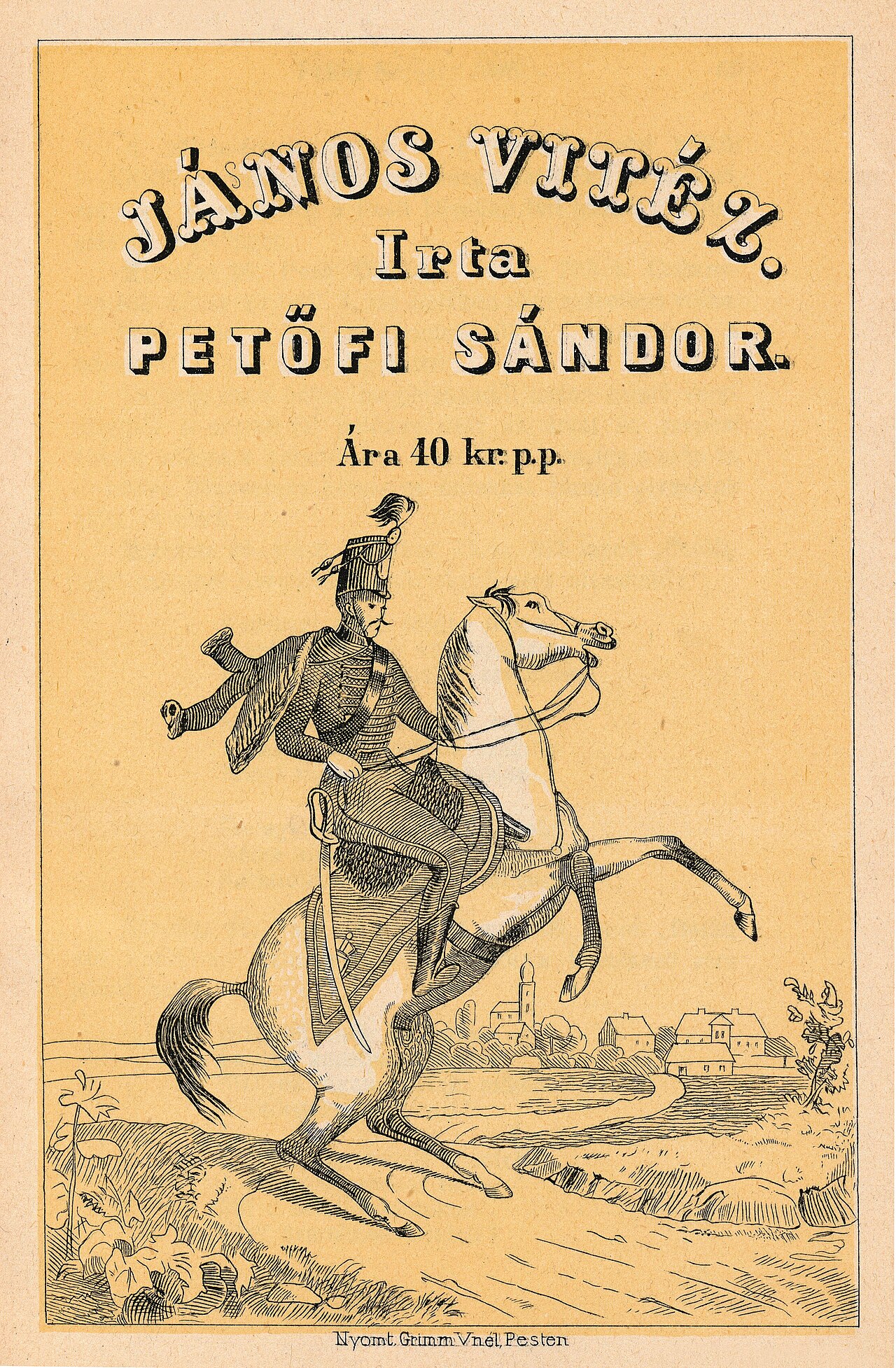 Book
Primary source
János vitéz
Sándor Petőfi · 1845 (written 1844)
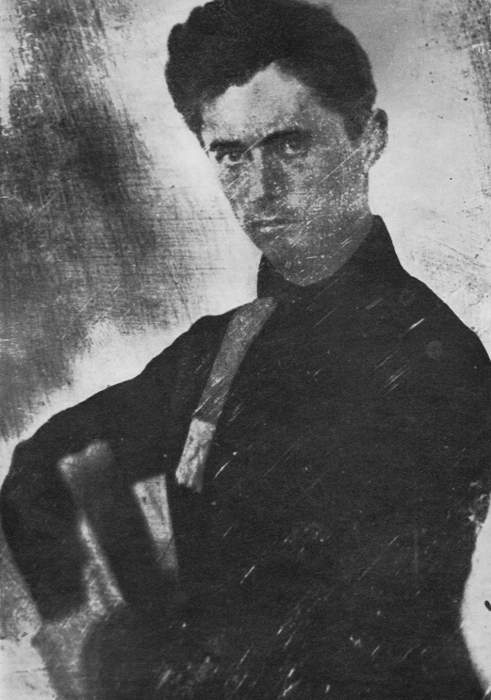 Photograph
Primary source
Sándor Petőfi
Gábor Egressy · 1844
 Painting
Primary source
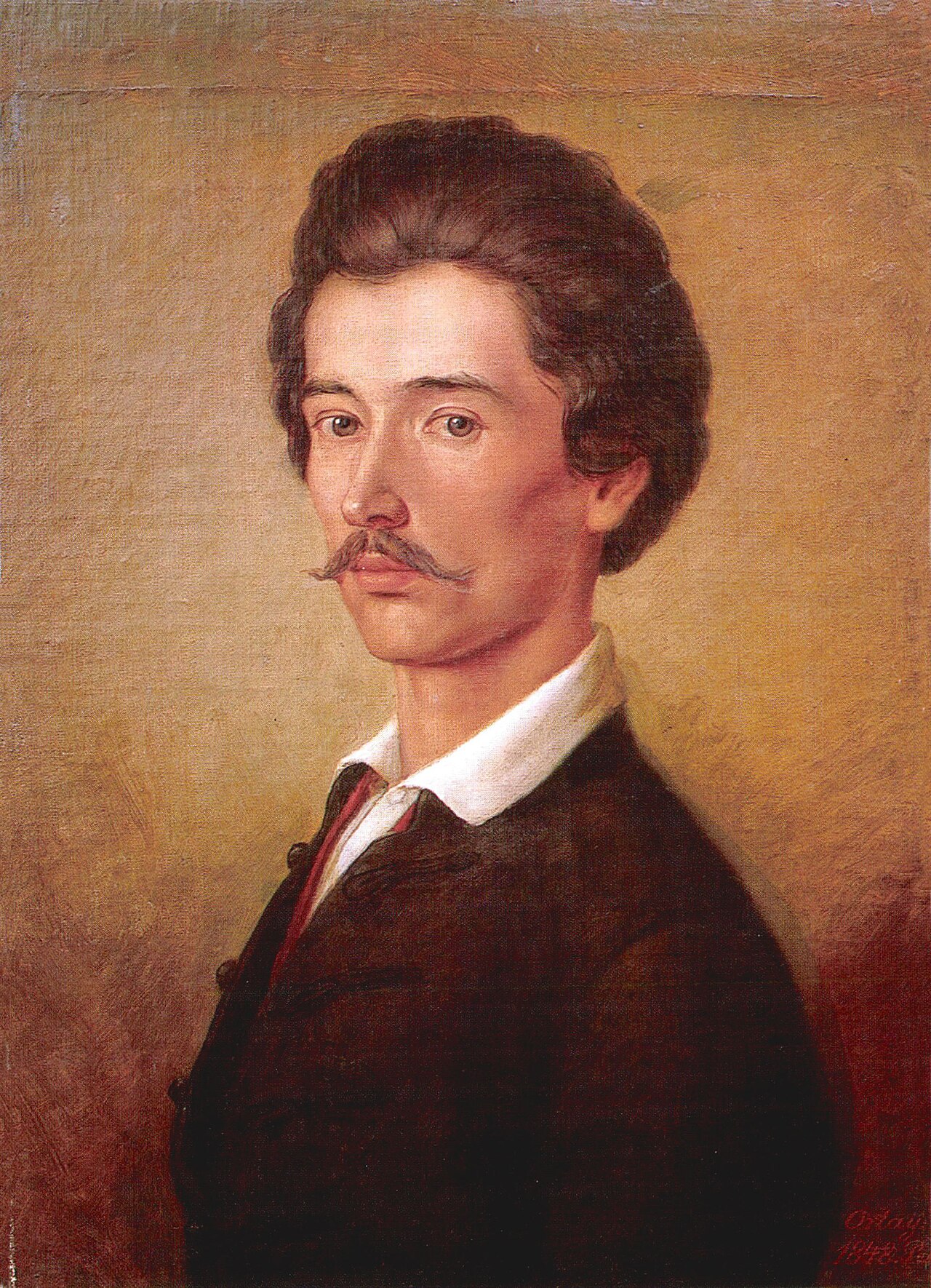
Portrait of Sándor Petőfi
Orlai Petrich Soma
Ready when you are
Start chatting with Sándor Petőfi now.
20 messages free · No credit card · Available in 50+ languages.