


Primary sourceBook1911 (translation); original Hungarian earlier
A Thought Torments Me
Sándor Petőfi · 1911 (translation); original Hungarian earlier
A passionate poem by Sándor Petőfi expressing his wish to die fighting for freedom rather than quietly in old age, shown here in a 1911 English translation.
Petőfi's own poem expressing his revolutionary ideals and his wish to die fighting for freedom.
About this source
What it is
This is an English translation, published in 1911 by Nora de Vállyi and Dorothy M. Stuart, of a poem written by Sándor Petőfi. In it, the speaker prays not to die slowly of illness, but instead on a battlefield fighting for the freedom of all nations.
The text is preserved on Wikisource as one of Petőfi's individual poems.
Why it matters
This poem is one of Petőfi's most famous expressions of revolutionary idealism, imagining death in battle for freedom as more honourable than a peaceful end. It reflects the passionate nationalism and belief in liberty that defined Petőfi's short life, and it gained extra poignancy because he indeed died young, reportedly in connection with the fighting of his era.
Look closer
- What images does the poet use to describe a heroic death compared to a quiet one?
- Why might a poem like this have inspired other revolutionaries of the time?
- What does the poem suggest about how Petőfi saw his own future?
This book is part of the curated material that grounds the AI version of Sándor Petőfi on Humy.ai — when students ask about related events, the AI can quote it and cite it.
More Sándor Petőfi sources
Meet the AI Sándor Petőfi →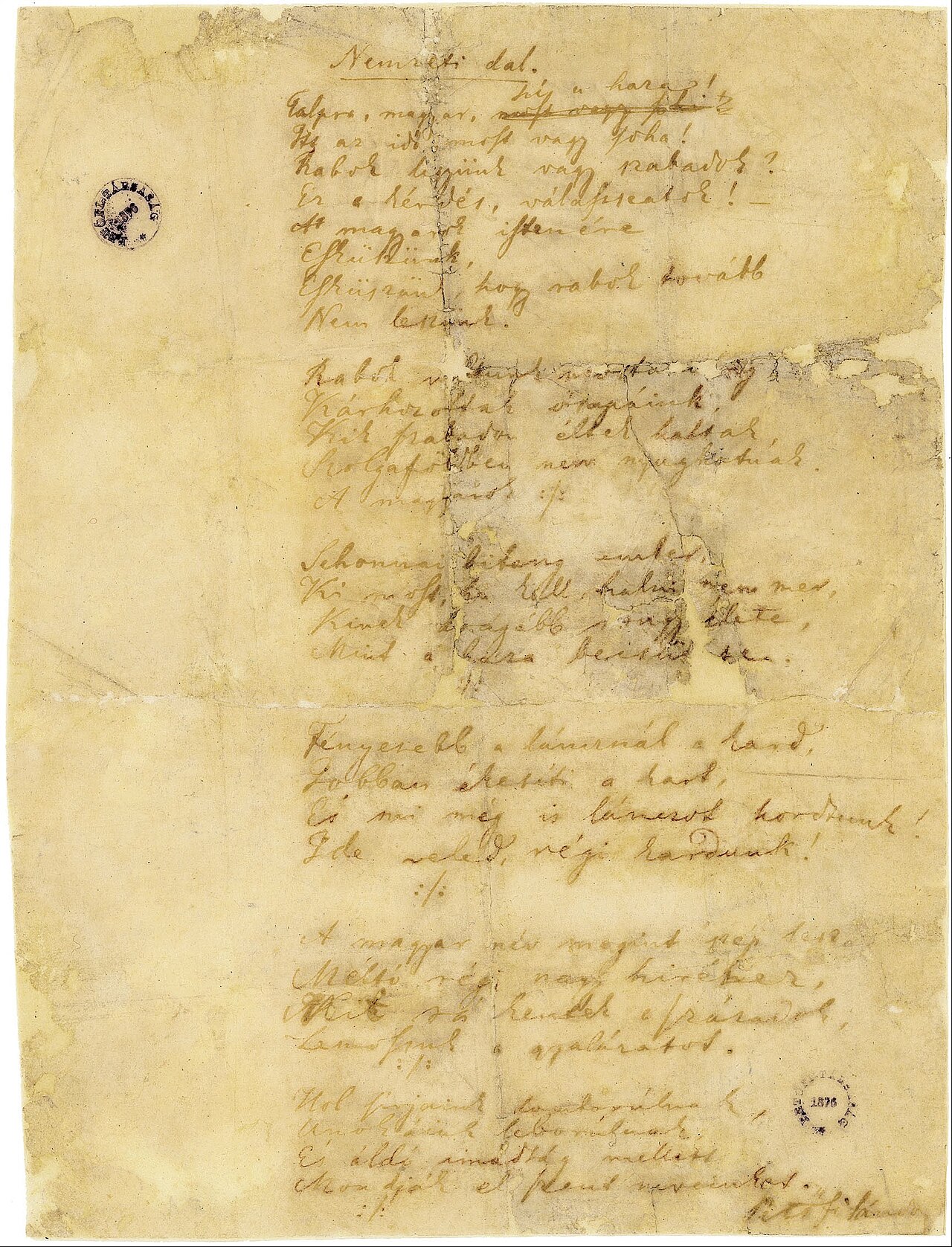 Book
Primary source
Nemzeti dal
Sándor Petőfi · 13 March 1848
 Document
Primary source
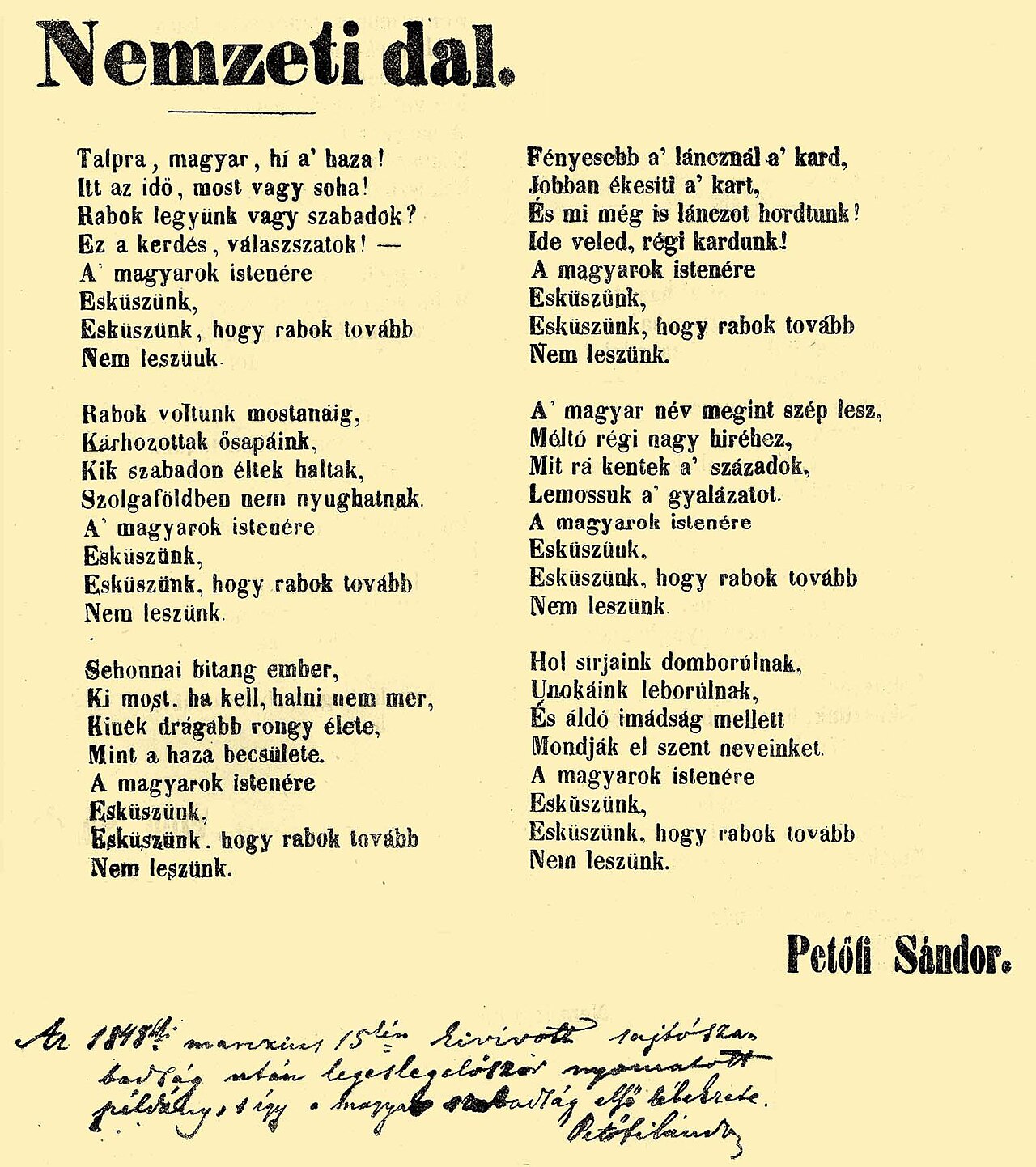
Nemzetidal broadside
Sándor Petőfi · 15 March 1848
 Book
Primary source
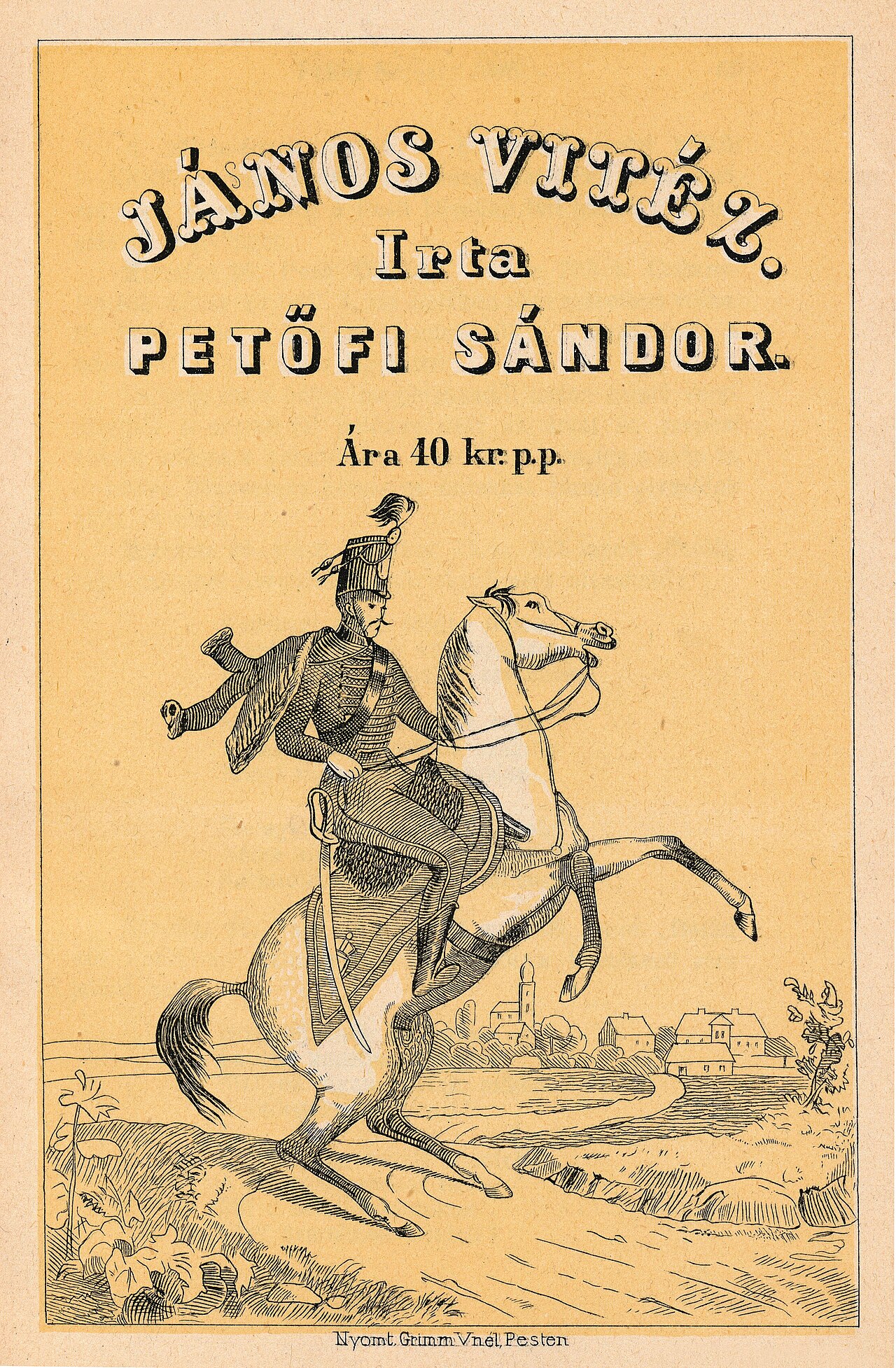
János vitéz
Sándor Petőfi · 1845 (written 1844)
 Photograph
Primary source
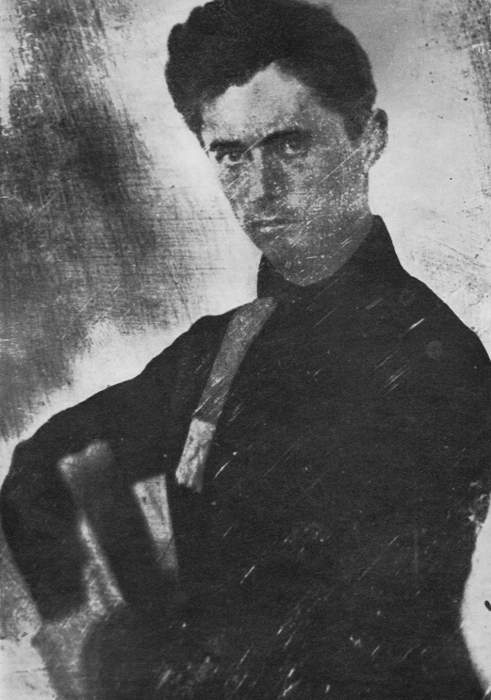
Sándor Petőfi
Gábor Egressy · 1844
 Painting
Primary source
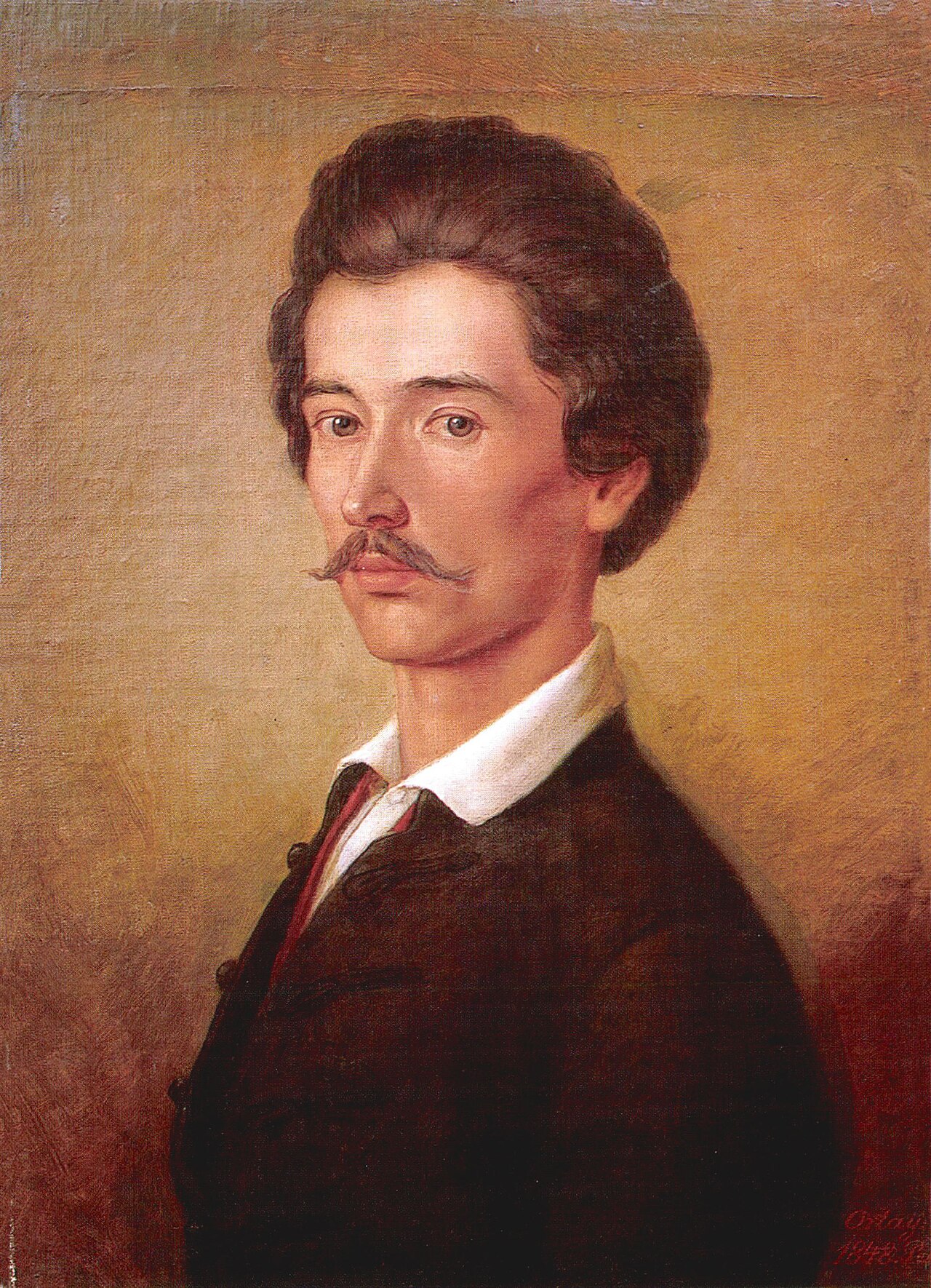
Portrait of Sándor Petőfi
Orlai Petrich Soma
Ready when you are
Start chatting with Sándor Petőfi now.
20 messages free · No credit card · Available in 50+ languages.