


Primary sourceBook1923
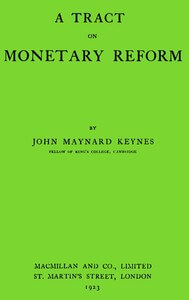
A Tract on Monetary Reform
John Maynard Keynes · 1923
Keynes's 1923 book arguing against a rigid gold standard, source of his famous remark about the long run.
Keynes wrote this book himself, showing his evolving economic thought after Versailles.
About this source
What it is
Published in 1923 by Macmillan and Co., this book was written by John Maynard Keynes during a period of monetary instability after the First World War, as countries debated returning to the gold standard.
Why it matters
Keynes argued that countries should aim for stable domestic prices rather than fixed exchange rates, and he called the gold standard a 'barbarous relic.' He proposed a gradual adjustment of exchange rates instead of rigid fixing or free floating. The book shows Keynes moving away from classical economic thinking toward the ideas that would later define his influential theories, and it contains his famous line that in the long run we are all dead.
Look closer
- Why might Keynes prefer stable prices at home over a fixed exchange rate?
- What does calling the gold standard a 'barbarous relic' tell you about his attitude to tradition?
- How could ideas written in 1923 still matter to monetary policy debates today?
This book is part of the curated material that grounds the AI version of John Maynard Keynes on Humy.ai — when students ask about related events, the AI can quote it and cite it.
More John Maynard Keynes sources
Browse all 59 →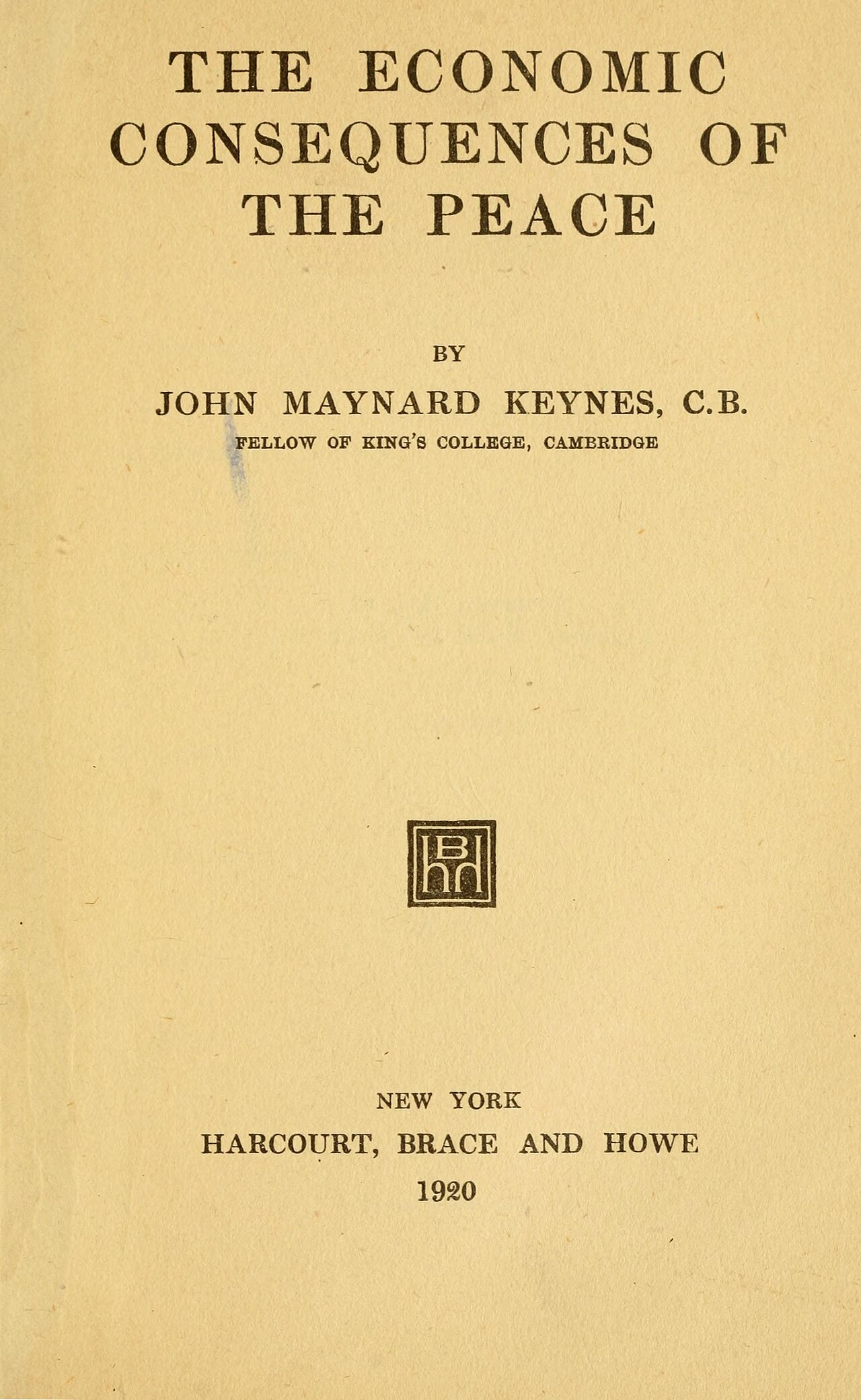 Book
Primary source
The Economic Consequences of the Peace
John Maynard Keynes · 1919
 Artifact
Secondary source
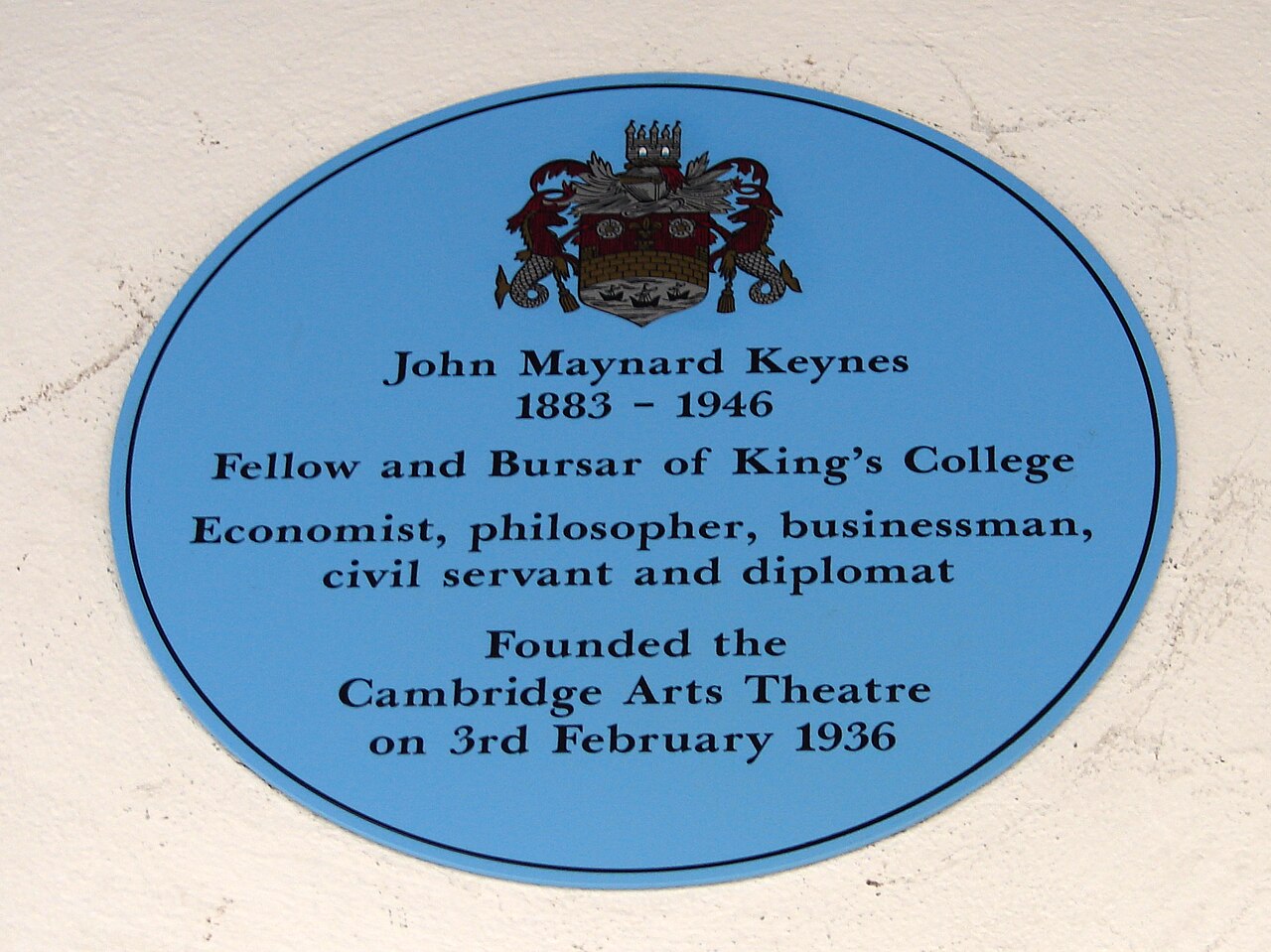
Commemorative plaque to John Maynard Keynes, Cambridge
 Letter
Primary source
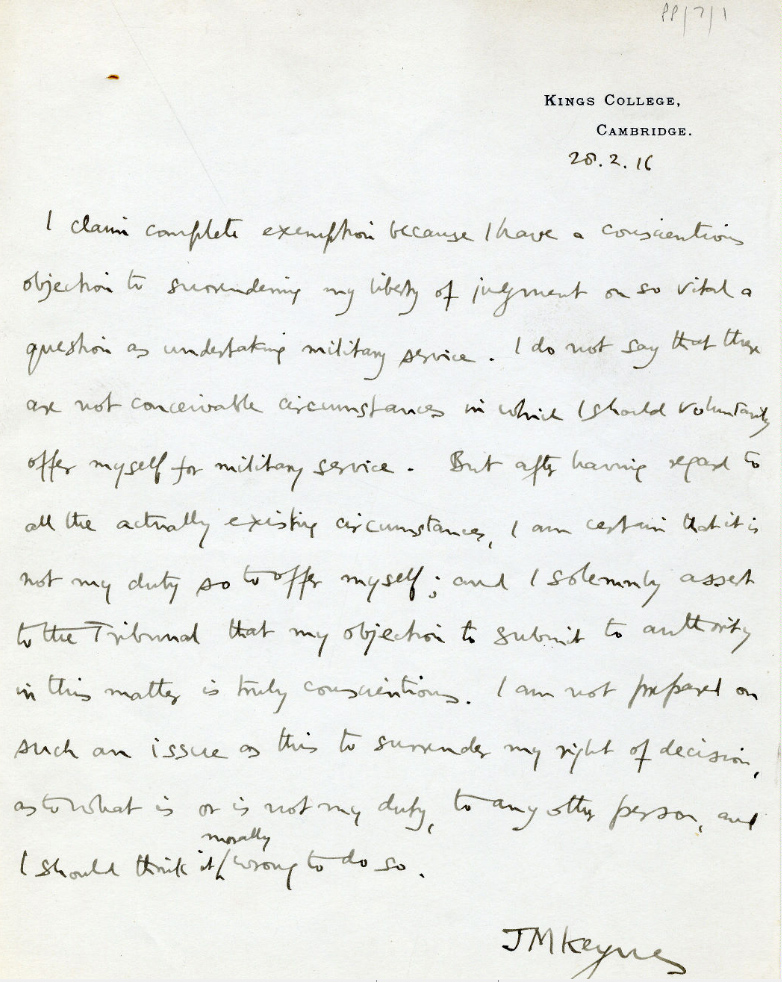
Statement to the Holborn Local Tribunal
John Maynard Keynes · 28 February 1916
 Book
Secondary source
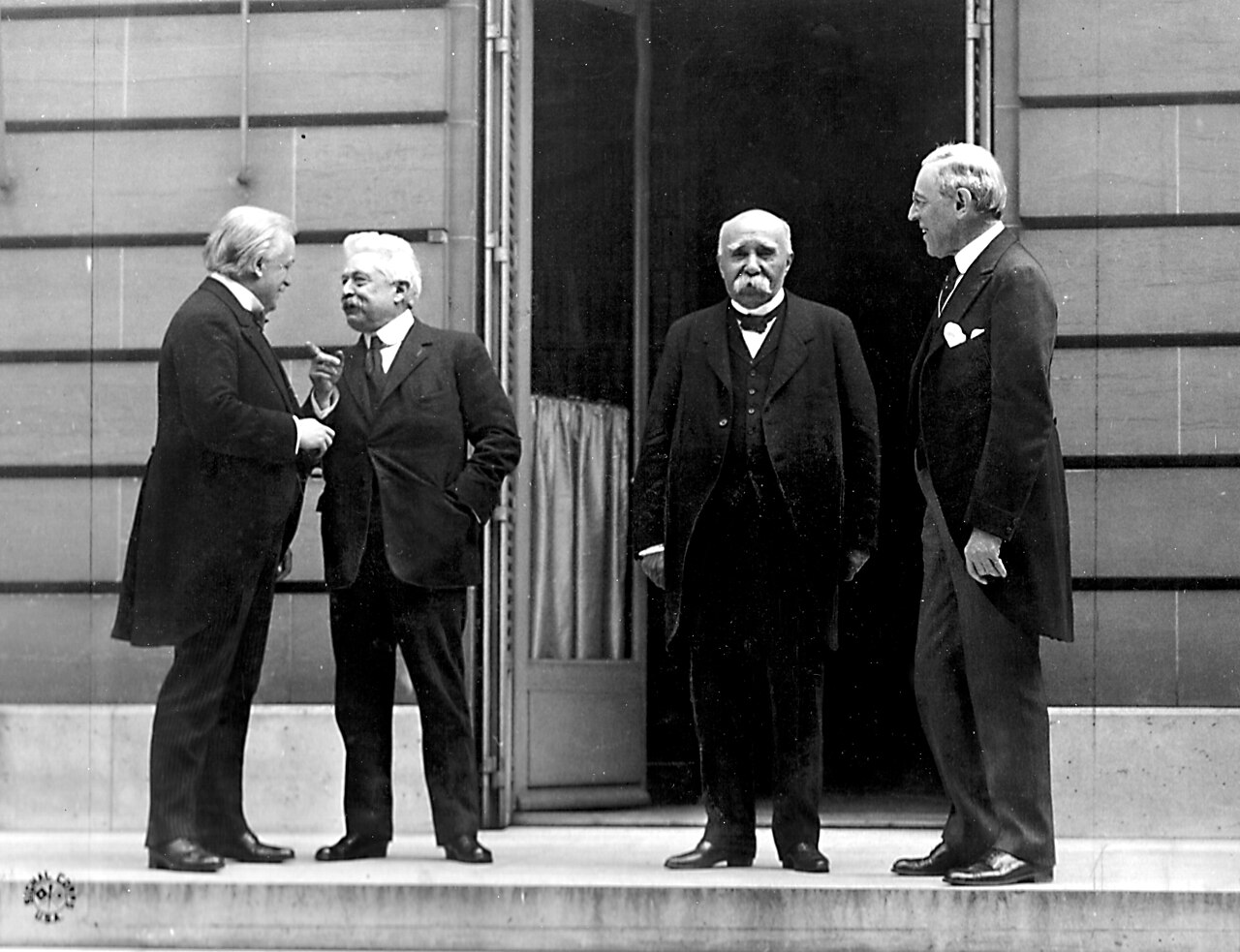
The Economic Consequences of the Peace (overview)
John Maynard Keynes · 1919
Free account
Browse every John Maynard Keynes source
Sign up free →
Ready when you are
Start chatting with John Maynard Keynes now.
20 messages free · No credit card · Available in 50+ languages.