


Primary sourceBook1903
After the Ball
Leo Tolstoy · 1903
A short story by Tolstoy in which witnessing a brutal flogging destroys the narrator's love, reflecting Tolstoy's horror at state violence.
Written by Tolstoy, this story shows his moral condemnation of military violence through a fictionalized family event.
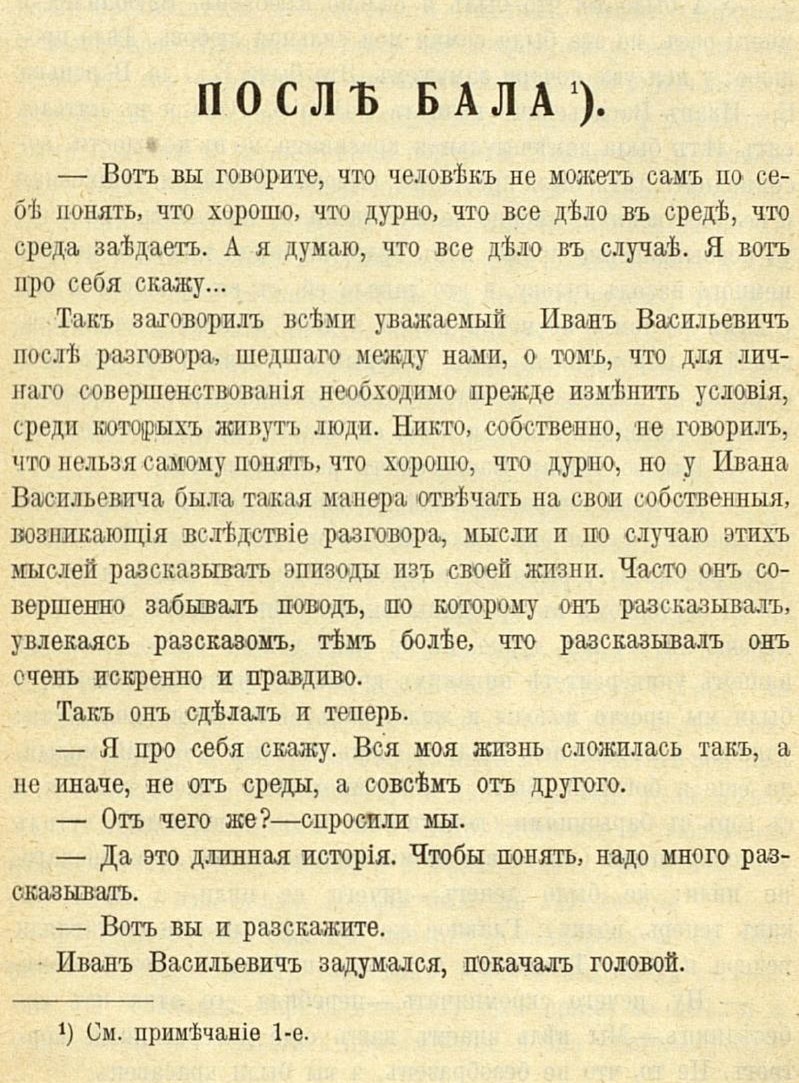
About this source
What it is
A short story written by Leo Tolstoy in 1903 and published after his death in 1911. It tells of a man, Ivan Vasilievich, whose love for a colonel's daughter dies after he witnesses her father overseeing the brutal flogging of a soldier.
Why it matters
Tolstoy based the story partly on events involving his own brother Sergei, who abandoned his engagement after witnessing similar cruelty. The story reuses themes from Tolstoy's other works and reflects his deep moral objection to military discipline and state violence, contrasting the refined culture of the ballroom with the brutality hidden behind it.
Look closer
- Why does Tolstoy place the ball and the flogging so close together in the story?
- What does the symbol of the colonel's glove suggest changes meaning across the story?
- Why might Tolstoy have based this fiction on a real family event?
This book is part of the curated material that grounds the AI version of Leo Tolstoy on Humy.ai — when students ask about related events, the AI can quote it and cite it.
More Leo Tolstoy sources
Meet the AI Leo Tolstoy →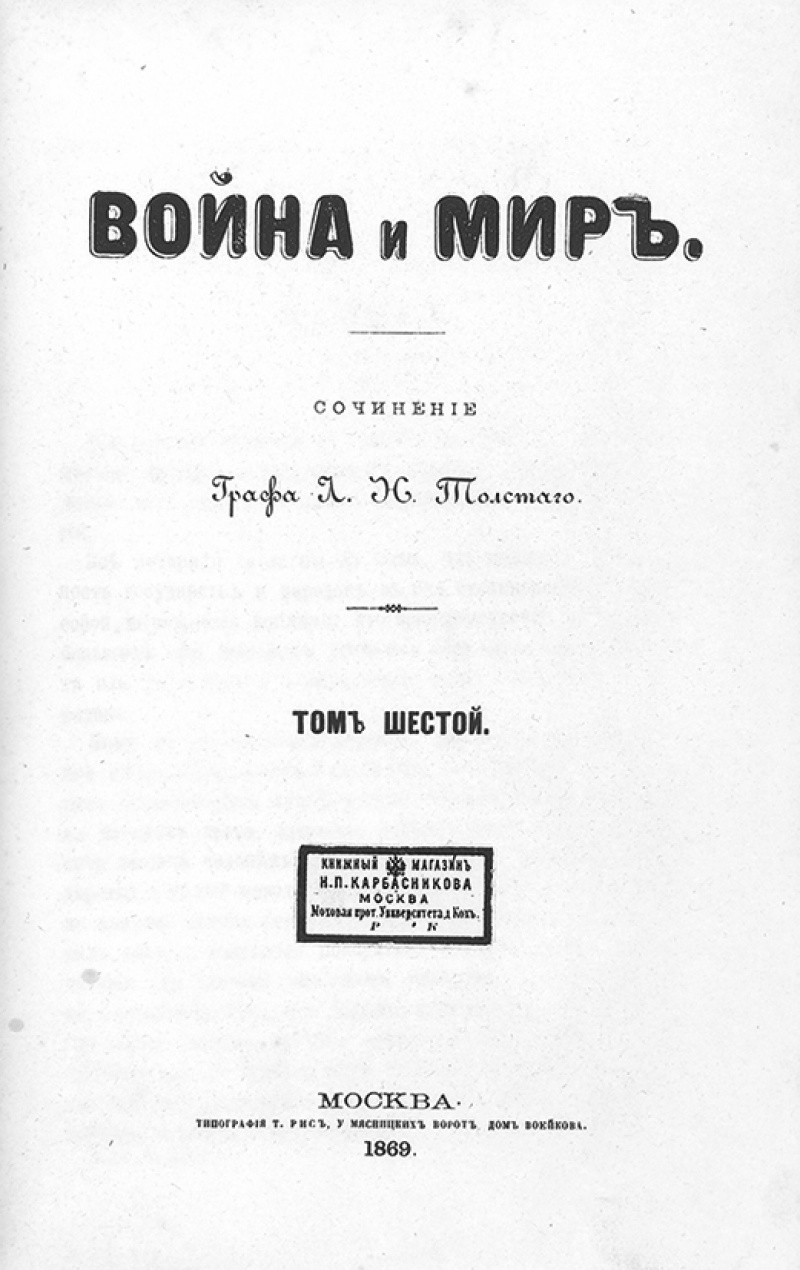 Book
Primary source
War and Peace
Leo Tolstoy · 1863–1869
 Photograph
Secondary source
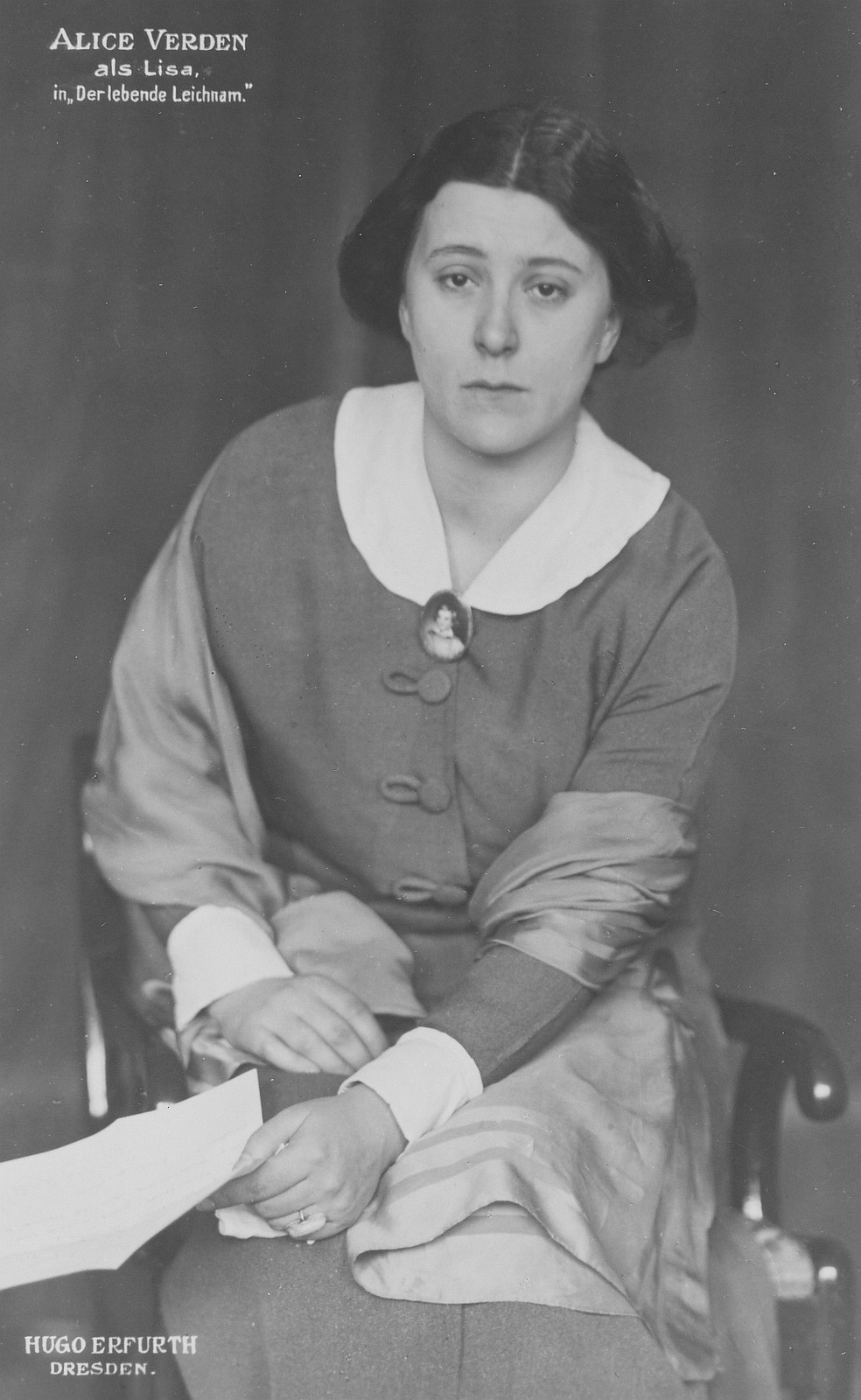
Alice Verden as Lisa in The Living Corpse
Hugo Erfurth · 23 December 1913
 Book
Primary source
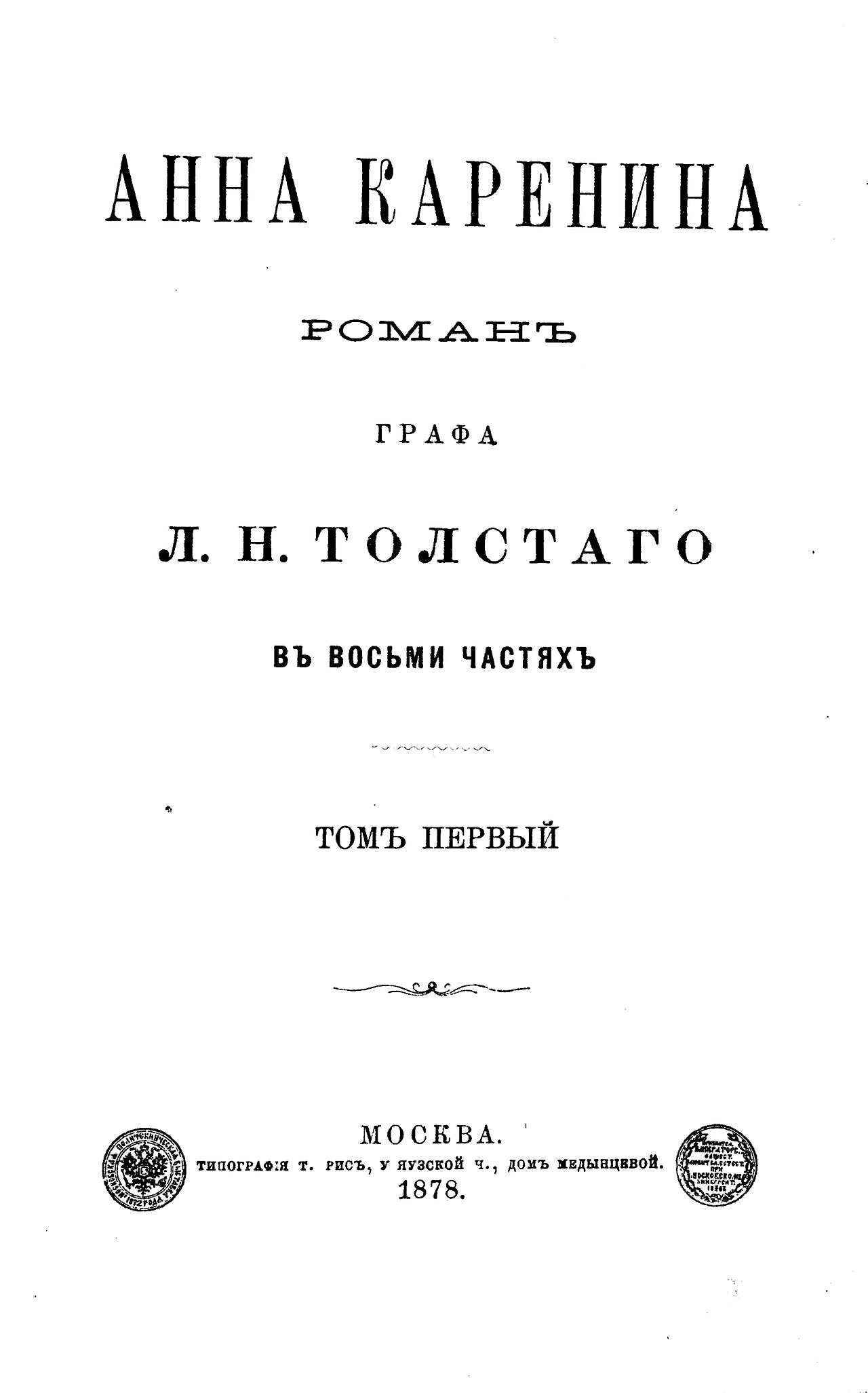
Anna Karenina
Leo Tolstoy · 1875–1878
 Book
Primary source
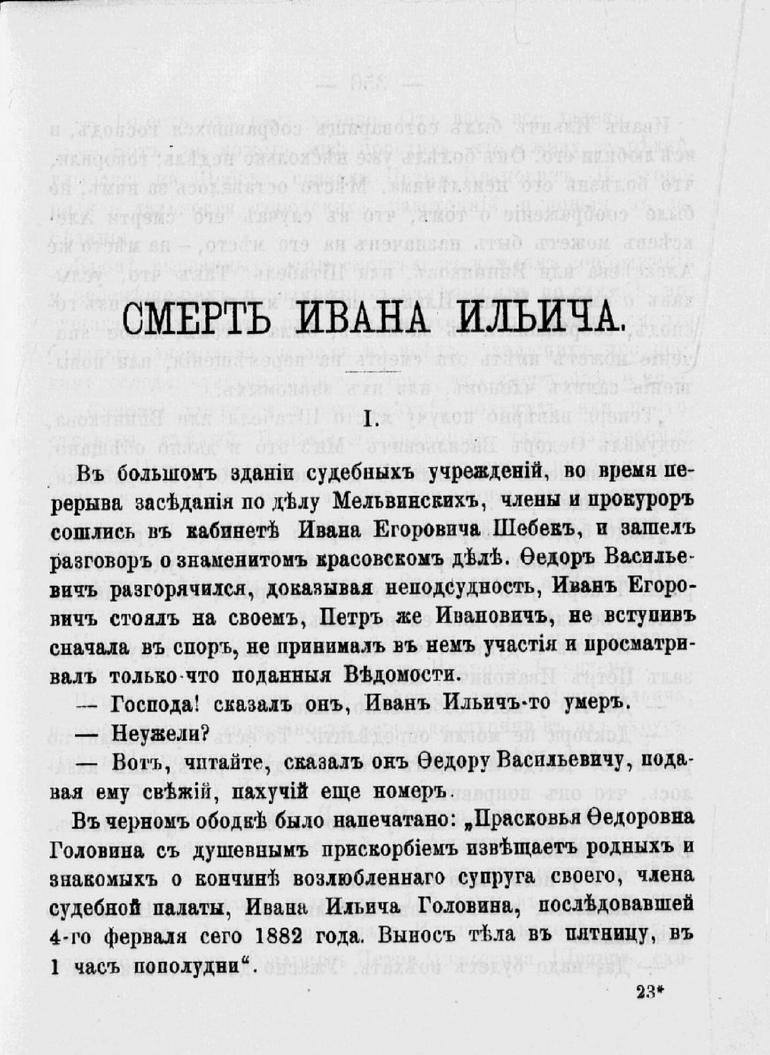
The Death of Ivan Ilyich
Leo Tolstoy · 1886 (written 1882)
Primary source
A Confession
Leo Tolstoy · written 1879–1880, published 1882
Ready when you are
Start chatting with Leo Tolstoy now.
20 messages free · No credit card · Available in 50+ languages.