


Primary sourceDocument1918
After You've Gone
Turner Layton · 1918
A 1918 popular song by Turner Layton and Henry Creamer that Bessie Smith recorded in 1927, demonstrating her ability to blend blues phrasing with Tin Pan Alley songwriting.
Bessie Smith's 1927 recording of this standard shows her applying blues phrasing to popular song material.

About this source
What it is
This is the sheet music for "After You've Gone", a 1918 song composed by Turner Layton with lyrics by Henry Creamer. It became a jazz standard, later recorded by many musicians. Bessie Smith recorded her own version in 1927.
Why it matters
The song's popularity grew to the point that its sheet music featured small photographs of dozens of men credited with making it famous, including major bandleaders and musicians of the era. Bessie Smith's recording shows how blues singers crossed into popular song repertoire, applying their own vocal style to music written for a broader audience.
Look closer
- What does the artwork on the sheet music cover suggest about the song's emotional tone?
- Why do you think songwriters of this era, including Layton, sometimes borrowed melodic phrases from other hit songs?
- How might Bessie Smith's blues background have changed the way she performed this song compared to other singers?
This document is part of the curated material that grounds the AI version of Bessie Smith on Humy.ai — when students ask about related events, the AI can quote it and cite it.
More Bessie Smith sources
Meet the AI Bessie Smith →Primary source
Downhearted Blues
Alberta Hunter and Lovie Austin (composers), performed by Bessie Smith · February 1923
 Photograph
Primary source
Bessie Smith by Carl Van Vechten
Carl Van Vechten · 3 February 1936
 Photograph
Primary source
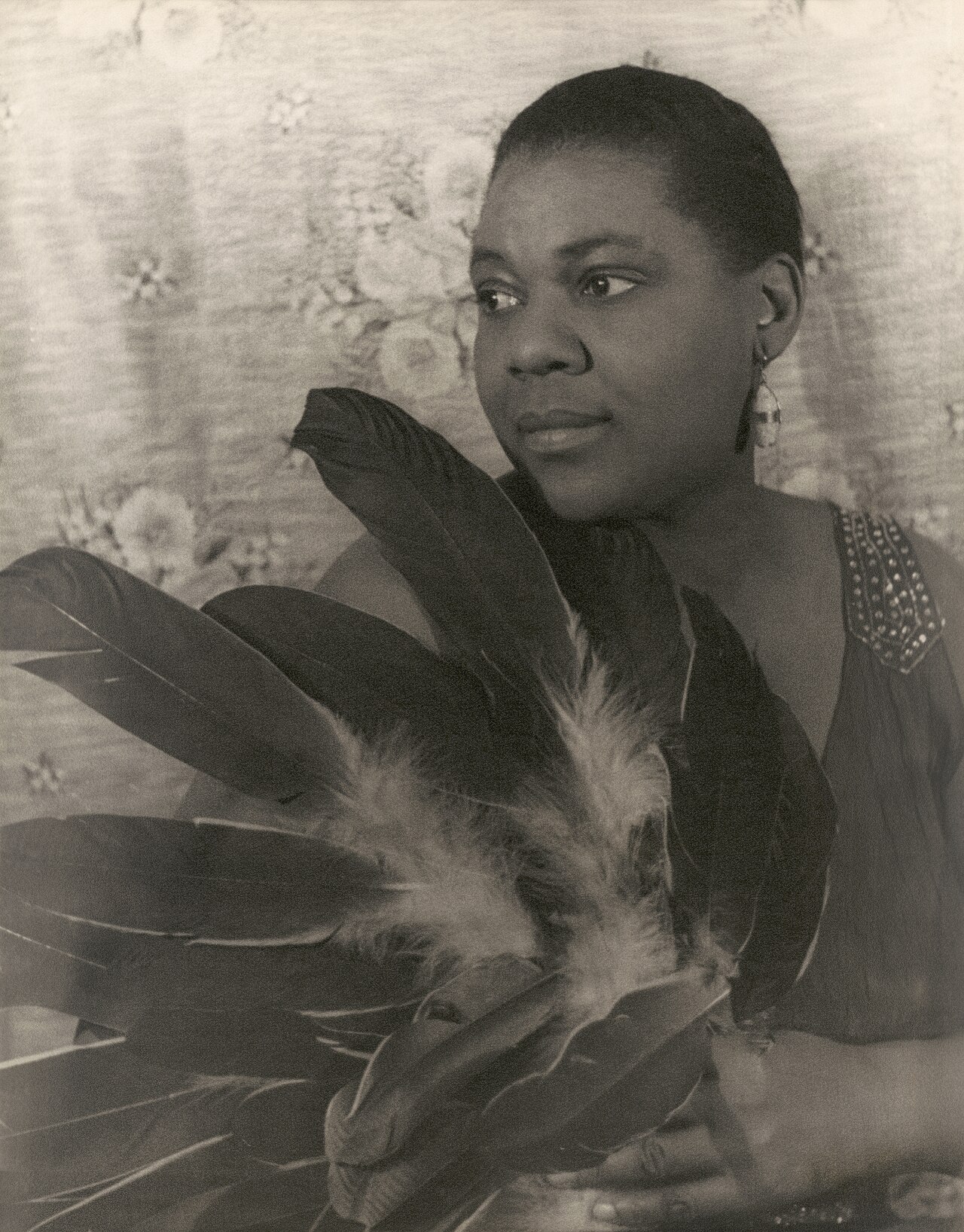
Bessie Smith Holding Feathers
Carl Van Vechten · 1936
Primary source
St. Louis Blues
Dudley Murphy · 1929
 Newspaper article
Primary source
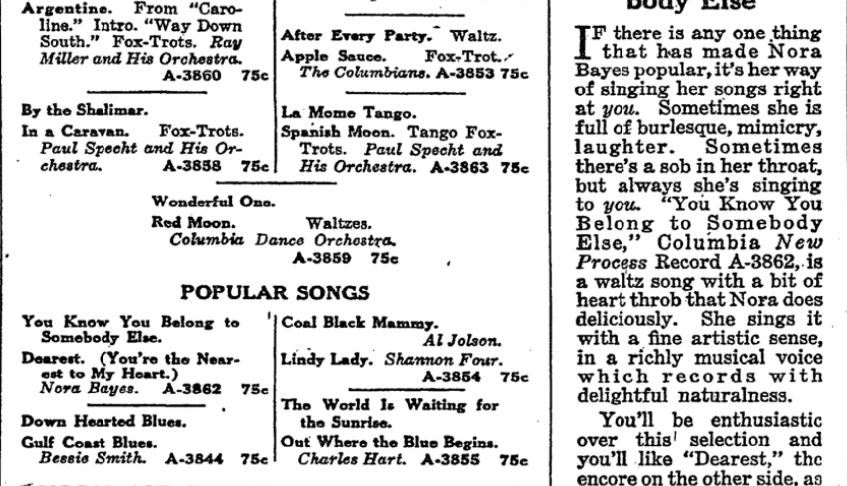
Columbia Records Advertisement for Bessie Smith's Debut Record
Columbia Records · 19 May 1923
Ready when you are
Start chatting with Bessie Smith now.
20 messages free · No credit card · Available in 50+ languages.