


Secondary sourceBook
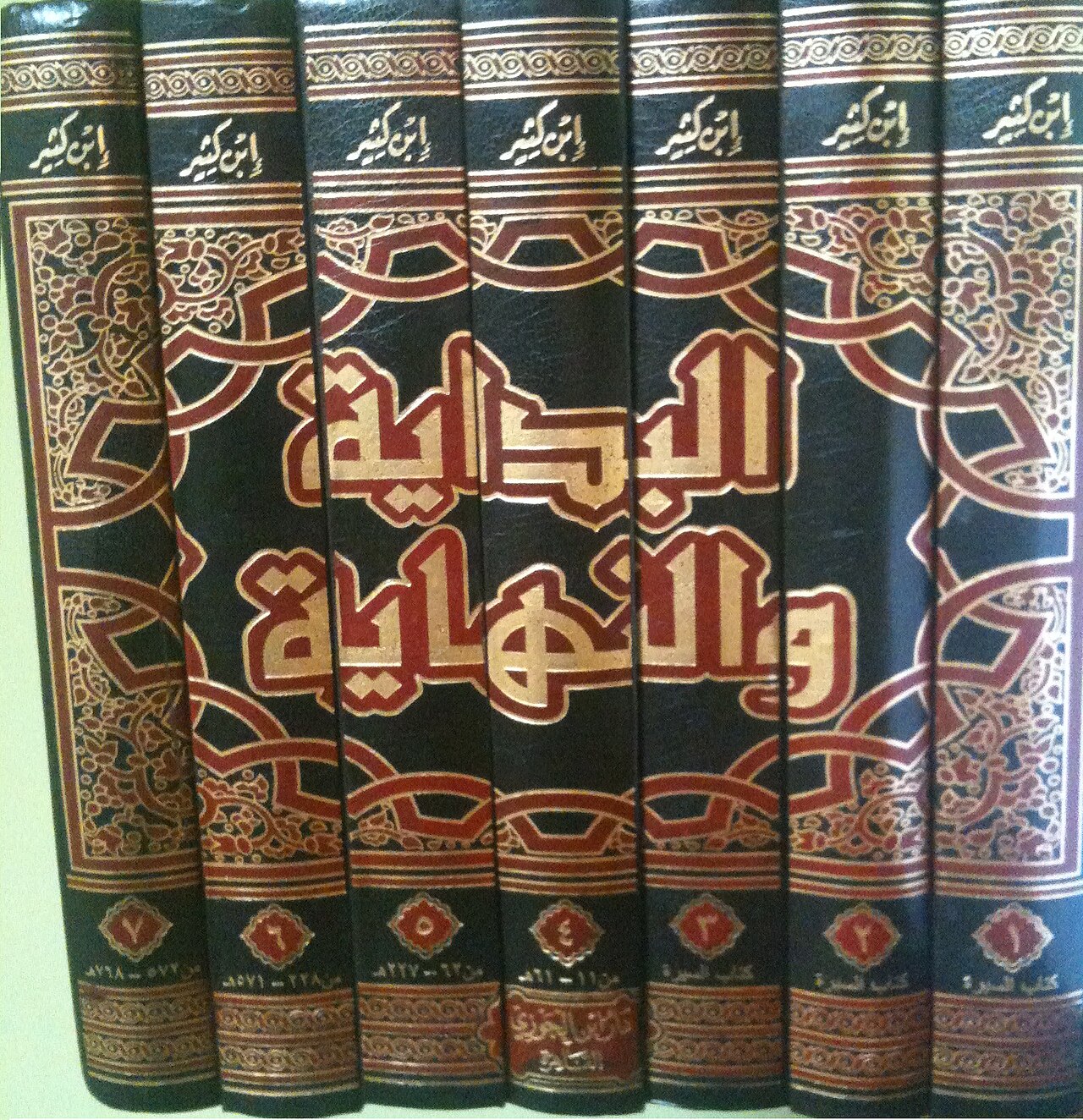
Al-Bidaya wa'l-Nihaya
Ibn Kathir
A later Islamic history by Ibn Kathir that records the classic Muslim account of Hulegu's 1258 sack of Baghdad and the death of the caliph.
Gives the later Muslim historical narrative of Hulegu's conquest of Baghdad and the caliph's death.
About this source
What it is
Al-Bidaya wa'l-Nihaya ("The Beginning and the End") is a multi-volume work on Islamic history written by the Sunni scholar Ibn Kathir, who died in 1373. It covers topics from creation and the prophets to predictions about the end of time.
Why it matters
Written generations after the events, this book gives the classic Muslim narrative of the Mongol destruction of Baghdad in 1258 and the death of the last Abbasid caliph, shaping how later generations remembered Hulegu and his conquests.
Look closer
- Why might a history written over a century after the events differ from an eyewitness account?
- What does the author's religious viewpoint tell us about how he might describe Hulegu?
- What questions would you ask to check this account against other sources?
This book is part of the curated material that grounds the AI version of Hulegu Khan, Abu Bakr, Khalid ibn al-Walid, Ibn Kathir, Husayn ibn Ali, Mu'awiya I, Khadija bint Khuwaylid, Hasan ibn Ali and Aisha on Humy.ai — when students ask about related events, the AI can quote it and cite it.
More Hulegu Khan sources
Browse all 68 →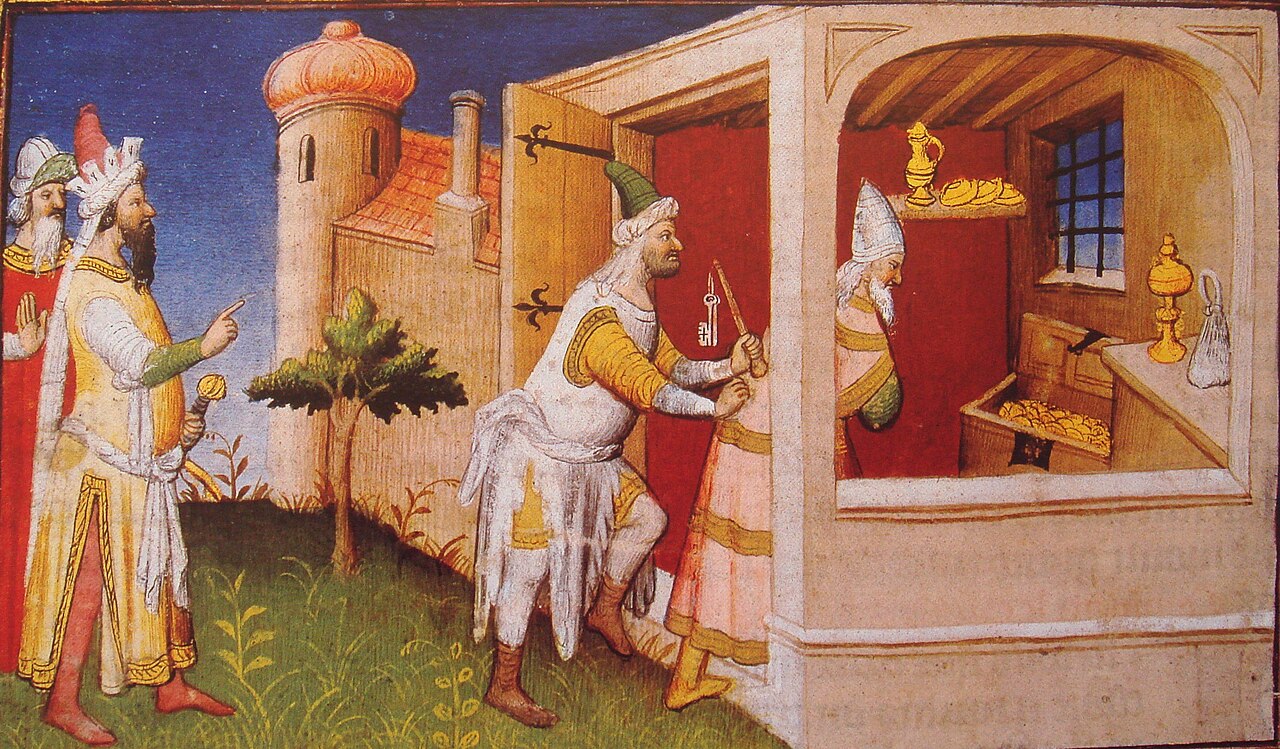 Painting
Secondary source
HulaguInBagdad
Maître de la Mazarine
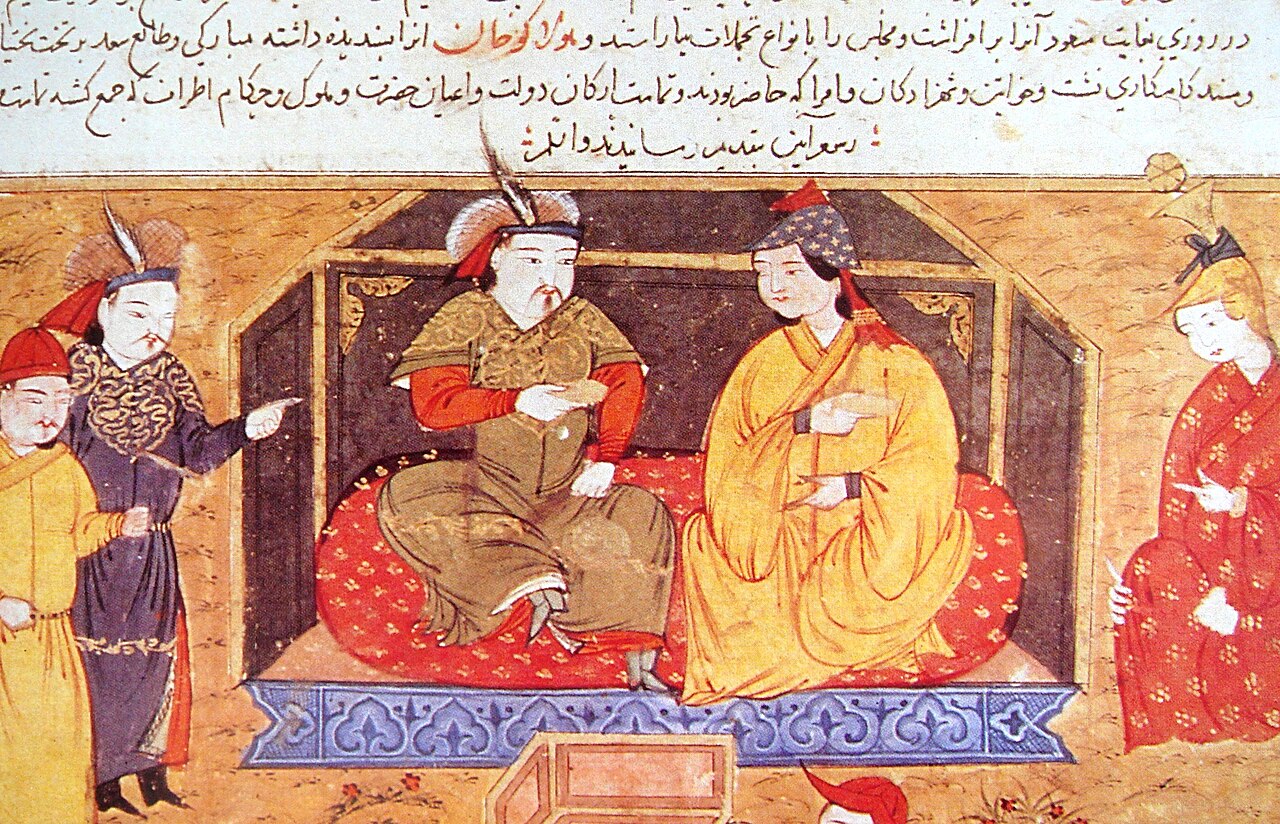 Painting
Secondary source
Hulagu and Doquz Khatun Enthroned
Rashid al-Din
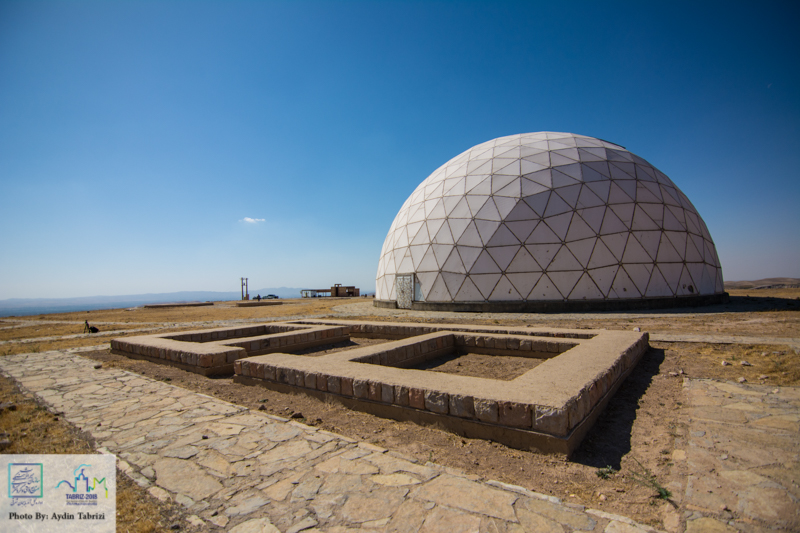 Artifact
Primary source
Maragheh Observatory
1259
 Painting
Secondary source
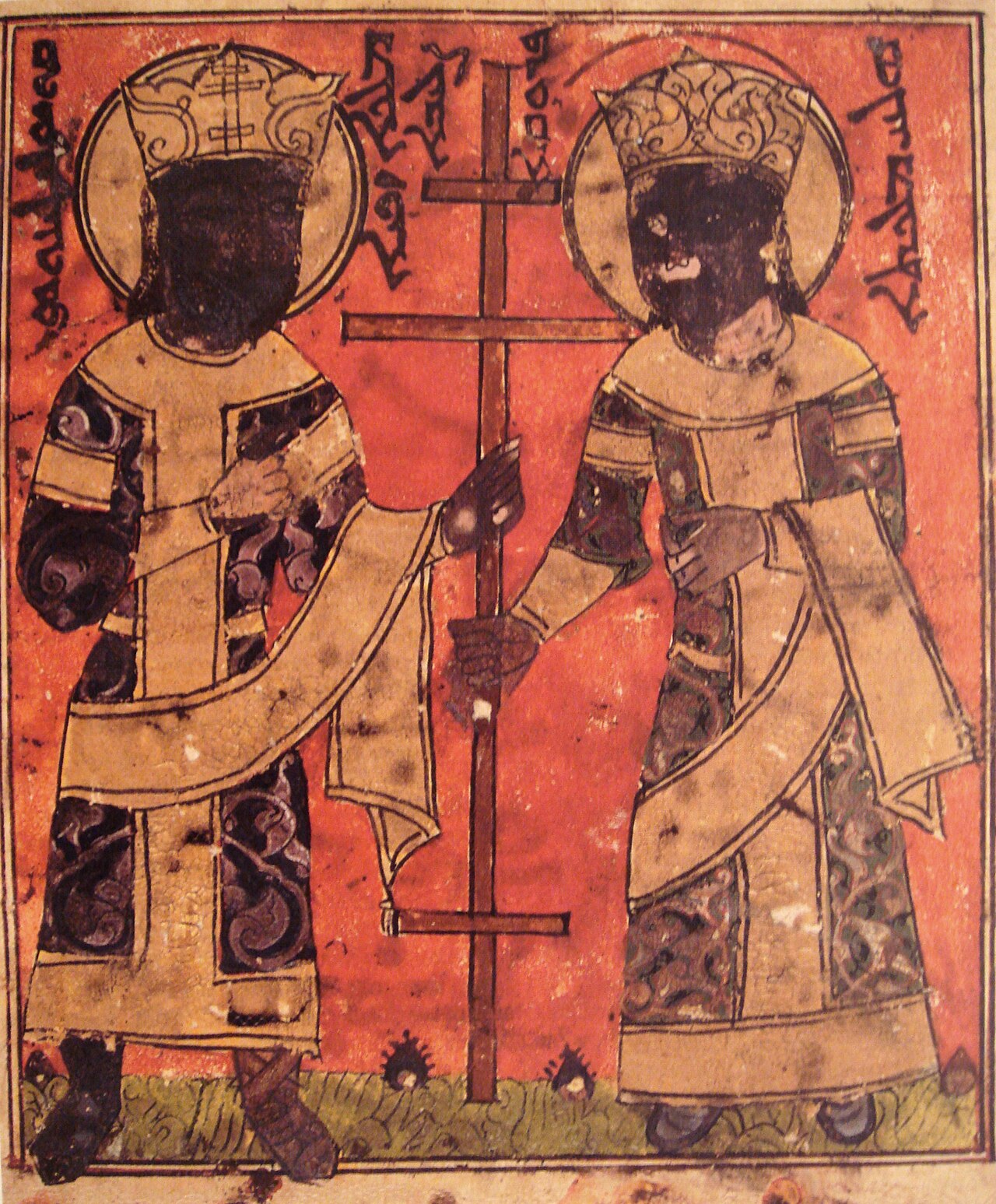
Hulagu and Doquz-Qatun in Syriac Bible
Unknown
Free account
Read every Hulegu Khan source
Sign up free →
Ready when you are
Start chatting with Hulegu Khan now.
20 messages free · No credit card · Available in 50+ languages.