


Secondary sourcePaintingc. 1587–1589
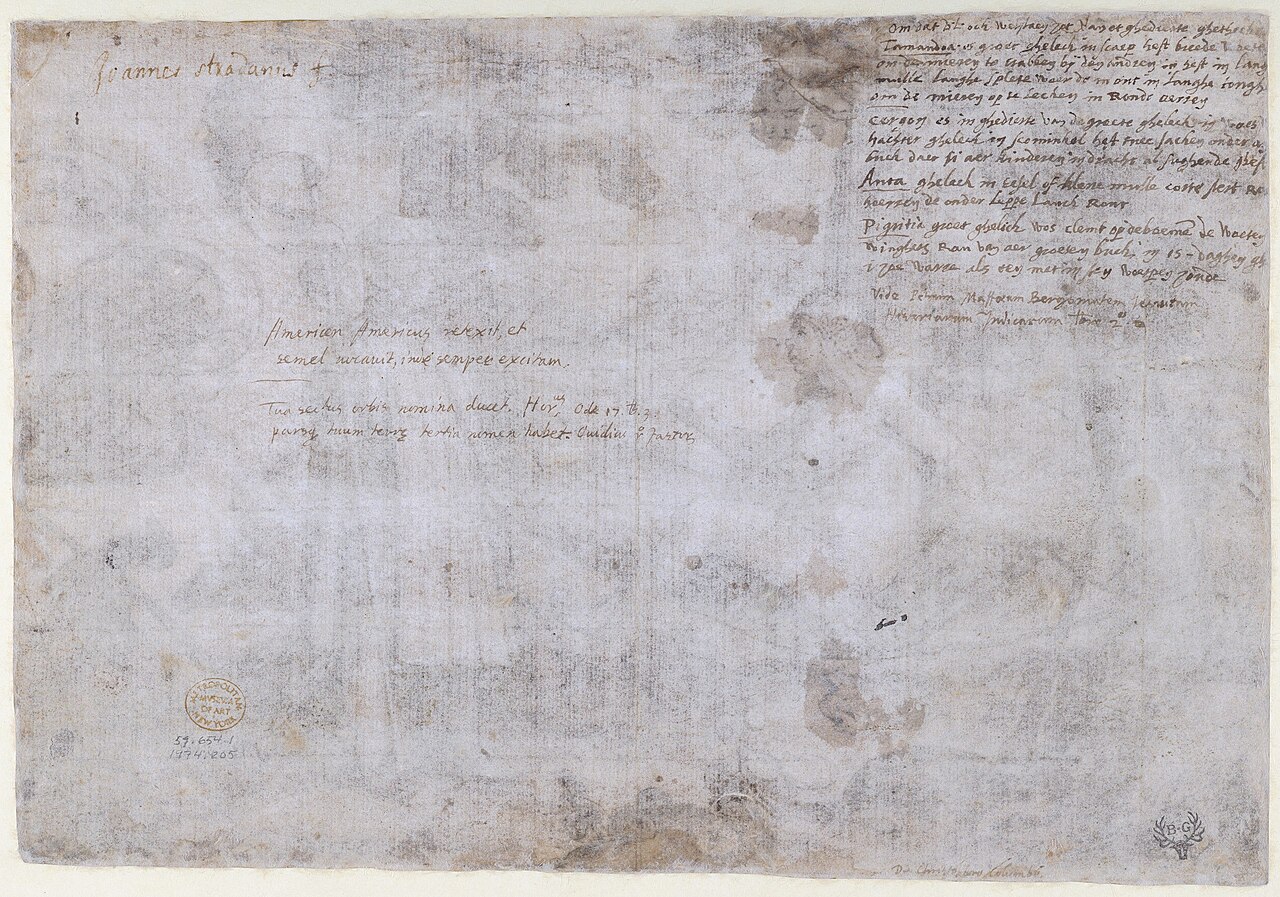
Allegory of America (drawing for Nova Reperta)
Jan van der Straet (Stradanus) · c. 1587–1589
A drawing by Stradanus showing Amerigo Vespucci 'awakening' a personified America, an image that shaped how Europeans pictured the discovery of the New World.
This allegorical drawing depicts Vespucci 'discovering' America, shaping centuries of imagery about him.
Free Humy account · No credit card · 120,912 sources to read
About this source
What it is
This pen drawing by Flemish artist Jan van der Straet (Stradanus), made around 1587–1589, shows Amerigo Vespucci holding an astrolabe beside a reclining Indigenous woman representing America. It is held at the Metropolitan Museum of Art and was created as a design for a print in the Nova Reperta series.
Why it matters
This allegorical image became one of the most influential visual symbols of the European encounter with the Americas. It has been argued that Stradanus, and the Florentine patrons behind this series, wanted to emphasize Florence's role in the discovery of America through its native son Vespucci. The image shaped European ideas about the New World for generations.
Look closer
- What is Vespucci shown doing, and what might that posture suggest about who holds power in this scene?
- How is the figure representing America portrayed, and what does that reveal about European attitudes at the time?
- Whose perspective is missing from this image?
This painting is part of the curated material that grounds the AI version of Amerigo Vespucci on Humy.ai — when students ask about related events, the AI can quote it and cite it.
More Amerigo Vespucci sources
Browse all 90 →Primary source
Mundus Novus
Amerigo Vespucci · 1503
 Document
Primary source
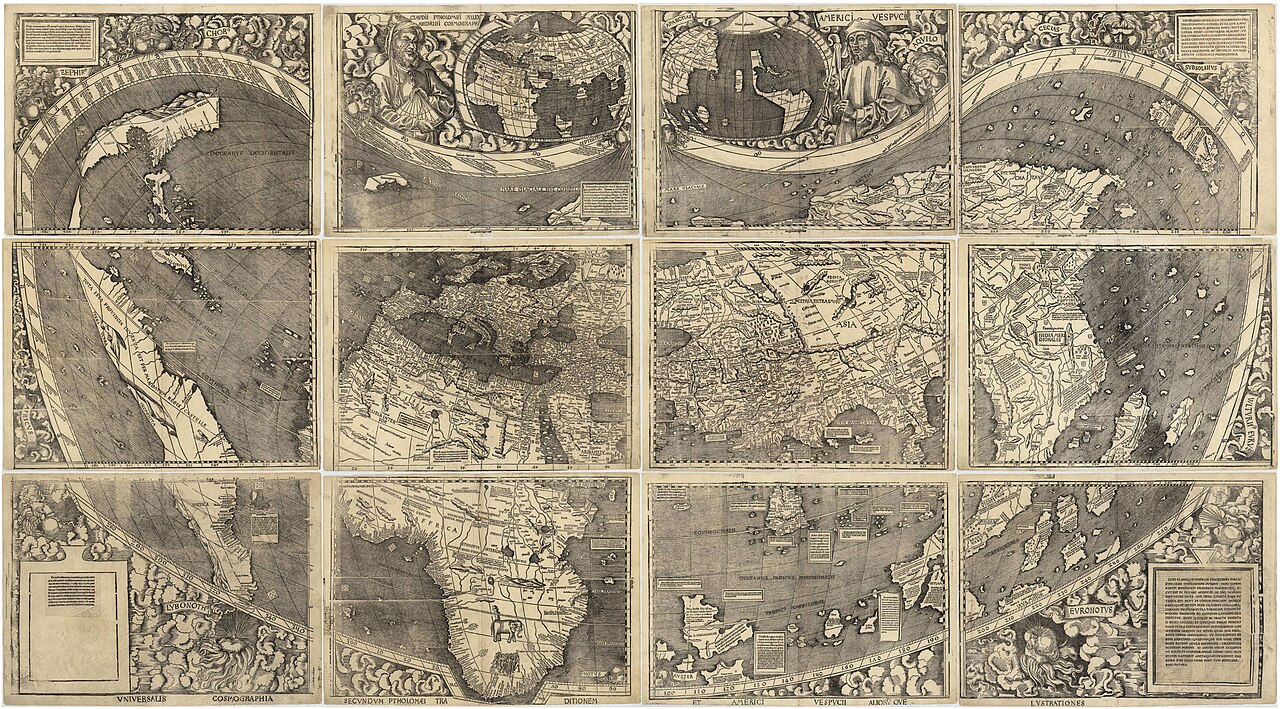
Waldseemüller map
Martin Waldseemüller · 1507
 Book
Secondary source
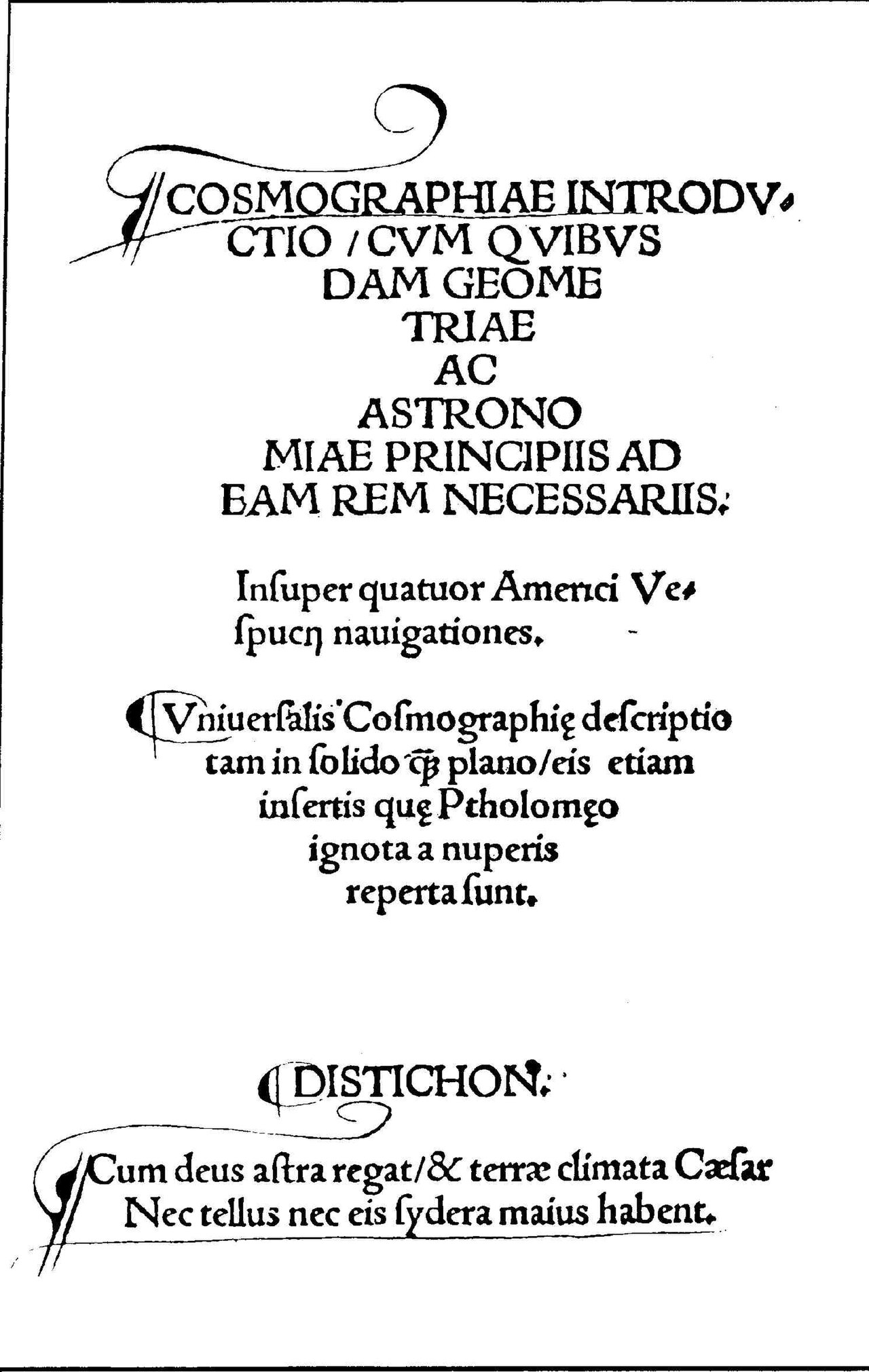
Cosmographiae Introductio
Matthias Ringmann · 1507
 Painting
Primary source
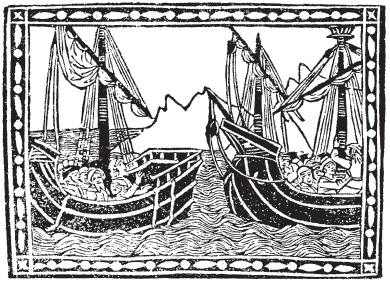
Vespucci's Second Voyage, from Letter to Soderini
c. 1505 (printed edition of a 1504 letter)

Free account
Read every Amerigo Vespucci source
Sign up free →
Ready when you are
Start chatting with Amerigo Vespucci now.
20 messages free · No credit card · Available in 50+ languages.