


Primary sourceDocument1928
An American in Paris
George Gershwin · 1928
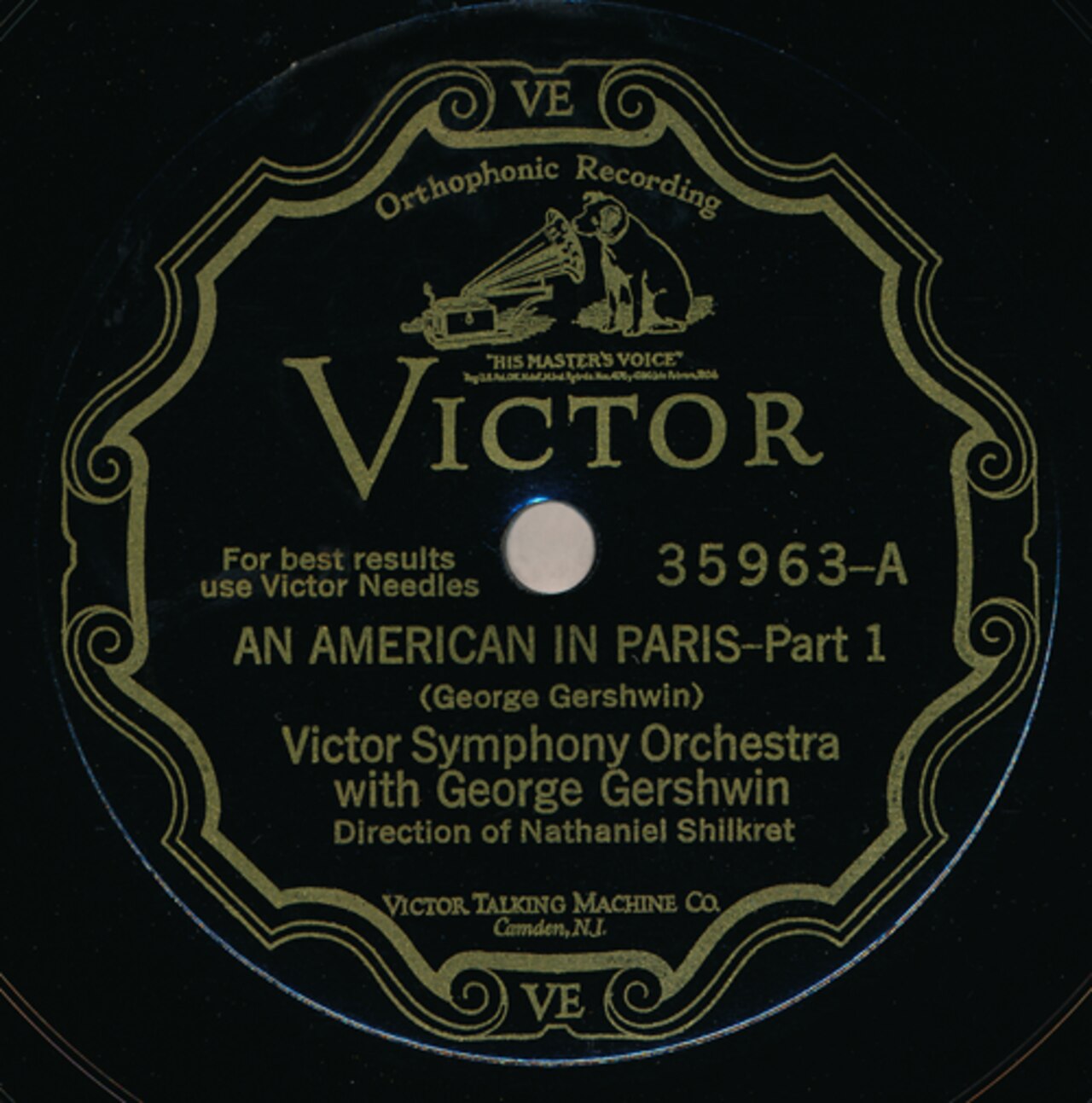
Gershwin's 1928 orchestral tone poem inspired by his time in Paris, featuring taxi horns he brought back from the city.
Gershwin composed and orchestrated this piece after his own stay in Paris, reflecting his personal experiences there.
About this source
What it is
An American in Paris is a symphonic tone poem written by George Gershwin, first performed in 1928 at Carnegie Hall under conductor Walter Damrosch. Gershwin scored it for a full orchestra plus taxi horns, which he brought back from Paris himself.
Why it matters
The piece grew out of Gershwin's travels to Paris, where he met composers such as Maurice Ravel, and shows his ambition to write large orchestral works, not just songs and shows. It captures the sounds and mood of 1920s Paris as Gershwin experienced it, blending American jazz influences with the European classical tradition.
Look closer
- Why might Gershwin have wanted real taxi horns in an orchestral piece instead of imitating the sound with instruments?
- What does his trip to study with Ravel and Boulanger, who both said they could not teach him, suggest about Gershwin's musical identity?
- How might a piece 'about' Paris differ depending on whether an American or French composer wrote it?
This document is part of the curated material that grounds the AI version of George Gershwin on Humy.ai — when students ask about related events, the AI can quote it and cite it.
More George Gershwin sources
Browse all 99 →
Ready when you are
Start chatting with George Gershwin now.
20 messages free · No credit card · Available in 50+ languages.