


Secondary sourceArtifact1910
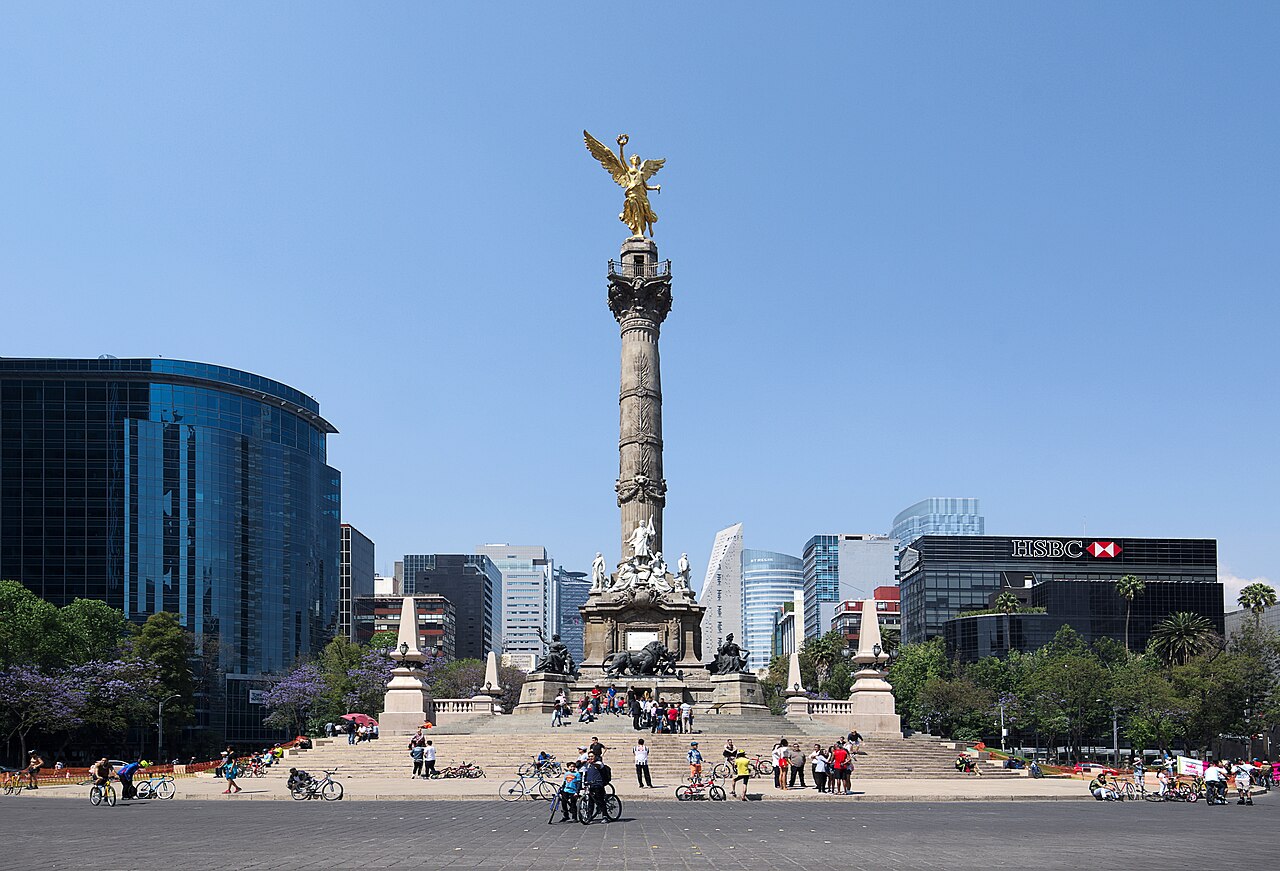
Angel of Independence
Antonio Rivas Mercado · 1910
A victory column and mausoleum in Mexico City built in 1910 to mark the centennial of independence, where Hidalgo's remains are kept.
This monument and mausoleum honors Hidalgo and houses his remains as a symbol of independence.
About this source
What it is
Officially the Monumento a la Independencia, this monument was built in 1910 by architect Antonio Rivas Mercado with sculptures by Enrique Alciati, for the centennial of Mexico's independence. It later became a mausoleum for independence heroes, including Hidalgo.
Why it matters
Inaugurated on the anniversary of the Grito de Dolores, Hidalgo's famous call to revolt, the monument shows how the government of Porfirio Díaz used public memory of Hidalgo and other heroes to build national identity. It remains a central symbol in Mexico City, used for both celebration and protest.
Look closer
- Why was this monument built exactly one hundred years after the start of independence?
- What might the broken chain and laurel crown held by the angel symbolize?
- How does housing Hidalgo's remains here change how people remember him?
This artifact is part of the curated material that grounds the AI version of Miguel Hidalgo y Costilla on Humy.ai — when students ask about related events, the AI can quote it and cite it.
More Miguel Hidalgo y Costilla sources
Meet the AI Miguel Hidalgo y Costilla →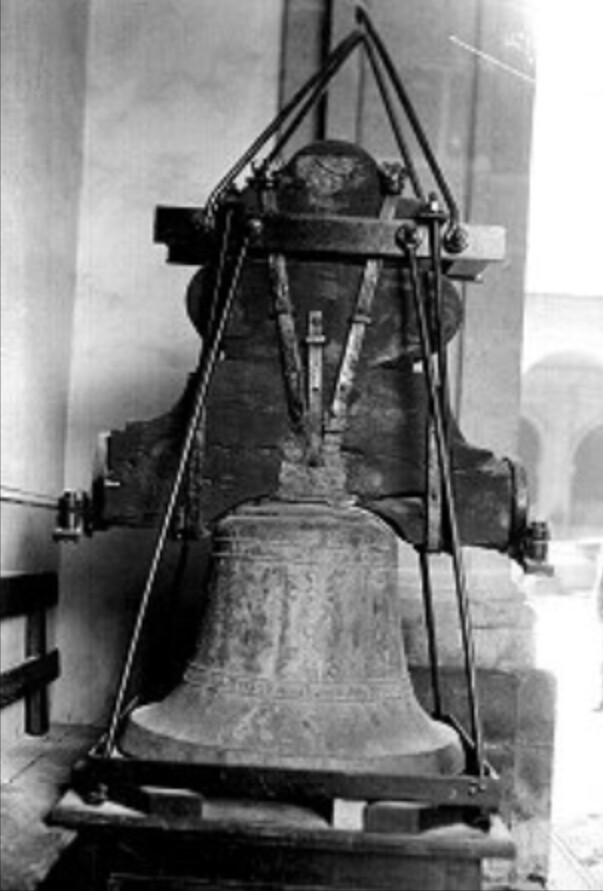 Speech
Secondary source
Grito de Dolores
Miguel Hidalgo y Costilla · 16 September 1810
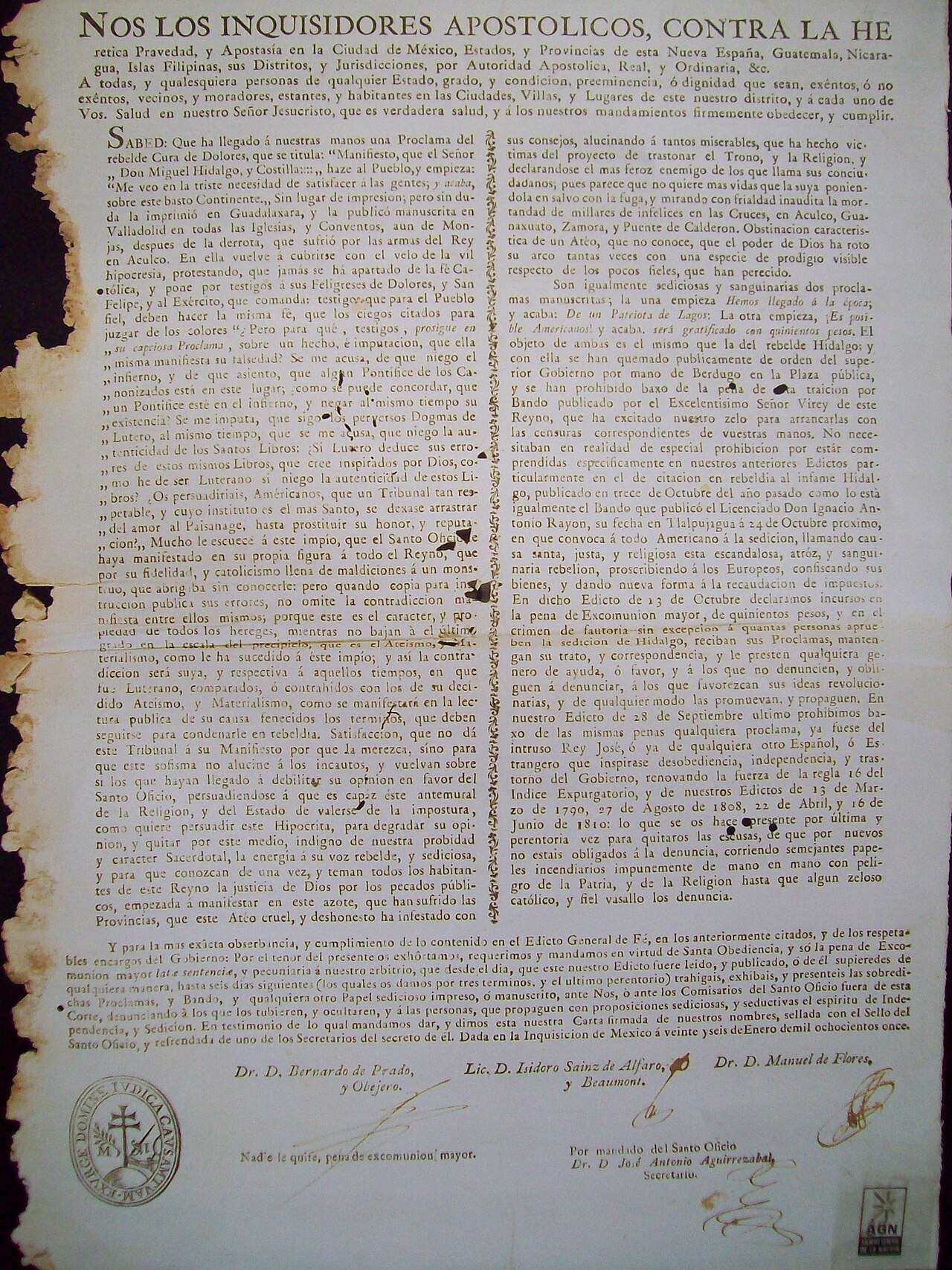 Document
Primary source
Edicto contra Hidalgo
Apostolic Inquisitors of New Spain · 1810
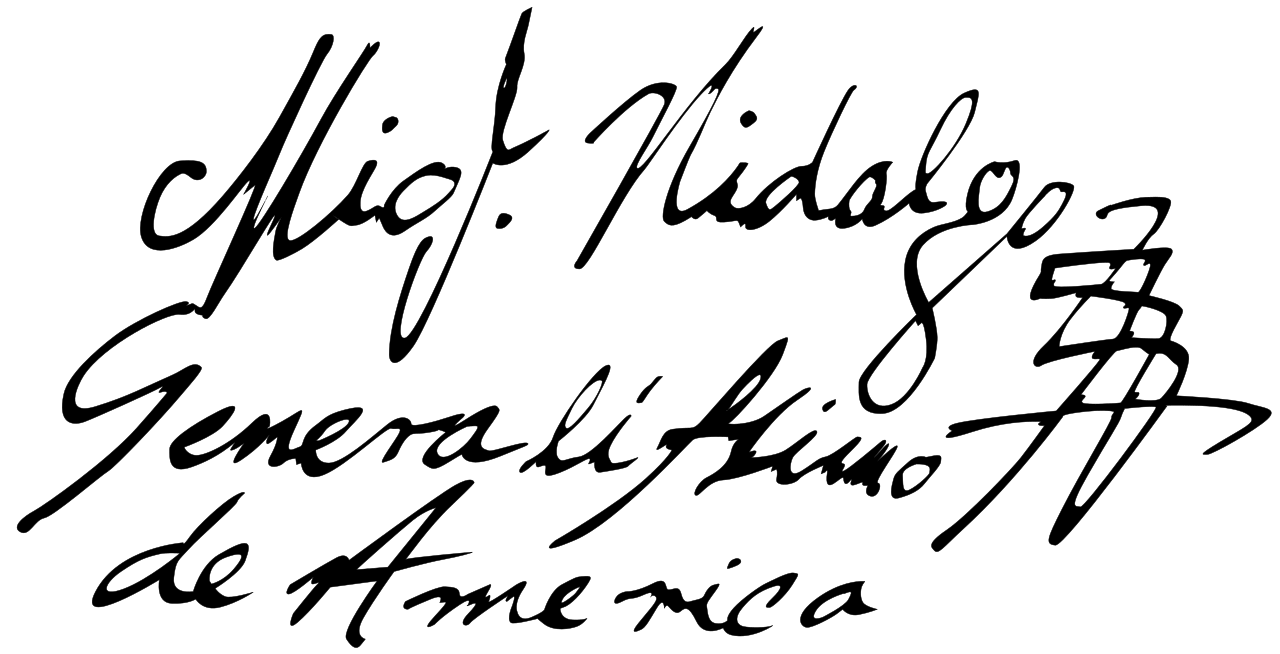 Document
Primary source
Signature of Miguel Hidalgo Y Costilla
Miguel Hidalgo y Costilla
 Artifact
Secondary source
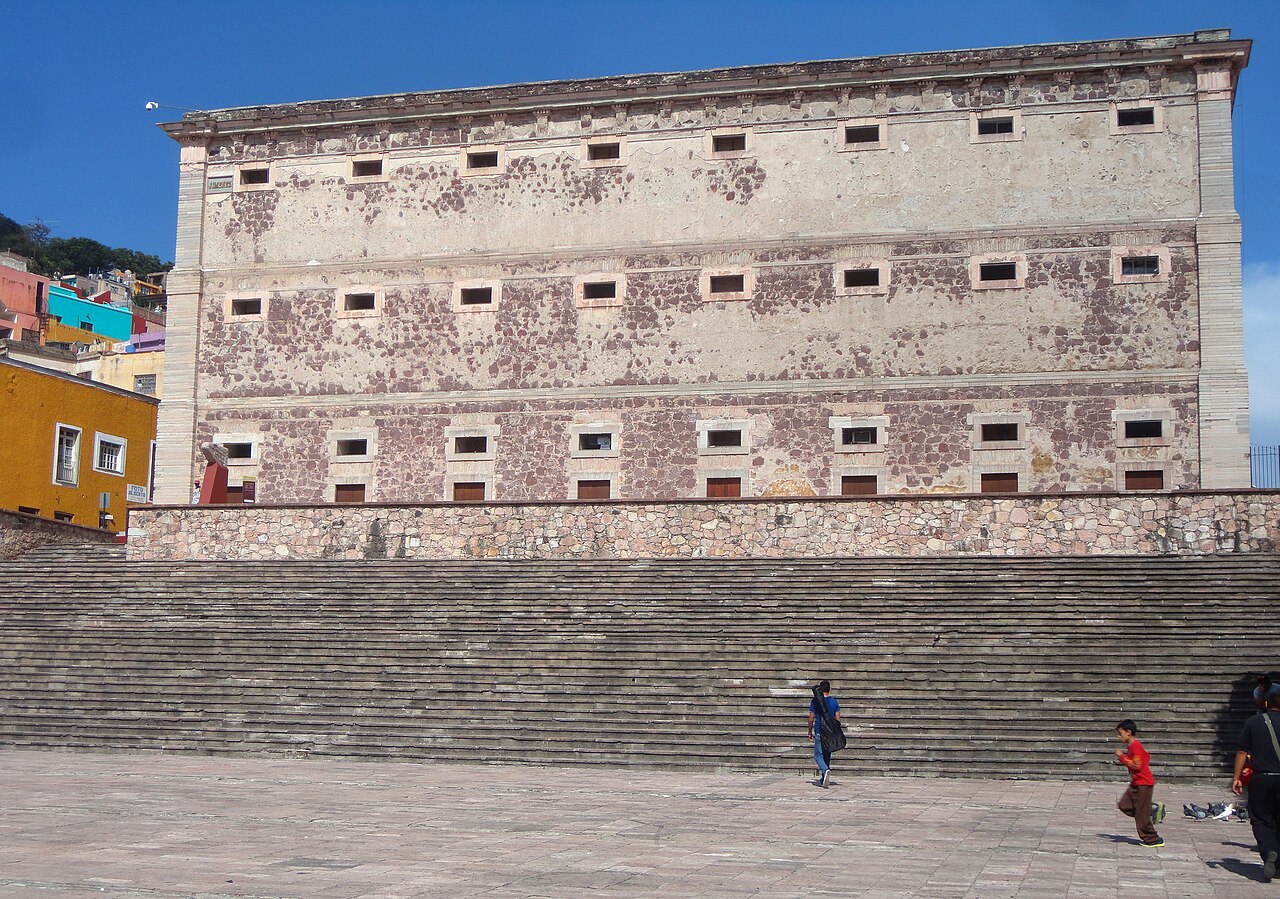
Alhóndiga de Granaditas
1798-1809 (built); 1810 (battle)
 Artifact
Secondary source
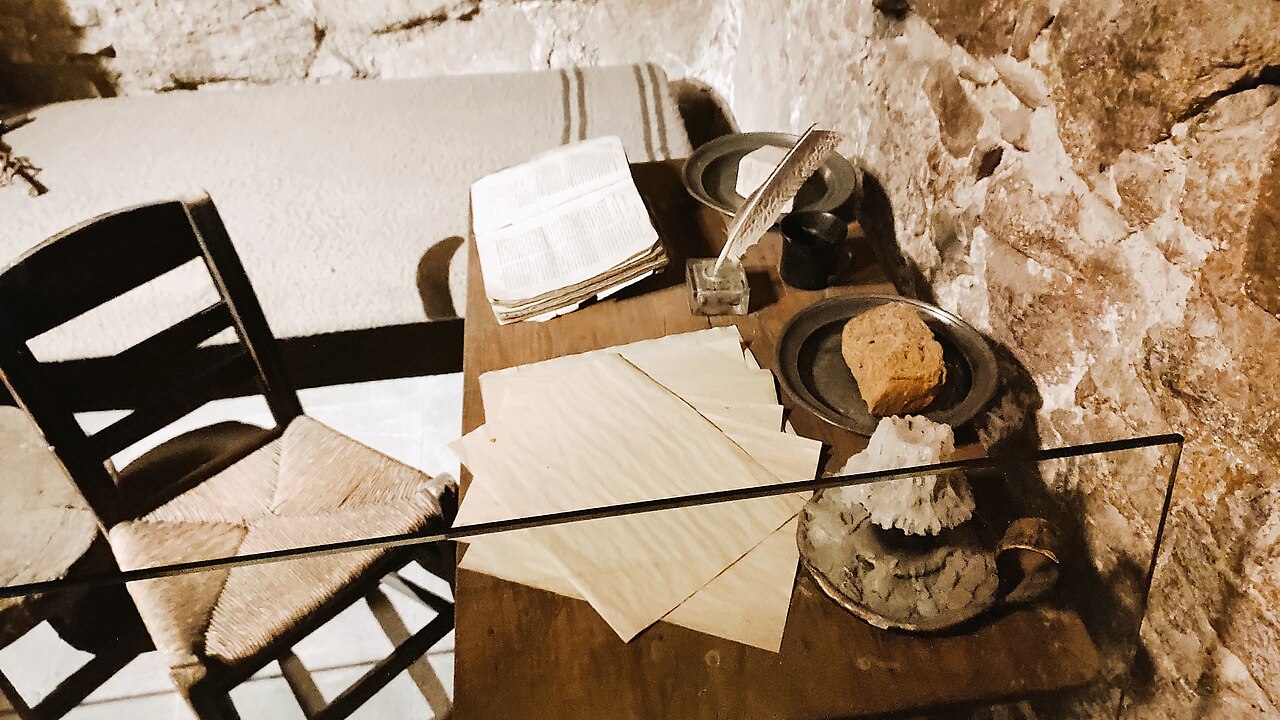
Calabozo de Hidalgo, Chihuahua
18th century
Ready when you are
Start chatting with Miguel Hidalgo y Costilla now.
20 messages free · No credit card · Available in 50+ languages.