


Primary sourcePhotograph
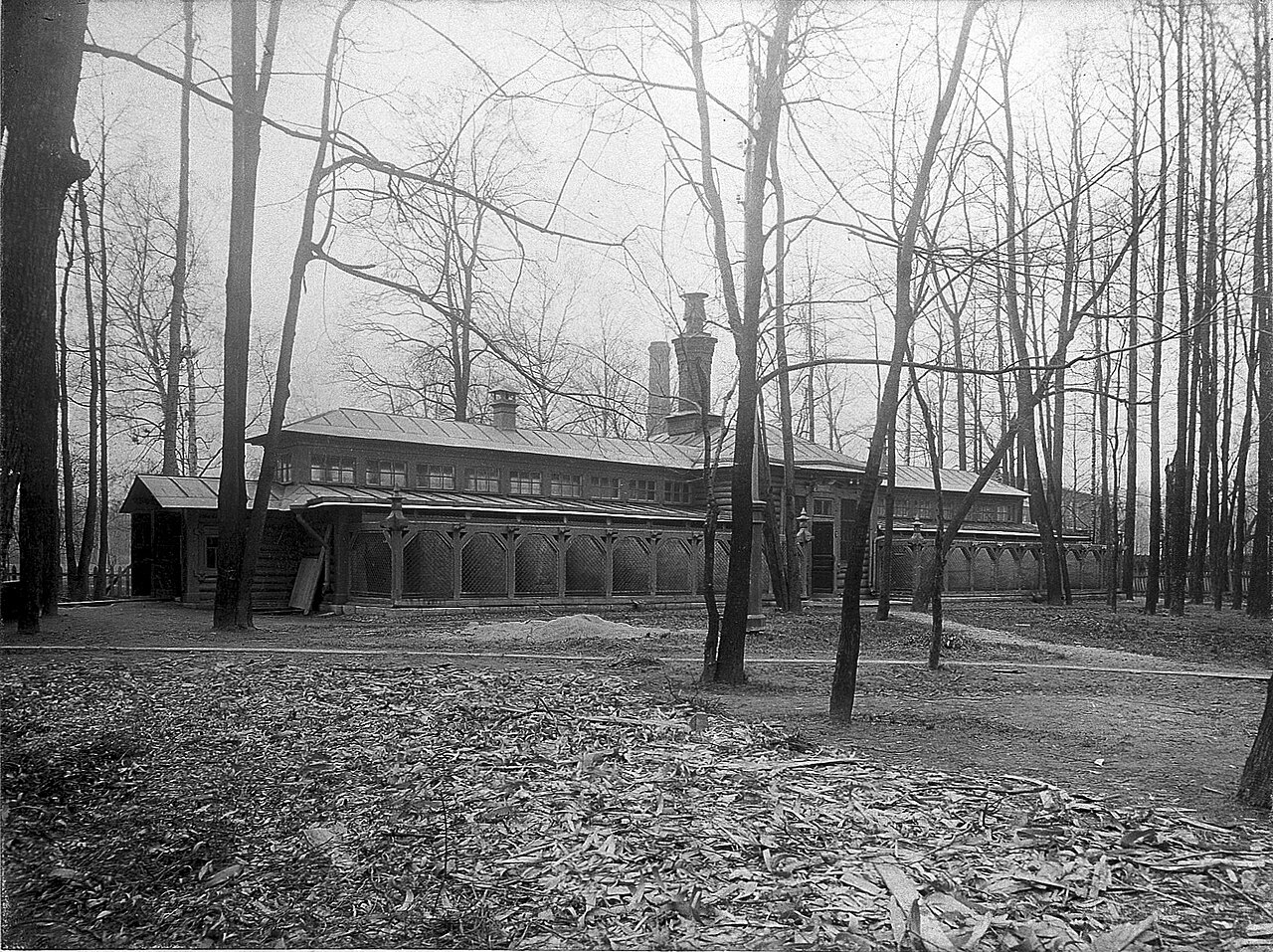
Animal House (Vivarium) of the Physiology Department
A photograph of the kennels at the Imperial Institute of Experimental Medicine in St Petersburg, where Pavlov's dogs were housed.
This photograph of the kennels shows the scale of the dog colony required for Pavlov's chronic experiments.
About this source
What it is
This photograph shows the animal house, or vivarium, of the Physiology Department at the Imperial Institute of Experimental Medicine in St Petersburg, the institute associated with Ivan Pavlov. It is held in the Wellcome Collection's Iconographic Collections.
Why it matters
The curator's note explains that this building housed the dog colony needed for Pavlov's chronic, long-term experiments. It shows the practical, physical scale behind his famous research, which depended on housing and caring for many animals over long periods.
Look closer
- What does the size and design of the building suggest about how many animals were kept there?
- Why might the everyday infrastructure of a laboratory matter as much as its famous results?
- What is missing from this photograph that might raise questions about the animals' experience?
This photograph is part of the curated material that grounds the AI version of Ivan Pavlov on Humy.ai — when students ask about related events, the AI can quote it and cite it.
More Ivan Pavlov sources
Meet the AI Ivan Pavlov → Book
Primary source
The Work of the Digestive Glands
Ivan Pavlov · 1897 (published 1902)
 Artifact
Secondary source
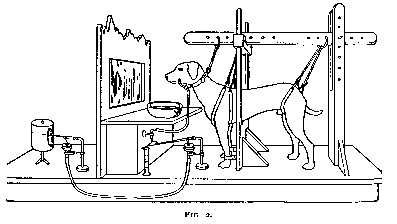
Diagram of Pavlov's Conditioned Reflex Apparatus
Yerkes, R. M., & Morgulis, S.
 Photograph
Primary source
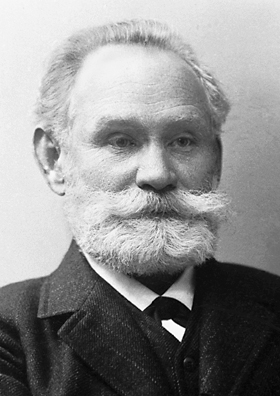
Nobel Prize Portrait of Ivan Pavlov
Unknown · 1904
 Document
Primary source
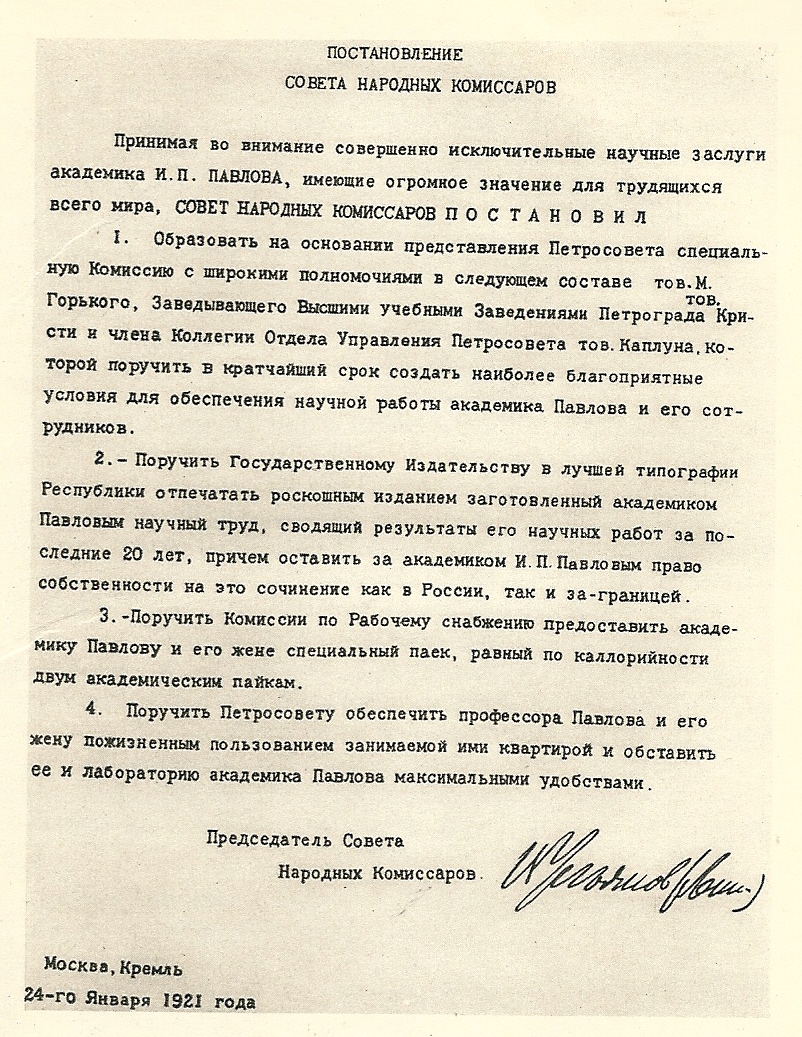
Sovnarkom Decree on Academician Pavlov
Vladimir Lenin · 24 January 1921
 Painting
Primary source
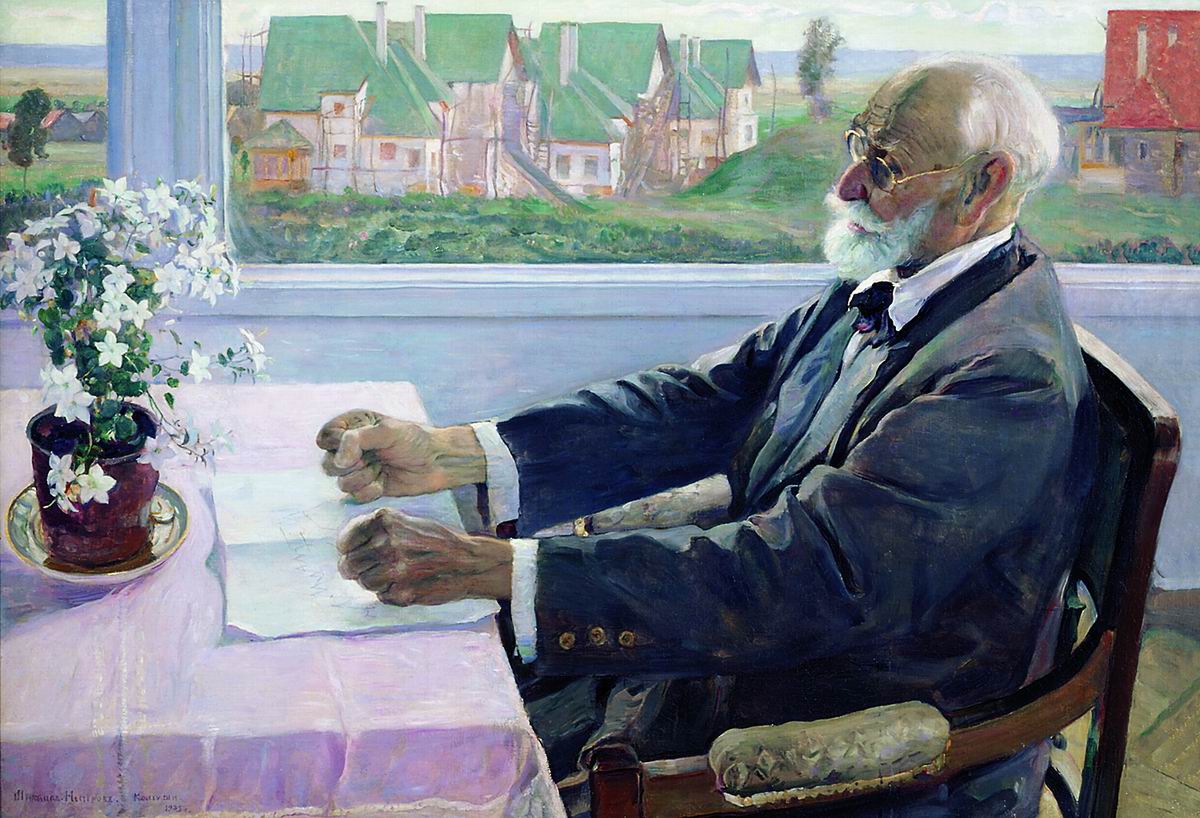
Portrait of Ivan Pavlov by Mikhail Nesterov
Mikhail Nesterov · 1935
Ready when you are
Start chatting with Ivan Pavlov now.
20 messages free · No credit card · Available in 50+ languages.