


Primary sourcePaintingc. 1533–1536
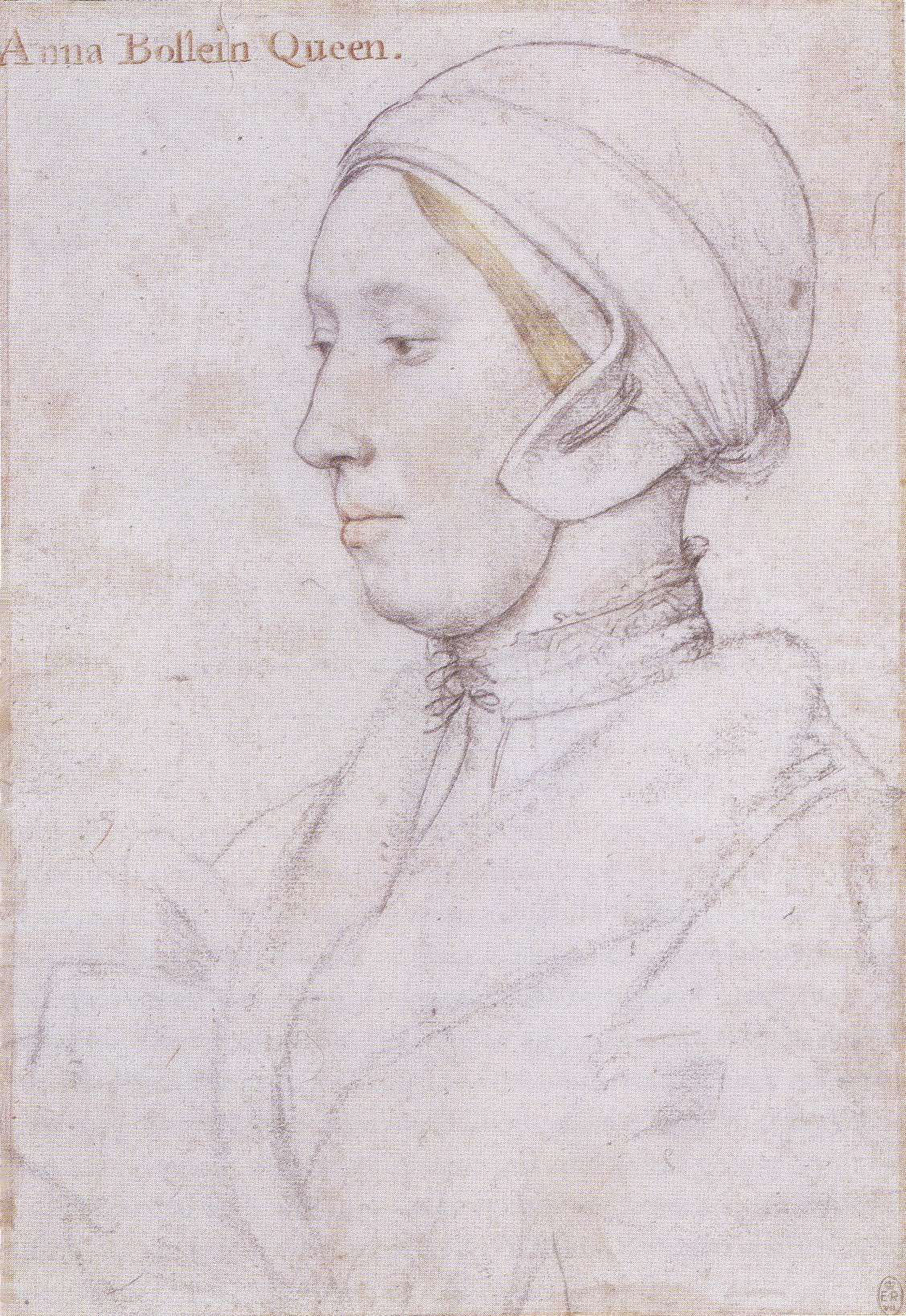
Anna Bollein Queen
Hans Holbein the Younger · c. 1533–1536
A chalk drawing by Hans Holbein the Younger, inscribed 'Anna Bollein Queen' in the 16th century, though scholars dispute whether it truly shows Anne Boleyn.
This Holbein drawing was labelled as Anne Boleyn in the 16th century, though whether it truly depicts her remains disputed.
About this source
What it is
This is a chalk and pencil drawing by the court artist Hans Holbein the Younger, showing a woman in profile wearing a white hood. It is inscribed 'Anna Bollein Queen' and is kept in the Royal Collection at Windsor. The inscription was added in 1542 by John Cheke, tutor to the future Edward VI.
Why it matters
Because Cheke may never have seen Anne Boleyn himself, though he knew people who had, scholars including her biographer Eric Ives have strongly doubted this drawing really shows her, pointing to differences from other likely images of Anne and to unrelated sketches on the back of the sheet. The disagreement shows how uncertain our knowledge of Anne's real appearance is, since she was executed and later portraits may not be reliable.
Look closer
- Why does it matter who added the label naming this woman as Anne, and when?
- What kinds of evidence might help decide whether a portrait is genuine?
- What does the ongoing disagreement among historians tell us about the limits of historical sources?
This painting is part of the curated material that grounds the AI version of Ann Boleyn on Humy.ai — when students ask about related events, the AI can quote it and cite it.
More Ann Boleyn sources
Meet the AI Ann Boleyn →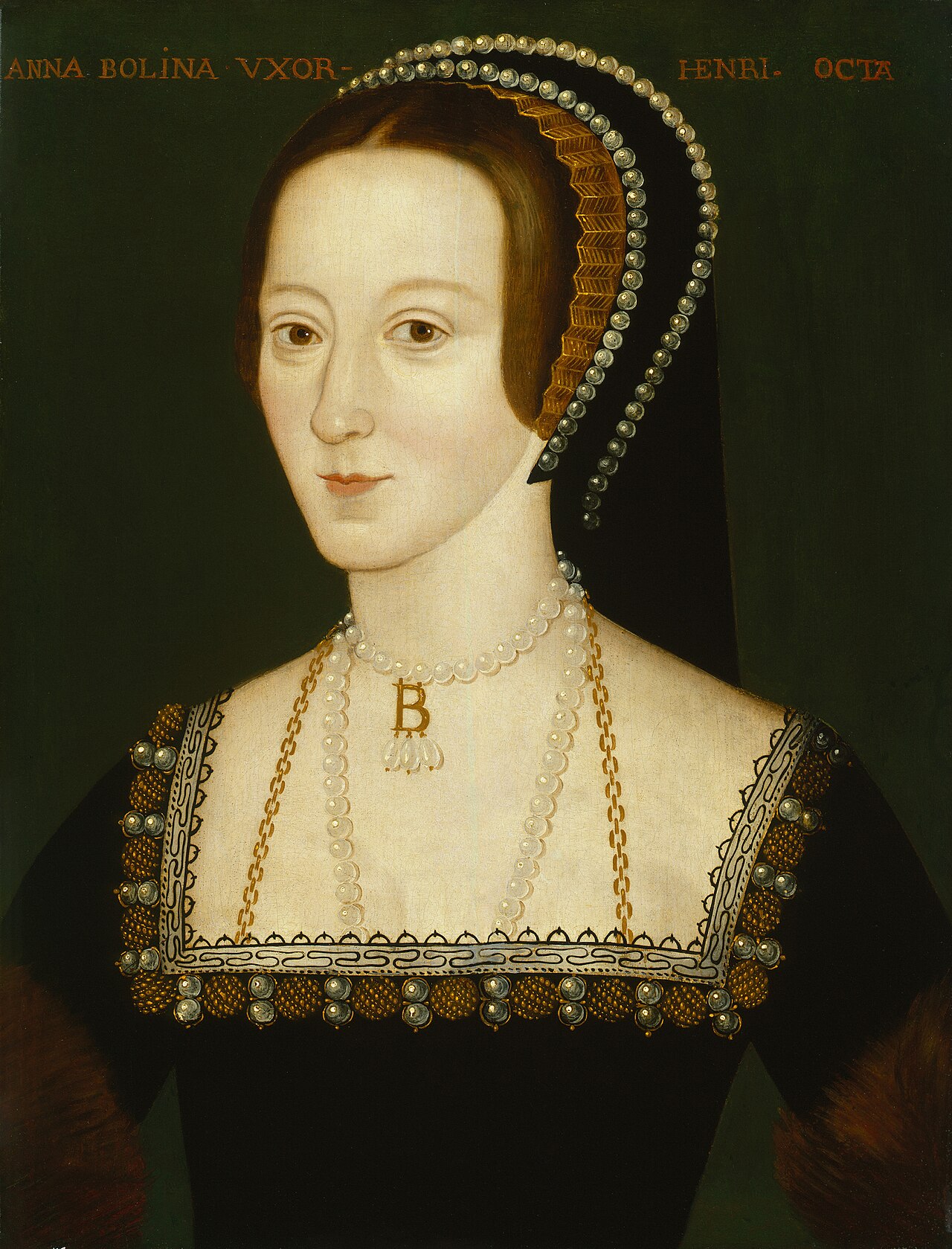 Painting
Secondary source
Anne Boleyn
Unknown artist · late 16th century (copy of lost original)
 Letter
Primary source
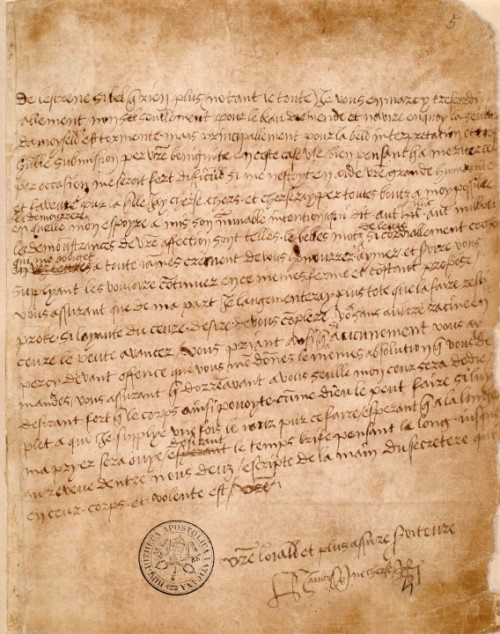
Love letters of Henry VIII to Anne Boleyn
Henry VIII · c. 1527–1528
 Painting
Primary source
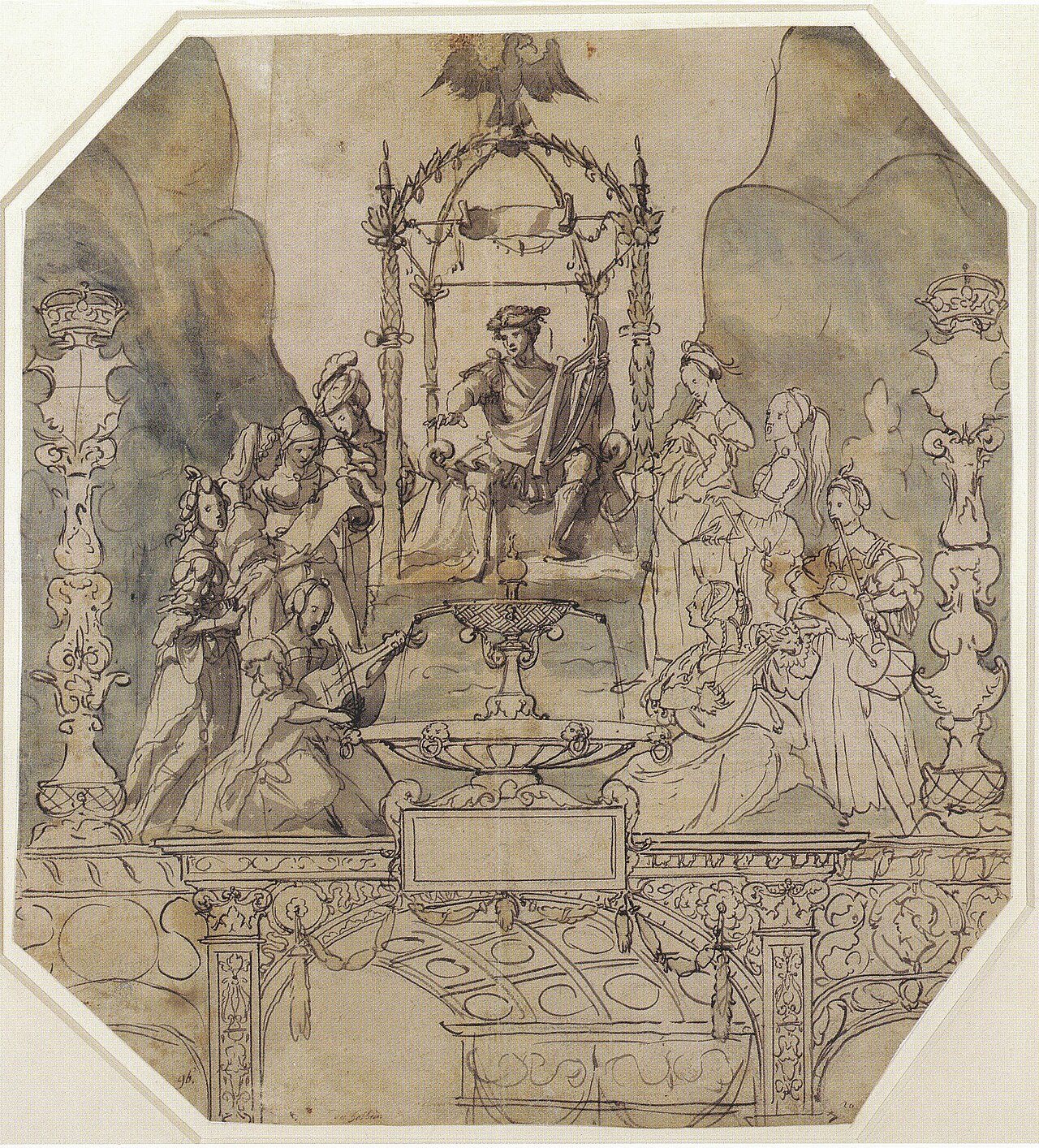
Apollo and the Muses on Parnassus
Hans Holbein the Younger · 1533
 Document
Primary source
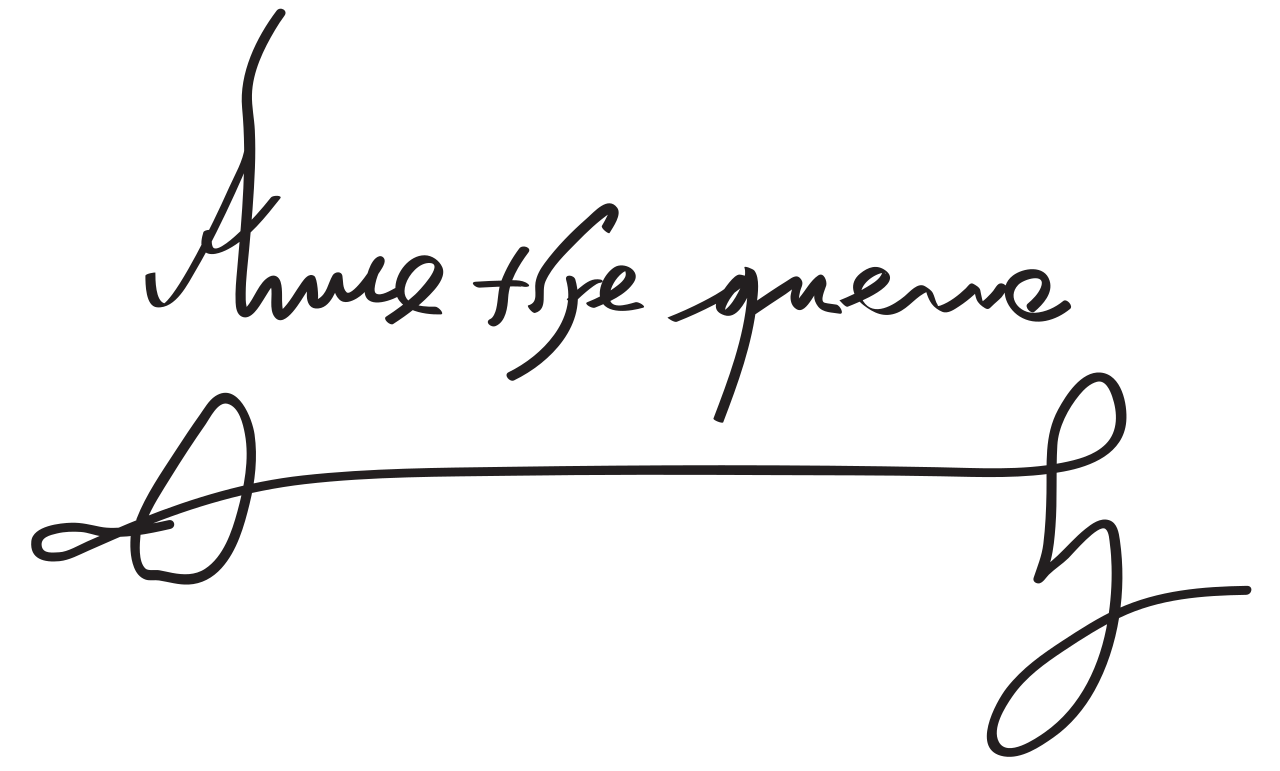
Signature of Anne Boleyn
Anne Boleyn
 Book
Primary source
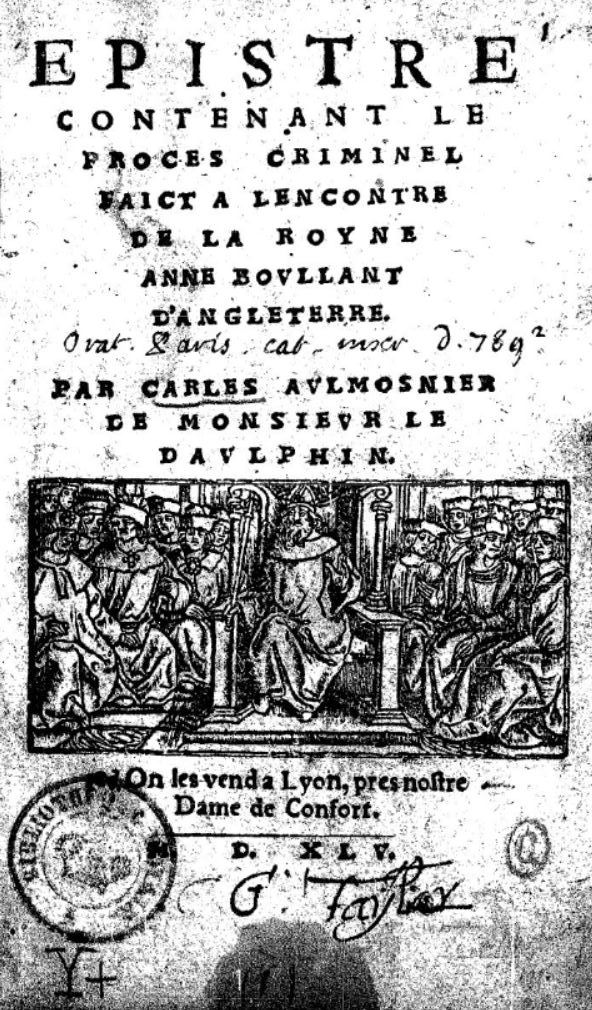
Épistre Contenant le Procès Criminel Faict à l'Encontre de la Royne Anne Boullant d'Angleterre
Lancelot de Carle · 1536 (printed 1545)
Ready when you are
Start chatting with Ann Boleyn now.
20 messages free · No credit card · Available in 50+ languages.