


Primary sourcePainting1911
Anna Pavlova
John Lavery · 1911
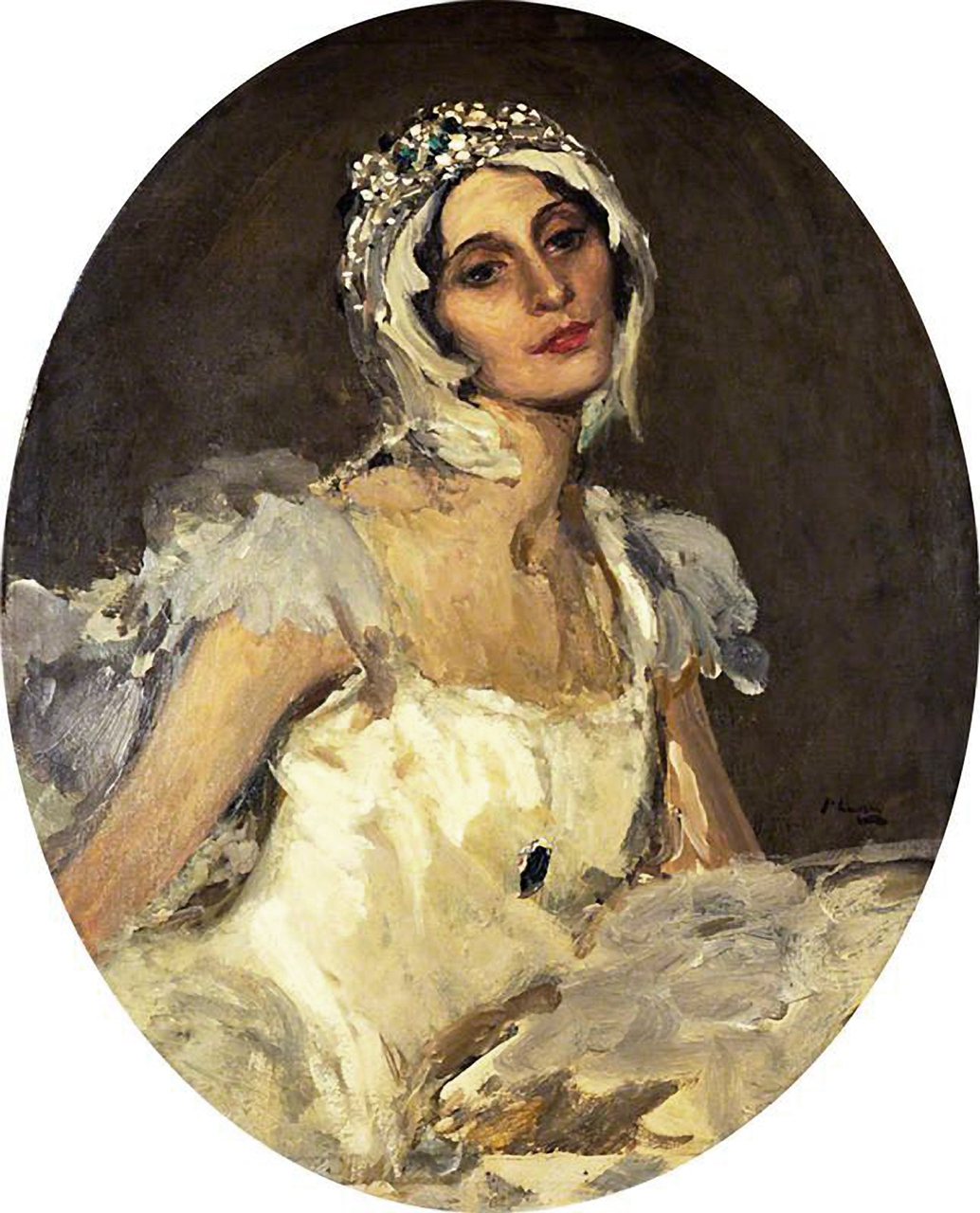
An oil portrait of Anna Pavlova by John Lavery, painted in 1911 during her first London triumphs, showing her as a bacchante in motion.
Lavery painted Pavlova from life during her first London triumphs, celebrated by critics for capturing her weightless movement.
About this source
What it is
This oval oil painting by Irish artist John Lavery shows Anna Pavlova in a jeweled white headdress and feathery costume. Painted in 1911, it is held by Glasgow Museums at Kelvingrove.
Why it matters
Lavery painted Pavlova soon after she settled in London, when her dancing inspired many British artists. A contemporary critic for The Observer described Lavery's portrait as capturing her 'graceful, weightless movement' and her 'miraculous, feather-like flight, which seems to defy the law of gravitation,' showing how strongly her performances affected audiences and critics of the time.
Look closer
- How does the painting try to suggest movement in a still image?
- Why might a critic in 1911 have compared her dancing to flight?
- What is left out of a painted portrait that a photograph or film might capture differently?
This painting is part of the curated material that grounds the AI version of Anna Pavlova on Humy.ai — when students ask about related events, the AI can quote it and cite it.
More Anna Pavlova sources
Meet the AI Anna Pavlova →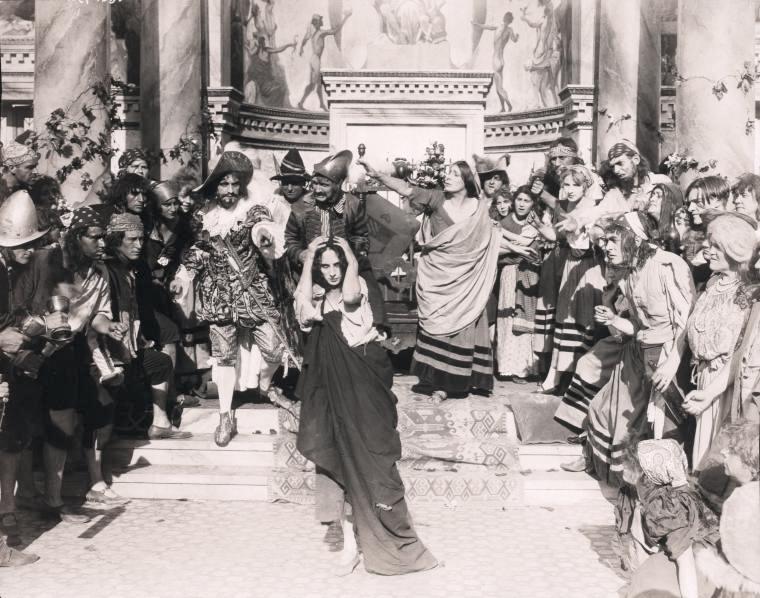 Documentary
Primary source
The Dumb Girl of Portici
Lois Weber and Phillips Smalley · 1916
PaintingPrimary source
Anna Pavlova as 'The Dying Swan'
John Lavery · 1911
 Photograph
Primary source
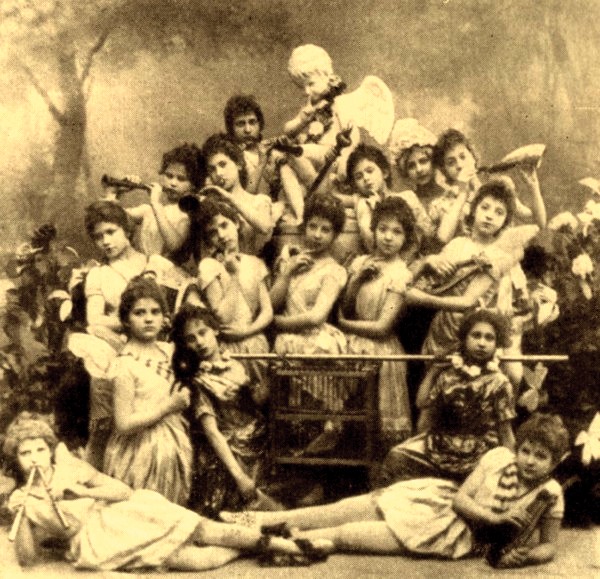
Fairy Tale - Students of the Imperial Ballet School, 1891
Unknown photographer of the Imperial Mariinsky Theatre · 1891
 Painting
Primary source
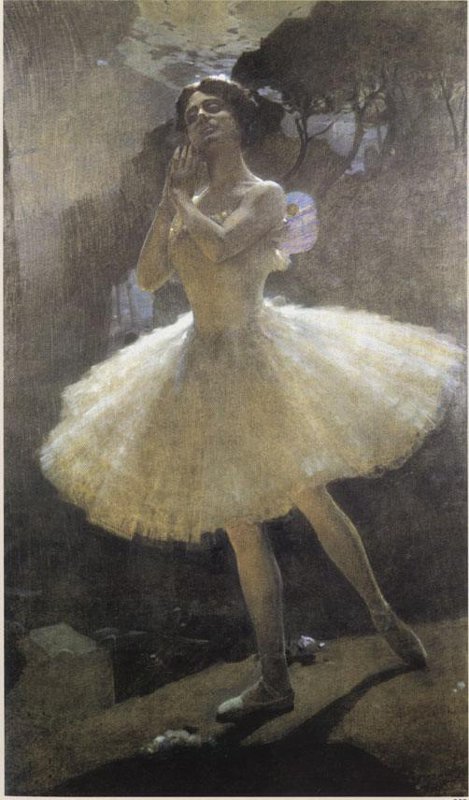
Anna Pavlova as Giselle
Alfred Eberling · 1906
 Photograph
Primary source
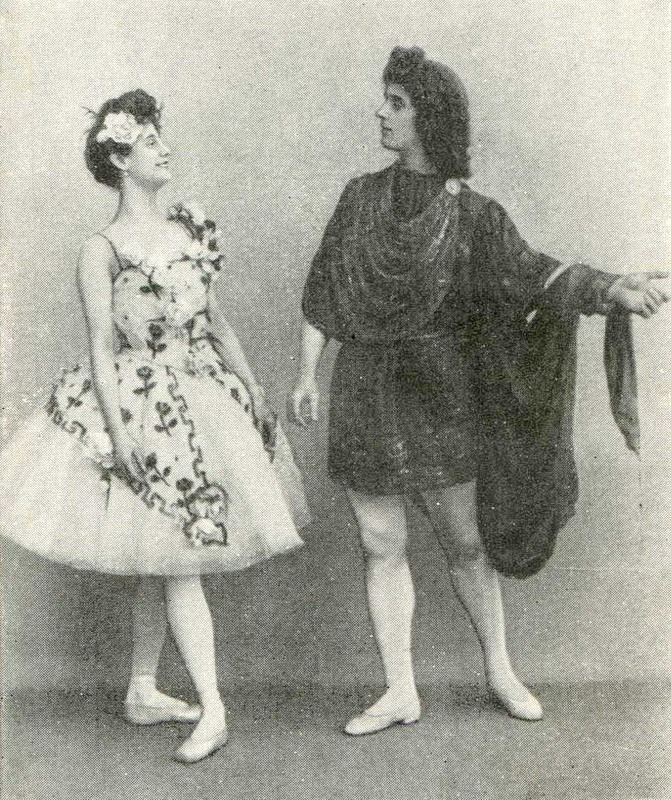
The Awakening of Flora
Unknown photographer
Ready when you are
Start chatting with Anna Pavlova now.
20 messages free · No credit card · Available in 50+ languages.