


Secondary sourceArtifactc. 1840-1860 (sprouted); fell 2010
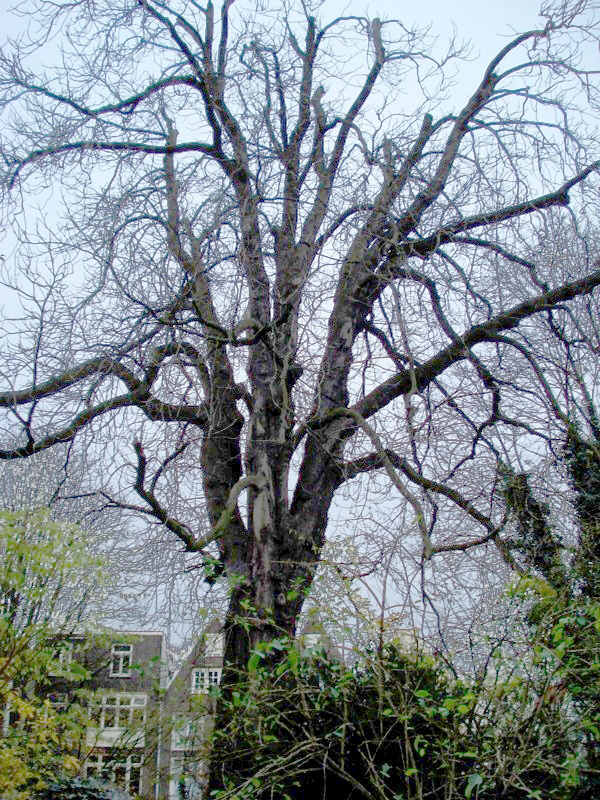
Anne Frank Tree
c. 1840-1860 (sprouted); fell 2010
A horse-chestnut tree in Amsterdam that Anne Frank described in her diary as a glimpse of nature and hope while hiding in the annex.
Anne described this tree in her diary as a symbol of hope and connection to nature while hidden in the annex.
About this source
What it is
This was a horse-chestnut tree in central Amsterdam, visible from the hiding place where Anne Frank and her family sheltered during the Nazi occupation. Anne mentioned it three times in her diary. The tree, estimated to be more than 170 years old, was damaged by fungus and insects over the years and blew down in a storm in 2010.
Why it matters
Anne wrote of watching the tree's bare branches and the sky above it as one of her few connections to the outside world while confined indoors. Her father, Otto Frank, later said he was surprised how much nature meant to her once he read her diary after her death. The tree became a symbol of hope and has inspired an interactive memorial project where visitors worldwide add their names to a virtual
This artifact is part of the curated material that grounds the AI version of Anne Frank on Humy.ai — when students ask about related events, the AI can quote it and cite it.
More Anne Frank sources
Meet the AI Anne Frank →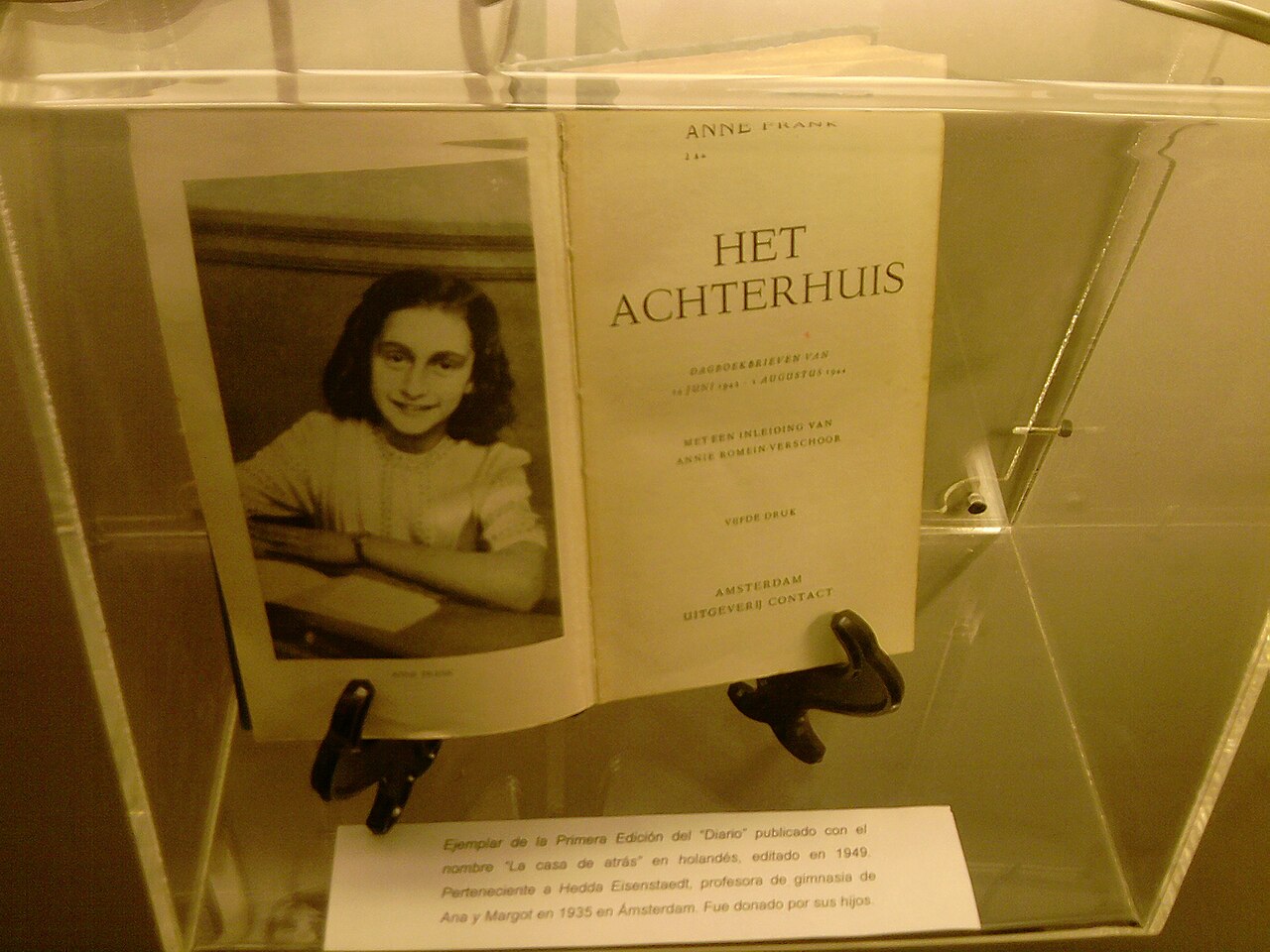 Book
Secondary source
The Diary of a Young Girl
Anne Frank · 1947
 Artifact
Primary source
Cover of the Diary of Anne Frank
1942
Primary source
Anne Frank: The Only Existing Film Images
22 July 1941
 Photograph
Primary source
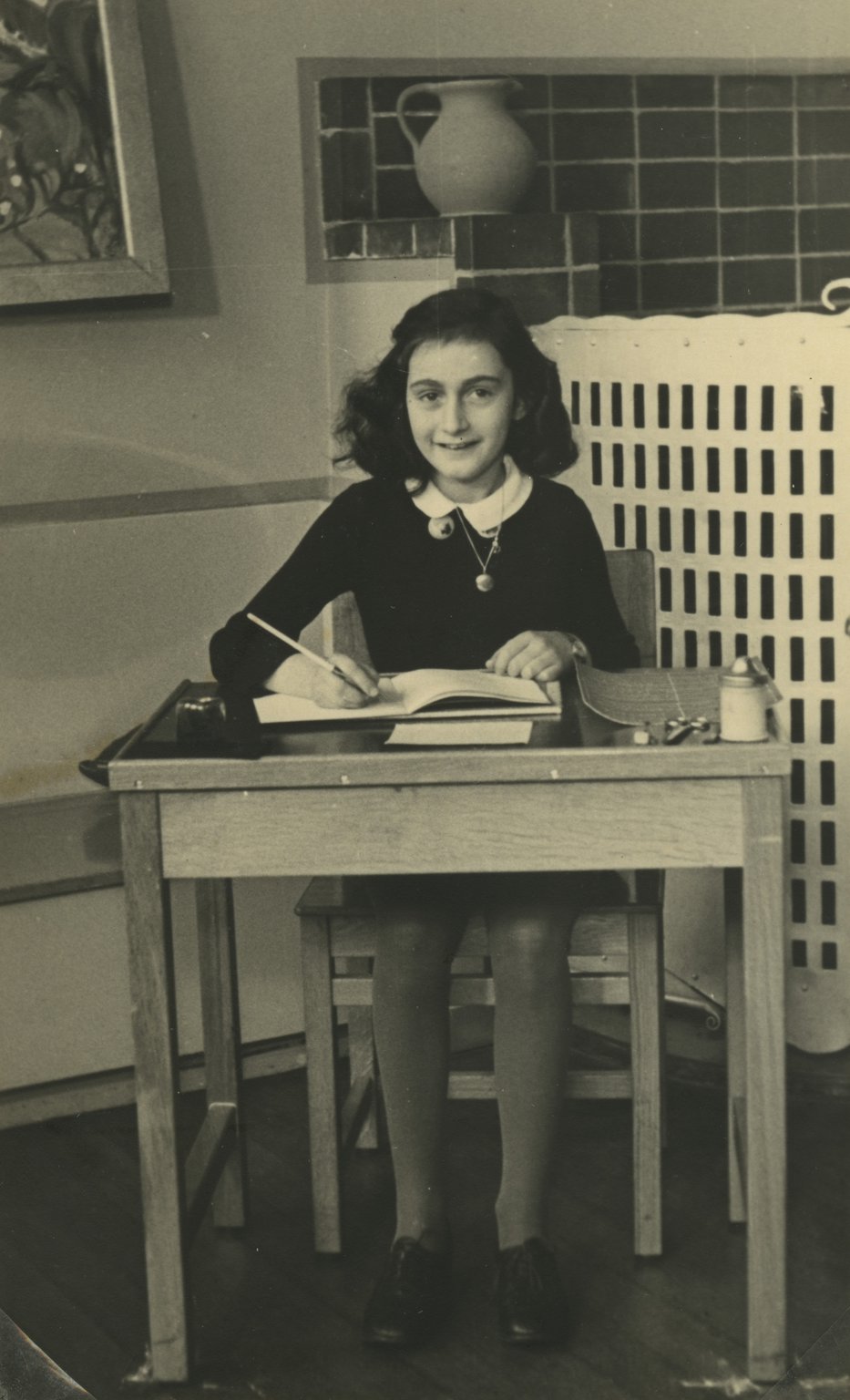
Anne Frank School Photo
Unknown photographer · 1940
 Artifact
Secondary source
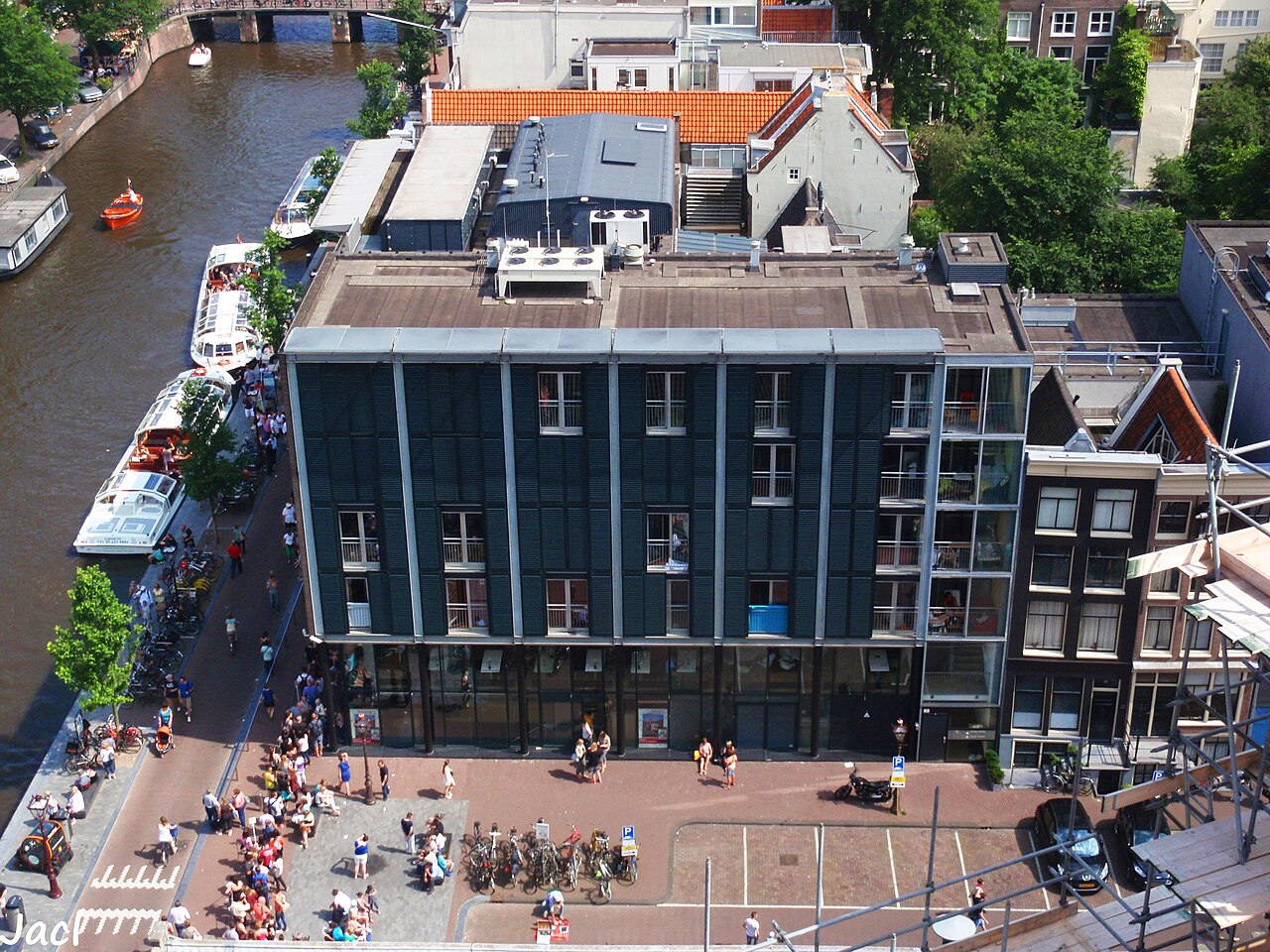
Anne Frank House
1960 (museum opened)
Ready when you are
Start chatting with Anne Frank now.
20 messages free · No credit card · Available in 50+ languages.