


Primary sourceArtifact2nd century BC
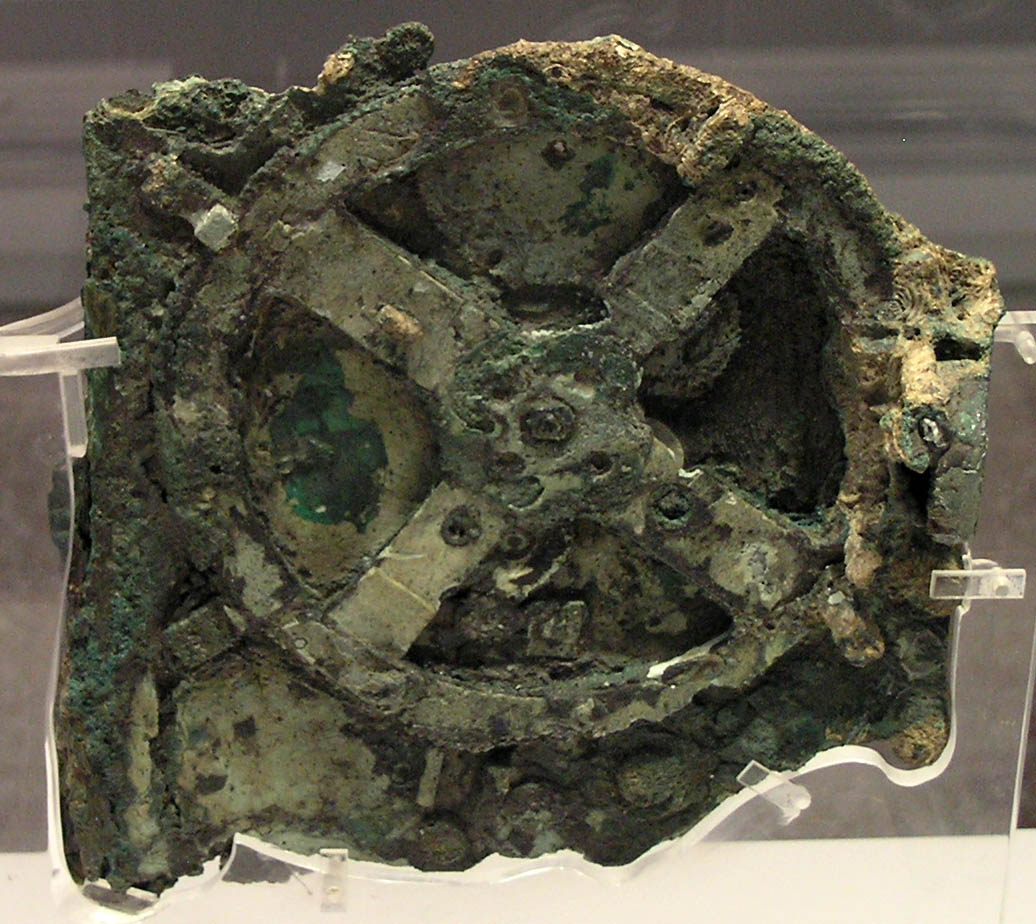
Antikythera Mechanism
2nd century BC
An ancient Greek geared device for tracking astronomical cycles, showing the level of mechanical technology that underlies Hero's work on automata and gears.
This Hellenistic geared device shows the mechanical tradition of gear trains and automata that Hero's inventions built upon.
About this source
What it is
The Antikythera mechanism is an ancient Greek hand-powered device built around the 2nd century BC, discovered in a shipwreck off the island of Antikythera in 1901. It contains a complex system of bronze gears and is considered the oldest known analogue computer. It is held at the National Archaeological Museum in Athens.
Why it matters
The device could predict astronomical positions and eclipses and track cycles like the ancient Olympic Games. It shows the sophisticated gear-based engineering that existed in the Hellenistic world — the same tradition of mechanical knowledge that Hero of Alexandria drew on for his own automata and machines. Scholars think it may be linked to designs following the tradition of Archimedes.
Look closer
- What does the complexity of the gears tell us about the engineers who built it?
- Why do you think such technology was lost and not matched again for centuries?
- How might devices like this have influenced engineers like Hero?
This artifact is part of the curated material that grounds the AI version of Hero of Alexandria on Humy.ai — when students ask about related events, the AI can quote it and cite it.
More Hero of Alexandria sources
Meet the AI Hero of Alexandria →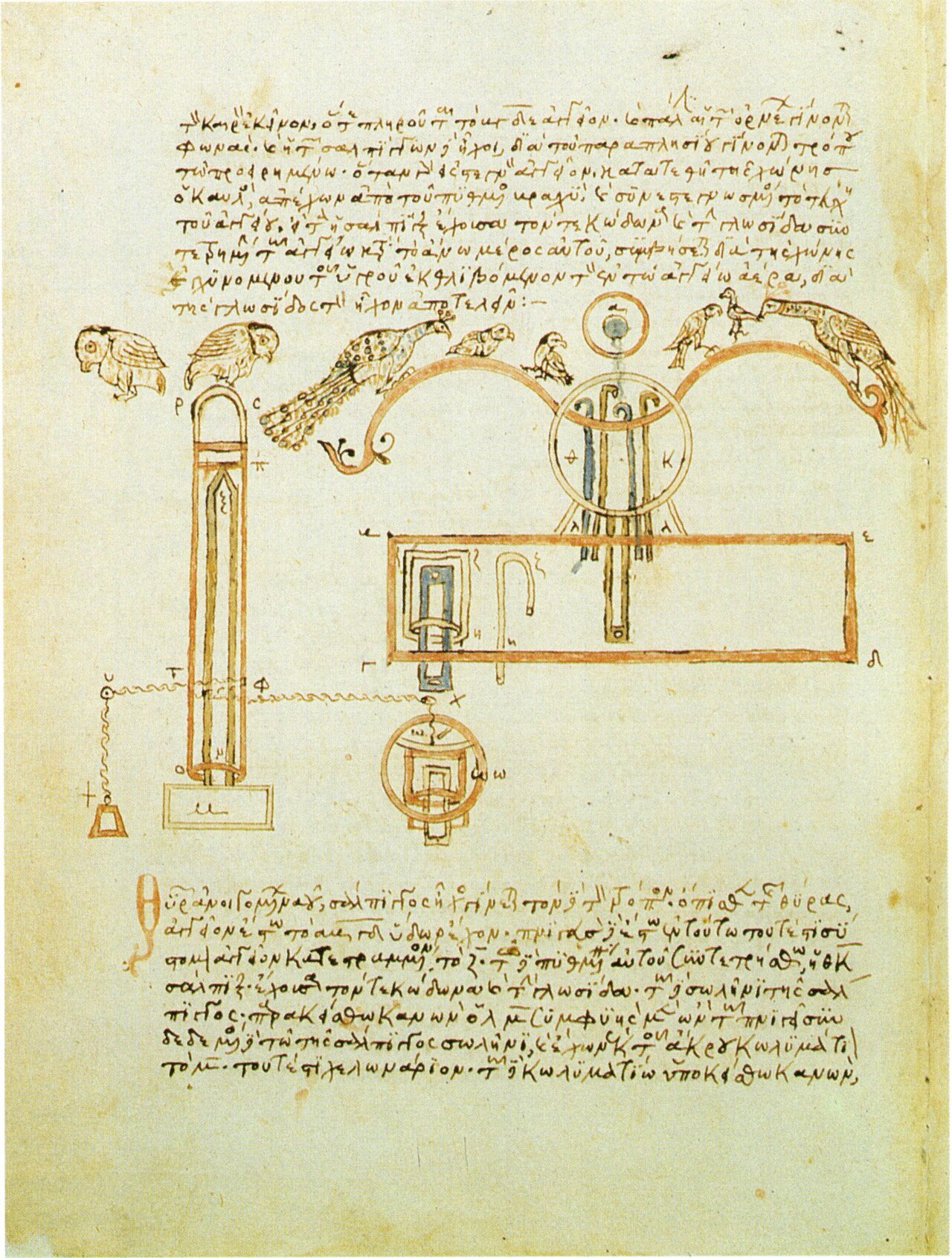 Book
Secondary source
Pneumatica
Hero of Alexandria · 1st century AD (this copy later)
 Book
Secondary source
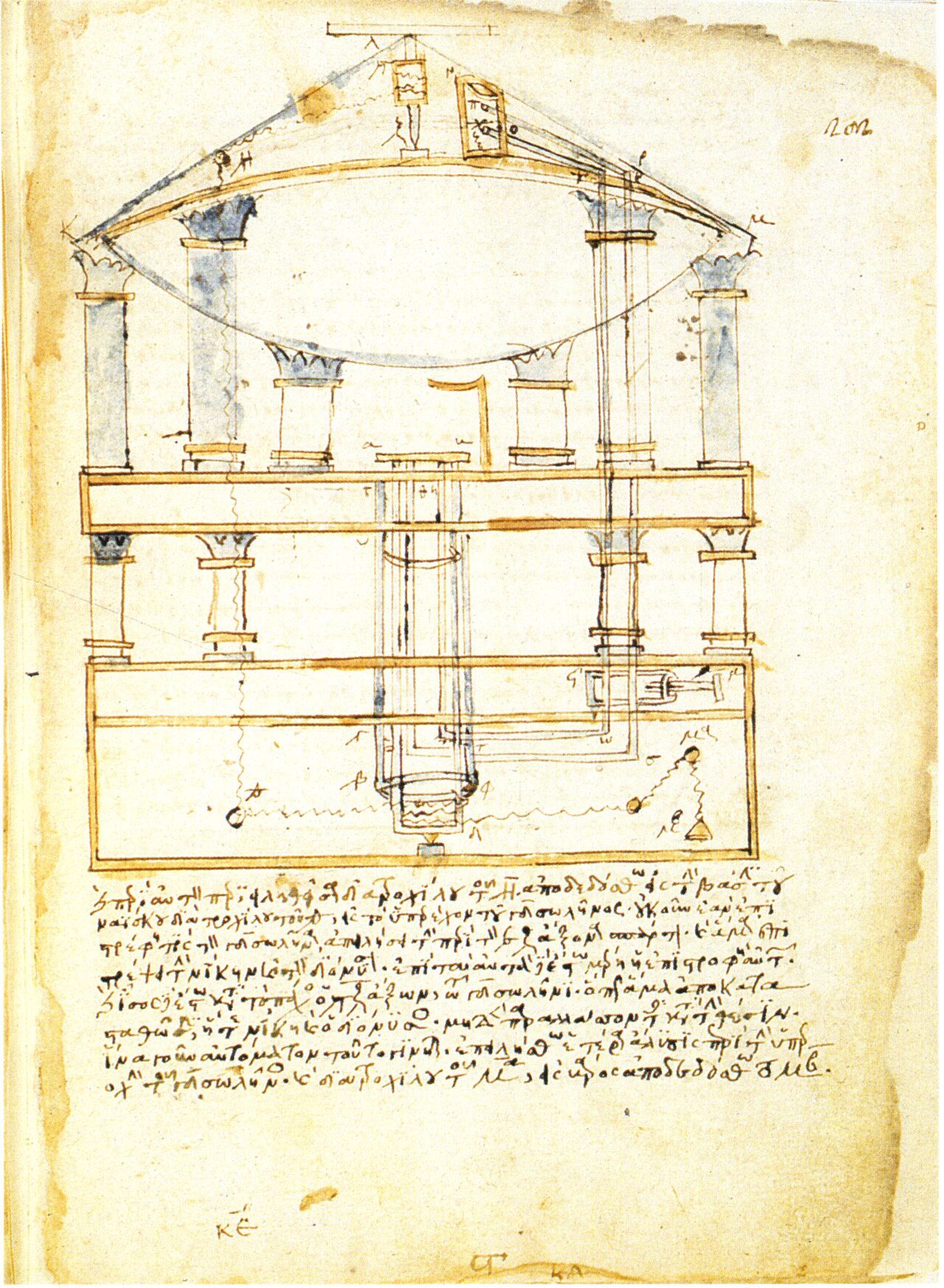
Automata (Bacchus diagram)
Hero of Alexandria · 1st century AD (this copy later)
 Painting
Secondary source
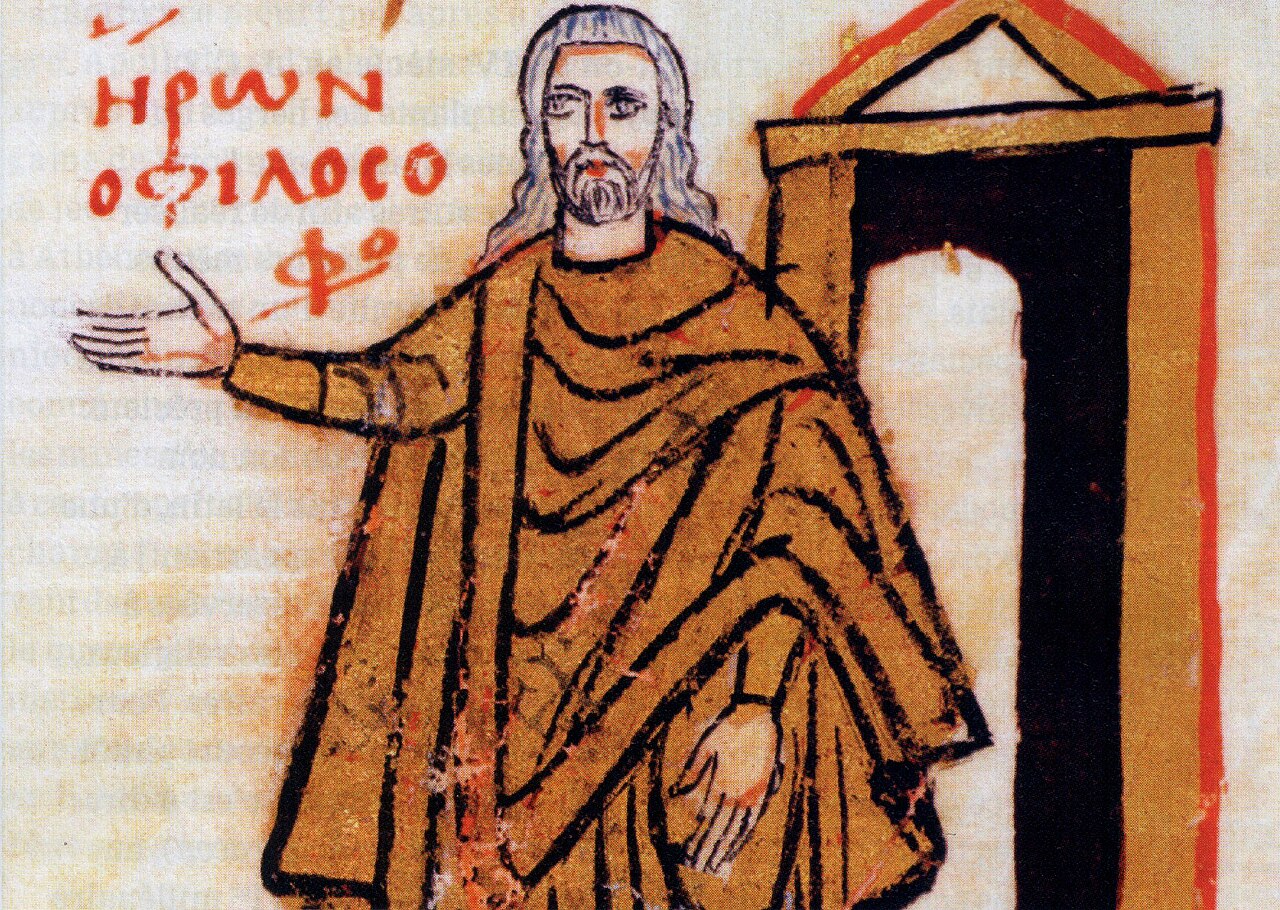
Hero of Alexandria in the Codex of Saint Gregory Nazianzenos
Unknown author · 9th century AD
 Document
Secondary source
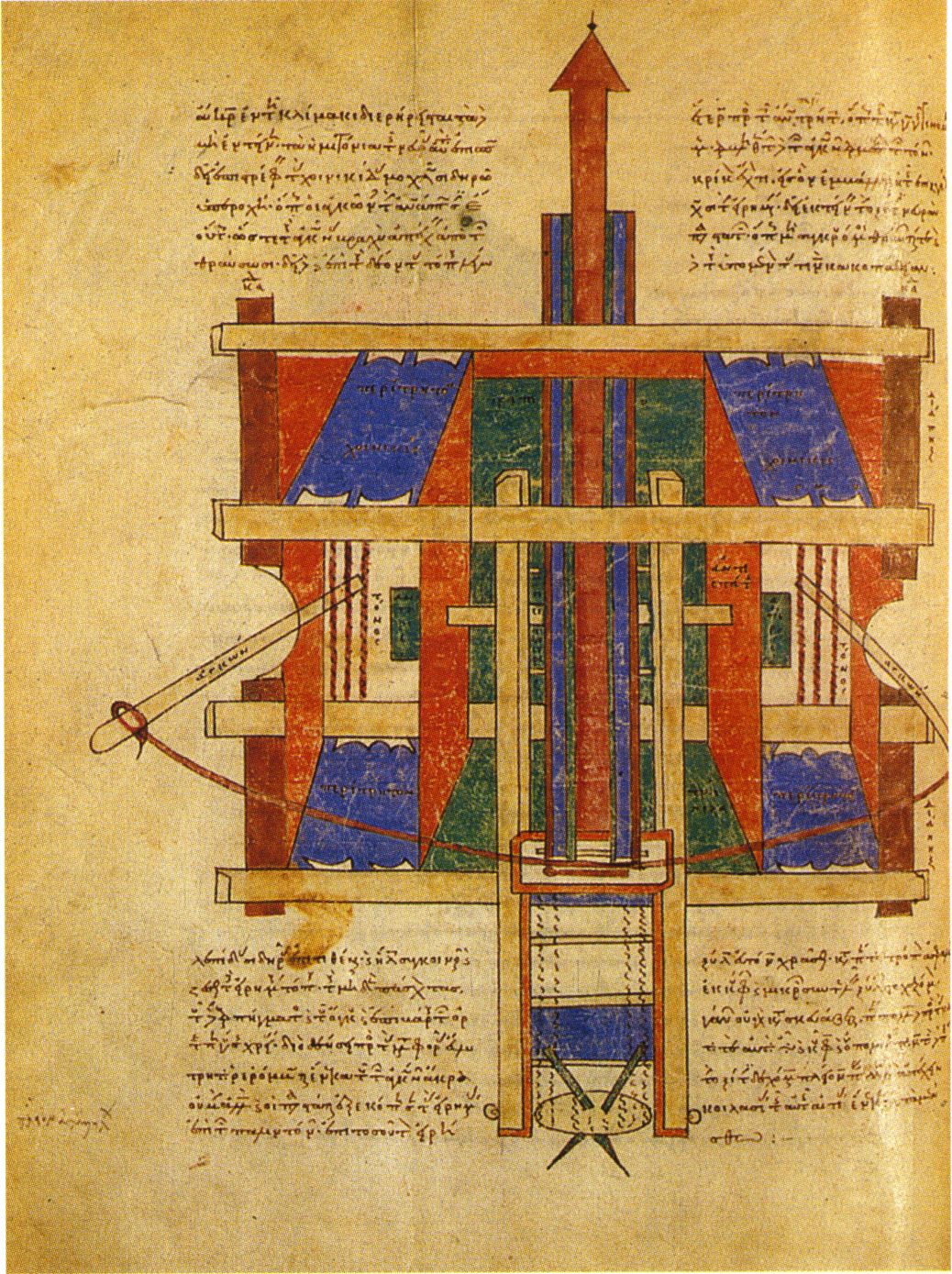
Belopoiika (design drawing of a siege engine)
Hero of Alexandria · 1st century AD (this copy later)
 Book
Secondary source
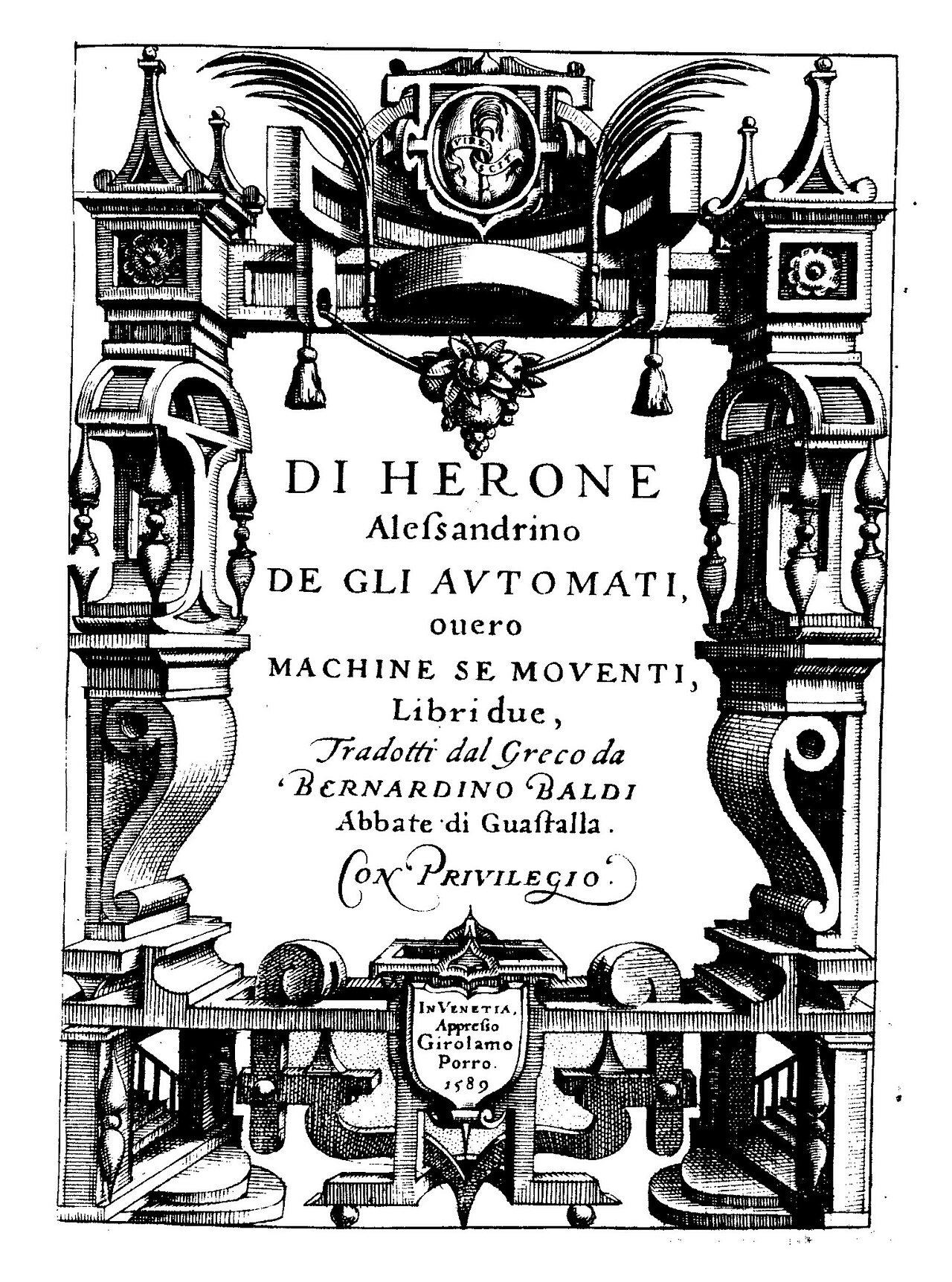
De gli automati, ouero Machine se mouenti
Hero : Alexandrinus · 1589
Ready when you are
Start chatting with Hero of Alexandria now.
20 messages free · No credit card · Available in 50+ languages.