


Primary sourceArtifact1966
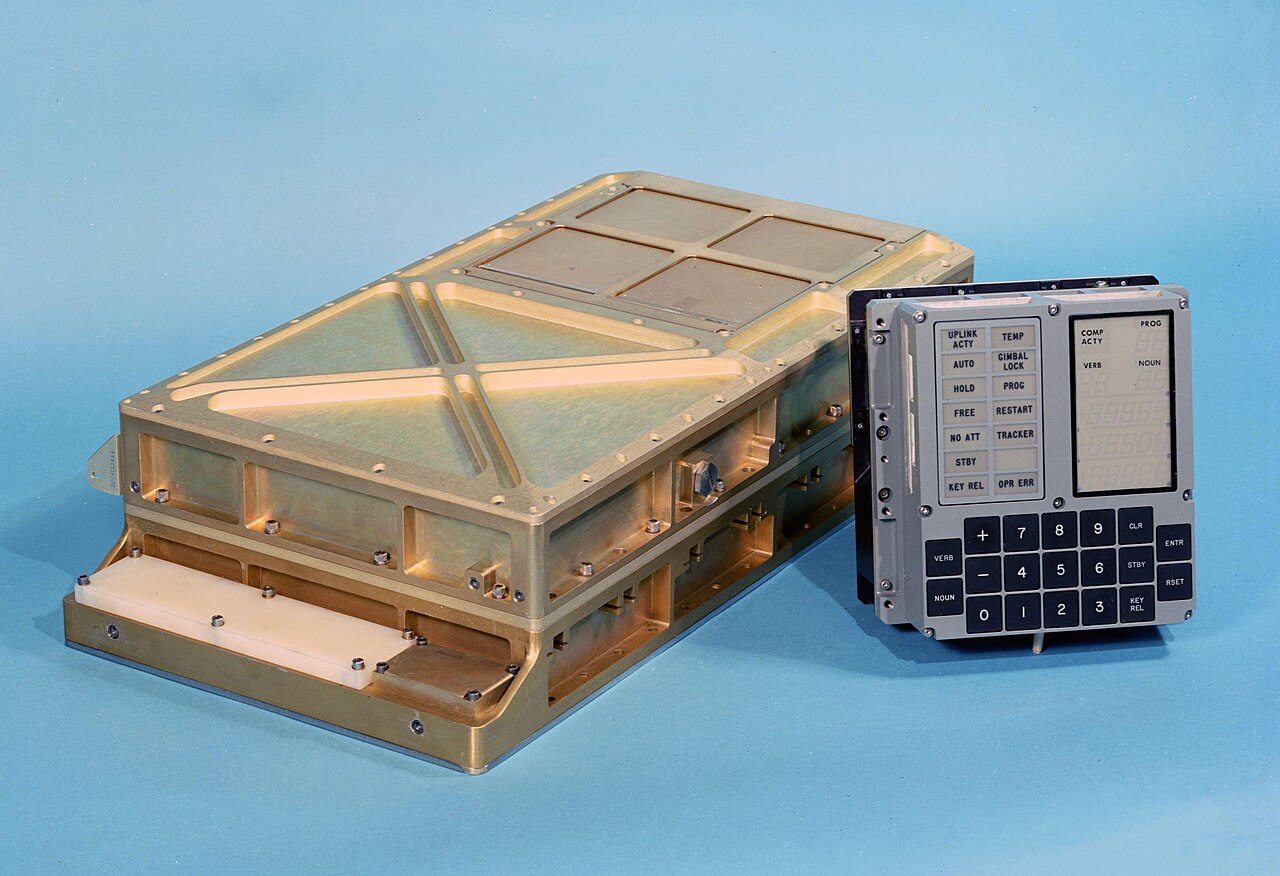
Apollo Guidance Computer
MIT Instrumentation Laboratory · 1966
The onboard digital computer and DSKY interface for Apollo spacecraft, for which Hamilton's team designed the flight software.
This is the computer whose flight software Hamilton's team designed, explaining the stakes behind her error-recovery work.
About this source
What it is
The Apollo Guidance Computer (AGC) was a digital computer built for the Apollo program, installed in both the command module and the lunar module, with the DSKY as its display-and-keyboard interface. It was designed at the MIT Instrumentation Laboratory under Charles Stark Draper, with hardware led by Eldon C. Hall, and built by Raytheon. It first flew in 1966.
Why it matters
Its very limited memory and processing power meant the software running on it had to be extremely efficient and reliable. Margaret Hamilton led the team that designed this flight software, including error-detection and priority-recovery systems that allowed the computer to handle unexpected overloads, famously during the Apollo 11 landing.
Look closer
- Why would a computer this limited need especially careful software design?
- What problems could arise if the software failed during a mission?
- What does the object alone not tell you about the people who programmed it?
This artifact is part of the curated material that grounds the AI version of Margaret Hamilton on Humy.ai — when students ask about related events, the AI can quote it and cite it.
More Margaret Hamilton sources
Browse all 34 →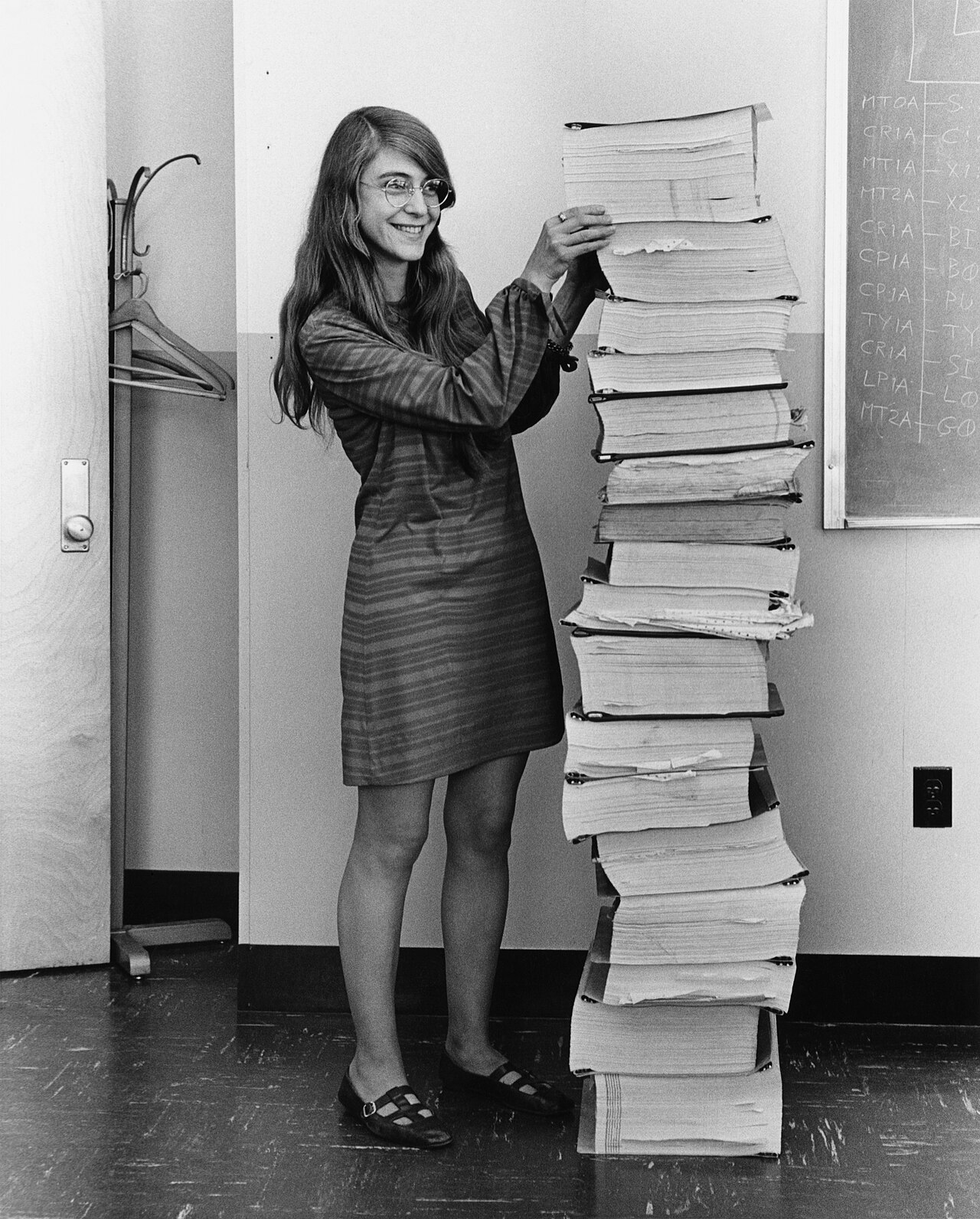 Photograph
Primary source
Margaret Hamilton with Apollo Software Listings
Adam Cuerden · 1969
 Photograph
Primary source
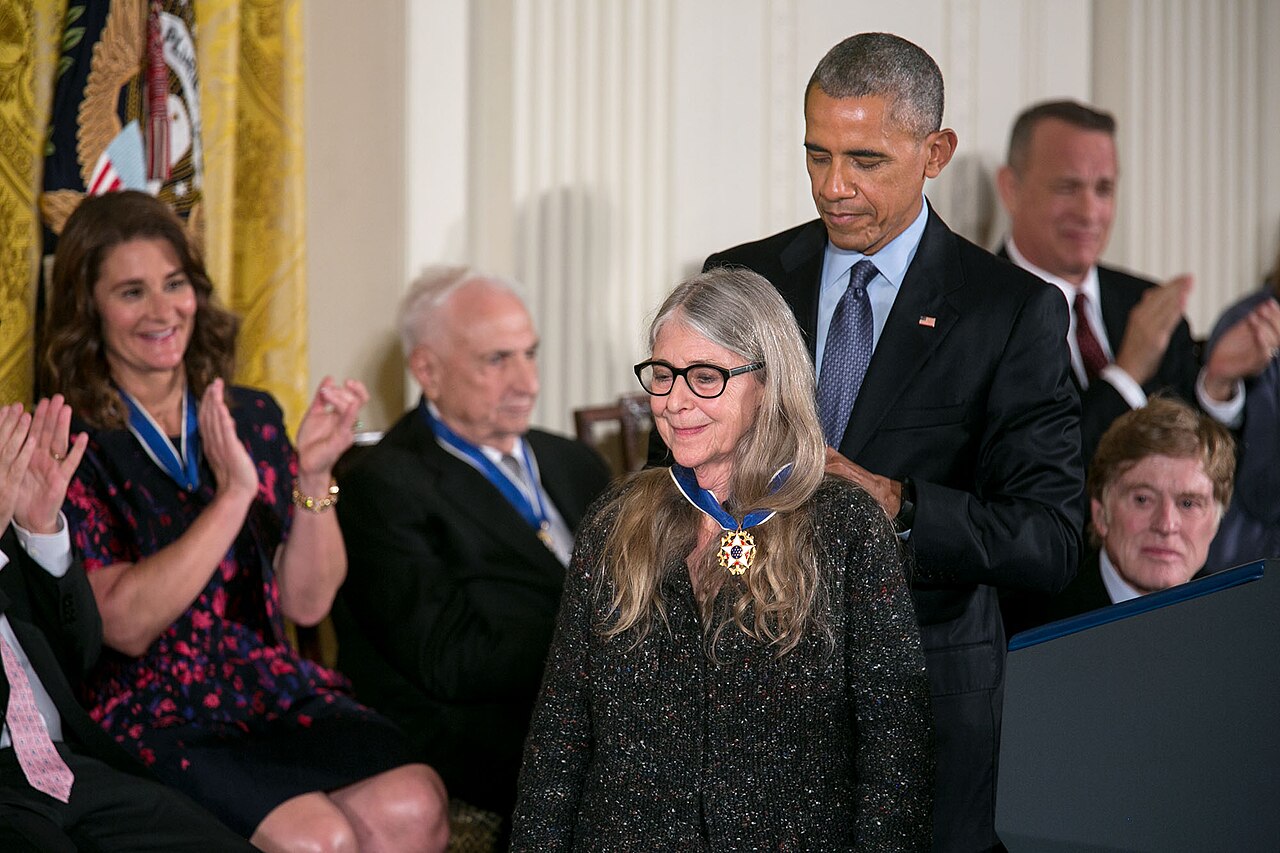
Hamilton Receiving the Presidential Medal of Freedom
Lawrence Jackson, White House · 22 November 2016
 Photograph
Primary source
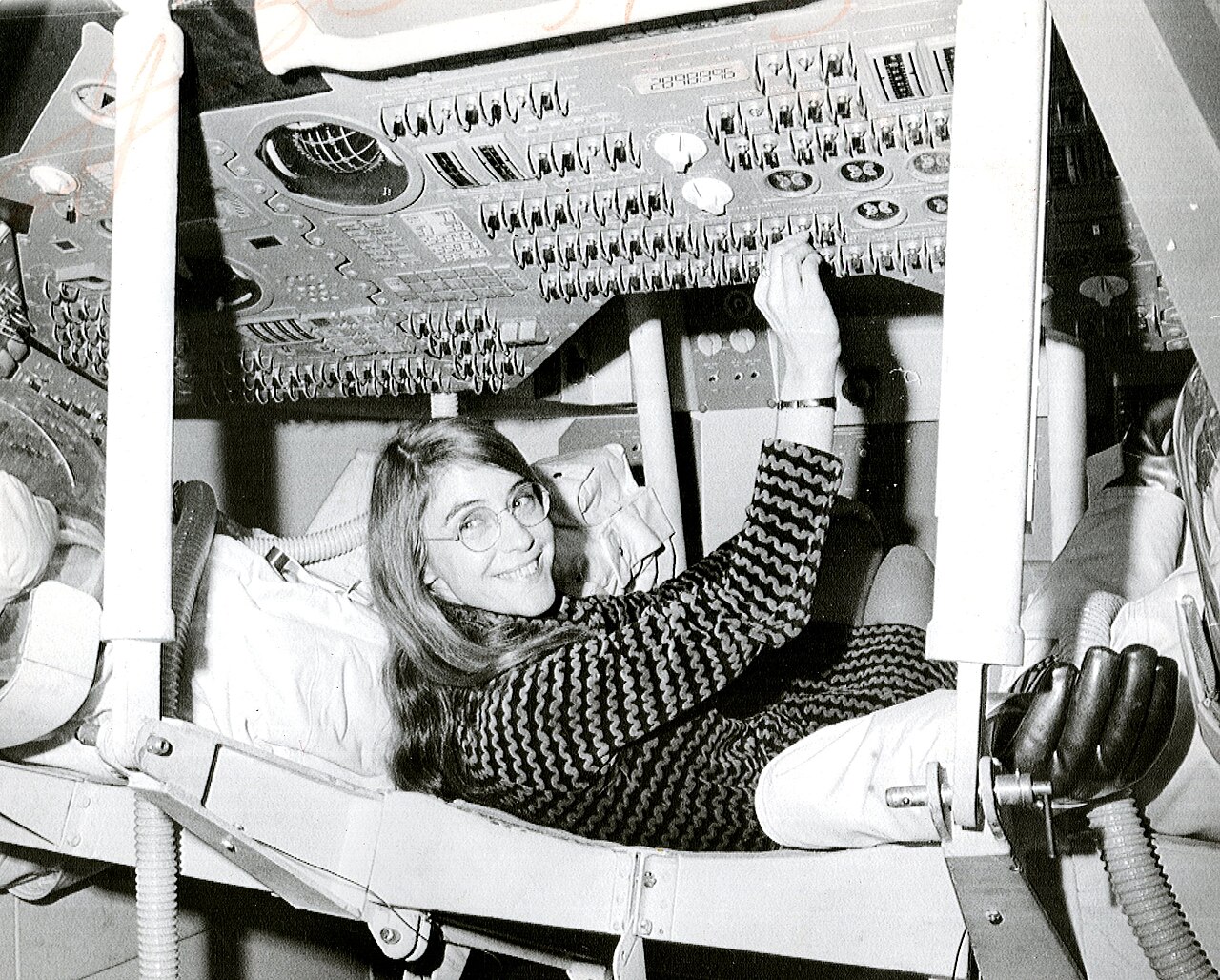
Margaret Hamilton in the Apollo Command Module
NASA
 Photograph
Primary source
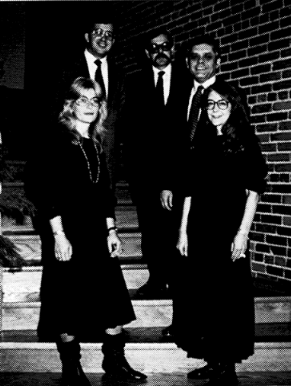
Saydean Zeldin and Margaret Hamilton in NASA HOS Flyer
NASA · c. 1972
Free account
Read every Margaret Hamilton source
Sign up free →
Ready when you are
Start chatting with Margaret Hamilton now.
20 messages free · No credit card · Available in 50+ languages.