


Primary sourceBookc. 1580
Apology for Raymond Sebond
Michel de Montaigne · c. 1580
Montaigne's longest essay, which sets out his skeptical philosophy and is the source of his famous motto 'What do I know?'
This essay is Montaigne's own fullest expression of his skeptical philosophy.
Free Humy account · No credit card · 120,912 sources to read
About this source
What it is
This is the twelfth chapter of Book 2 of Montaigne's Essais, his longest single essay. In it he defends the Catholic writer Raymond Sebond while developing his own philosophy of doubt, drawing on the ancient skeptical tradition known as Pyrrhonism.
Why it matters
The essay is considered the fullest statement of Montaigne's skepticism. He argues that human reason cannot be fully trusted and that people have no good reason to consider themselves superior to animals, ideas summed up in his motto 'Que sais-je?' ('What do I know?'). Written amid the religious conflicts of his time, it shows how doubt could be used both to question certainty and to support faith.
Look closer
- Why might someone defending religious faith also argue that human reason is unreliable?
- What kinds of evidence does Montaigne use to question human superiority over animals?
- How might readers in Montaigne's time, living through religious wars, have responded to this essay?
This book is part of the curated material that grounds the AI version of Michel de Montaigne on Humy.ai — when students ask about related events, the AI can quote it and cite it.
More Michel de Montaigne sources
Browse all 90 →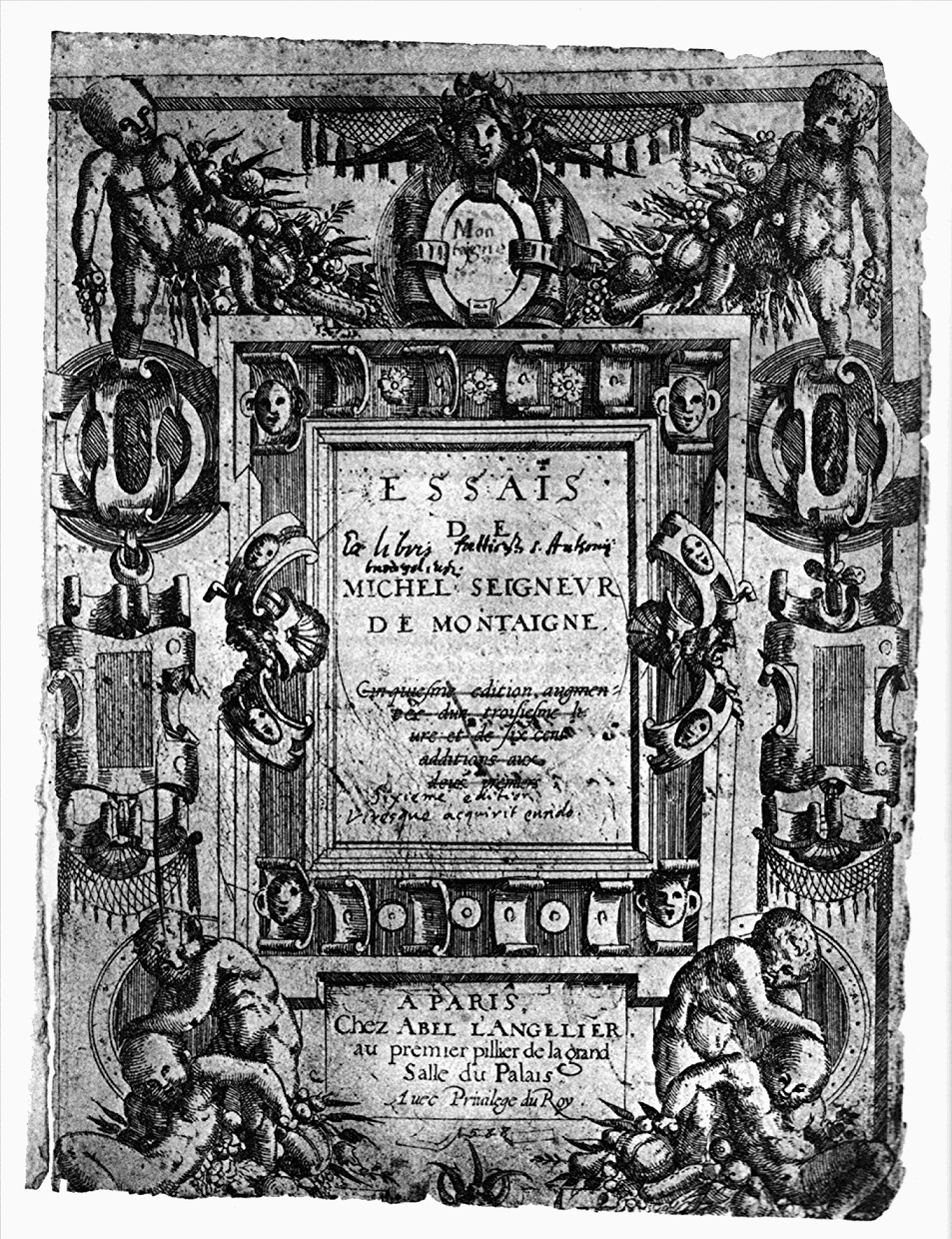 Book
Primary source
Essays
Michel de Montaigne · 1580–1595
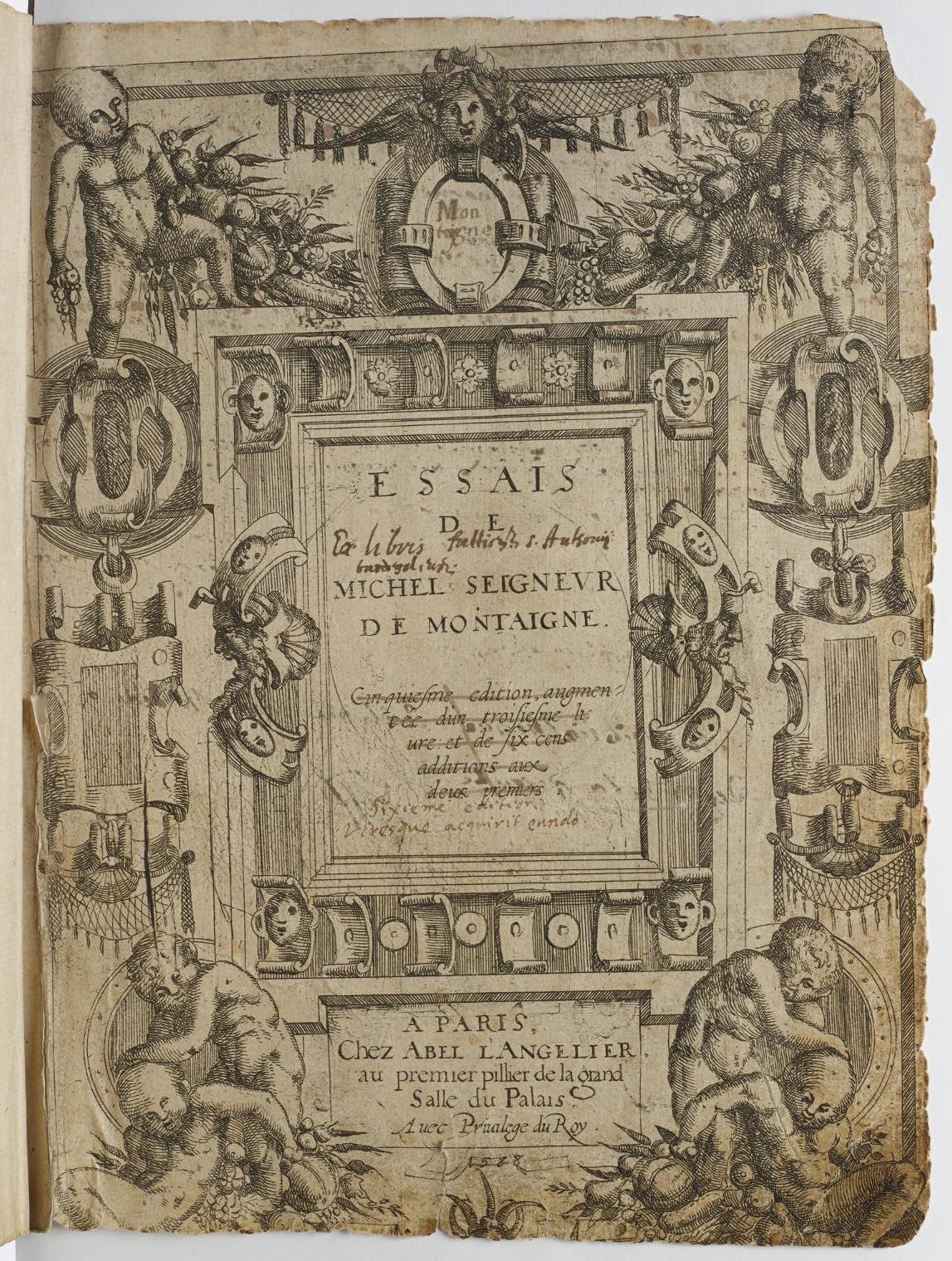 Book
Primary source
Bordeaux copy of the Essays
Michel de Montaigne · 1588–1592
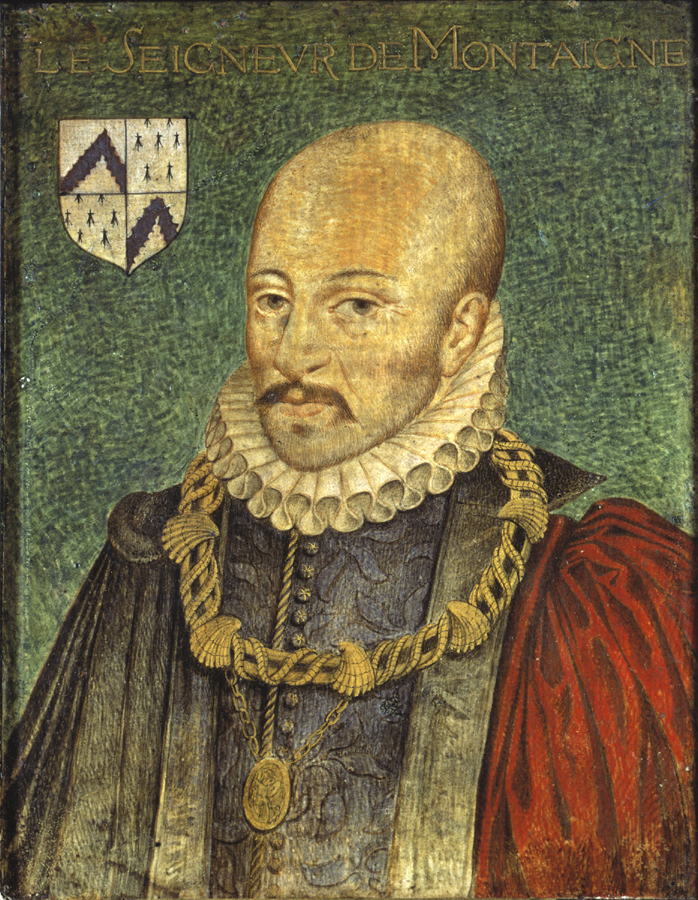 Painting
Primary source
Portrait of Michel de Montaigne
Unknown painter · c. 1578
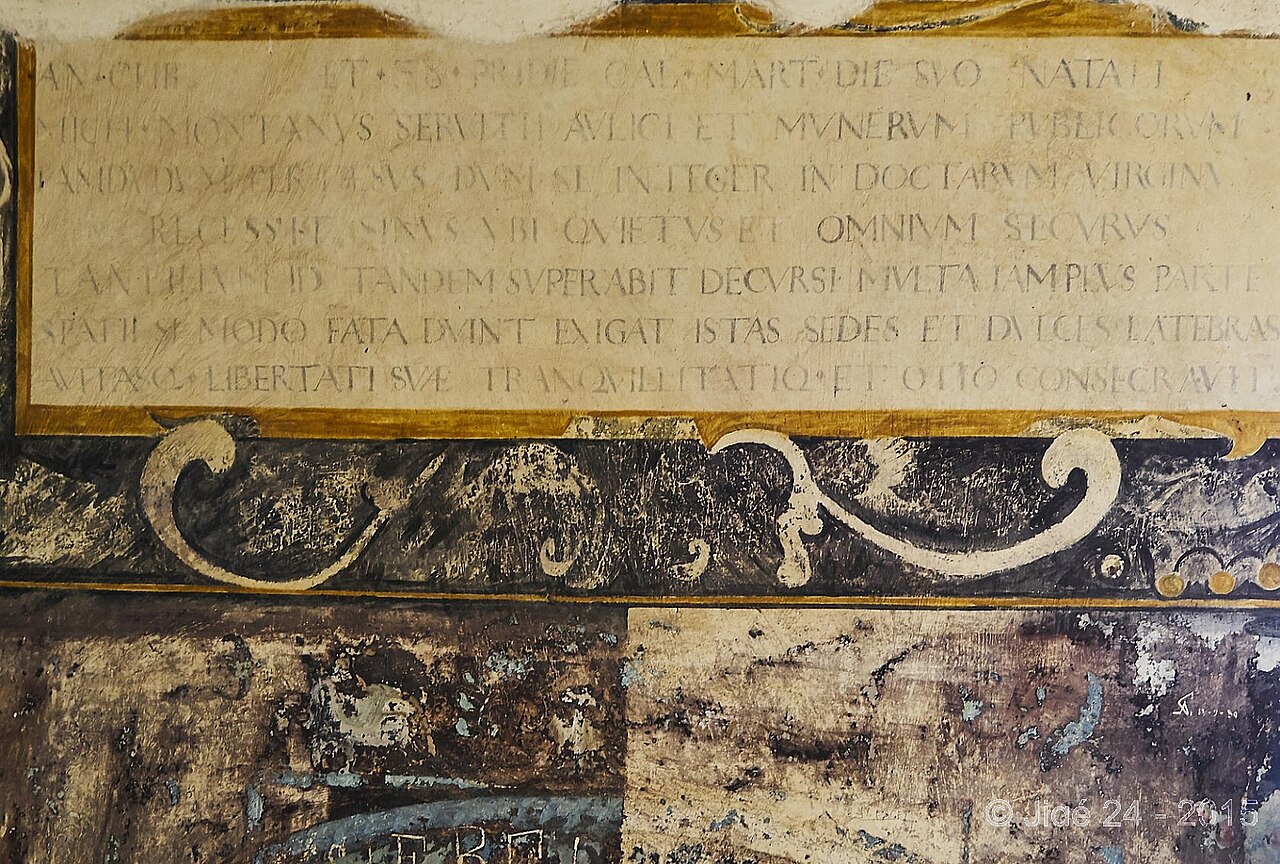 Artifact
Primary source
Montaigne's Tower
16th century, inscription dated 1571

Free account
Read every Michel de Montaigne source
Sign up free →
Ready when you are
Start chatting with Michel de Montaigne now.
20 messages free · No credit card · Available in 50+ languages.