


Primary sourceSculpture1718-1721
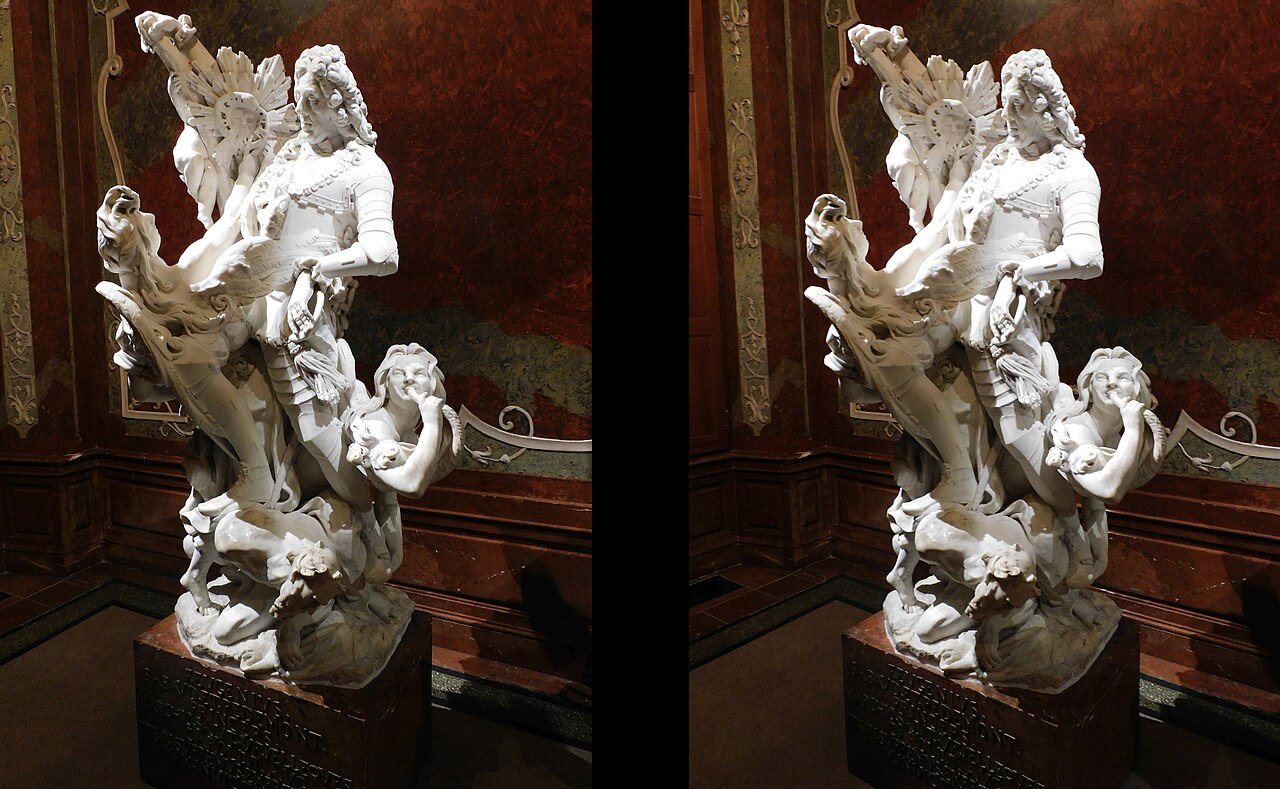
Apotheosis of Prince Eugene
Balthasar Permoser · 1718-1721
A marble sculpture by Balthasar Permoser, made during Eugene's lifetime, glorifying him as a hero in the style of Hercules.
Eugene commissioned this sculpture of himself as a Hercules-like hero, revealing his self-image.
About this source
What it is
This marble sculpture group was made by Balthasar Permoser between 1718 and 1721, commissioned by Eugene of Savoy himself. It is held today at the Österreichische Galerie Belvedere in Vienna. The central figure is shown with the attributes of Hercules, standing triumphantly above a defeated enemy figure.
Why it matters
Made while Eugene was still alive, the sculpture shows how he actively shaped his own image as a heroic, almost god-like military commander. Comparing a living ruler to Hercules was a common way for powerful figures of the time to claim glory and legitimacy, revealing how Eugene wanted history to remember him.
Look closer
- Why might Eugene have wanted to be shown as Hercules rather than as himself?
- What does the defeated figure beneath him represent, and why was it included?
- What does this sculpture tell us about how rulers used art to shape their reputation?
This sculpture is part of the curated material that grounds the AI version of Prince Eugene of Savoy on Humy.ai — when students ask about related events, the AI can quote it and cite it.
More Prince Eugene of Savoy sources
Browse all 89 →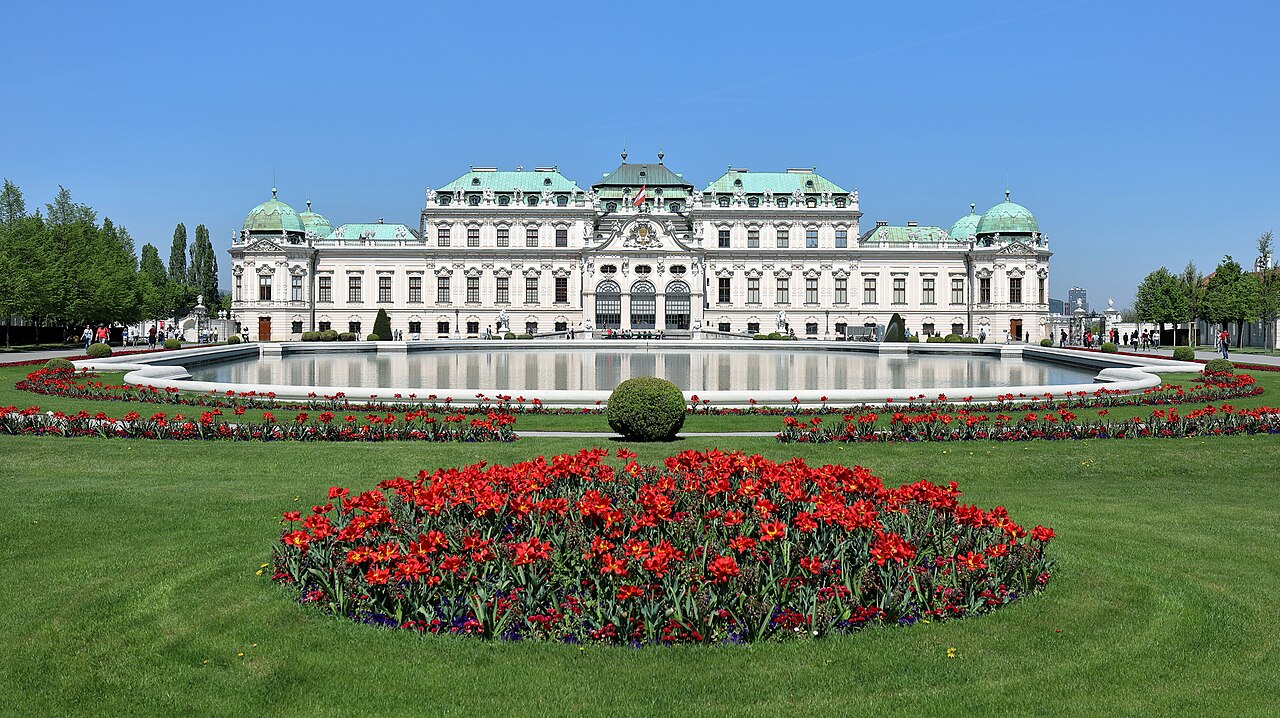 Artifact
Primary source
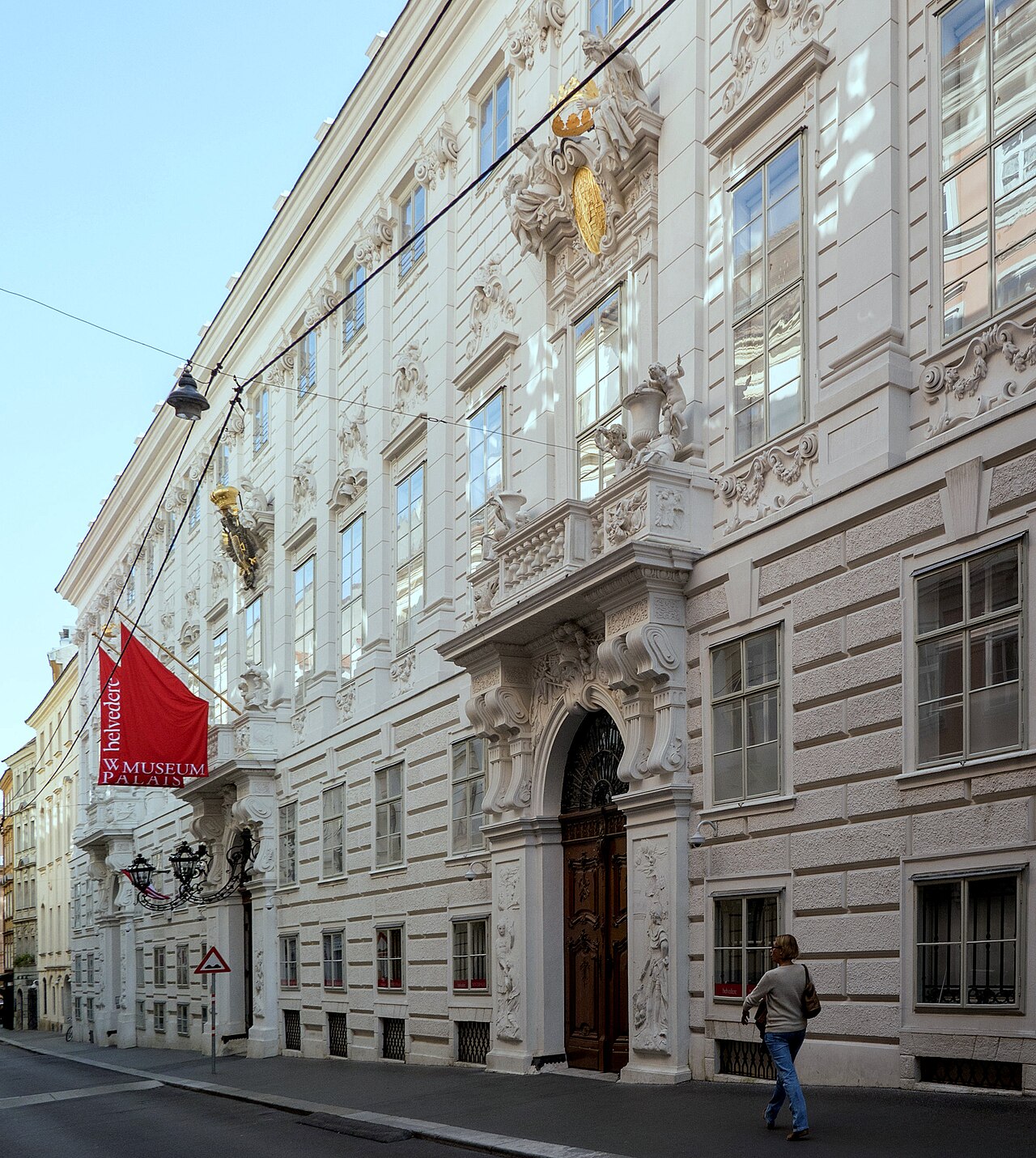
Belvedere
Johann Lukas von Hildebrandt · 1714
 Painting
Primary source
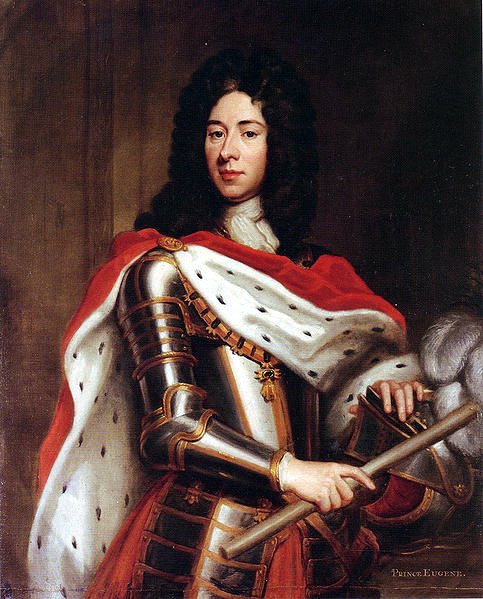
Portrait of Prince Eugene of Savoy
Godfrey Kneller · 1712
 Painting
Primary source
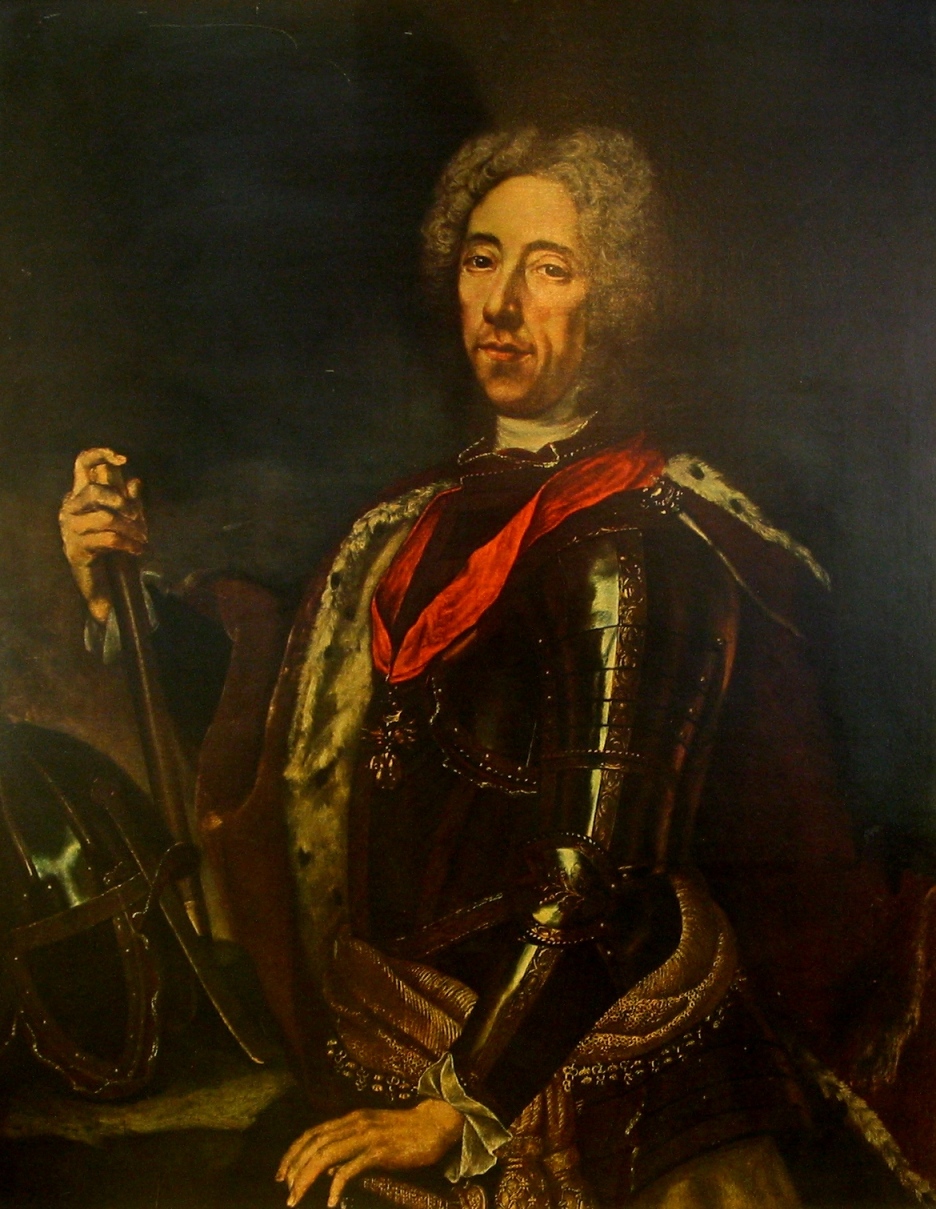
Portrait of Prince Eugene of Savoy
Jan Kupecký · 1717
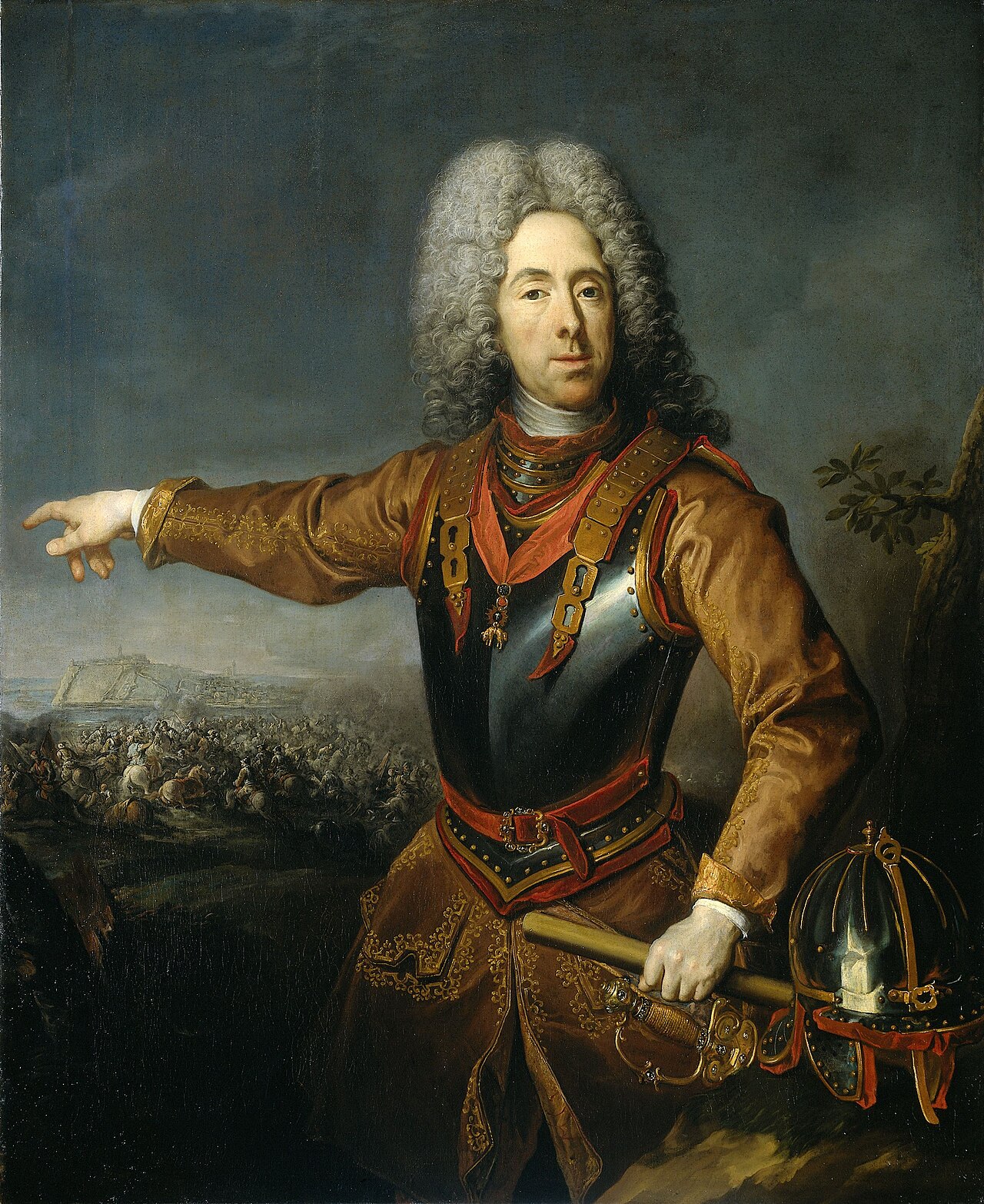 Painting
Primary source
Portrait of Eugene, Prince of Savoy
Jacob van Schuppen · 1718
Free account
Read every Prince Eugene of Savoy source
Sign up free →
Ready when you are
Start chatting with Prince Eugene of Savoy now.
20 messages free · No credit card · Available in 50+ languages.