


Secondary sourceArtifact312 BCE
Appian Way
312 BCE
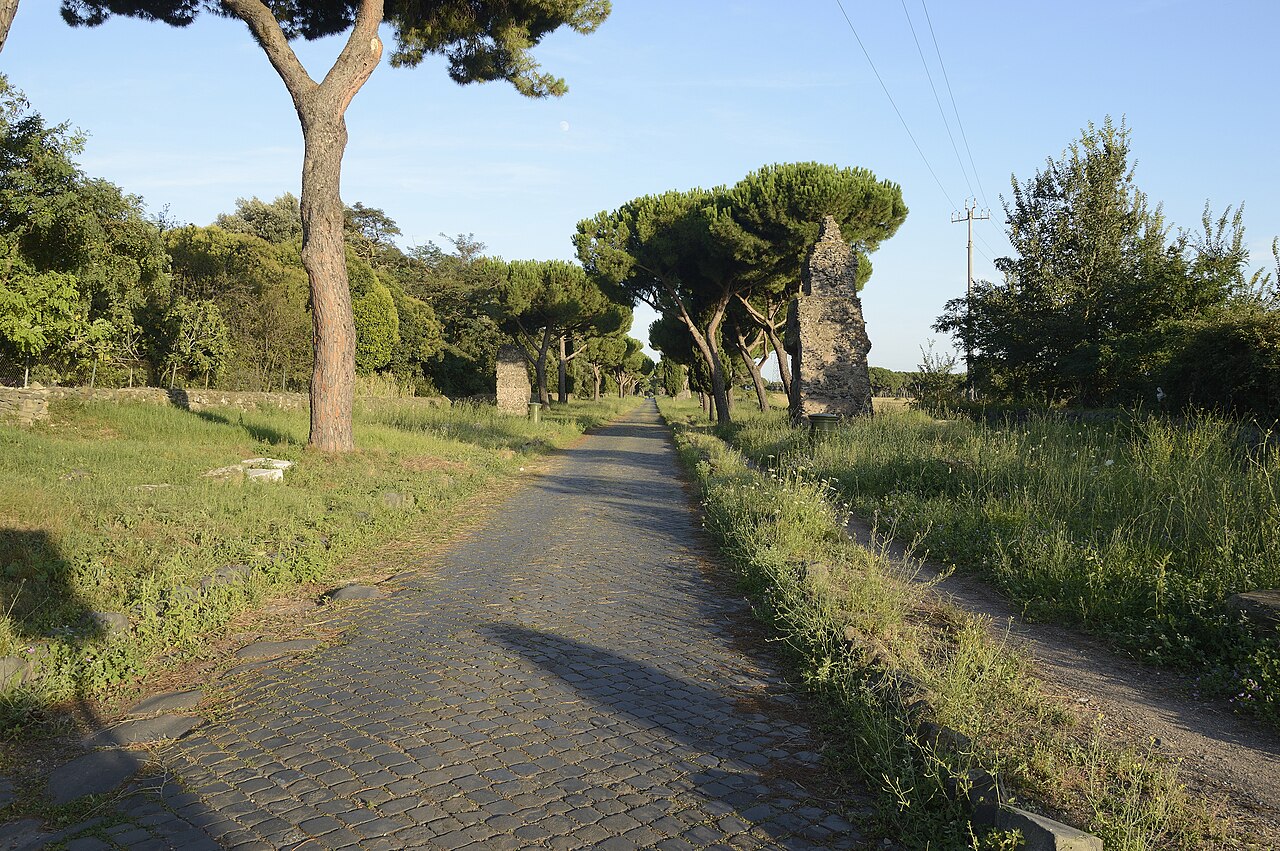
A Roman road between Capua and Rome along which Crassus crucified thousands of captured followers of Spartacus after the revolt was crushed.
Along this road Crassus crucified thousands of Spartacus's captured followers as a public warning after the revolt's defeat.
About this source
What it is
The Appian Way is one of the earliest major Roman roads, begun in 312 BCE by the censor Appius Claudius Caecus to link Rome with southern Italy. Long stretches of the ancient road survive today.
Why it matters
After defeating Spartacus's slave army, the Roman commander Crassus had thousands of captured rebels crucified along this road between Capua and Rome. The choice of this busy, strategic highway made the executions a visible warning to travelers and to anyone else who might consider rebellion against Rome.
Look closer
- Why would Rome choose a major road, rather than a hidden place, for this punishment?
- What does this use of the road reveal about how the Roman state treated enslaved people who resisted?
- How does a modern photograph of a peaceful road compare with what happened there in antiquity?
This artifact is part of the curated material that grounds the AI version of Spartacus on Humy.ai — when students ask about related events, the AI can quote it and cite it.
More Spartacus sources
Browse all 37 →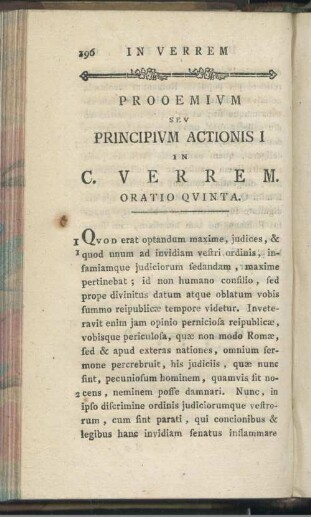 Speech
Primary source
In Verrem
Cicero · 70 BCE
 Book
Secondary source
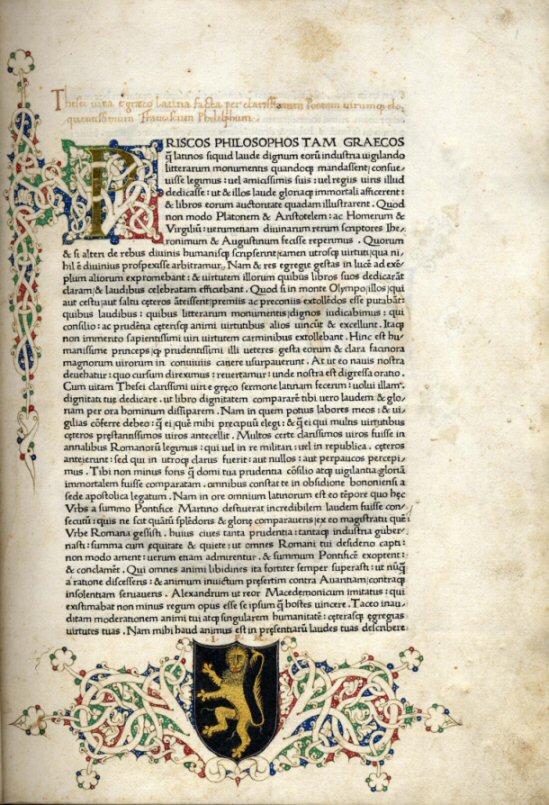
Parallel Lives
Plutarch · c. 100-120 AD
 Book
Primary source
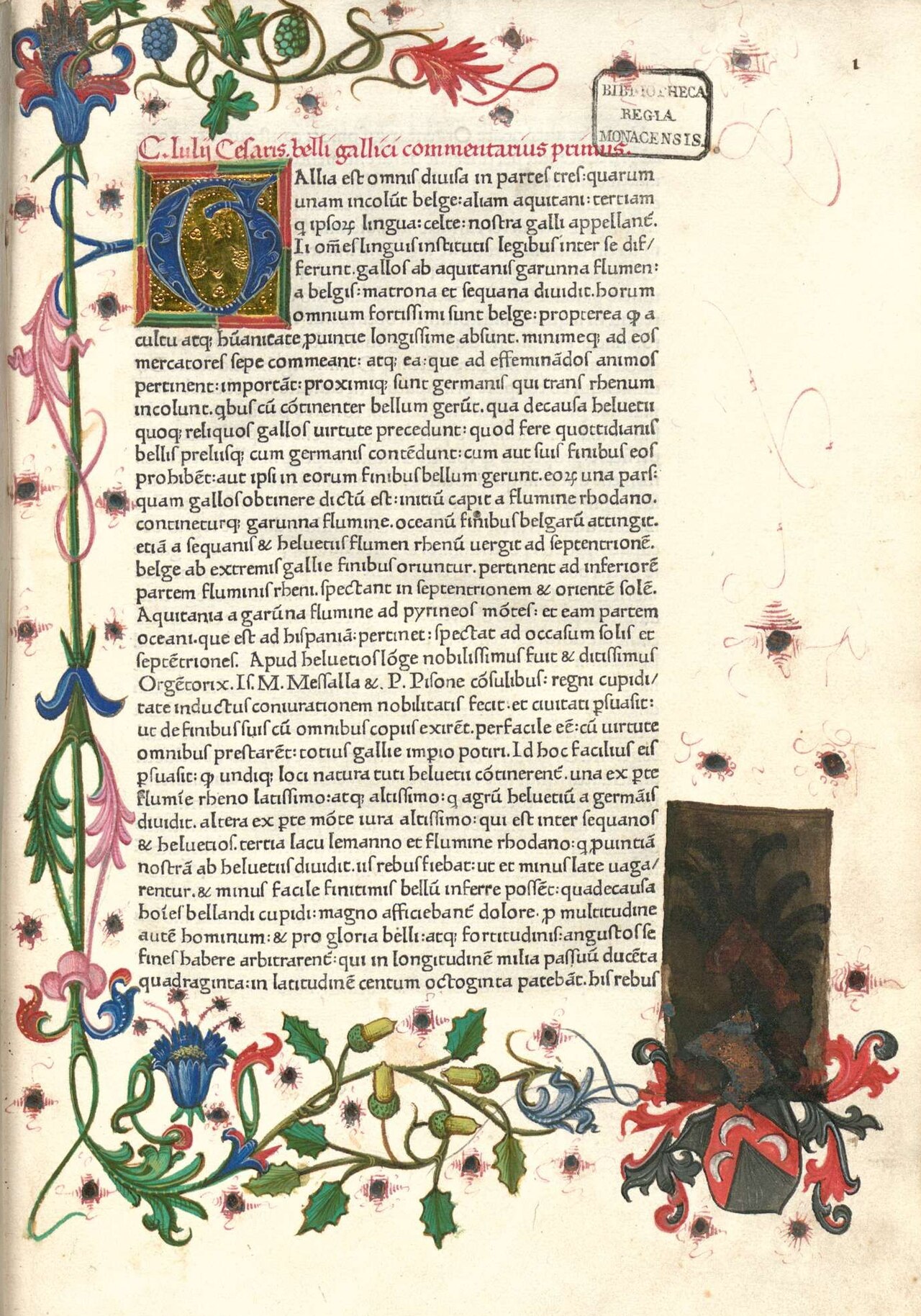
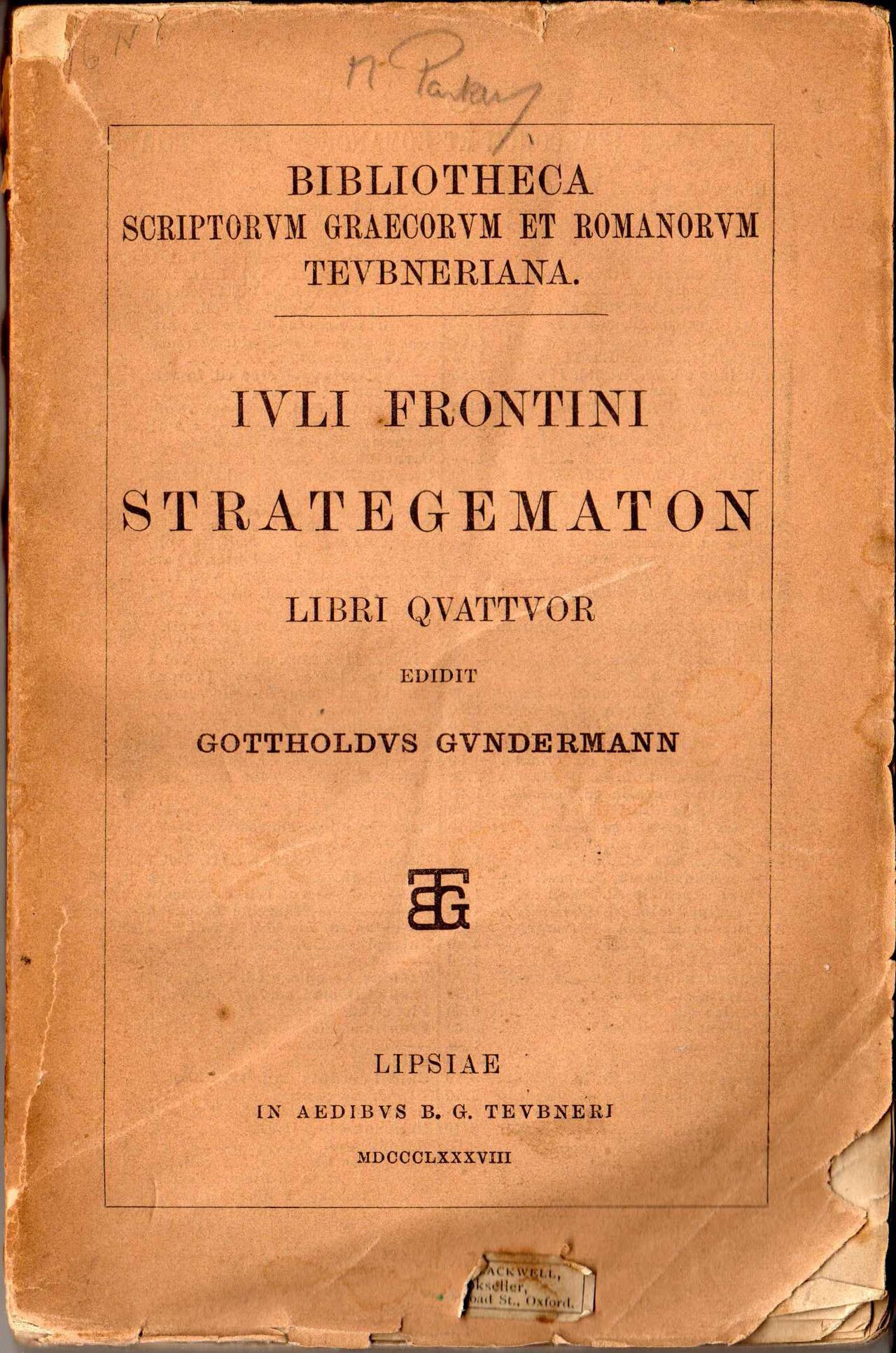
Commentarii de Bello Gallico
Julius Caesar · c. 58-50 BCE (this copy 1469)
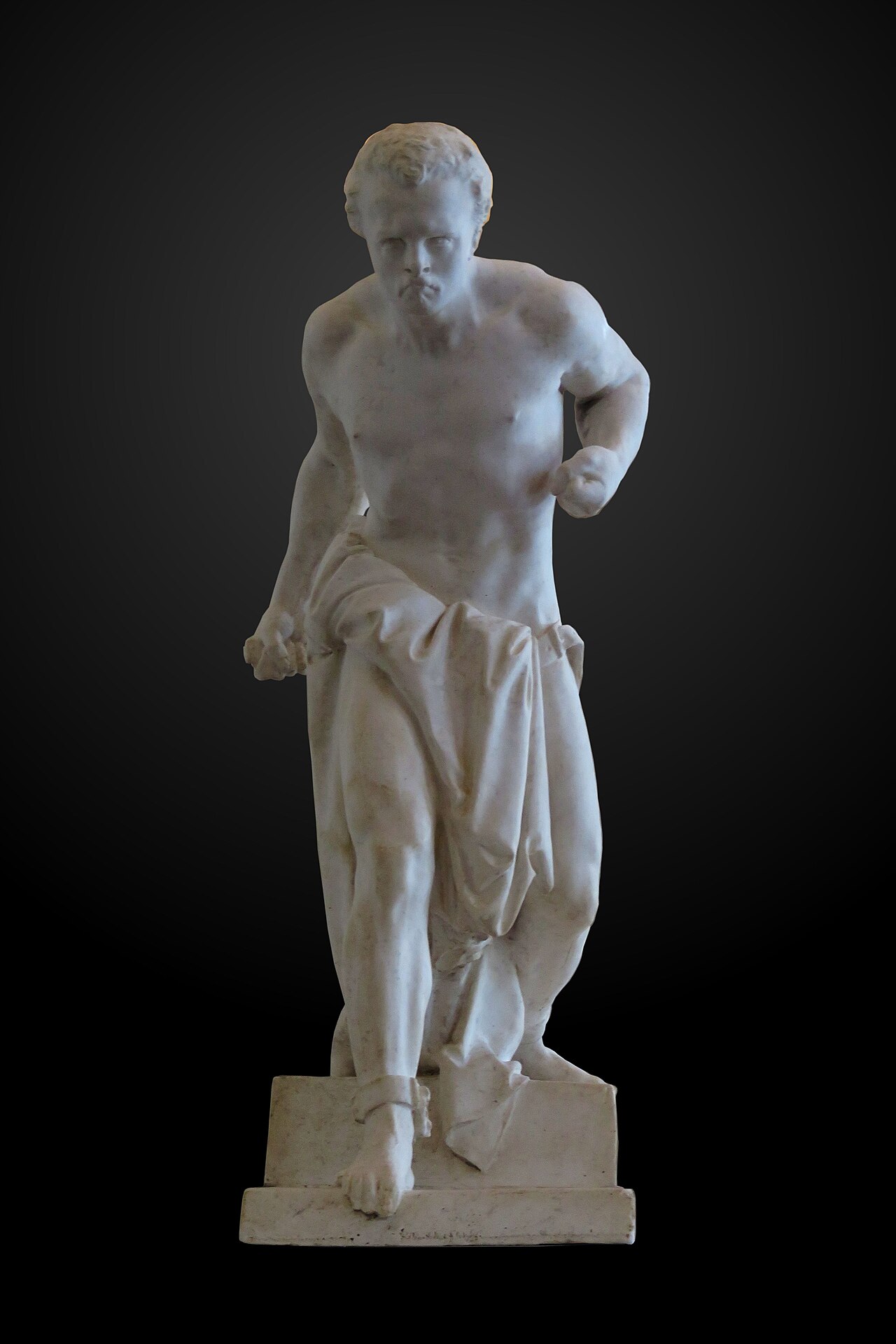 Sculpture
Secondary source
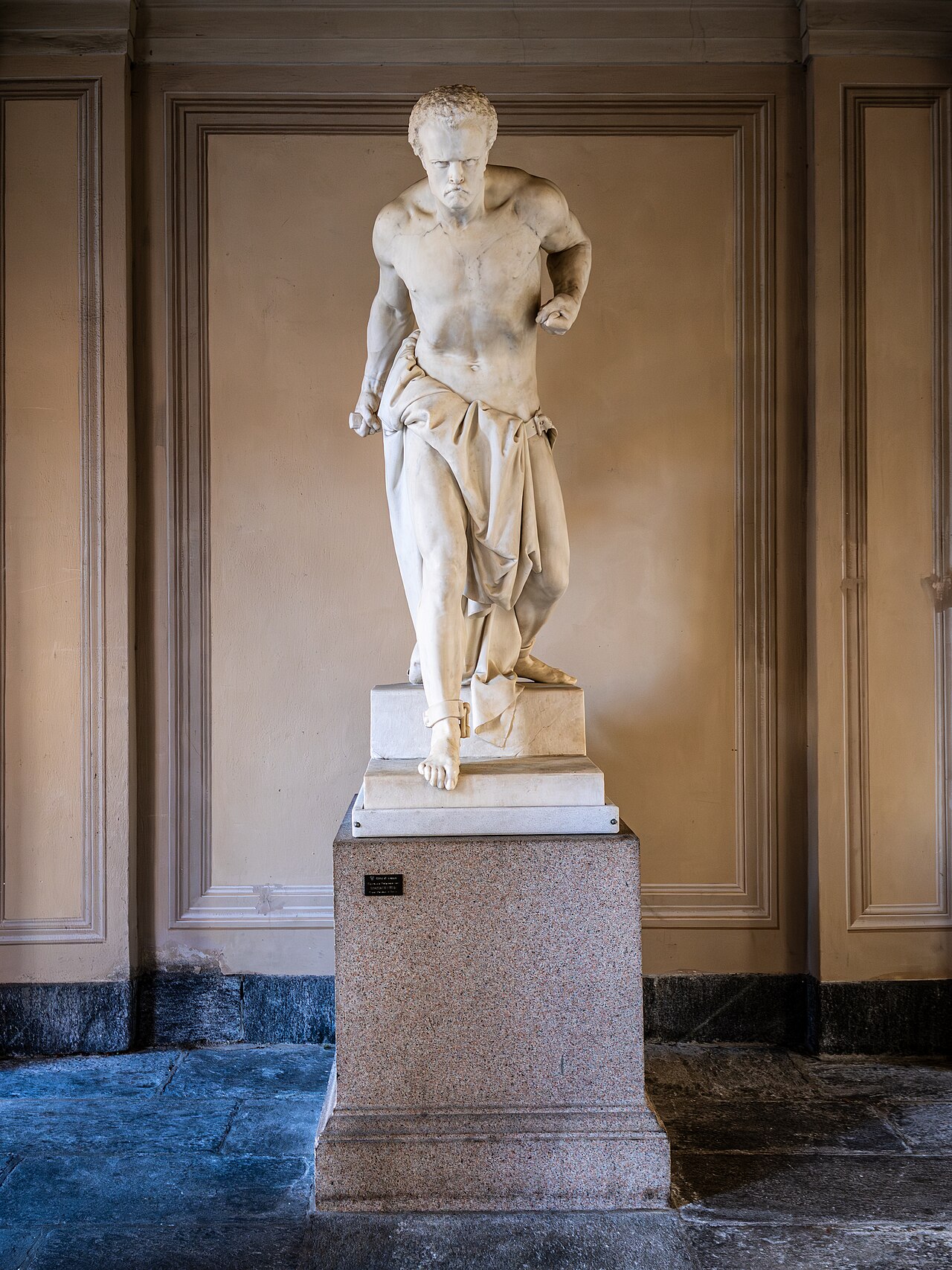
Spartacus
Vincenzo Vela · 1847-1848
Free account
Read every Spartacus source
Sign up free →
Ready when you are
Start chatting with Spartacus now.
20 messages free · No credit card · Available in 50+ languages.