


Primary sourceBook1908
Archaic Torso of Apollo
Rainer Maria Rilke · 1908
A sonnet by Rilke describing a headless, armless ancient statue of Apollo, ending with the famous demand 'you must change your life.'
Rilke's own sonnet, showing how his close study of ancient sculpture and of Rodin shaped his poetry.
Free Humy account · No credit card · 120,912 sources to read
About this source
What it is
"Archaic Torso of Apollo" is a sonnet by Rainer Maria Rilke, published in his 1908 collection New Poems. It describes the fragmentary remains of an ancient Greek statue of Apollo, imagining what the complete figure must once have looked like.
Why it matters
The poem is dedicated to the sculptor Auguste Rodin, whose ideas about how a fragment of a body can hold the completeness of a whole clearly shaped Rilke's thinking here. The poem's famous closing demand, "you must change your life," turns the act of looking at ancient art into a moral challenge, and the line later gave its title to a philosophy book by Peter Sloterdijk.
Look closer
- How can a broken, headless statue still feel full of life and power in the poem?
- Why might Rilke have dedicated this poem to Rodin rather than to the ancient sculptor, whose name is unknown?
- What does the final line ask of the reader, and why might that feel surprising after a poem about a statue?
This book is part of the curated material that grounds the AI version of Rainer Maria Rilke on Humy.ai — when students ask about related events, the AI can quote it and cite it.
More Rainer Maria Rilke sources
Browse all 87 →Primary source
The Panther
Rainer Maria Rilke · 1902
 Book
Primary source
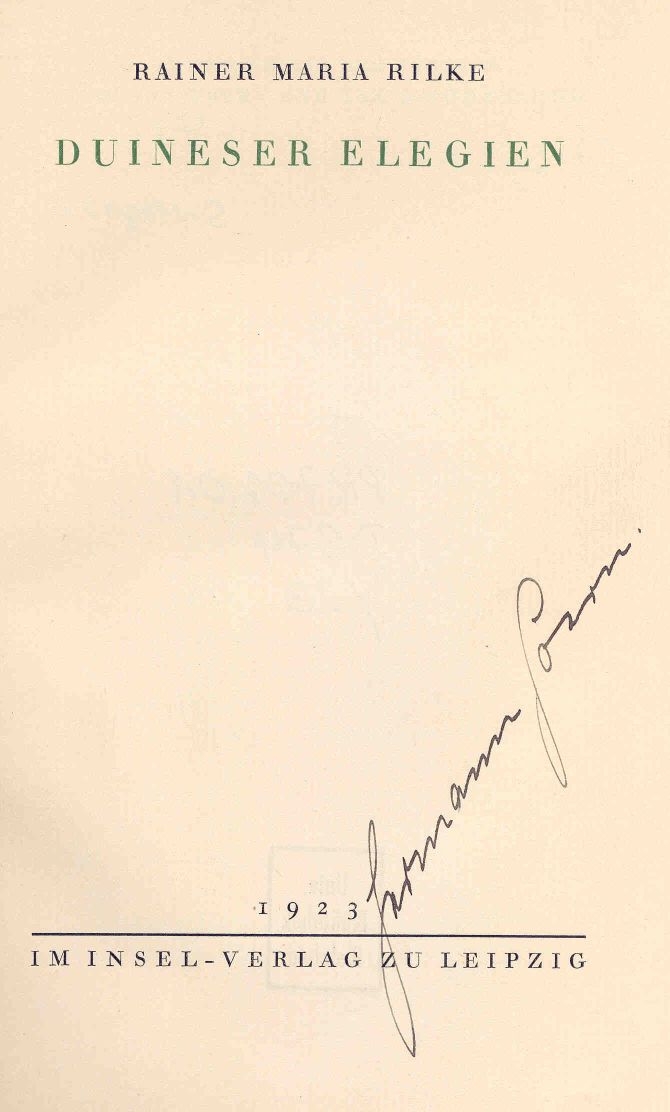
Duino Elegies
Rainer Maria Rilke · 1923
 Book
Primary source
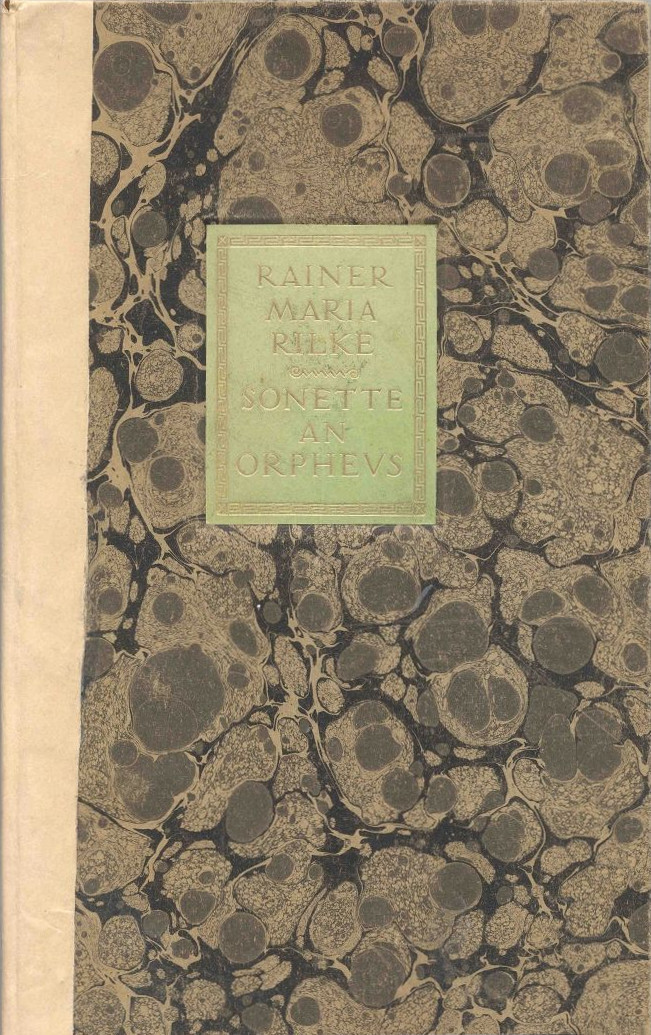
Sonnets to Orpheus
Rainer Maria Rilke · 1923
Primary source
Autumnal Day
Rainer Maria Rilke · 1902
Free account
Read every Rainer Maria Rilke source
Sign up free →
Ready when you are
Start chatting with Rainer Maria Rilke now.
20 messages free · No credit card · Available in 50+ languages.