


Primary sourceArtifactearly 20th century
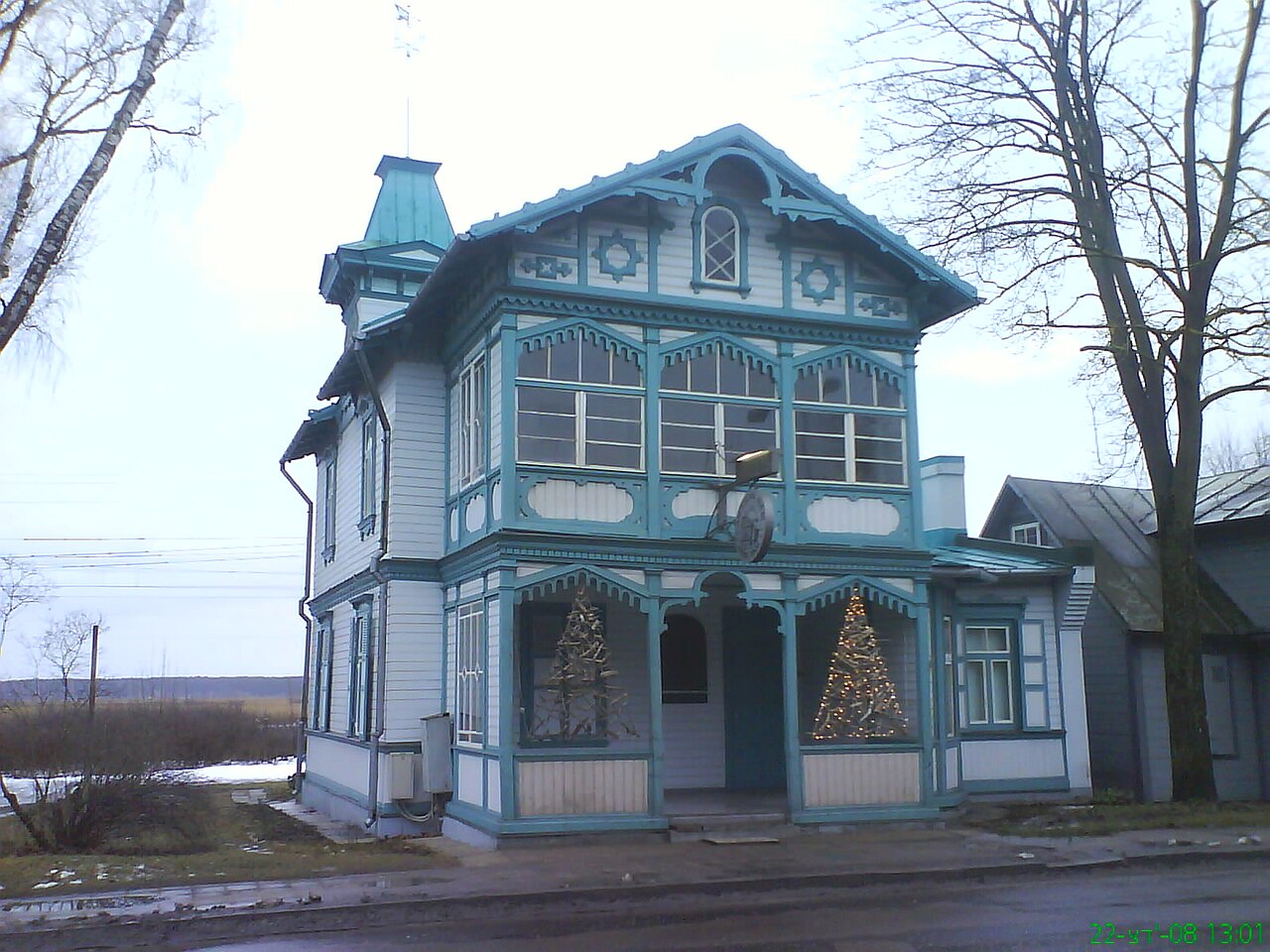
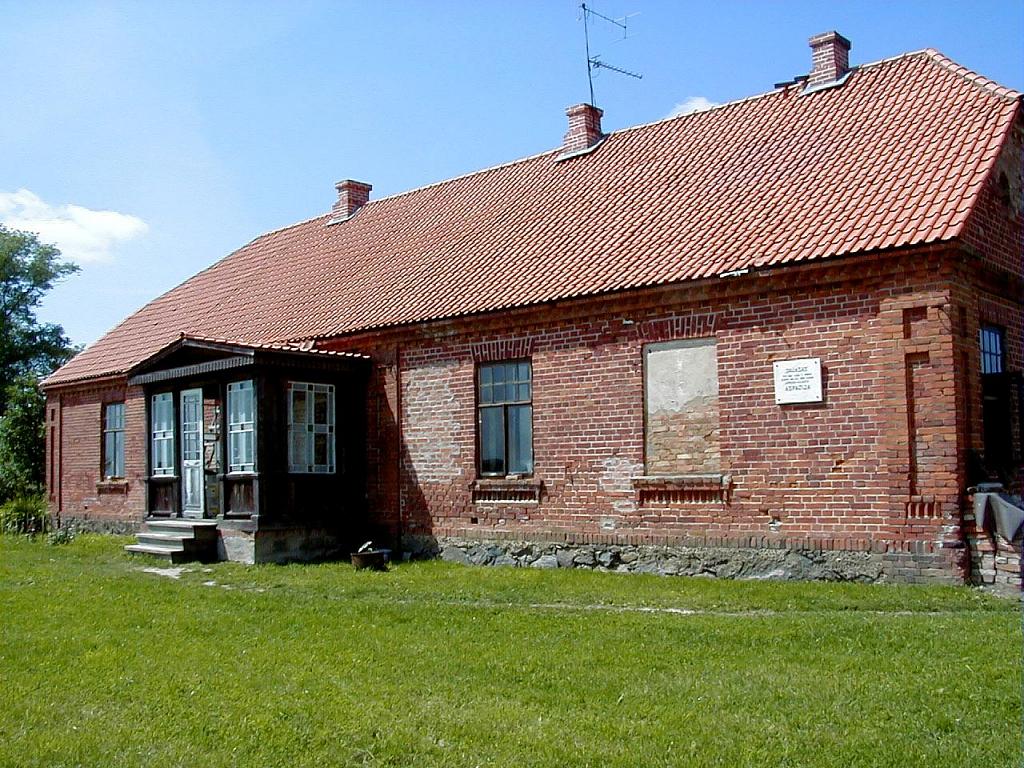
Aspazija's House in Dubulti, Jūrmala
early 20th century
The wooden summer house in Dubulti where Aspazija lived privately in her later years and where she died in 1943.
This was Aspazija's private summer home in her later years and the place where she died in 1943.
Free Humy account · No credit card · 120,912 sources to read
About this source
What it is
This is a two-storey wooden house with carved gables and a tower roof, located in Dubulti, Jūrmala. It dates from the early twentieth century and is now held by the Jūrmala City Museum. The photograph shows the house decorated for winter with Christmas trees on its veranda.
Why it matters
After the death of her partner Rainis, Aspazija lived very privately, dividing her time between Riga and this summer house, where she died on 5 November 1943. The preserved interiors and the building itself offer insight into the private, later life of a major Latvian literary figure, away from public attention.
Look closer
- What does the choice to live privately suggest about Aspazija's life after Rainis's death?
- Why might a historic house like this be preserved as a museum?
- What questions can a building answer about a person that a photograph cannot?
This artifact is part of the curated material that grounds the AI version of Aspazija on Humy.ai — when students ask about related events, the AI can quote it and cite it.
More Aspazija sources
Browse all 24 →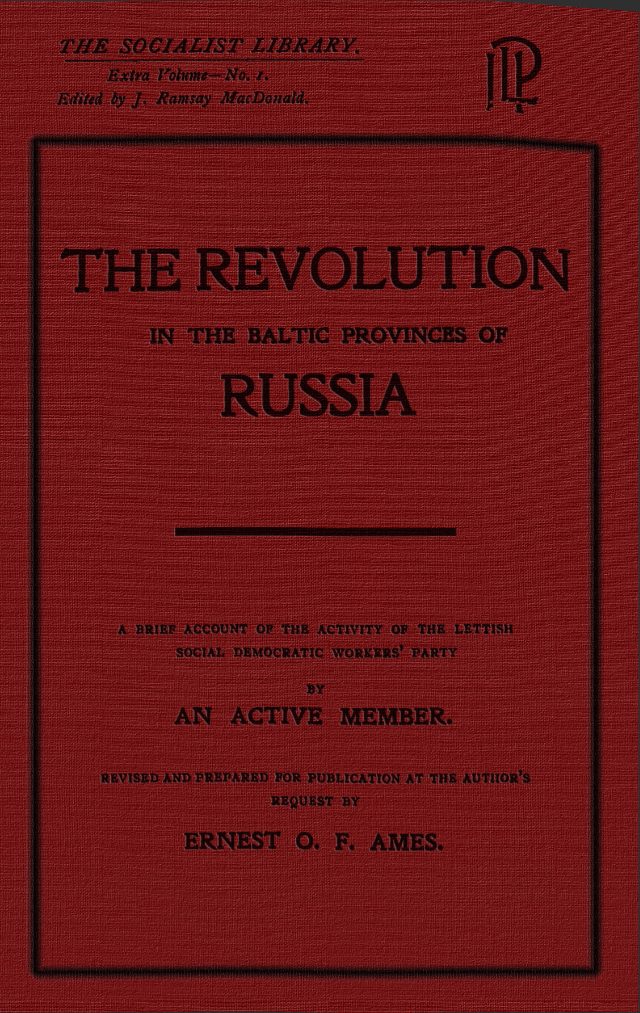 Book
Primary source
The Revolution in the Baltic Provinces of Russia
An active member of the Lettish Social Democratic Workers' Party (revised by Ernest O. F. Ames) · 1907
 Photograph
Primary source
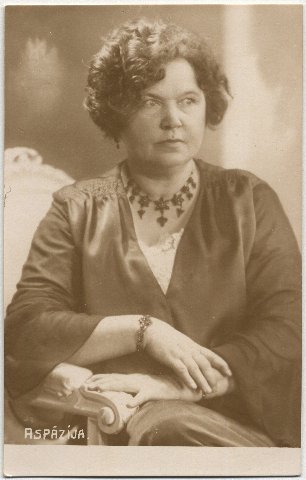
Portrait of Aspazija
Unknown · 1920
 Photograph
Primary source
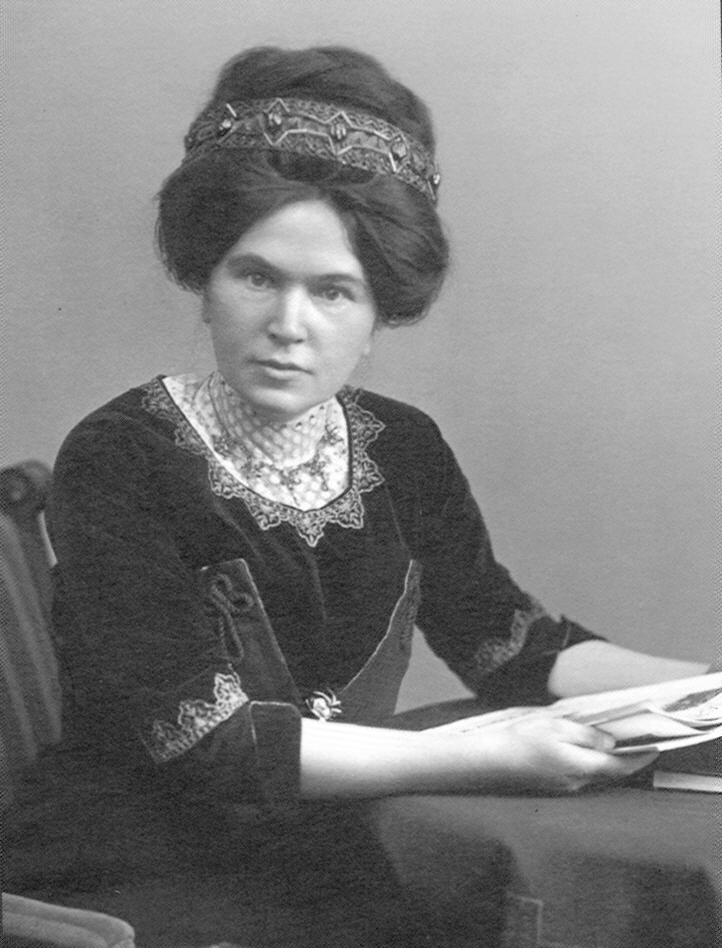
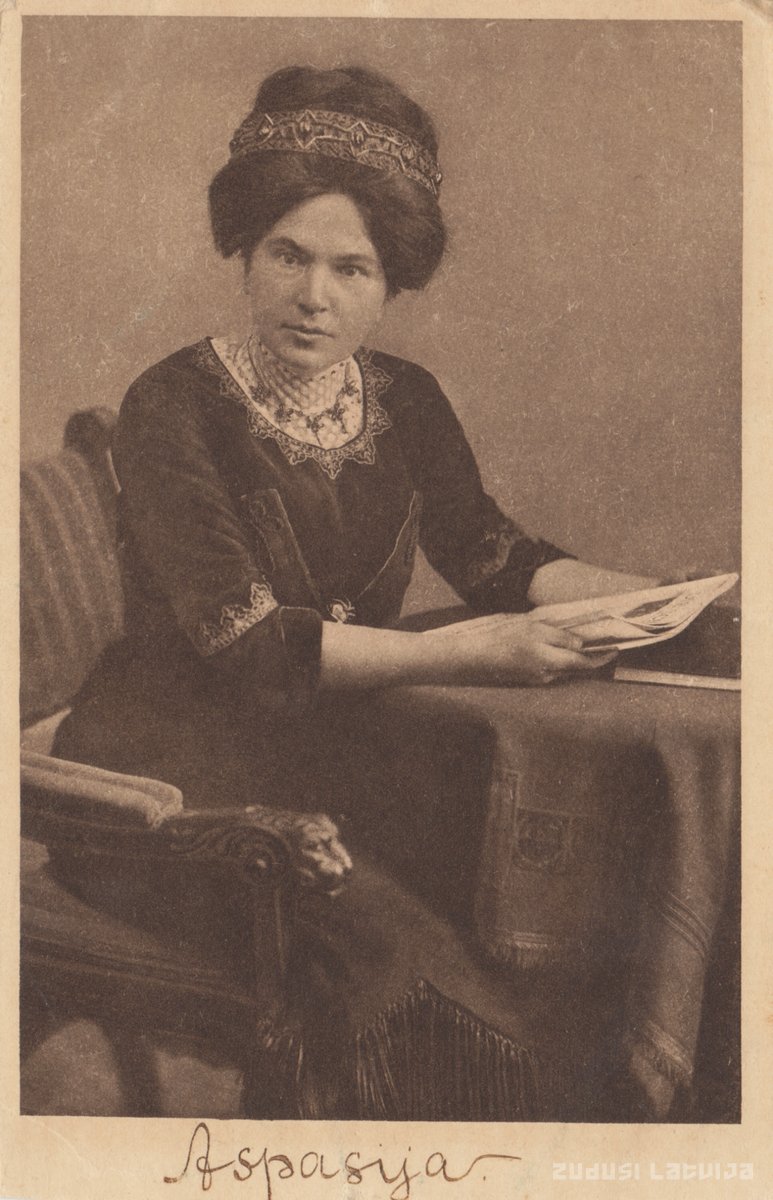
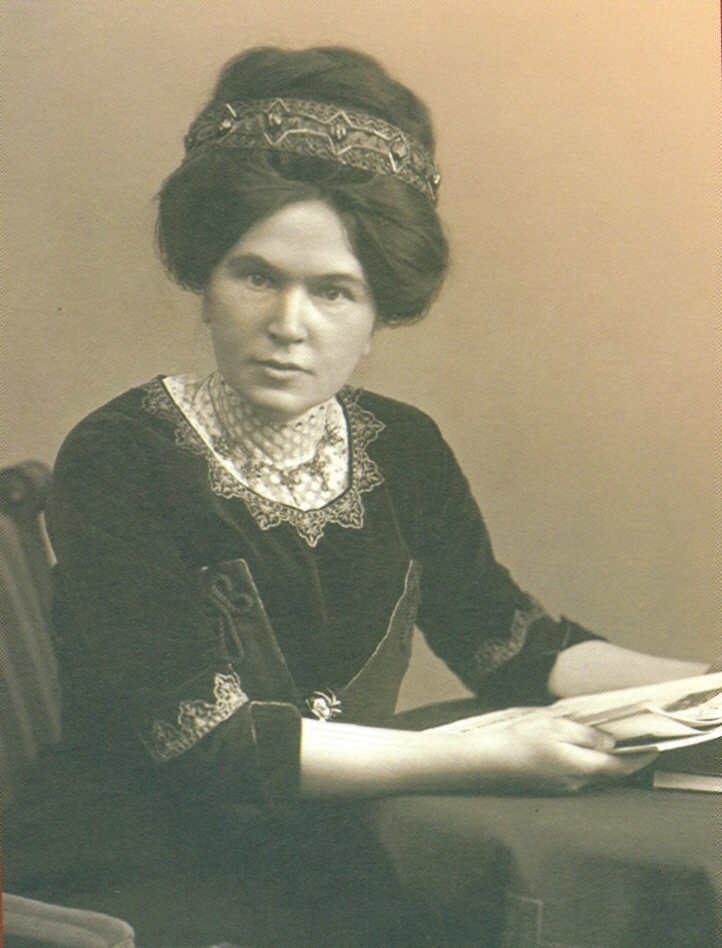
Aspazija Seated with a Book
Unknown
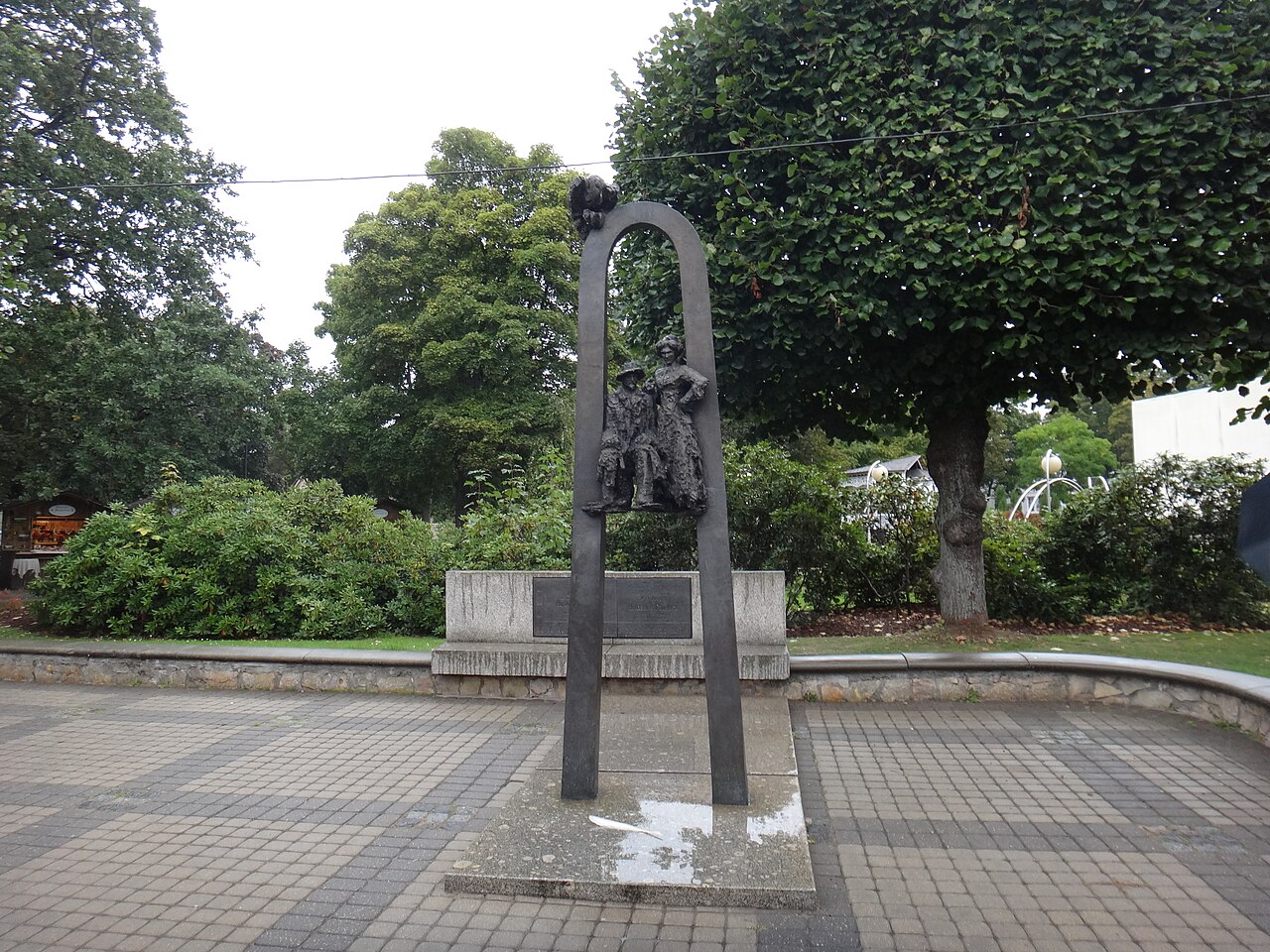 Sculpture
Secondary source
Jūrmala Sculpture, Panoramio Photo 2012
karel291 (photographer) · 10 February 2012
Free account
Read every Aspazija source
Sign up free →
Ready when you are
Start chatting with Aspazija now.
20 messages free · No credit card · Available in 50+ languages.