


Secondary sourcePaintingpublished in the nineteenth century
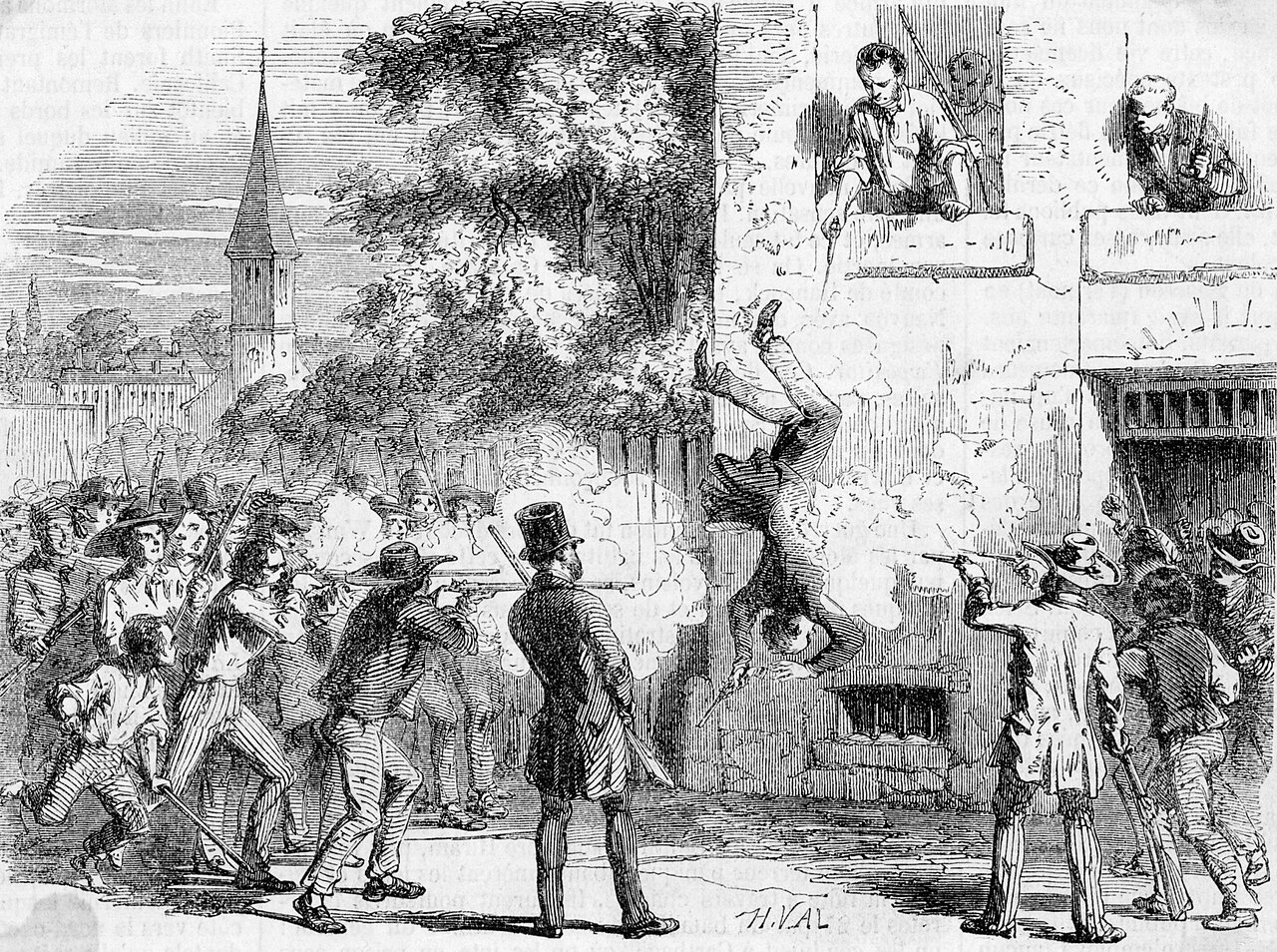
Assassination of Joseph Smith
published in the nineteenth century
A nineteenth-century etching of the killing of Smith by a mob. The artist is unknown, and it was made after the event.
Shows how Smith's violent death was pictured for later audiences, after the event in which he was killed.
About this source
What it is
This is a black-and-white etching of a street scene. A mob of armed men fires at a man in a light shirt and dark trousers who is falling backward from a jail-like building. Two men lean from upper windows, a church spire stands at left, and a top-hatted figure watches in the center. The record credits the image to Corbis, and the artist is unknown.
Why it matters
Smith was killed by a armed mob at the Carthage Jail in Illinois in 1844. This print was made later, after the event, so it reflects how people in the nineteenth century imagined and spread the story. It helps students see how violent events in the Latter Day Saint story were reproduced for public audiences.
Look closer
- Who is shown as attacking, and who is shown as the victim?
- Which parts of the scene seem to be imagined by the artist rather than recorded?
- How might a viewer in the nineteenth century have read this violent scene?
This painting is part of the curated material that grounds the AI version of Joseph Smith on Humy.ai — when students ask about related events, the AI can quote it and cite it.
More Joseph Smith sources
Meet the AI Joseph Smith →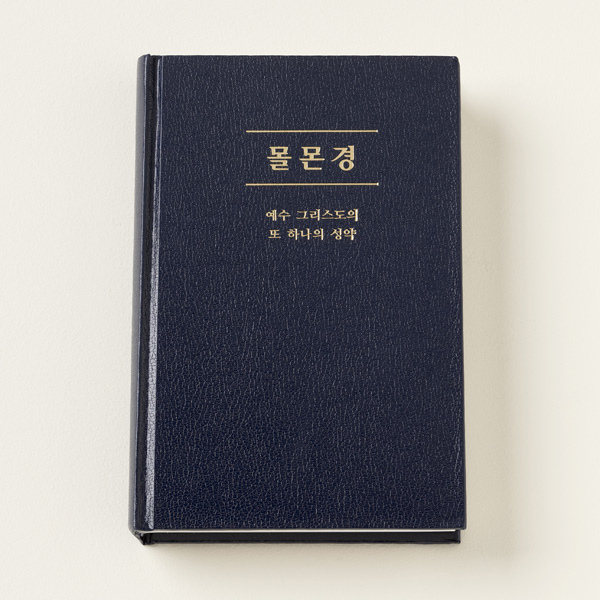 Book
Primary source
Book of Mormon
Joseph Smith · 1830
 Document
Primary source
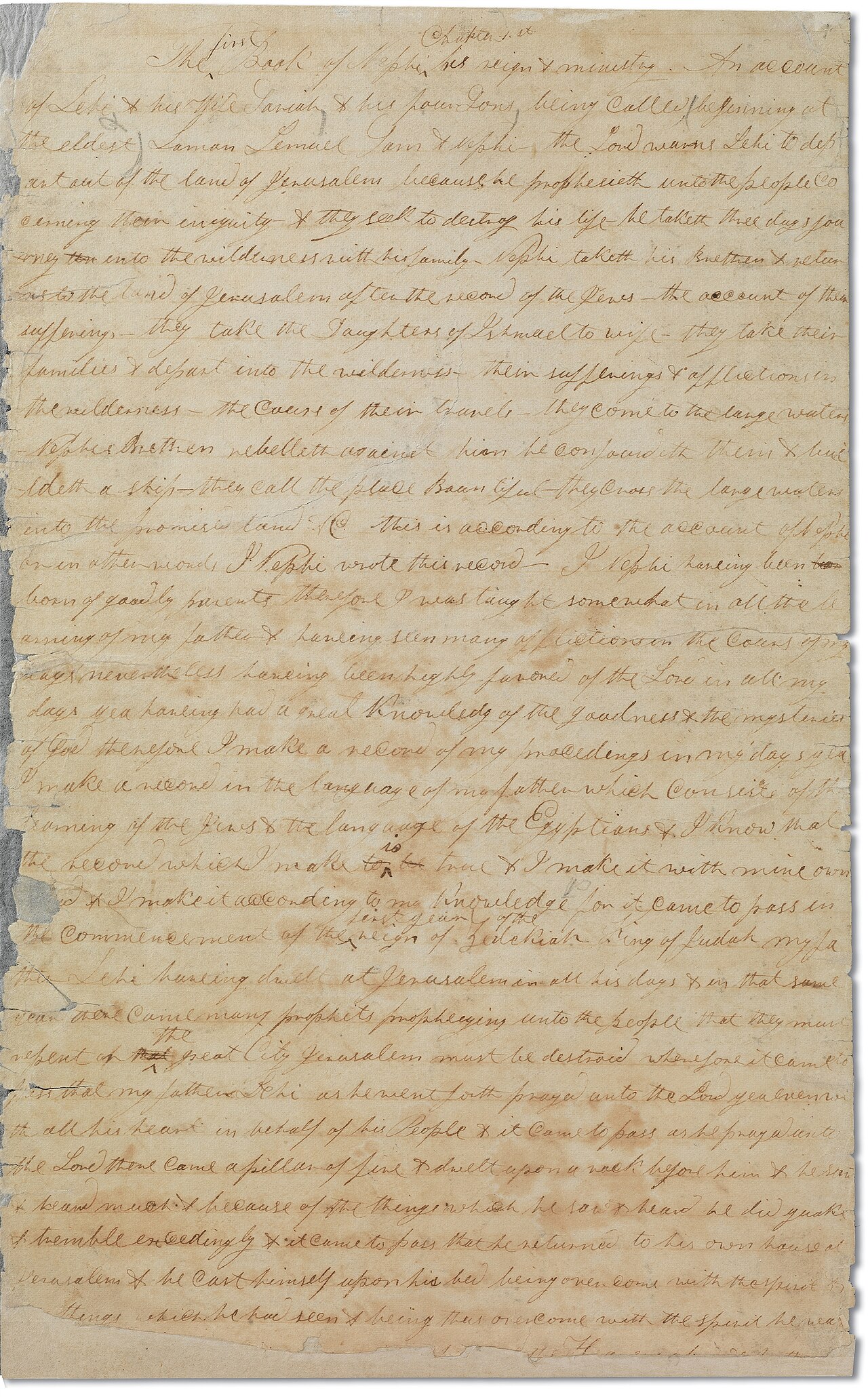
Printer's Manuscript of the Book of Mormon
Joseph Smith (dictated); Oliver Cowdery and other scribes · 1829–1830
 Book
Primary source
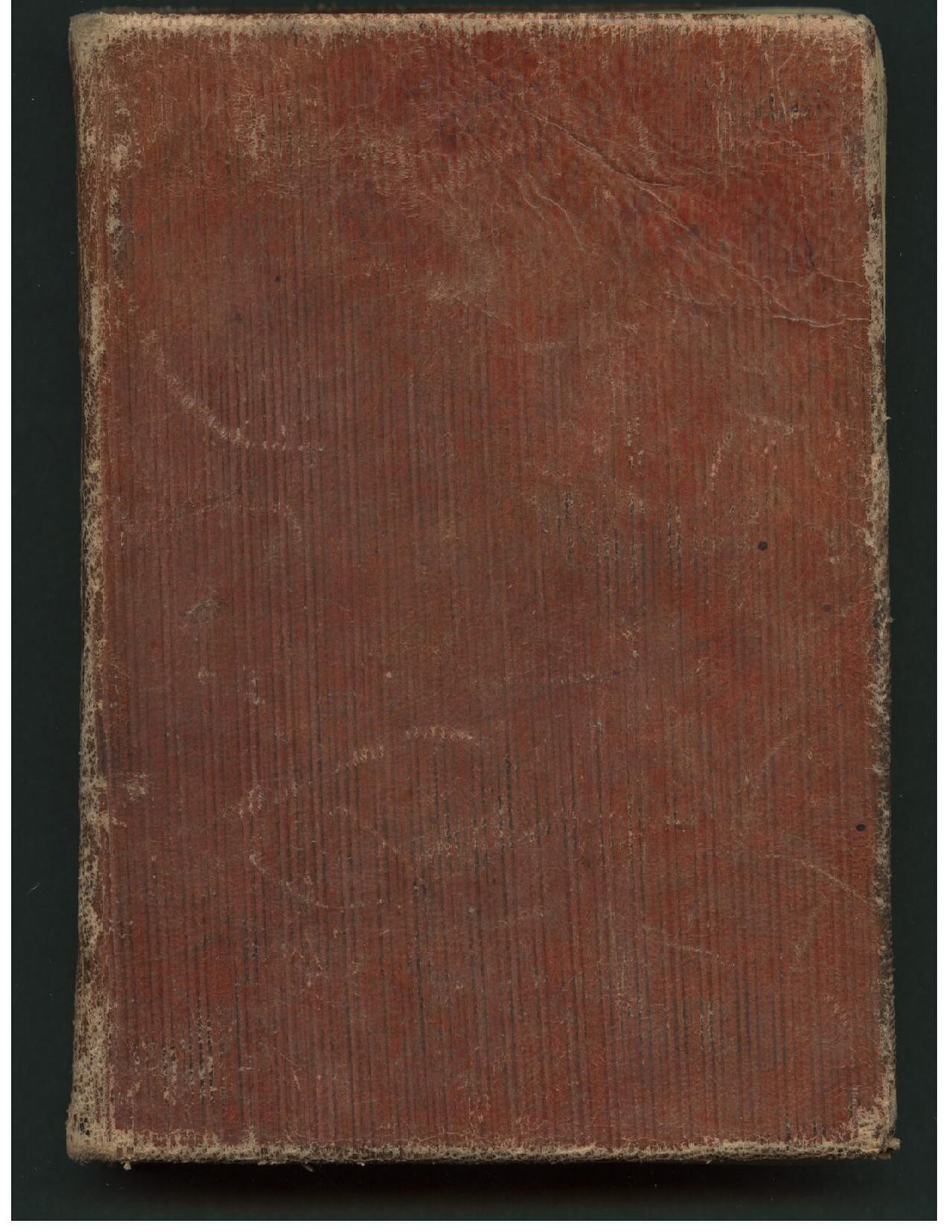
A Book of Commandments for the Government of the Church of Christ
Joseph Smith · 1833
 Document
Primary source
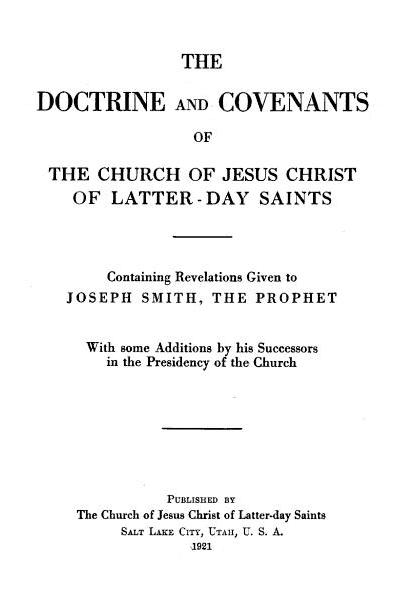
Doctrine and Covenants
Joseph Smith · 1835
Primary source
Wentworth Letter
Joseph Smith · 1842
Ready when you are
Start chatting with Joseph Smith now.
20 messages free · No credit card · Available in 50+ languages.