


Secondary sourceSculpture447 BC
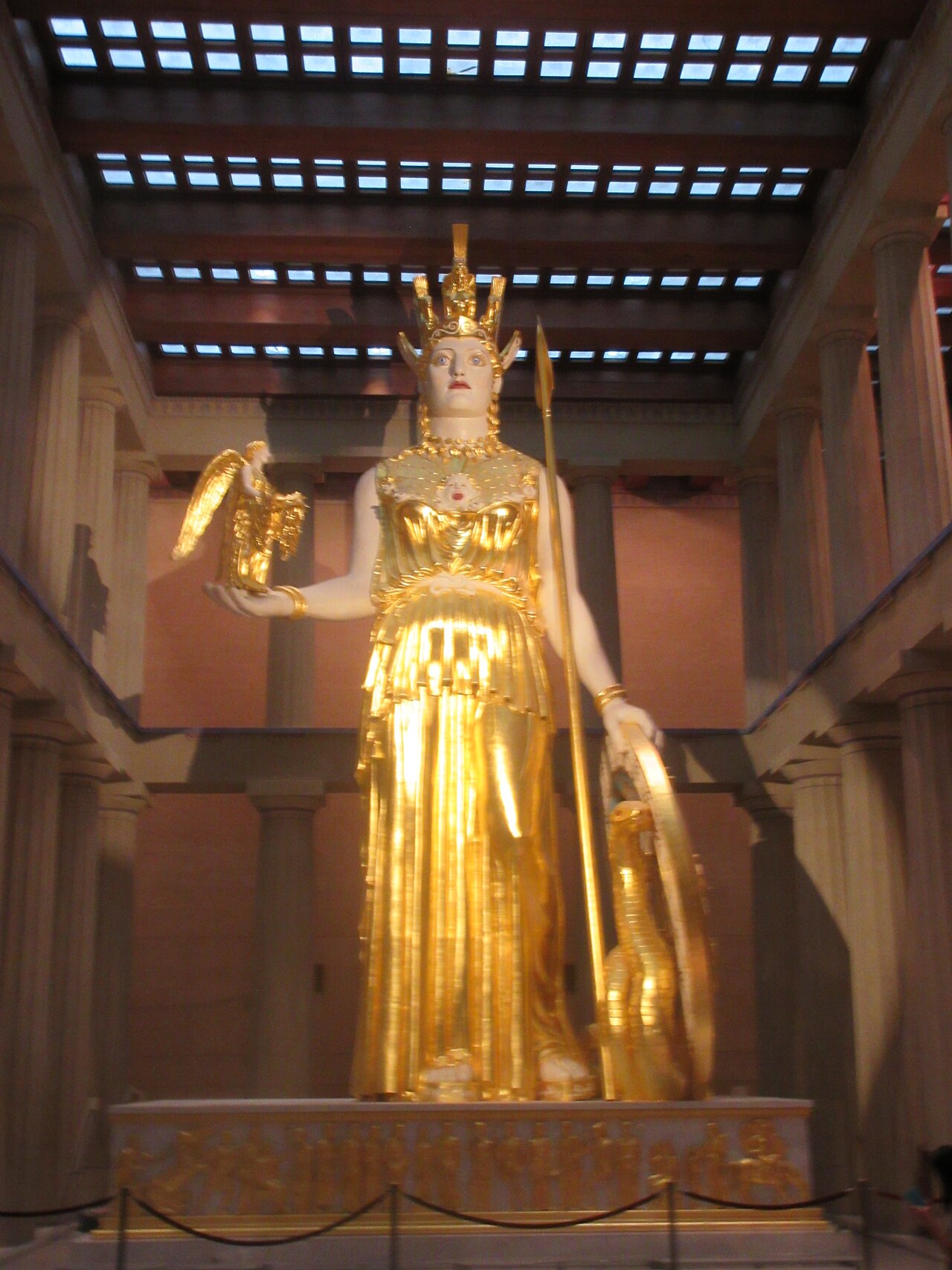
Athena Parthenos
Phidias · 447 BC
A colossal gold-and-ivory statue of Athena by Phidias, centerpiece of the Acropolis building program overseen by Pericles.
Pericles commissioned this statue as part of his Acropolis building program, using League funds.
About this source
What it is
The Athena Parthenos was a huge statue of the goddess Athena, made of gold and ivory over a wooden core, created by the sculptor Phidias around the mid-400s BC. It stood inside the Parthenon on the Acropolis of Athens. The original was lost long ago; the image shown here is a modern full-size replica.
Why it matters
Pericles chose Phidias to oversee the entire building program on the Acropolis, including this statue, using funds drawn from the Delian League's treasury. The statue's gold was so valuable that it was treated as a financial reserve for Athens in wartime. It shows how religion, art, politics, and money were tied together in Pericles' Athens.
Look closer
- Why might a city build a statue so costly that its gold could be melted down for war funds?
- What does commissioning such a grand statue tell us about what Pericles wanted Athens to look like to the rest of Greece?
- How might a replica differ from seeing the lost original?
This sculpture is part of the curated material that grounds the AI version of Pericles on Humy.ai — when students ask about related events, the AI can quote it and cite it.
More Pericles sources
Meet the AI Pericles →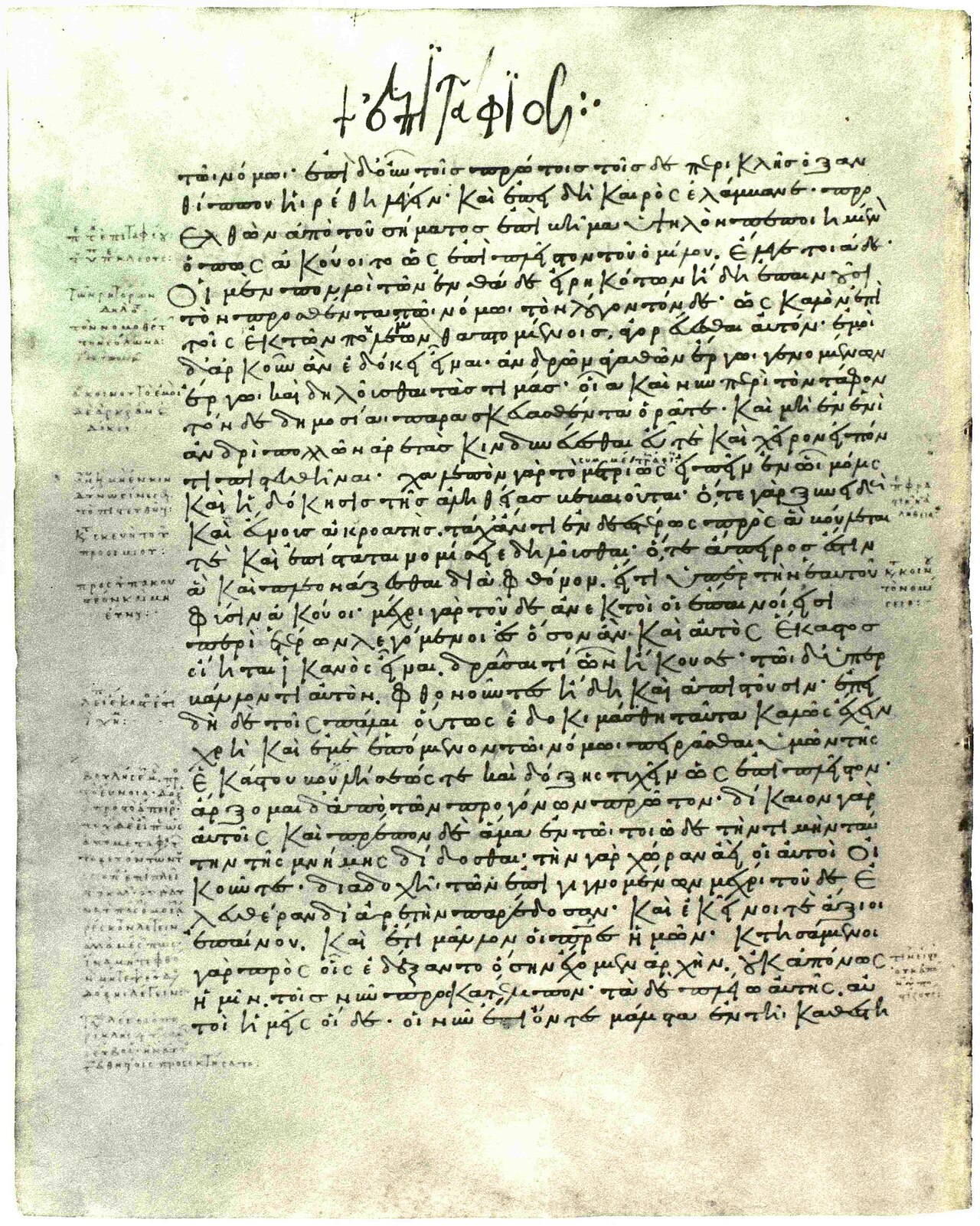 Speech
Secondary source
Pericles' Funeral Oration
Thucydides · 431/430 BCE
 Artifact
Primary source
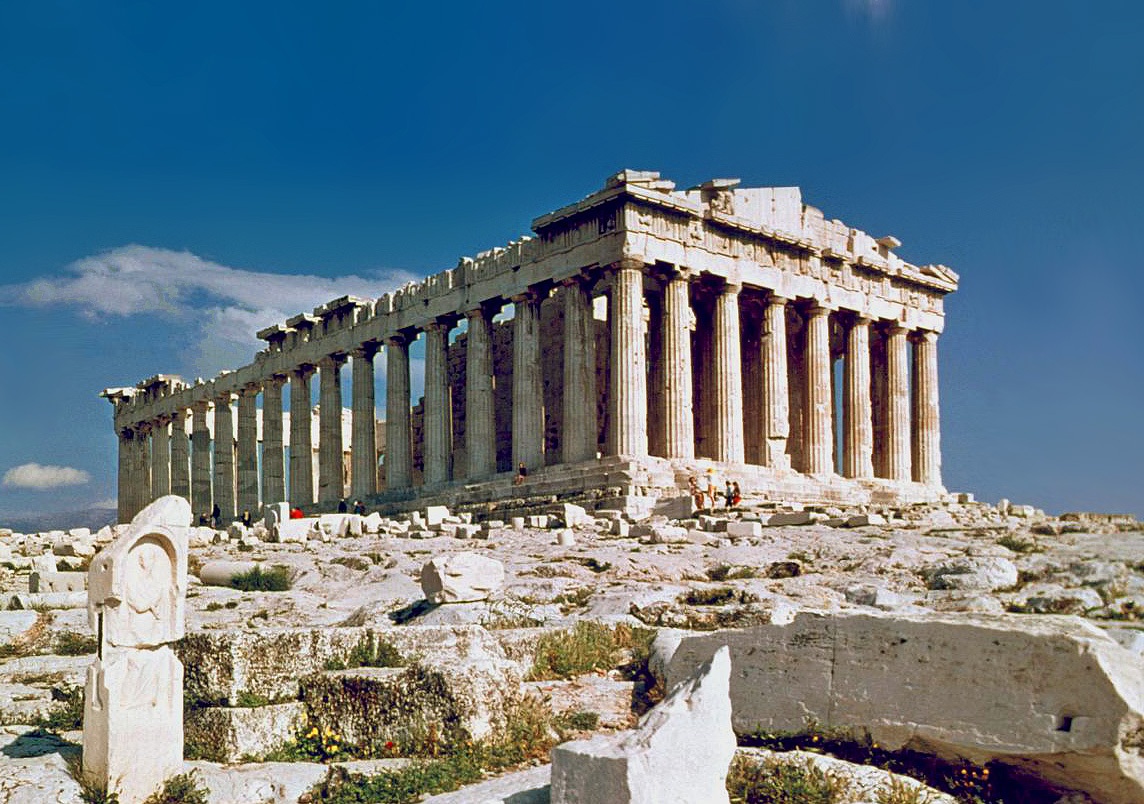
Parthenon
447-432 BCE
 Sculpture
Secondary source
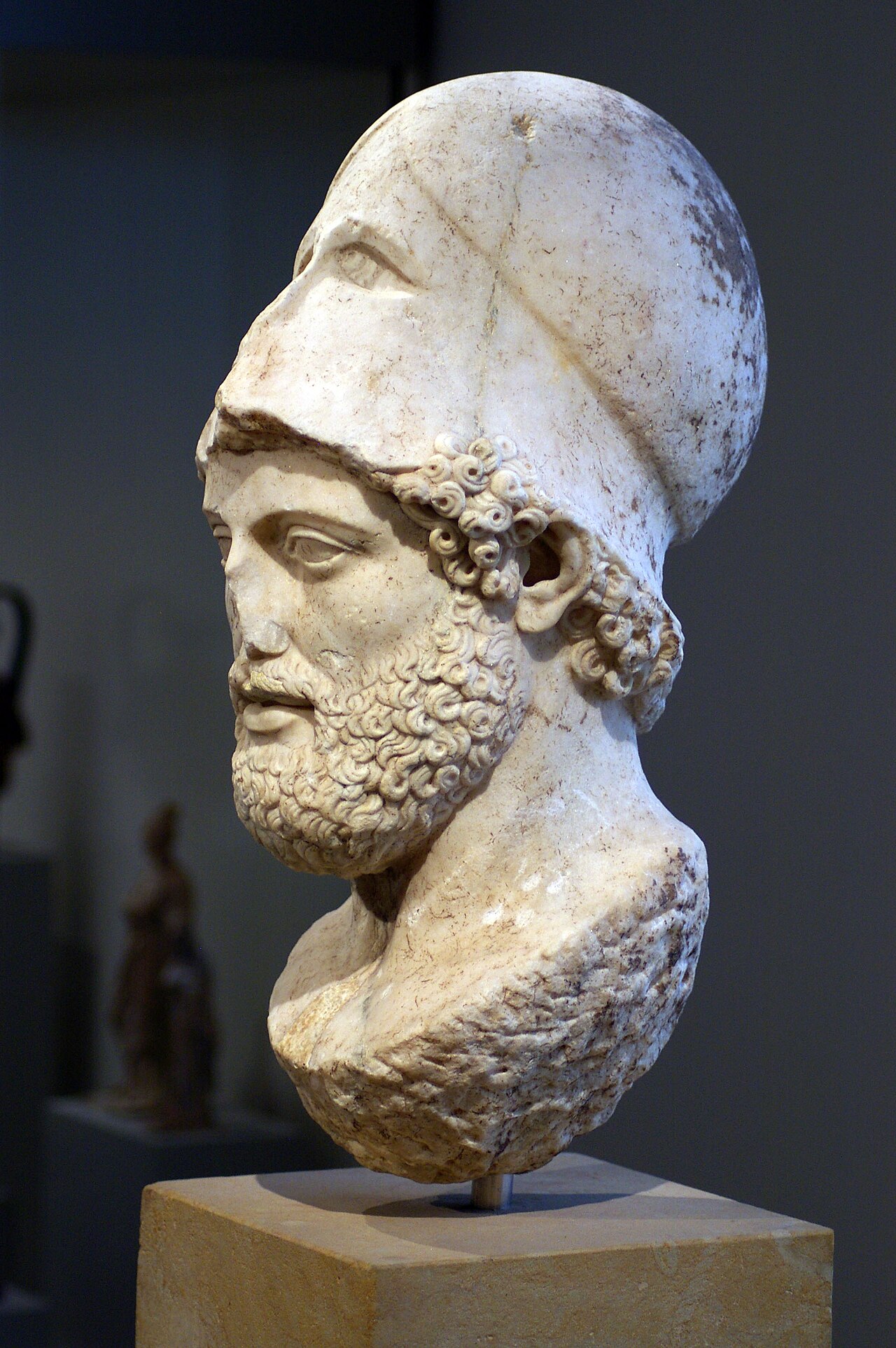
Pericles with the Corinthian Helmet
Kresilas · Roman copy, from a Greek original near Pericles' lifetime
 Book
Primary source
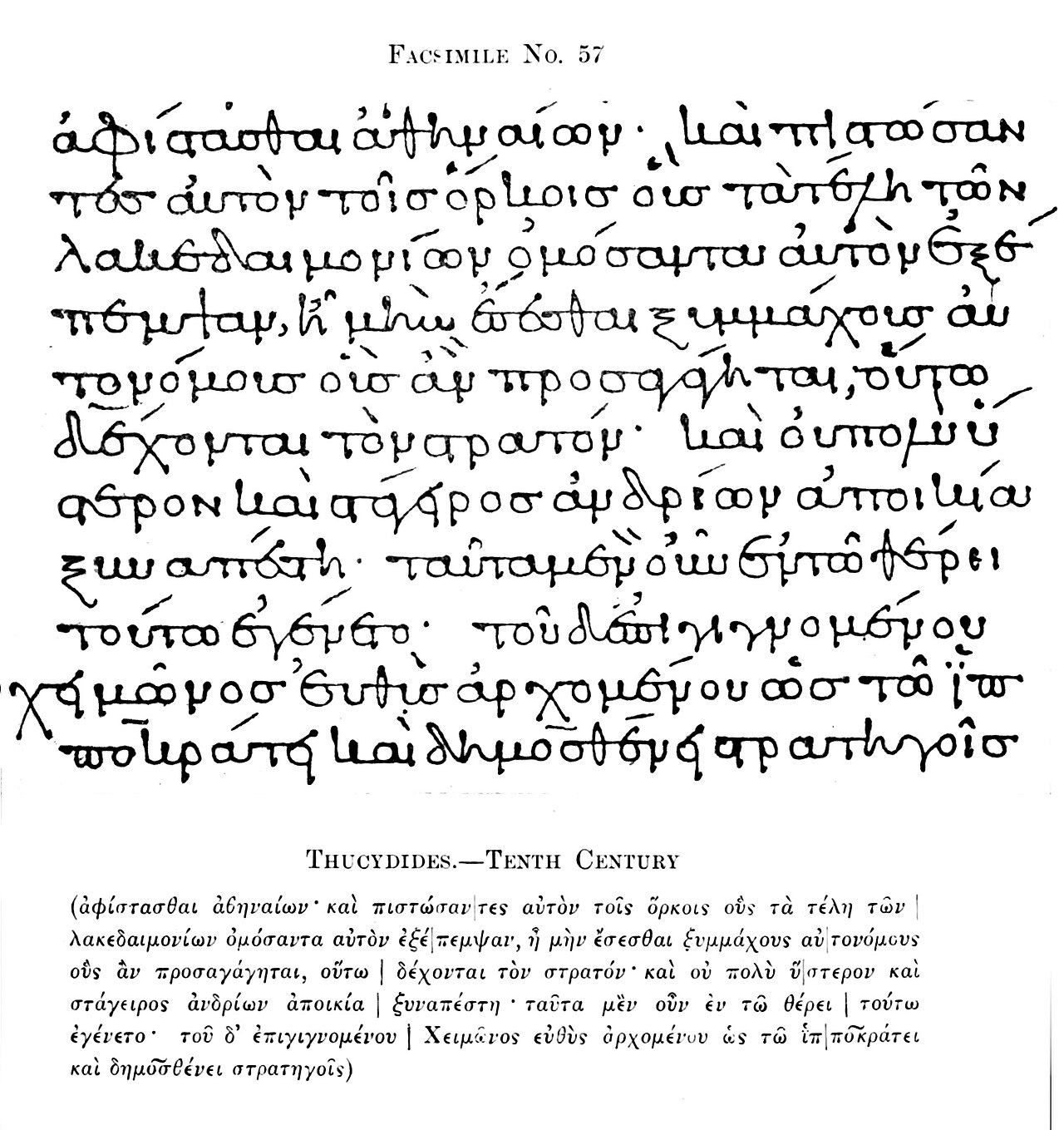
History of the Peloponnesian War
Thucydides · 5th century BCE
Secondary source
Life of Pericles
Plutarch
Ready when you are
Start chatting with Pericles now.
20 messages free · No credit card · Available in 50+ languages.