


Primary sourceArtifactc.1847
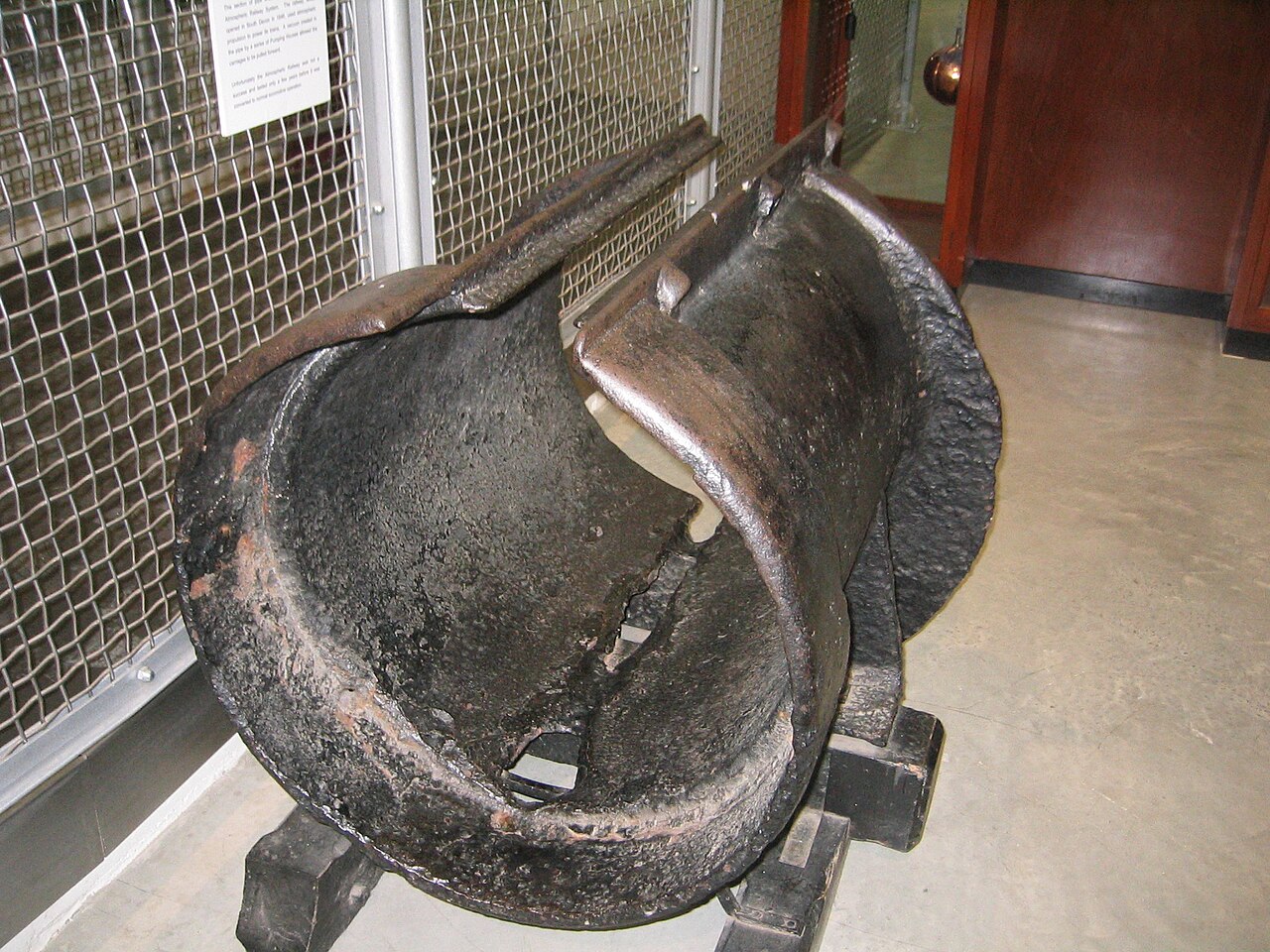
Atmospheric Railway Pipe Section, South Devon Railway
Isambard Kingdom Brunel · c.1847
An original cast-iron pipe from Brunel's atmospheric railway, an unusual and ultimately failed system he designed for the South Devon Railway.
This pipe is physical evidence of Brunel's atmospheric railway design for the South Devon Railway, one of his costliest engineering experiments.
About this source
What it is
This is a surviving section of cast-iron traction pipe from Brunel's atmospheric railway, built around 1847 for the South Devon Railway. It is now held at Didcot Railway Centre. The pipe has a split along its top with a flap-like seal, a feature of the system's design.
Why it matters
Brunel designed the atmospheric railway to move trains using air pressure instead of locomotives. The system proved costly and unreliable, and this physical pipe lets students see the real technology behind one of Brunel's most expensive engineering failures, revealing that even famous engineers took risks that did not always succeed.
Look closer
- What can the corrosion and wear on the pipe tell us about how it was used and why it survived?
- Why might a museum choose to preserve a failed piece of technology rather than only successful inventions?
- What does this object suggest about the risks engineers like Brunel were willing to take?
This artifact is part of the curated material that grounds the AI version of Isambard Kingdom Brunel on Humy.ai — when students ask about related events, the AI can quote it and cite it.
More Isambard Kingdom Brunel sources
Meet the AI Isambard Kingdom Brunel →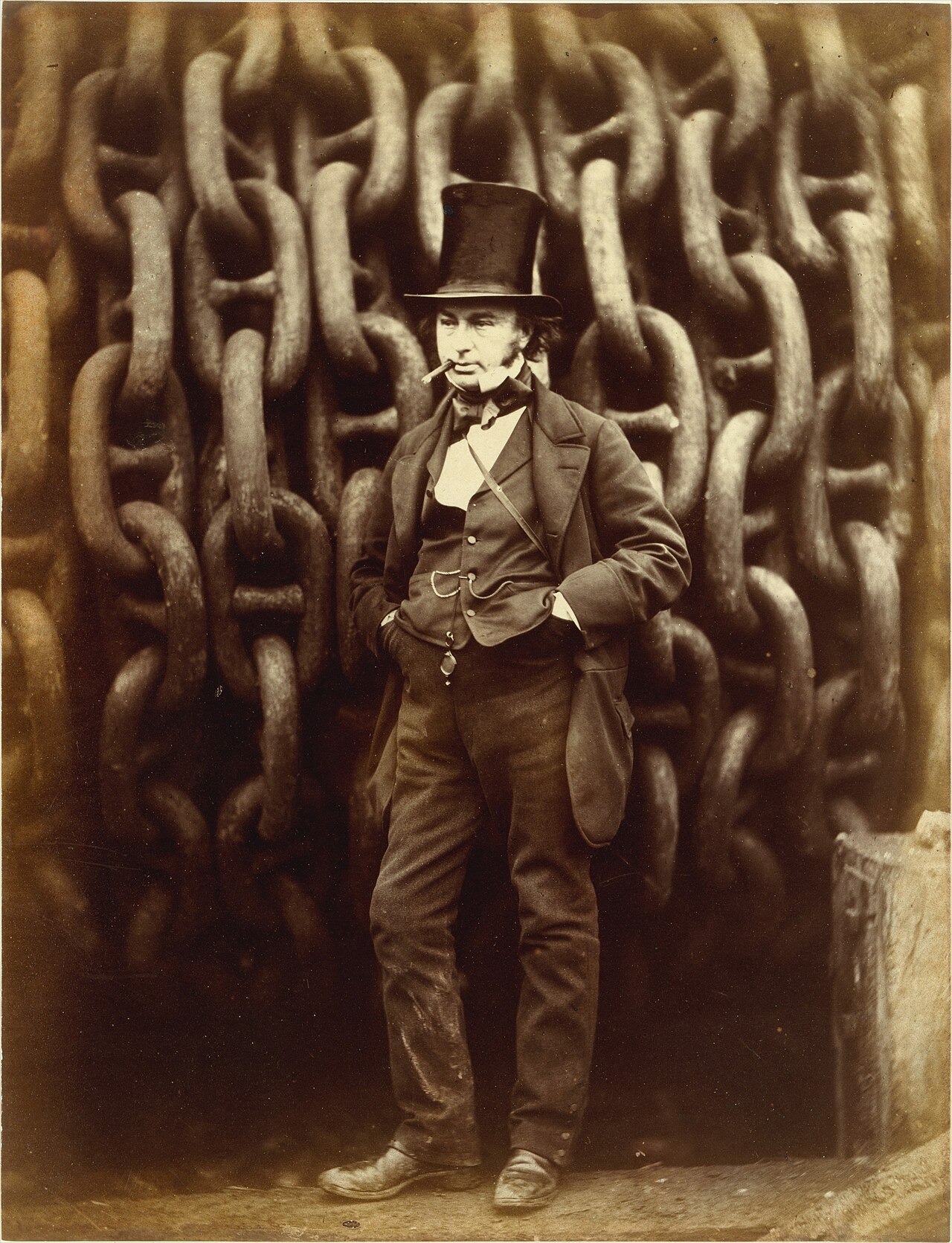 Photograph
Primary source
Isambard Kingdom Brunel Standing Before the Launching Chains of the Great Eastern
Robert Howlett · November 1857
 Artifact
Primary source
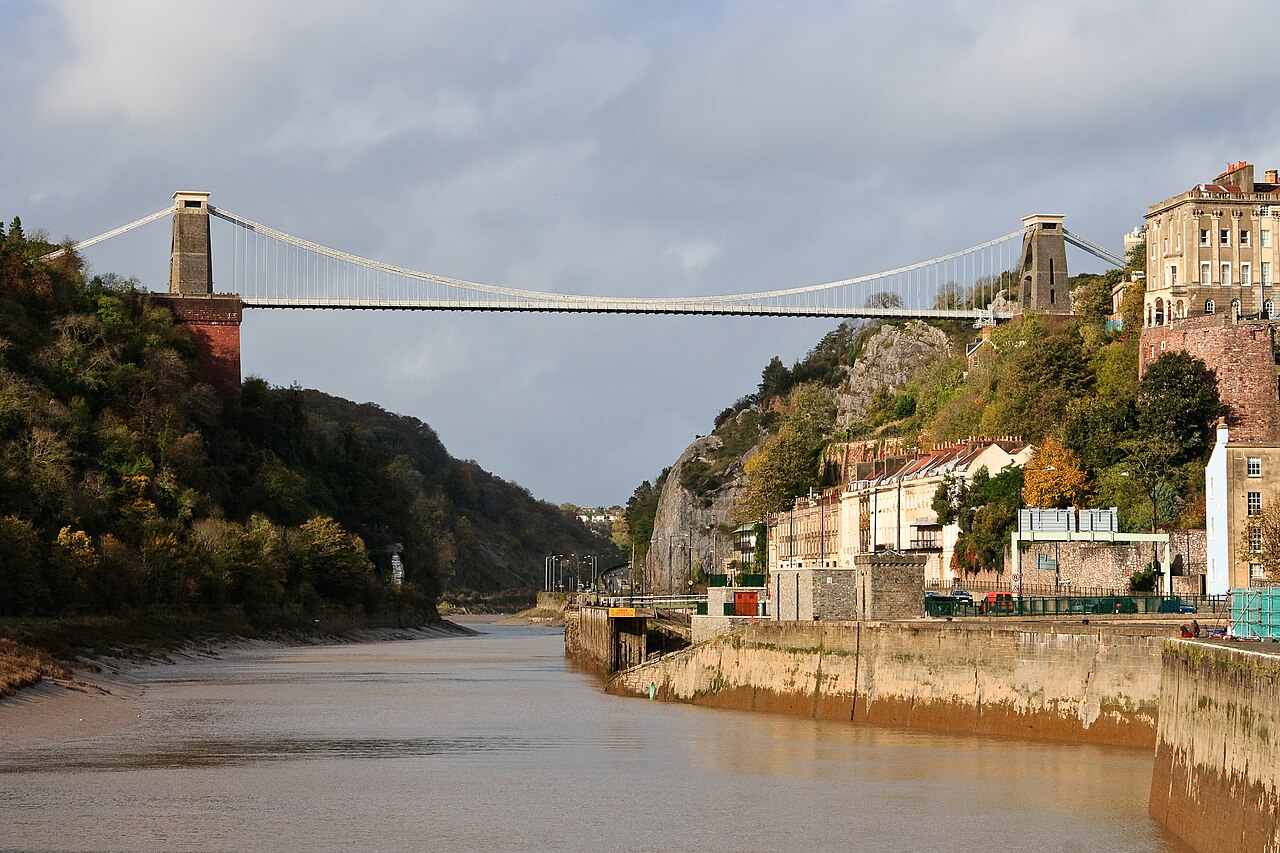
Clifton Suspension Bridge
William Henry Barlow and John Hawkshaw, after a design by Isambard Kingdom Brunel · 1864 (completed)
 Artifact
Primary source
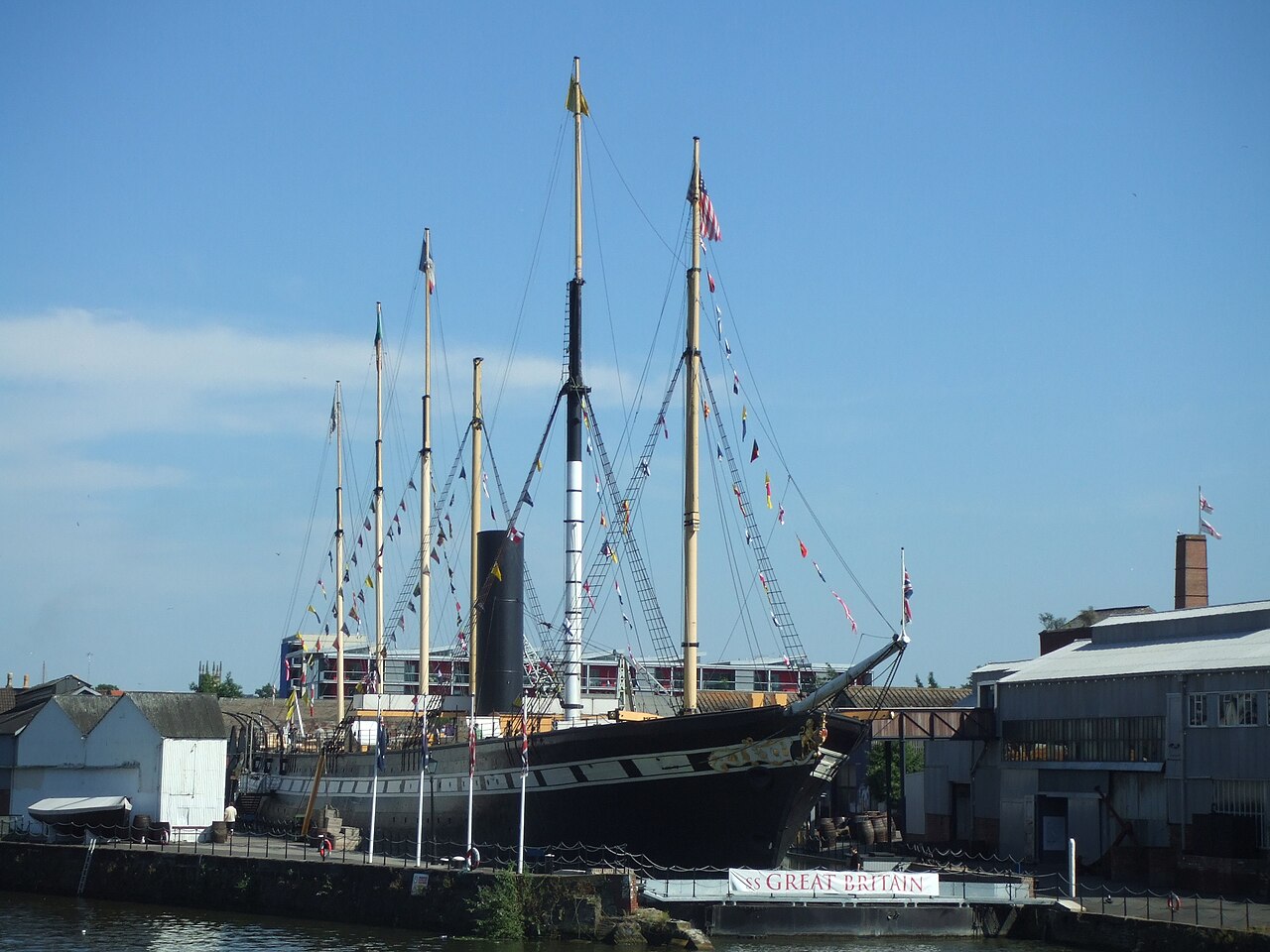
SS Great Britain
Isambard Kingdom Brunel · 1843 (launched)
 Artifact
Primary source
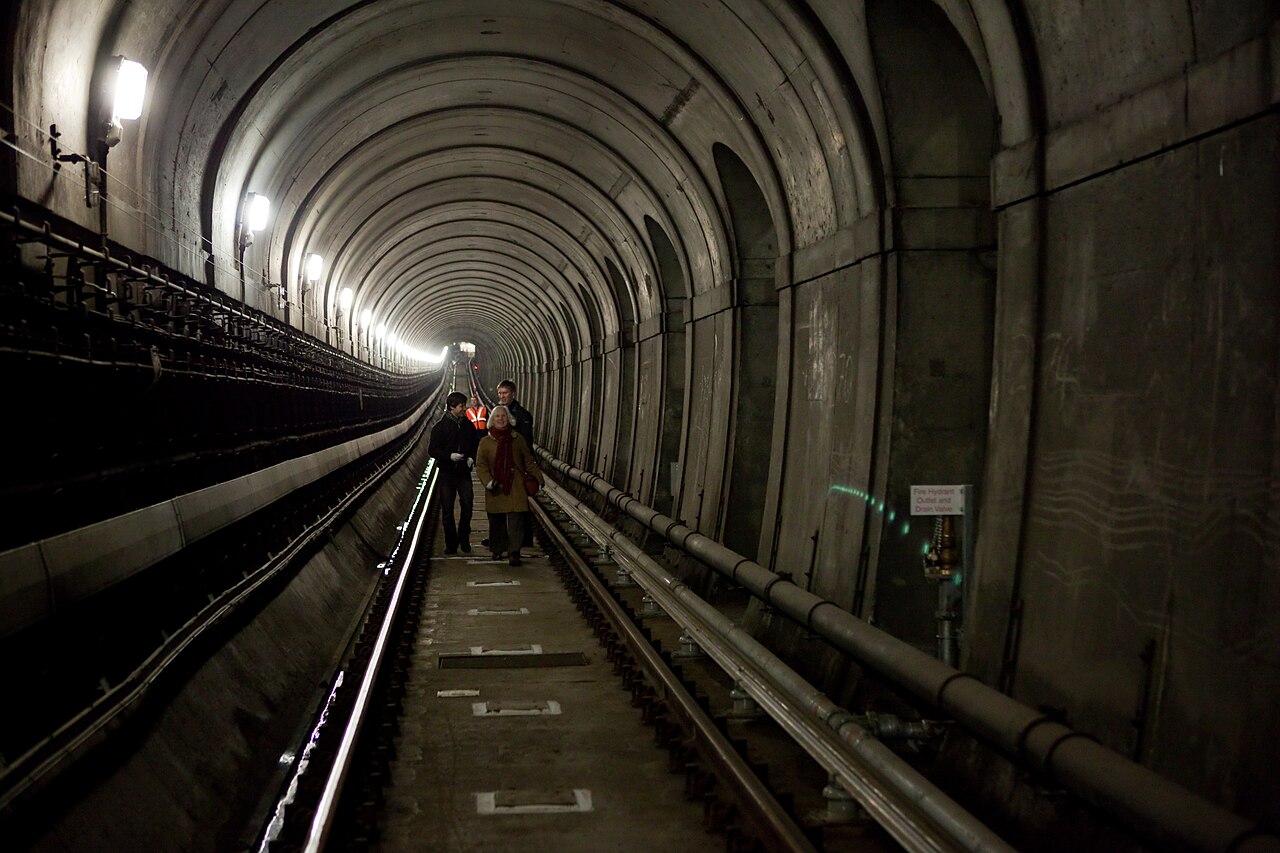
Thames Tunnel
Marc Brunel, with Isambard Kingdom Brunel as resident engineer · 1825-1843
 Artifact
Primary source
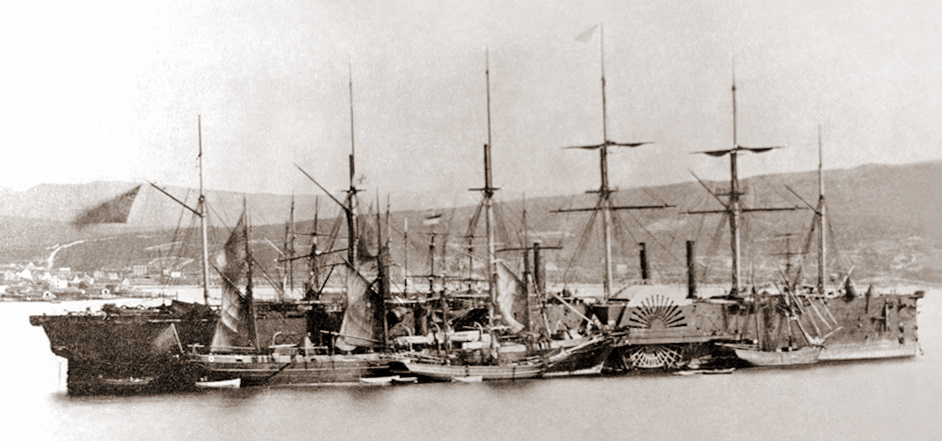
SS Great Eastern
Isambard Kingdom Brunel · 1858 (launched)
Ready when you are
Start chatting with Isambard Kingdom Brunel now.
20 messages free · No credit card · Available in 50+ languages.