


Primary sourceSculpture1962
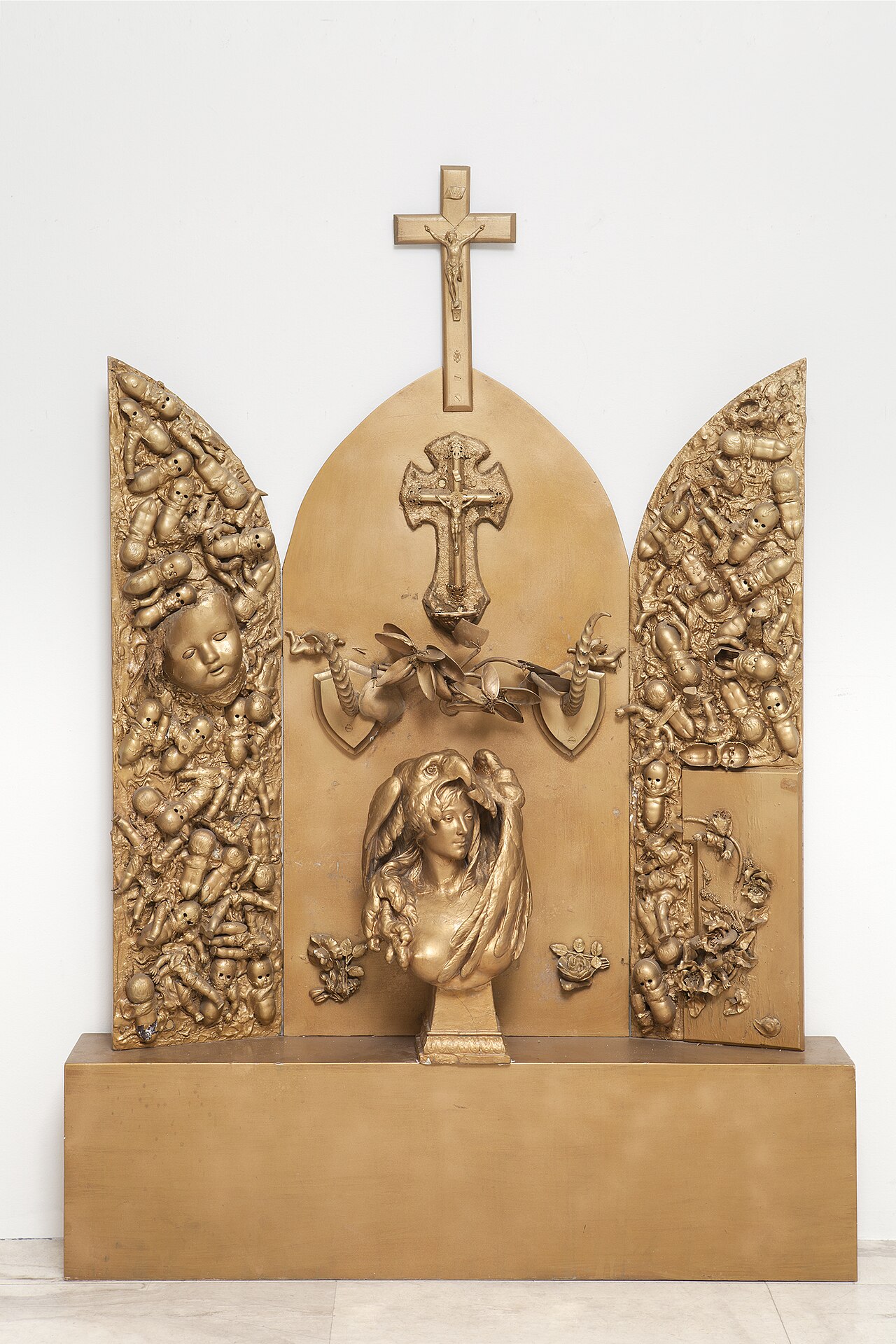
Autel doré
Niki de Saint Phalle · 1962
A 1962 gilded altarpiece sculpture by Niki de Saint Phalle, built from religious kitsch and doll heads as an attack on her strict Catholic upbringing.
One of her shot altarpieces, expressing her rebellion against her strict Catholic upbringing.
About this source
What it is
Autel doré (Golden Altar) is a sculpture made in 1962 by Niki de Saint Phalle. It is one of her shot altarpieces, assembled from religious objects and kitsch, including a central panel with a cross and a female bust, and side wings covered in clustered doll heads, topped with a crucifix. It was donated to the Macedonian Museum of Contemporary Art in 1999.
Why it matters
Made during her Tirs ('Shooting') period, when she fired guns at assemblages to make paint explode across them, this altar shows Saint Phalle turning her anger at her strict Catholic upbringing into art. Combining religious imagery with dolls and gilding, it reveals how she used violence and parody together to confront painful personal history.
Look closer
- Why might an artist combine religious symbols with toy doll heads?
- What might the gilding (gold covering) suggest, compared to the rough way the piece was made?
- What does this altar tell you about the artist's feelings toward her upbringing?
This sculpture is part of the curated material that grounds the AI version of Niki de Saint Phalle on Humy.ai — when students ask about related events, the AI can quote it and cite it.
More Niki de Saint Phalle sources
Browse all 87 →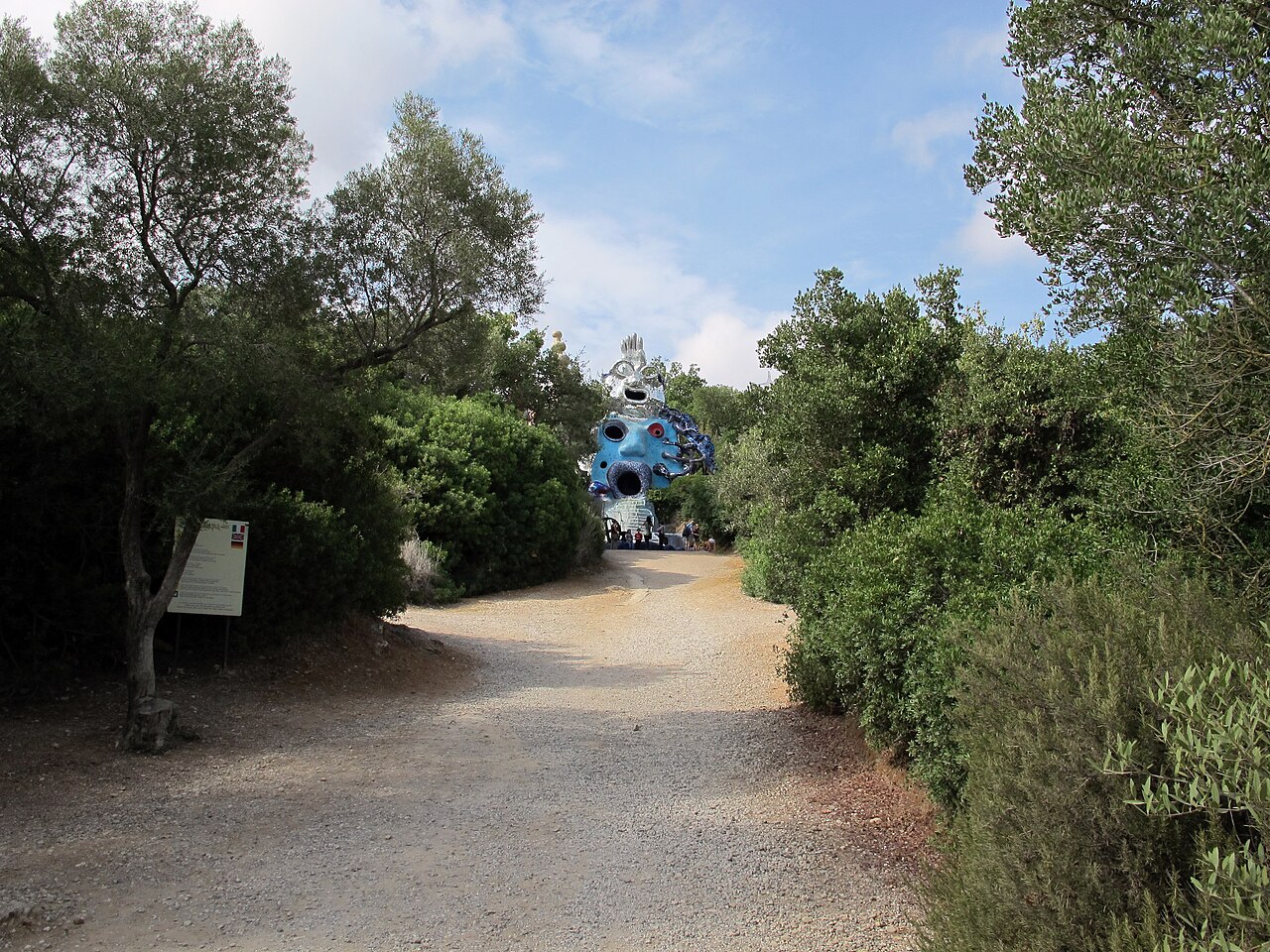 Artifact
Primary source
Tarot Garden
Niki de Saint Phalle · 1979 (begun); opened 1998
 Sculpture
Primary source
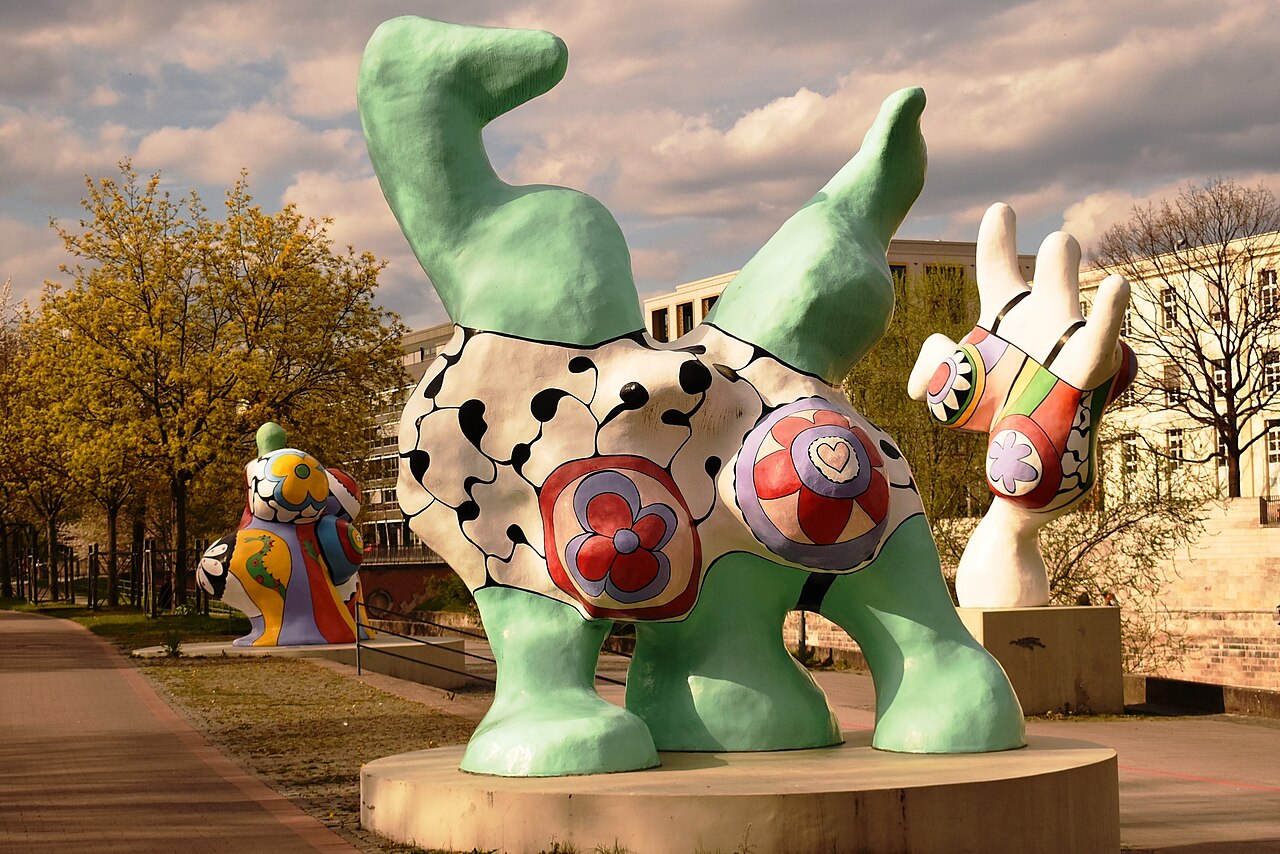
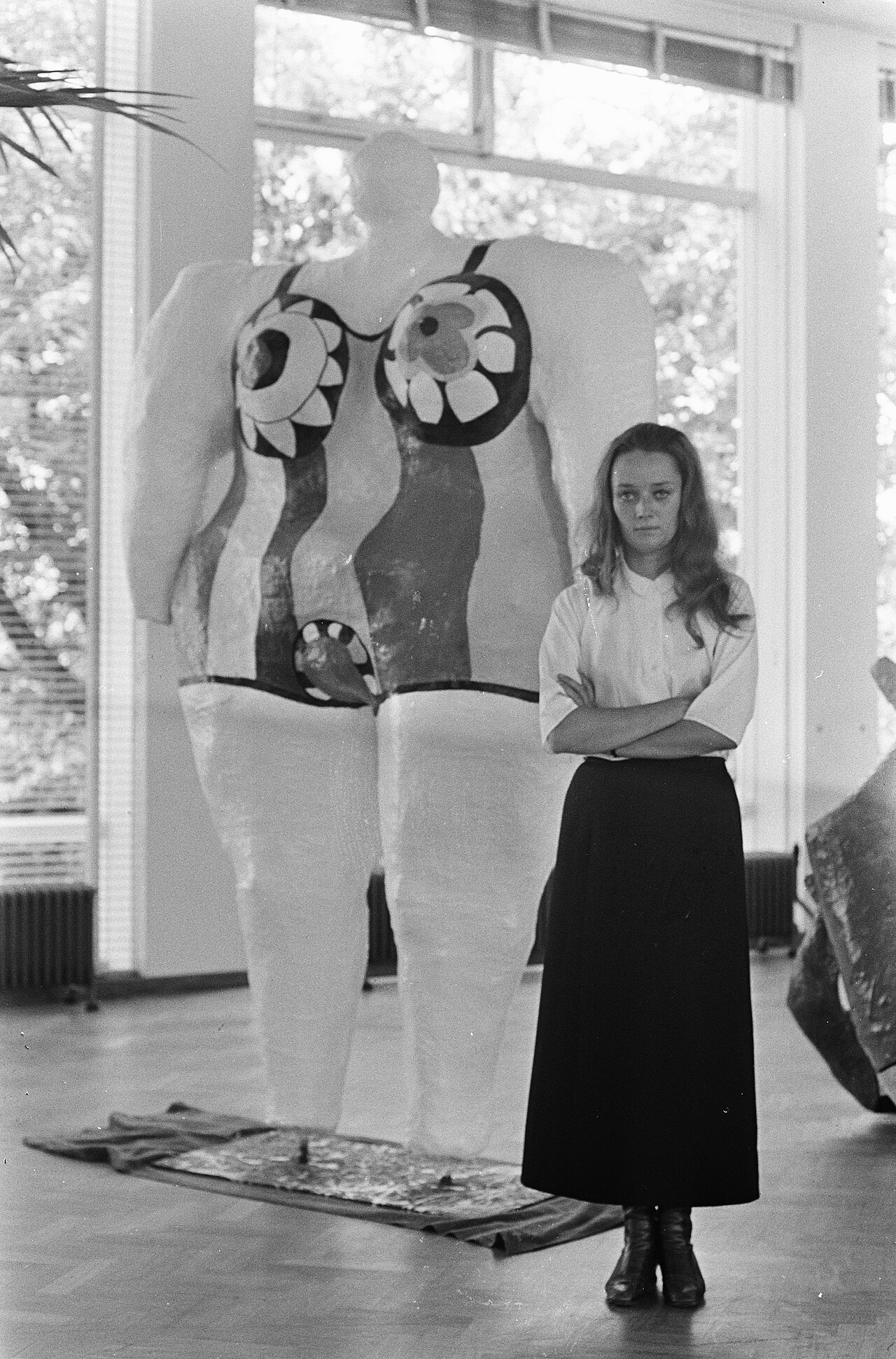
Nanas
Niki de Saint Phalle · begun 1965
 Sculpture
Primary source
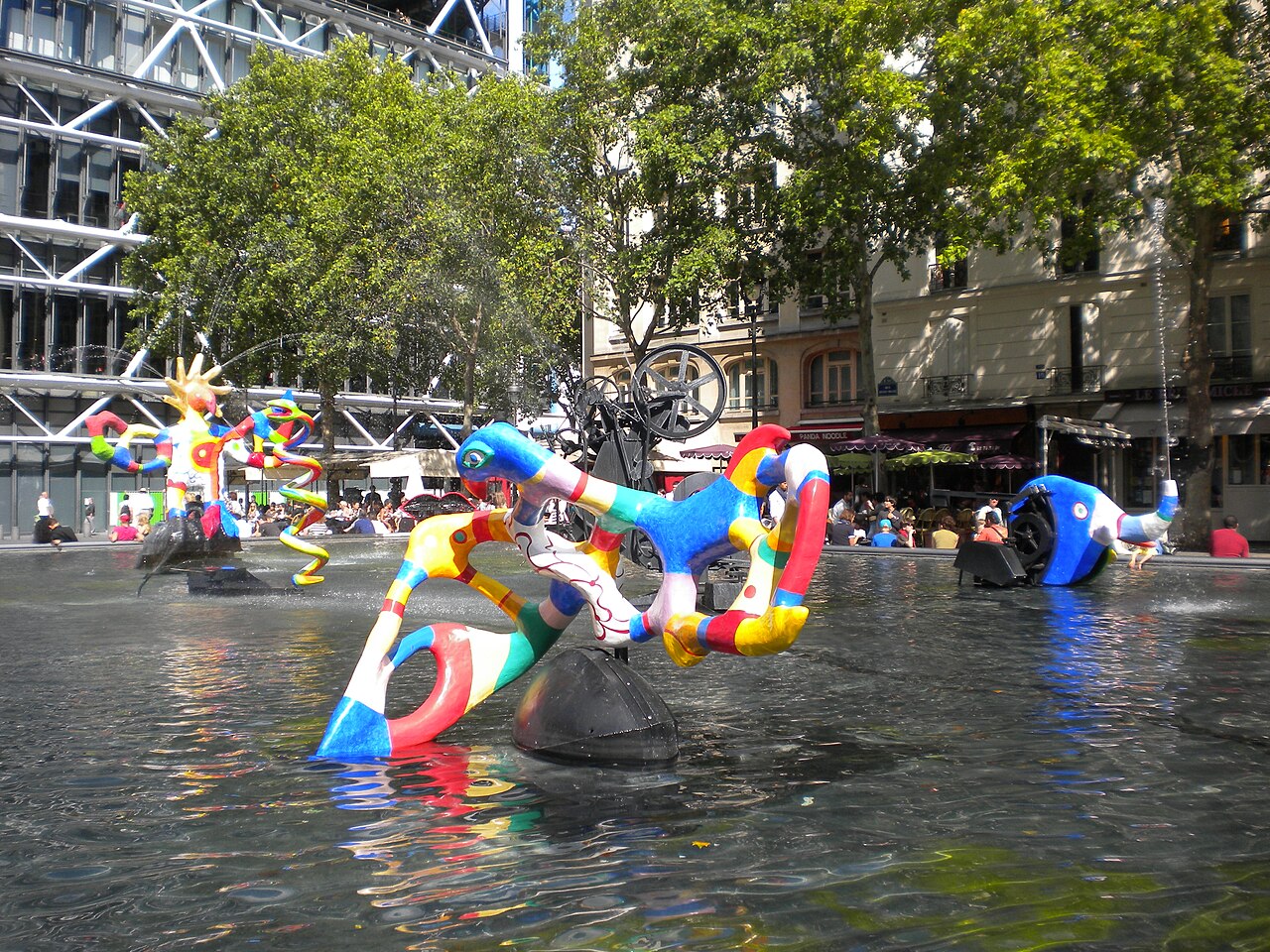
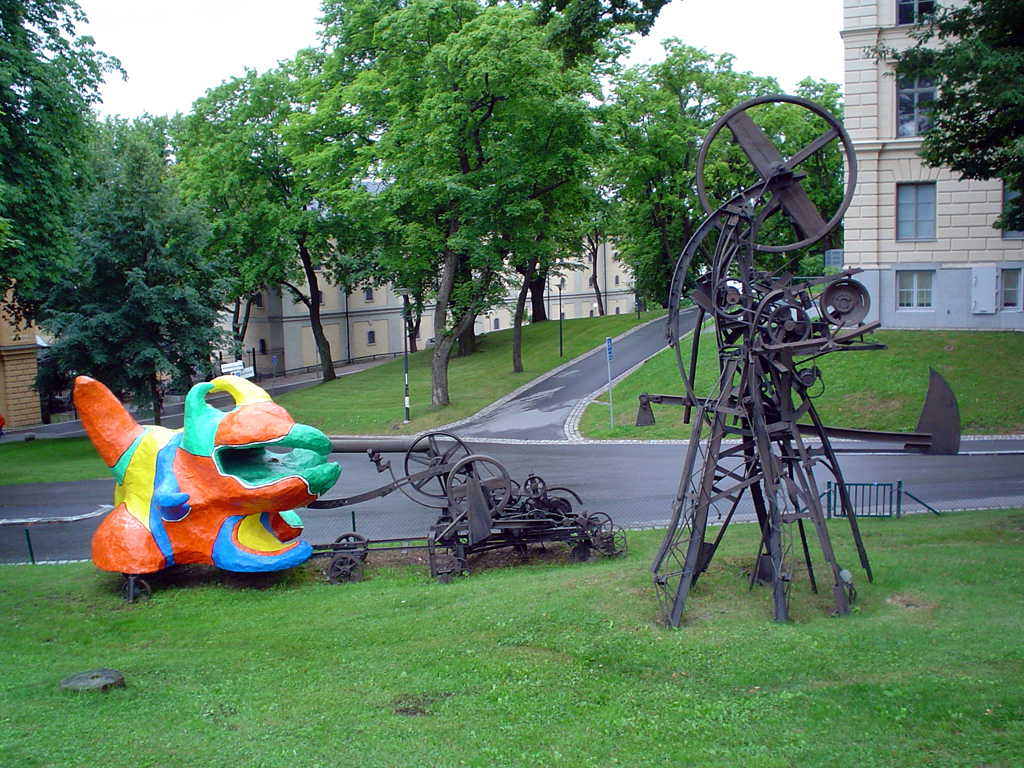
Stravinsky Fountain
Jean Tinguely and Niki de Saint Phalle · 1983
 Photograph
Primary source
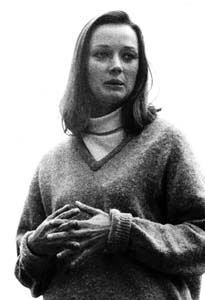
Portrait of Niki de Saint Phalle
Erling Mandelmann · 1964
Free account
Read every Niki de Saint Phalle source
Sign up free →
Ready when you are
Start chatting with Niki de Saint Phalle now.
20 messages free · No credit card · Available in 50+ languages.