


Primary sourceArtifactc. 1188-1190
Bab Agnaou
c. 1188-1190
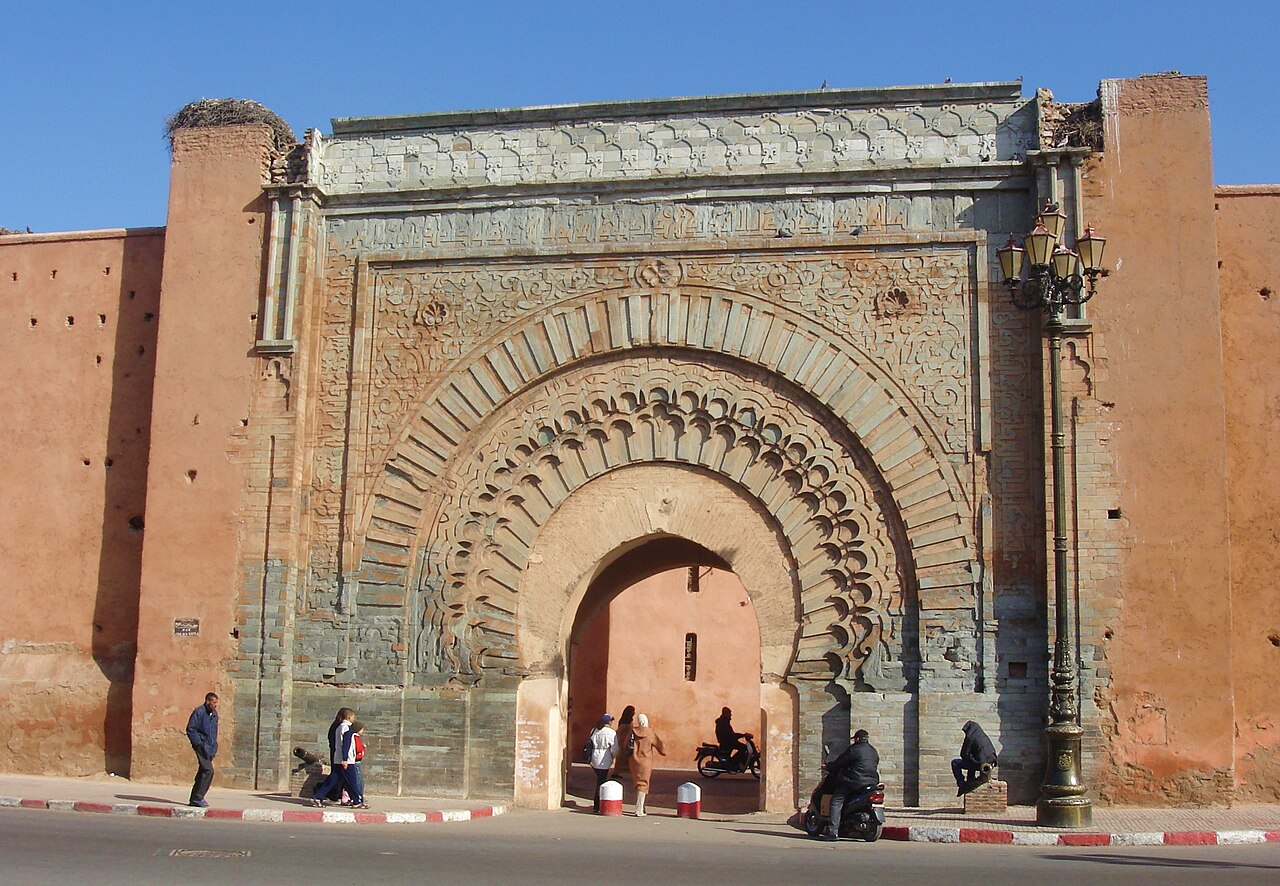
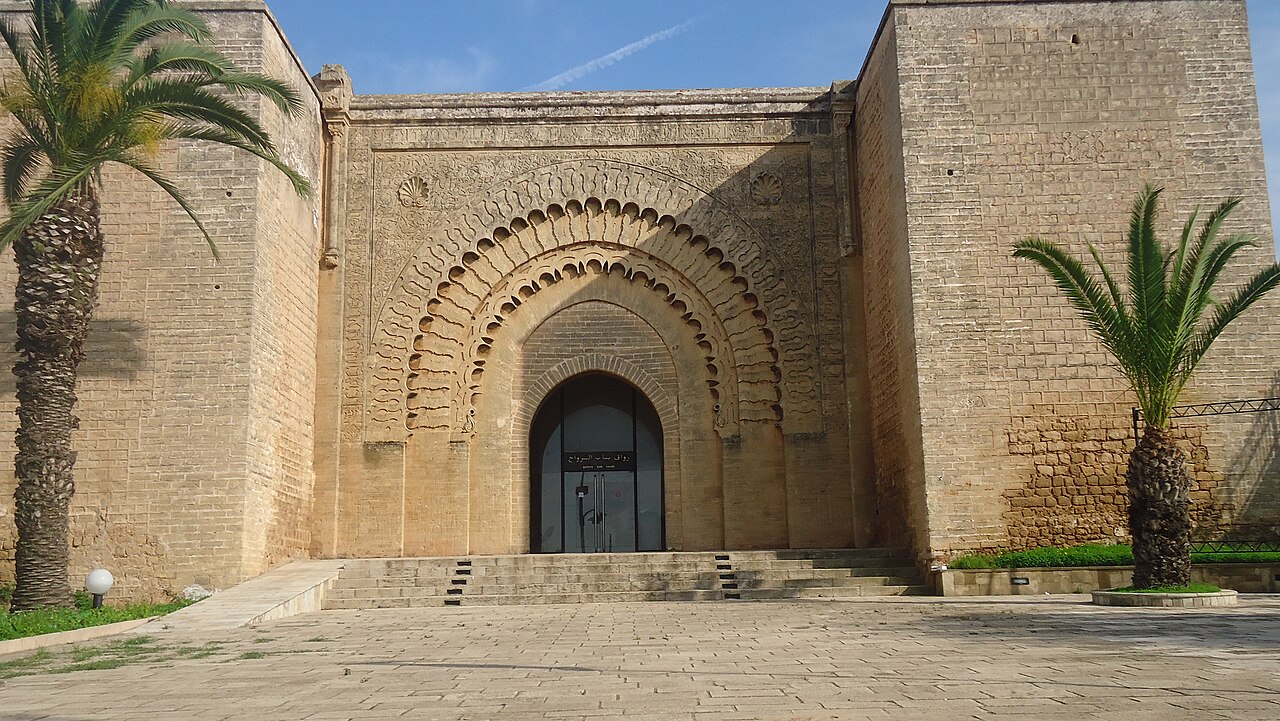
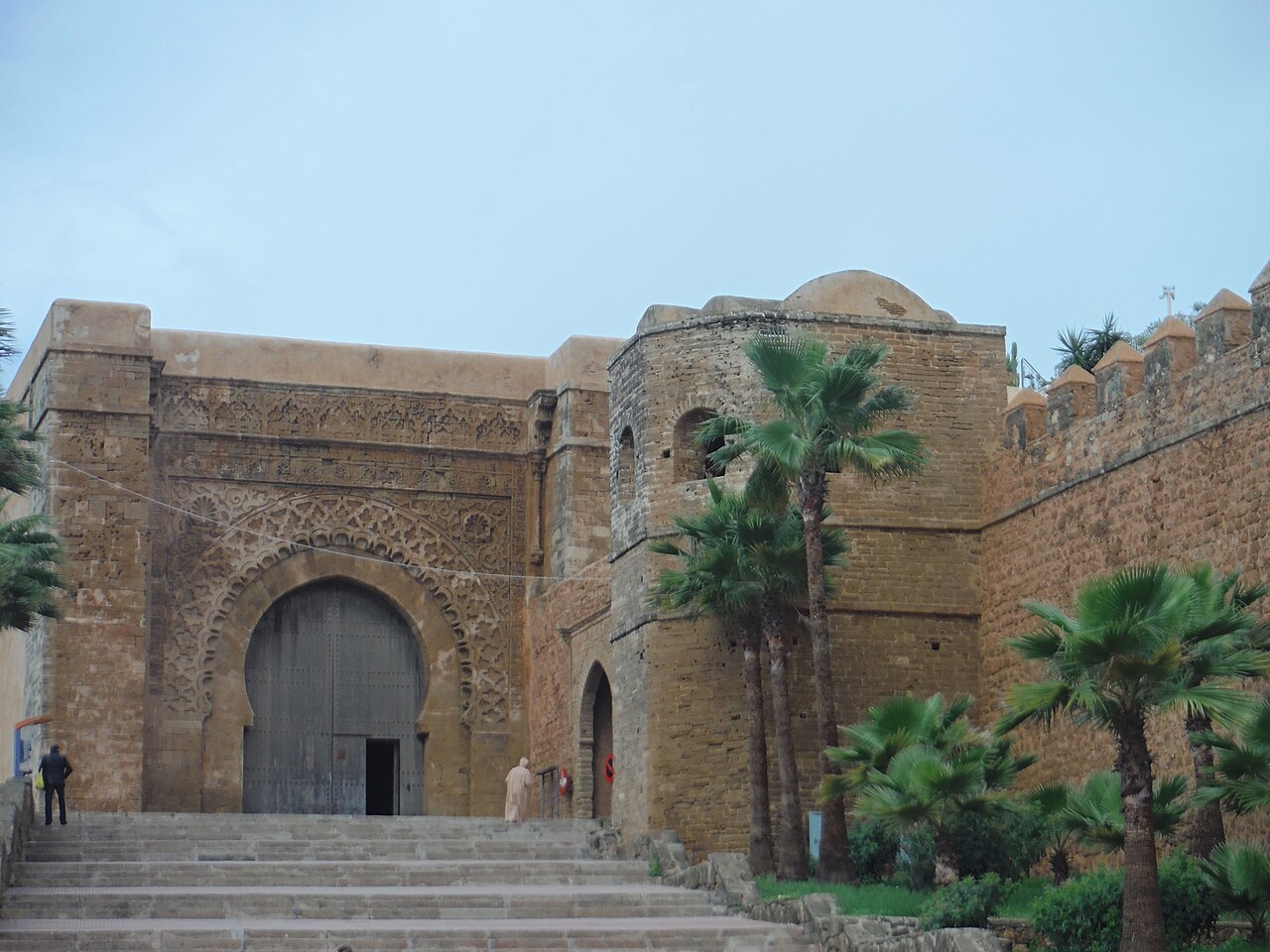
A ceremonial stone gate built around 1188-1190 by al-Mansur as the main entrance to his royal citadel in Marrakesh.
This gate, built by al-Mansur, was the main entrance to his royal citadel and shows his court's ceremonial dignity.
About this source
What it is
Bab Agnaou is a decorated gate in Marrakesh, Morocco, attributed to the Almohad caliph Abu Yusuf Yaqub al-Mansur and completed around 1188-1190. It served as the main public entrance to the royal kasbah (citadel) that al-Mansur built in the city.
Why it matters
The gate's carved horseshoe arch, floral decoration, and Quranic inscription in Kufic script reflect the dignity and religious authority al-Mansur wanted his court to project. Though purely decorative in function (it stood inside the city walls), it shows how rulers used architecture to express power and piety together.
Look closer
- Why might a gate that serves no defensive purpose still be built so grandly?
- What does the Quranic inscription suggest about how al-Mansur wanted his rule to be seen?
- How has the gate changed over time, and what does that tell us about later rulers' attitudes to Almohad buildings?
This artifact is part of the curated material that grounds the AI version of Yaqub al-Mansur on Humy.ai — when students ask about related events, the AI can quote it and cite it.
Ready when you are
Start chatting with Yaqub al-Mansur now.
20 messages free · No credit card · Available in 50+ languages.