


Secondary sourceSculpture1866
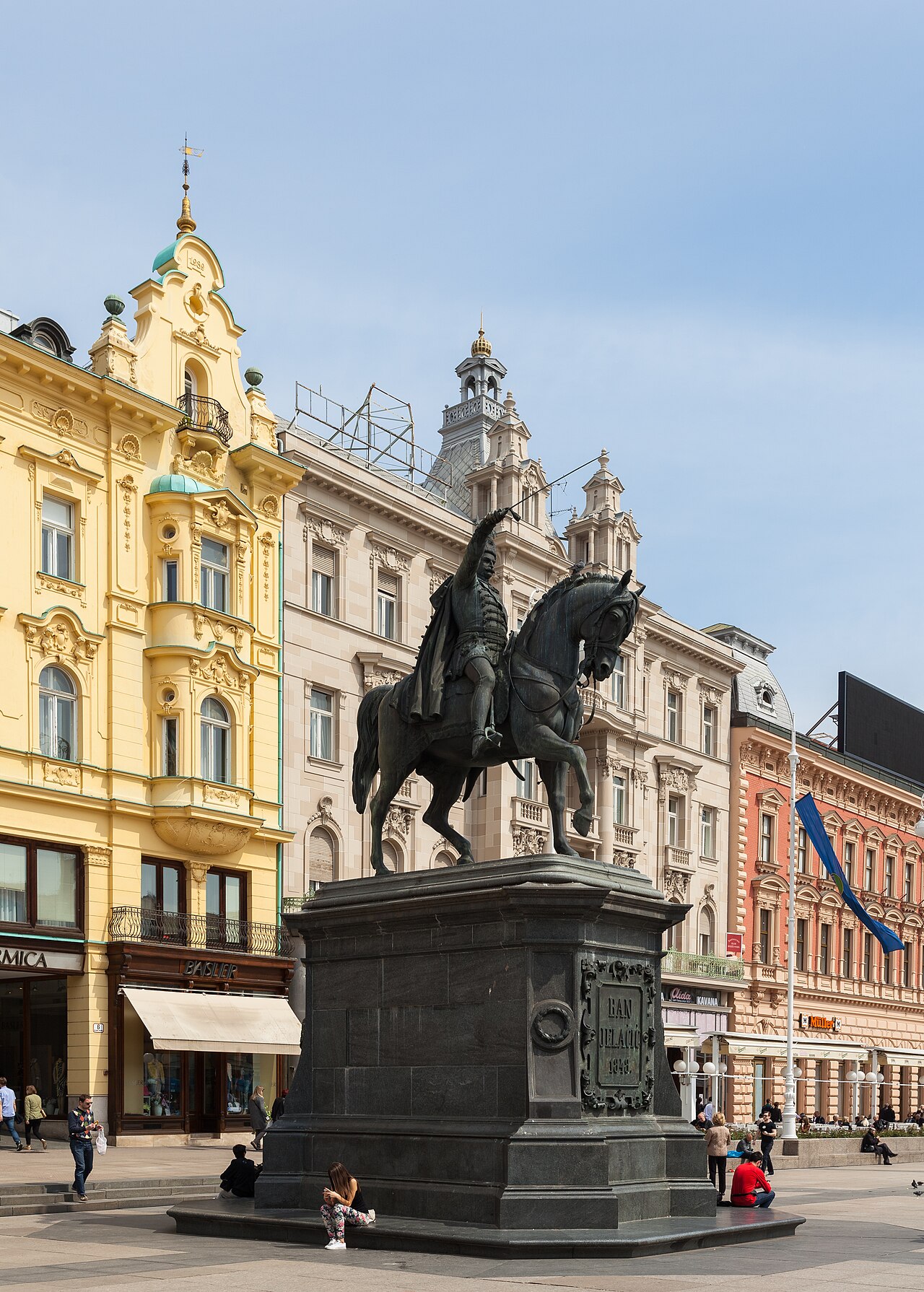
Ban Jelačić Statue
Anton Dominik Fernkorn · 1866
Equestrian bronze monument to Josip Jelačić in Zagreb's central square, made in 1866 and later removed and restored.
This monument commemorates Jelačić and reflects the contested political memory of his career.
About this source
What it is
This bronze equestrian statue, made in 1866 by the sculptor Fernkorn, shows Josip Jelačić on a rearing horse, sabre raised, standing on a granite pedestal in the Zagreb square that bears his name.
Why it matters
The statue's raised sword points toward Hungary, reflecting Jelačić's role opposing Hungarian forces during the 1848 revolutions. Its history mirrors the shifting political meaning of Jelačić himself: the monument was removed during the communist period and only restored in 1990, showing how his legacy remained contested in Croatia long after his death.
Look closer
- Why might a later government want to remove a statue of a historical figure?
- What does the direction the sword points suggest about the message the sculptor intended?
- How does a statue's survival or removal reflect changing political views over time?
This sculpture is part of the curated material that grounds the AI version of Josip Jelačić on Humy.ai — when students ask about related events, the AI can quote it and cite it.
More Josip Jelačić sources
Browse all 65 →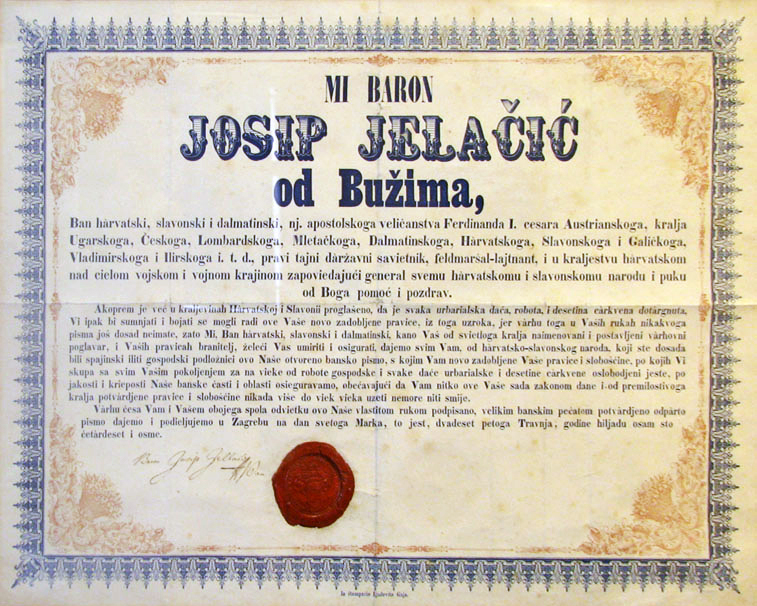 Document
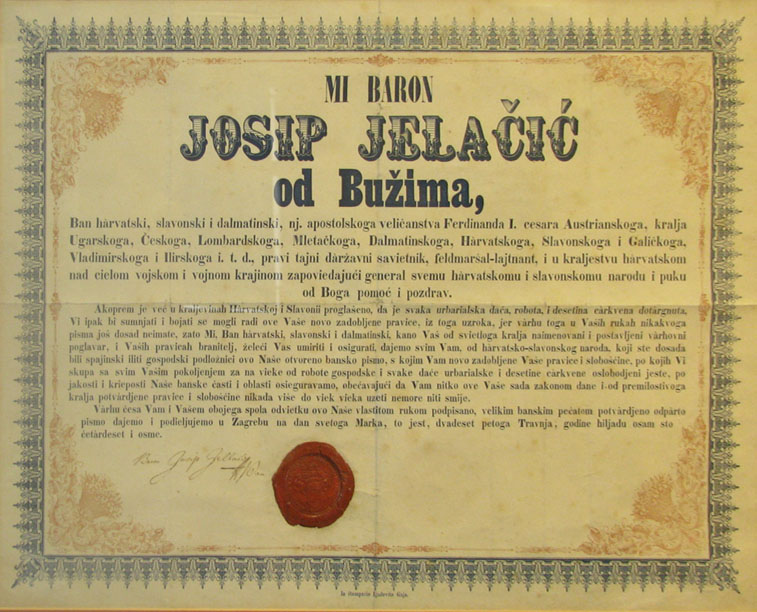
Primary source
Proclamation Abolishing Serfdom in Croatia
Josip Jelačić · 25 April 1848
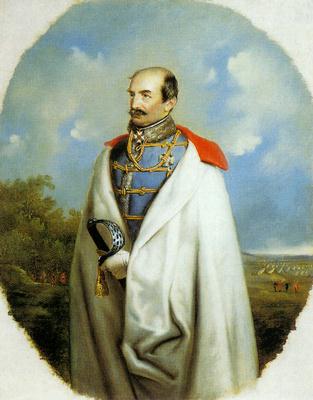
 Painting
Primary source
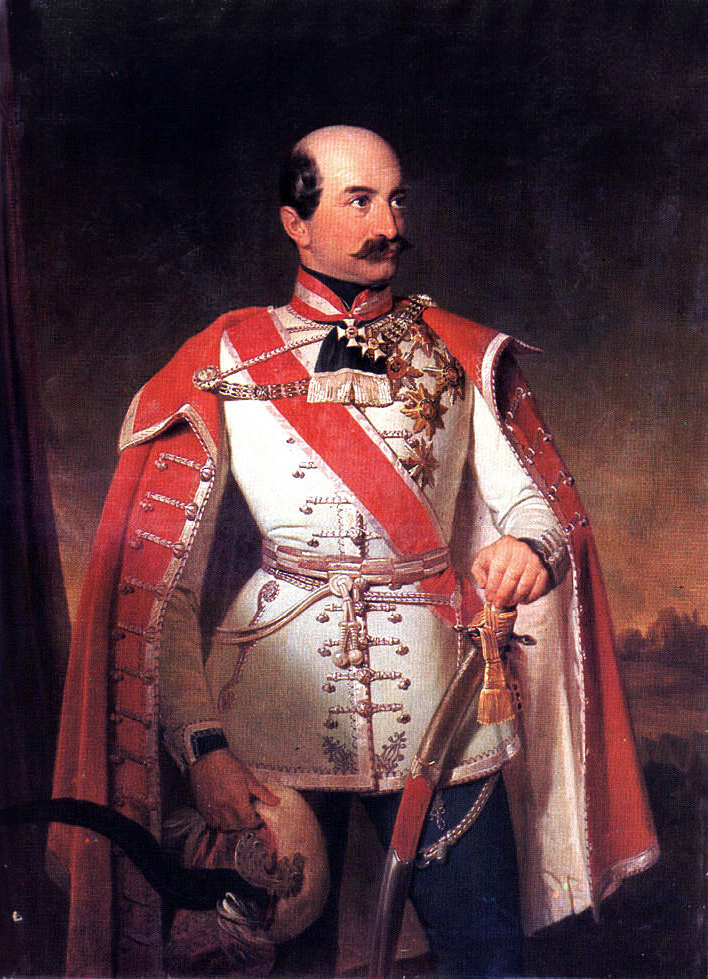
Portrait of Ban Josip Jelačić
Ivan Zasche
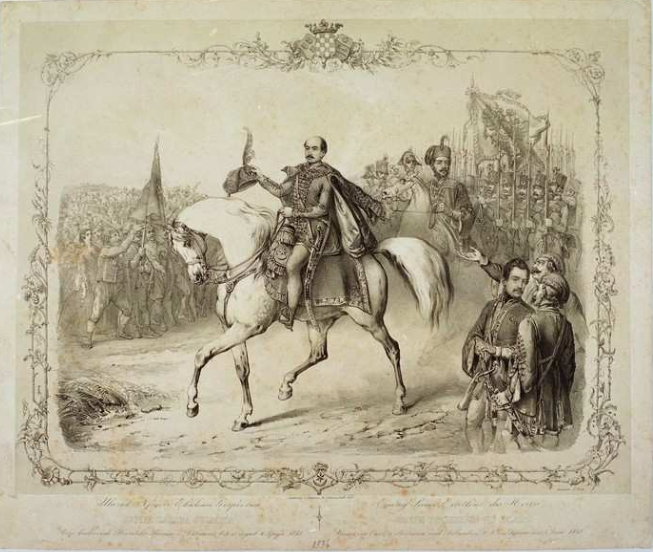
 Painting
Primary source
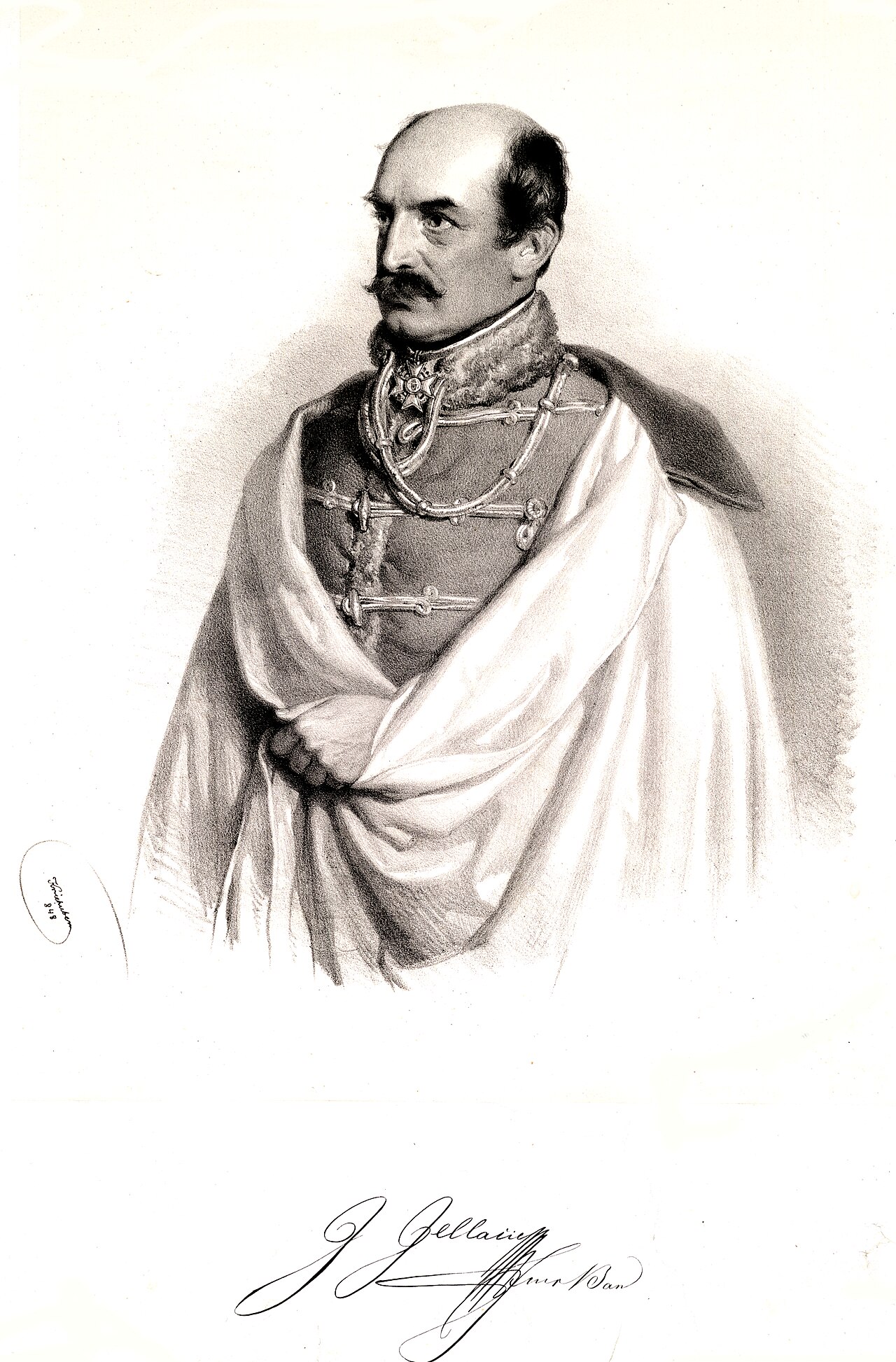
Joseph Graf Jelačić von Bužim
Josef Kriehuber · 1848
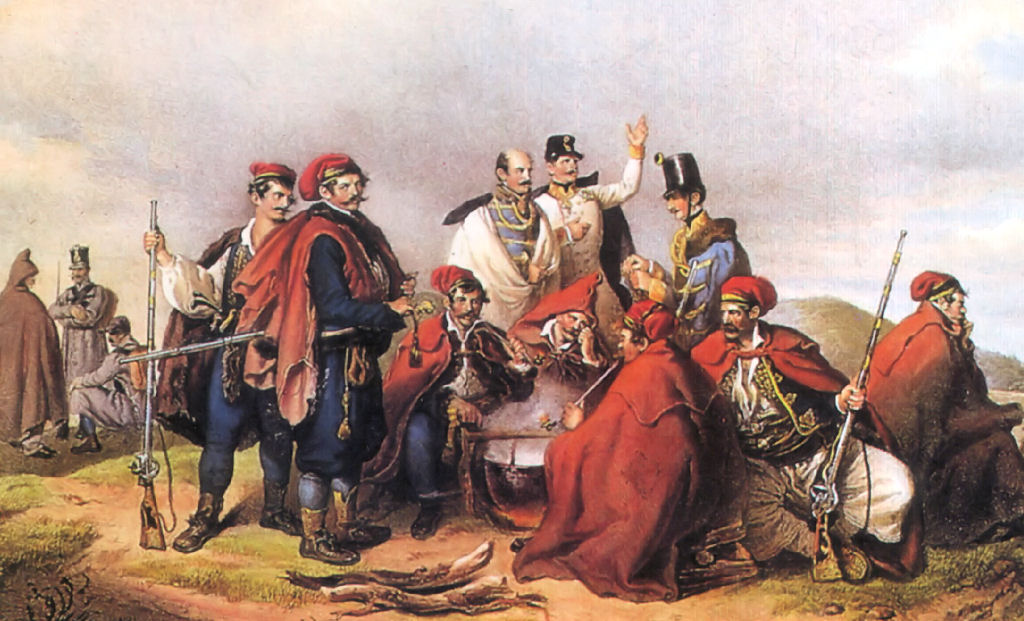
 Document
Primary source
Proclamation Abolishing Serfdom (Zagreb Copy)
Josip Jelačić · 25 April 1848
Free account
Browse every Josip Jelačić source
Sign up free →
Ready when you are
Start chatting with Josip Jelačić now.
20 messages free · No credit card · Available in 50+ languages.