


Primary sourceDocument1933
Banking Act of 1933
1933
A federal law, signed during FDR's first year as president, that created deposit insurance and separated commercial from investment banking.
FDR signed this landmark banking law during his first year as president, central to his New Deal response to the Depression.
About this source
What it is
This is the text of the Banking Act of 1933, a law passed by the 73rd United States Congress and enacted on June 16, 1933. It is often called the Glass–Steagall Act after its sponsors, Senator Carter Glass and Representative Henry Steagall.
Why it matters
The law created the Federal Deposit Insurance Corporation (FDIC), which protected everyday bank depositors, and separated commercial banking from riskier investment banking. Although the Roosevelt administration initially resisted parts of the bill, it became closely identified with his New Deal response to the Great Depression and brought decades of stability to American banking.
Look closer
- Why might ordinary depositors have needed this kind of protection in 1933?
- What problems in the banking system was Congress trying to solve?
- Why do you think this law later became associated with Roosevelt even though it began in Congress?
This document is part of the curated material that grounds the AI version of Franklin D. Roosevelt on Humy.ai — when students ask about related events, the AI can quote it and cite it.
More Franklin D. Roosevelt sources
Meet the AI Franklin D. Roosevelt →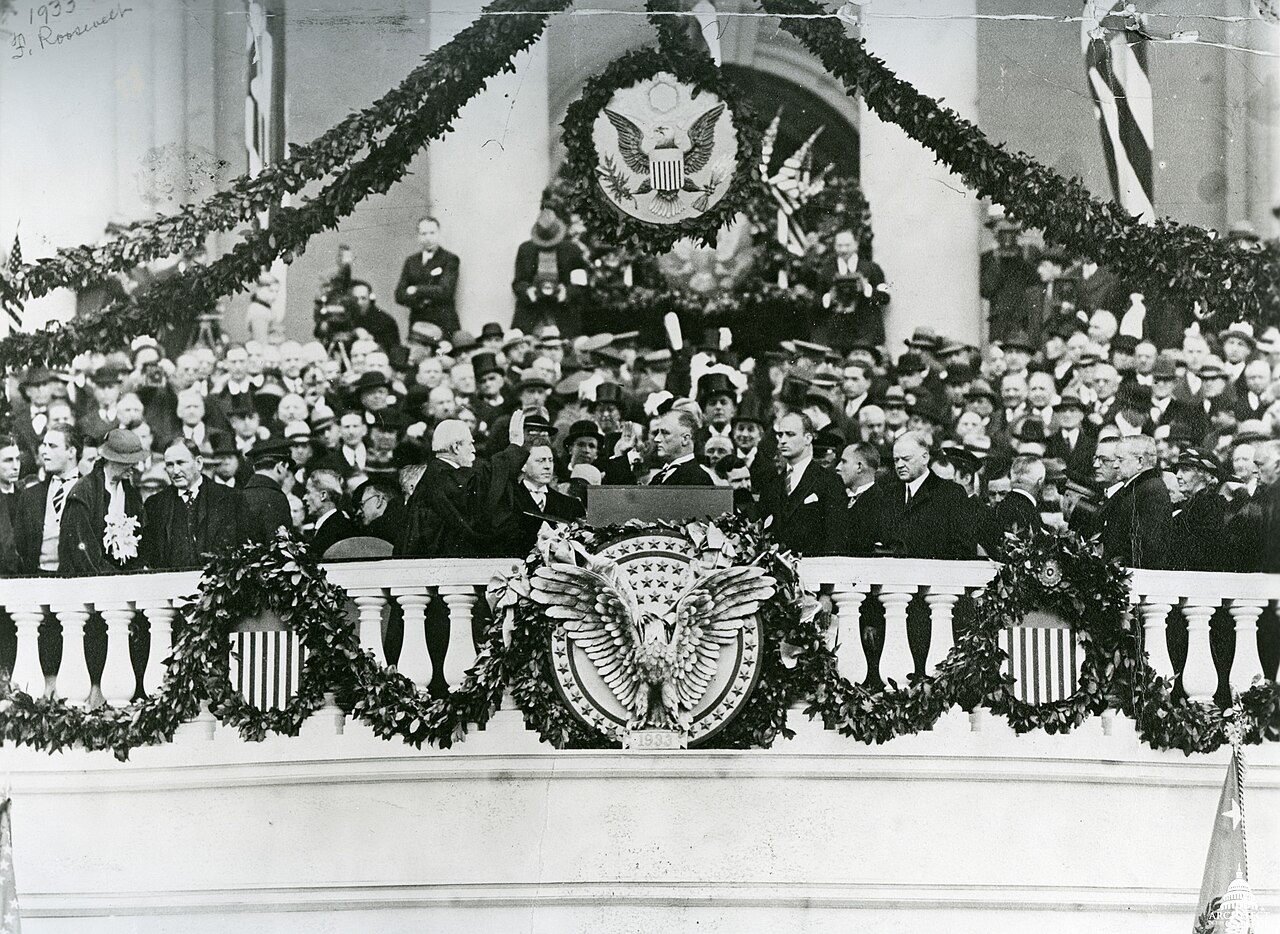 Speech
Primary source
First Inaugural Address of Franklin D. Roosevelt
Franklin Delano Roosevelt · 4 March 1933
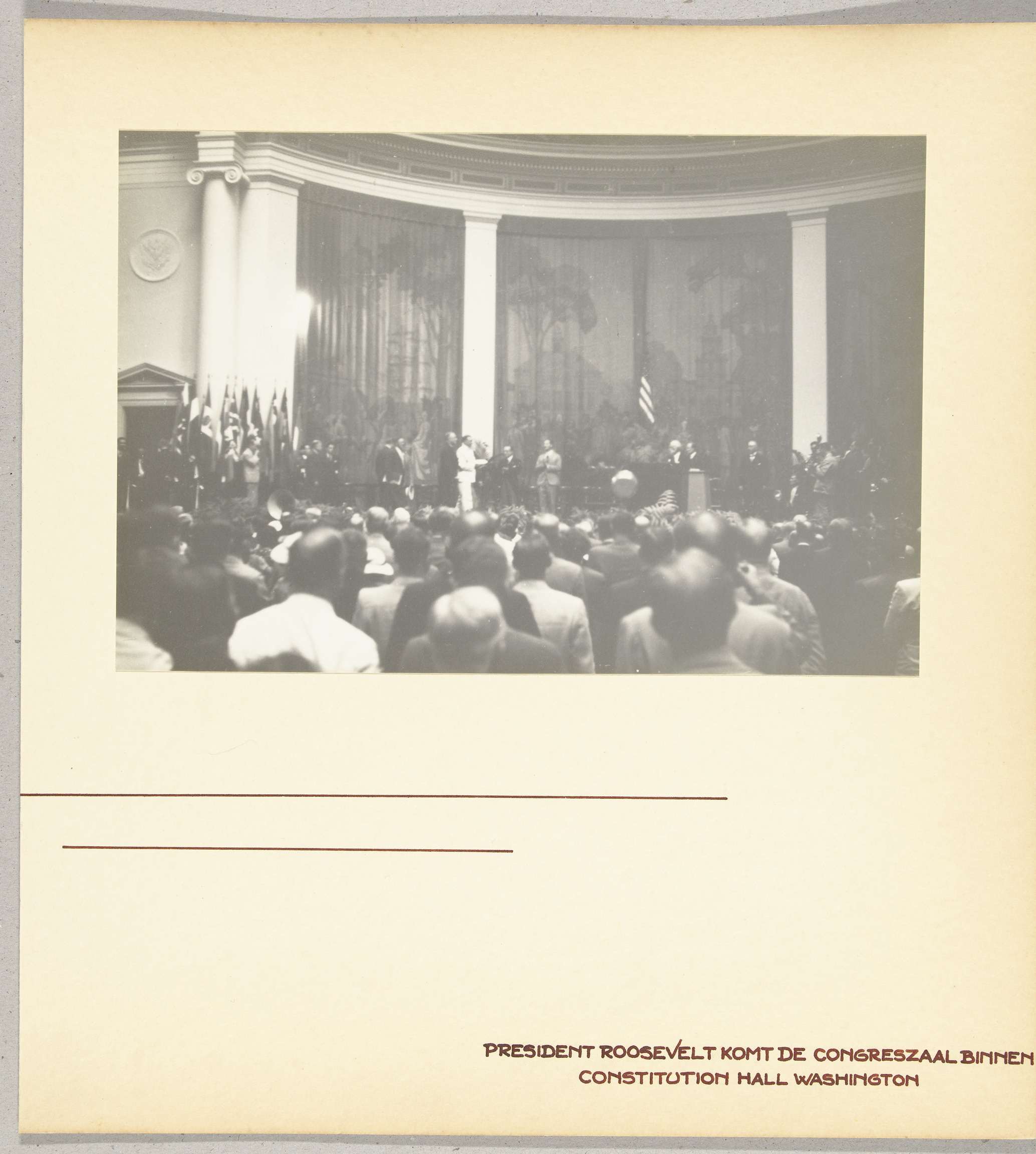 Photograph
Primary source
Roosevelt at the Third World Power Conference
1936
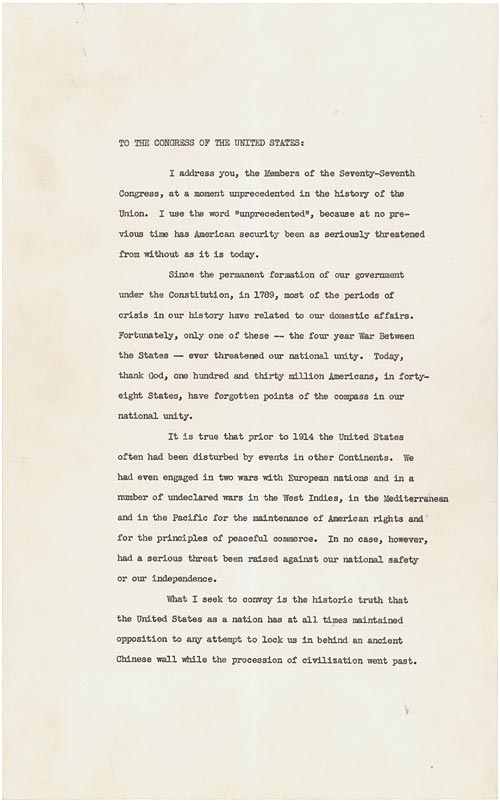 Speech
Primary source
Four Freedoms Speech
Franklin Delano Roosevelt · 6 January 1941
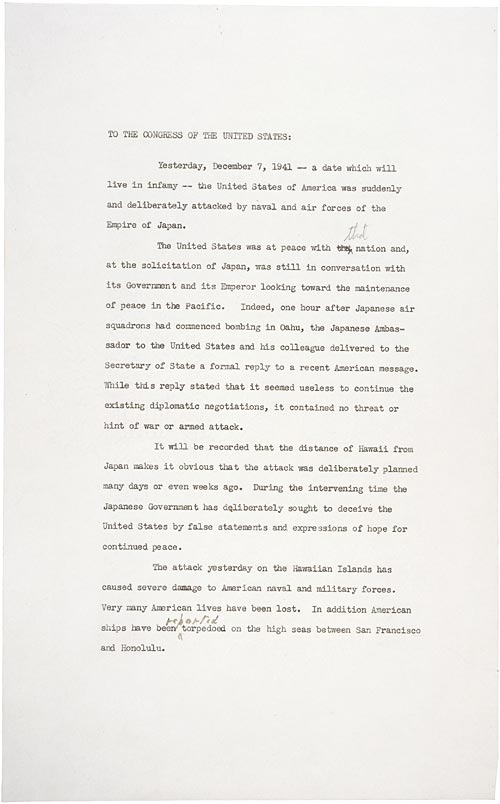 Speech
Primary source
Day of Infamy Speech
Franklin Delano Roosevelt · 8 December 1941
Primary source
Executive Order 9066
Franklin Delano Roosevelt · 19 February 1942
Ready when you are
Start chatting with Franklin D. Roosevelt now.
20 messages free · No credit card · Available in 50+ languages.