


Primary sourceBook1853
Bartleby, the Scrivener
Herman Melville · 1853
Melville's 1853 short story about a Wall Street clerk who quietly refuses to work, written after his novels had stopped selling.
Melville's best-known short story, written during the period when he turned to magazine work after his novels failed.
Free Humy account · No credit card · 120,912 sources to read
About this source
What it is
"Bartleby, the Scrivener: A Story of Wall Street" is a short story by Herman Melville, first published in two parts in Putnam's Magazine in 1853 and later reprinted in his collection The Piazza Tales. It follows a lawyer who hires a copying clerk, Bartleby, who gradually refuses every task with the words "I would prefer not to".
Why it matters
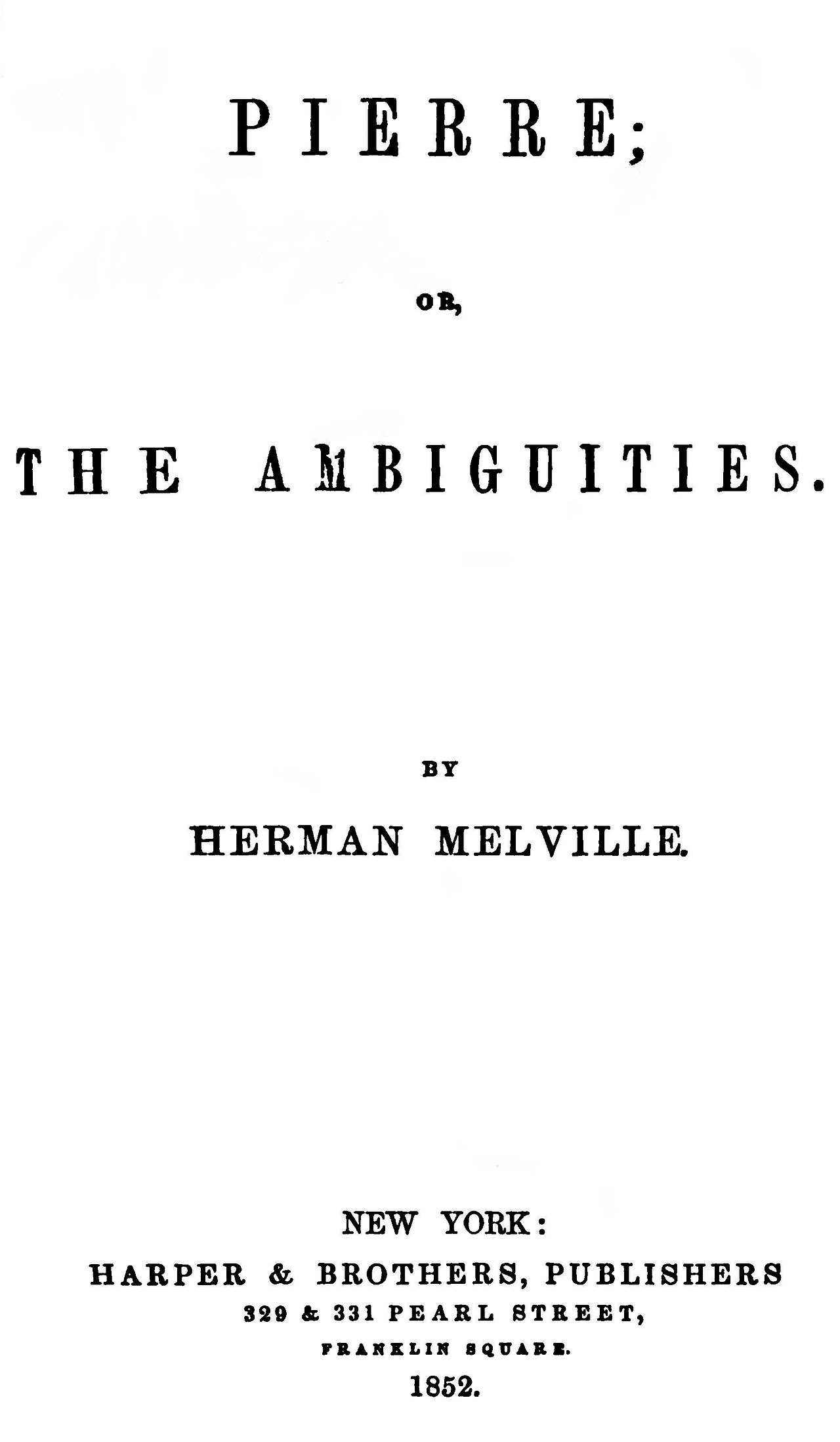
Melville wrote the story after the commercial failure of Moby-Dick and his novel Pierre, when he turned to magazine fiction to earn a living. It is now considered the masterpiece of his short fiction and has been widely studied for its portrait of passive resistance and alienation in the modern workplace.
Look closer
- Why do you think Bartleby's refusal is so unsettling to the narrator and the other clerks?
- What might Melville's own disappointments as a writer have to do with a story about quiet refusal?
- The narrator never fully understands Bartleby — what does the story leave unexplained on purpose?
This book is part of the curated material that grounds the AI version of Herman Melville on Humy.ai — when students ask about related events, the AI can quote it and cite it.
More Herman Melville sources
Browse all 70 →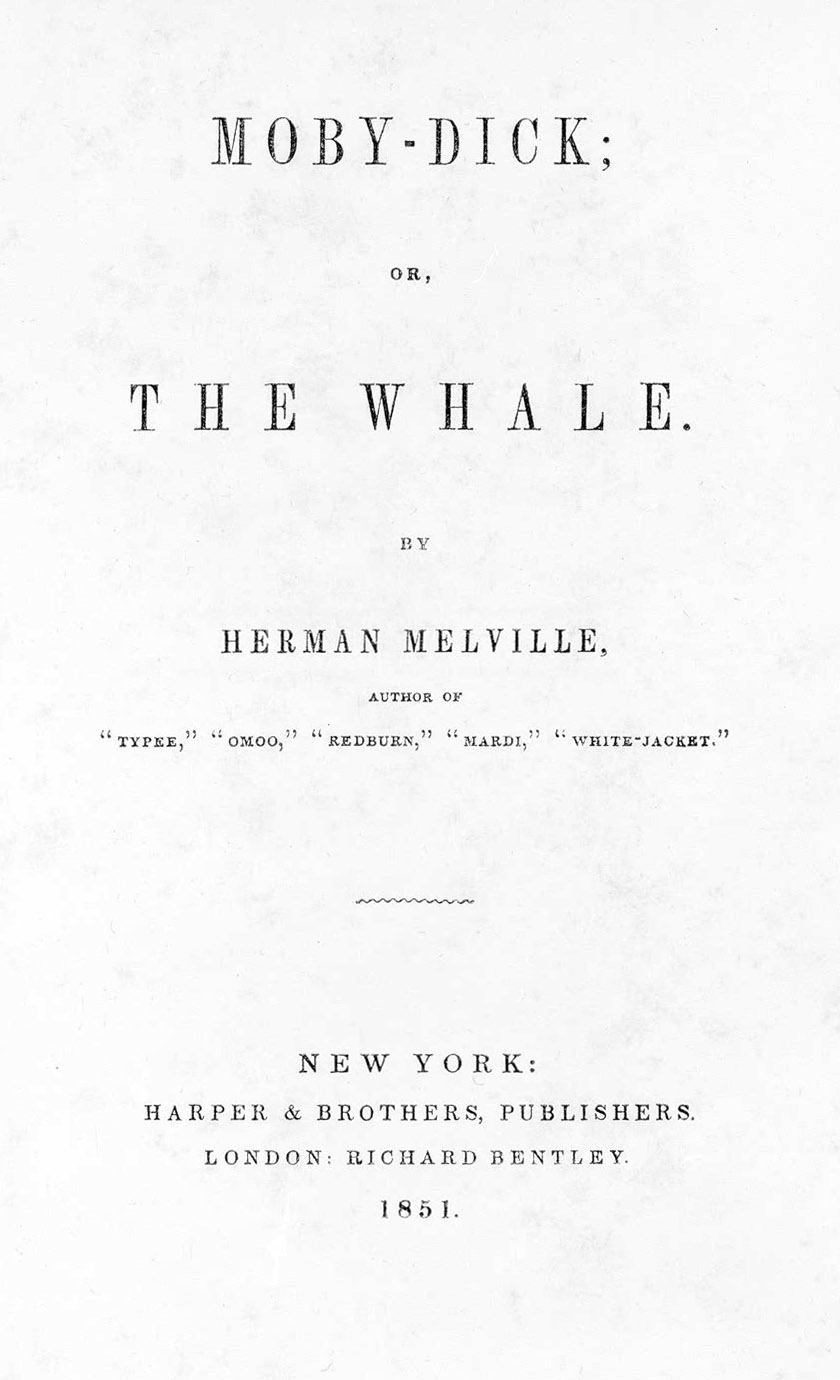 Book
Primary source
Moby-Dick
Herman Melville · 1851
 Book
Primary source
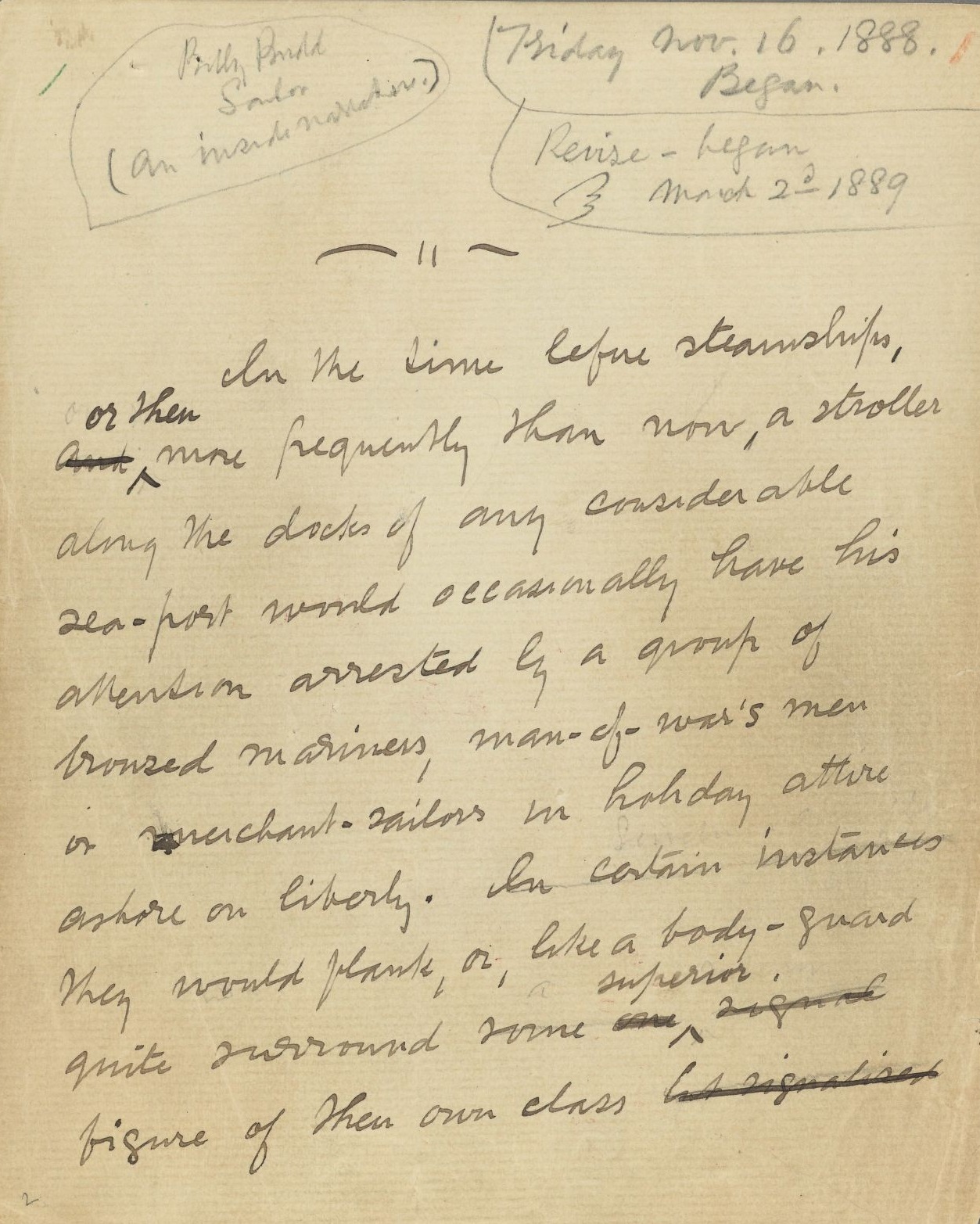
Billy Budd, Sailor
Herman Melville · written 1886-1891, published 1924
 Book
Primary source
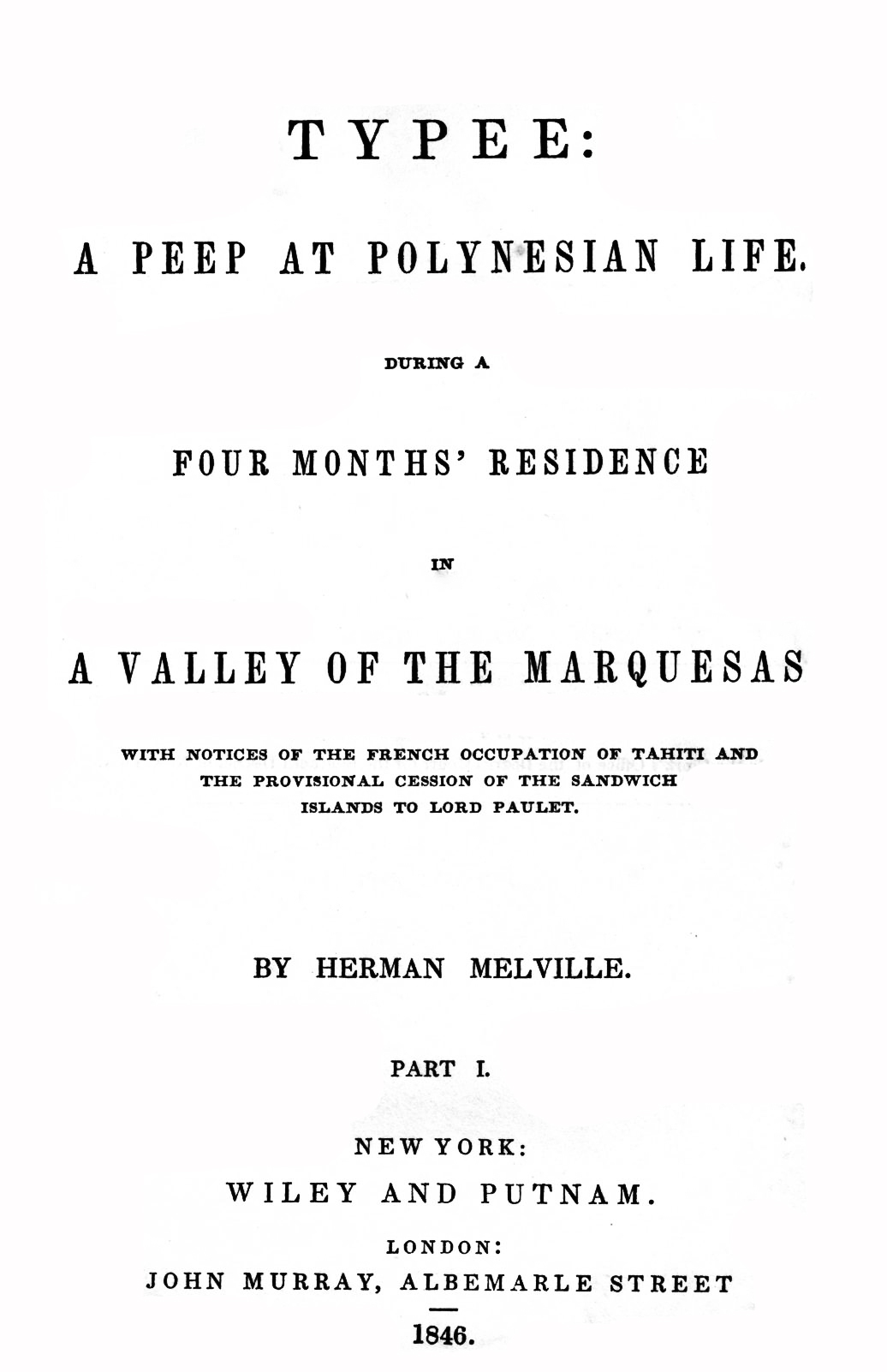
Typee
Herman Melville · 1846
Primary source
Benito Cereno
Herman Melville · 1855
Free account
Read every Herman Melville source
Sign up free →
Ready when you are
Start chatting with Herman Melville now.
20 messages free · No credit card · Available in 50+ languages.