


Secondary sourceArtifact1742
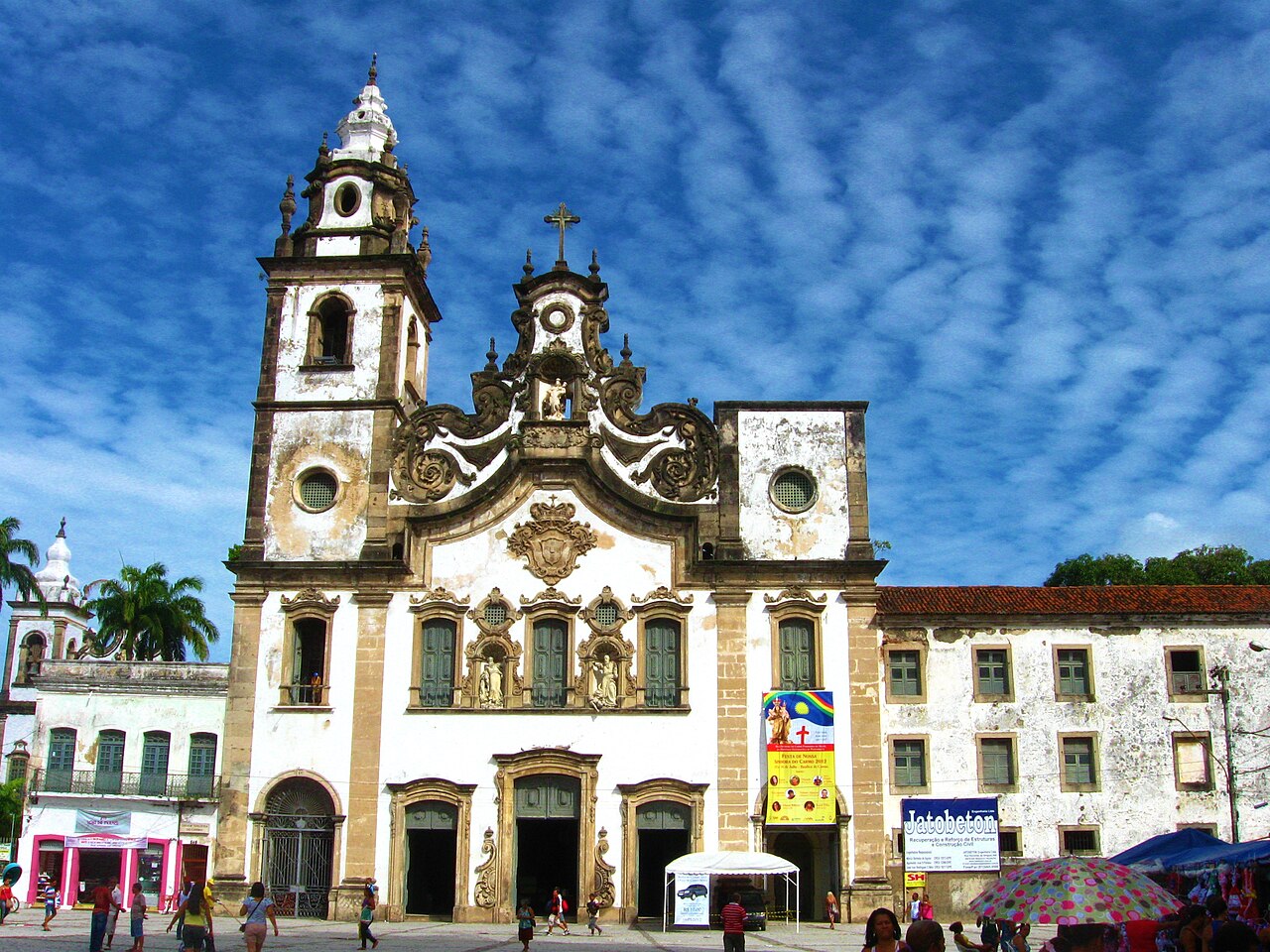
Basilica and Convent of Nossa Senhora do Carmo
1742
A Baroque church in Recife, Brazil, in front of which Zumbi's severed head was publicly displayed after his death.
Zumbi's head was publicly displayed in the square in front of this church as a warning against resistance to slavery.
Free Humy account · No credit card · 120,912 sources to read
About this source
What it is
This is a Catholic church and convent complex in Recife, Pernambuco, built in the Baroque style. Construction began in the 1660s and the temple was finally finished almost a century later. It still stands today and has been protected as a historic landmark.
Why it matters
The church square was the site where colonial authorities displayed the head of Zumbi, the leader of the Quilombo dos Palmares, after his death. This act was meant as a public warning against resistance to slavery. The building itself tells us about the power of the Church and colonial government in Brazil, the same system Zumbi fought against.
Look closer
- Why might authorities have chosen a busy church square for this display?
- What does the grandeur of the building tell you about who held power in colonial Recife?
- How does knowing what happened here change how you see the photograph of the church today?
This artifact is part of the curated material that grounds the AI version of Zumbi on Humy.ai — when students ask about related events, the AI can quote it and cite it.
More Zumbi sources
Browse all 47 →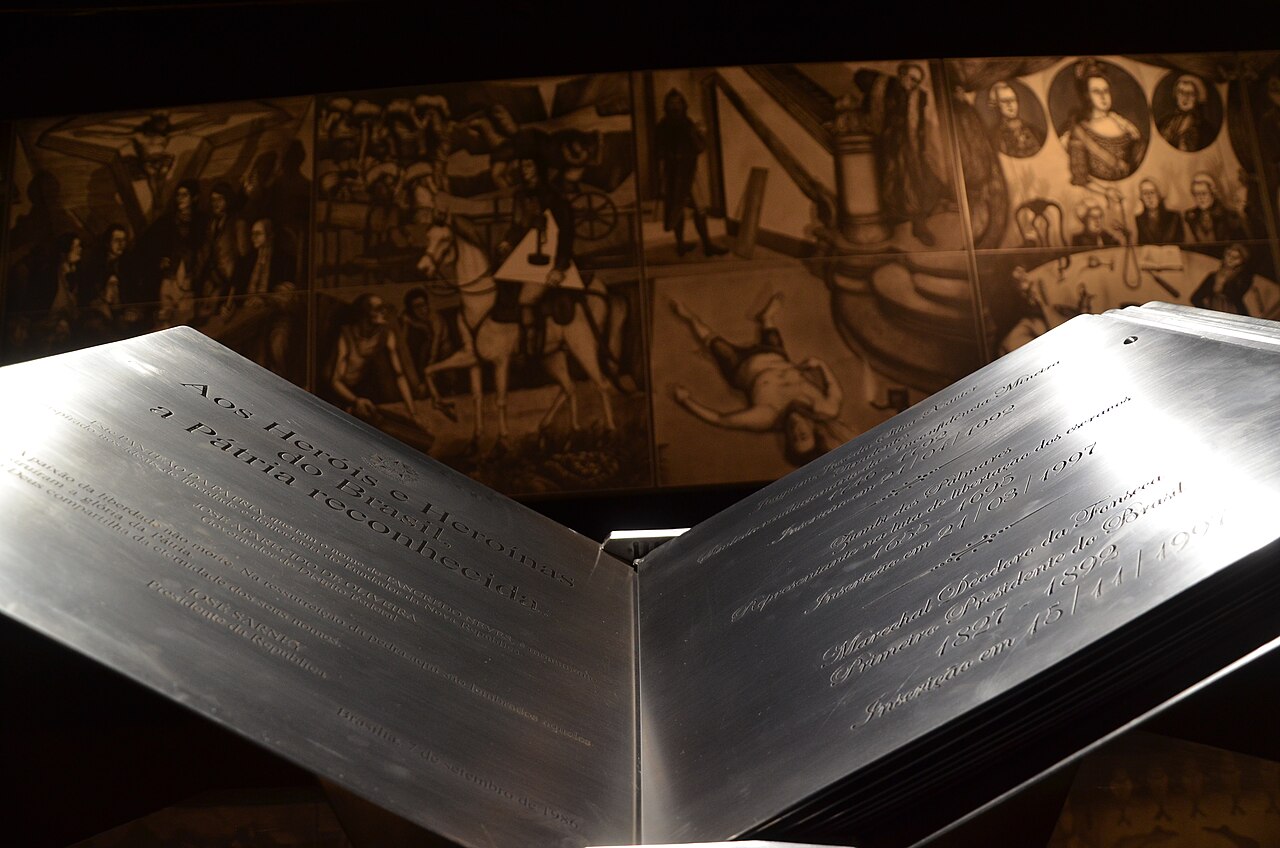 Artifact
Secondary source
Livro de Aço dos Heróis e Heroínas da Pátria
1989 (Zumbi entry added 1997)
 Painting
Secondary source
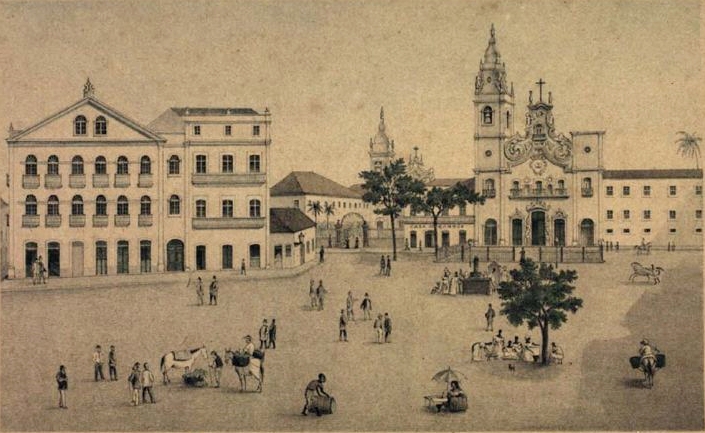
Pátio do Carmo, Recife - século XIX
Franz Heinrich Carls · 19th century
 Painting
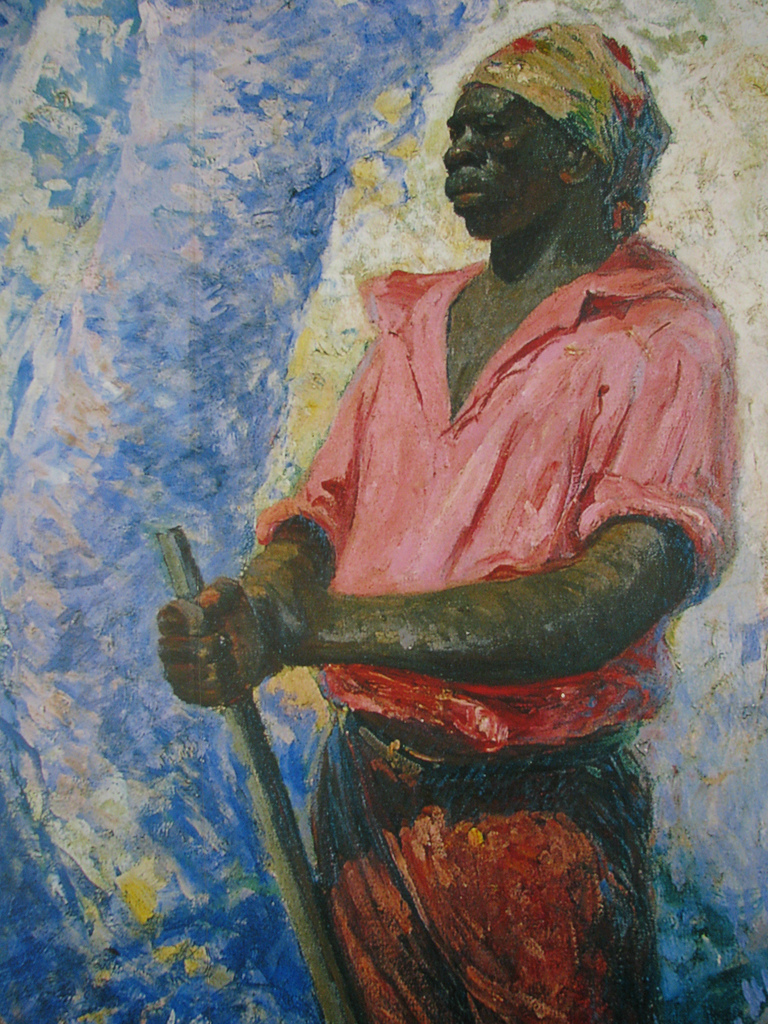
Secondary source
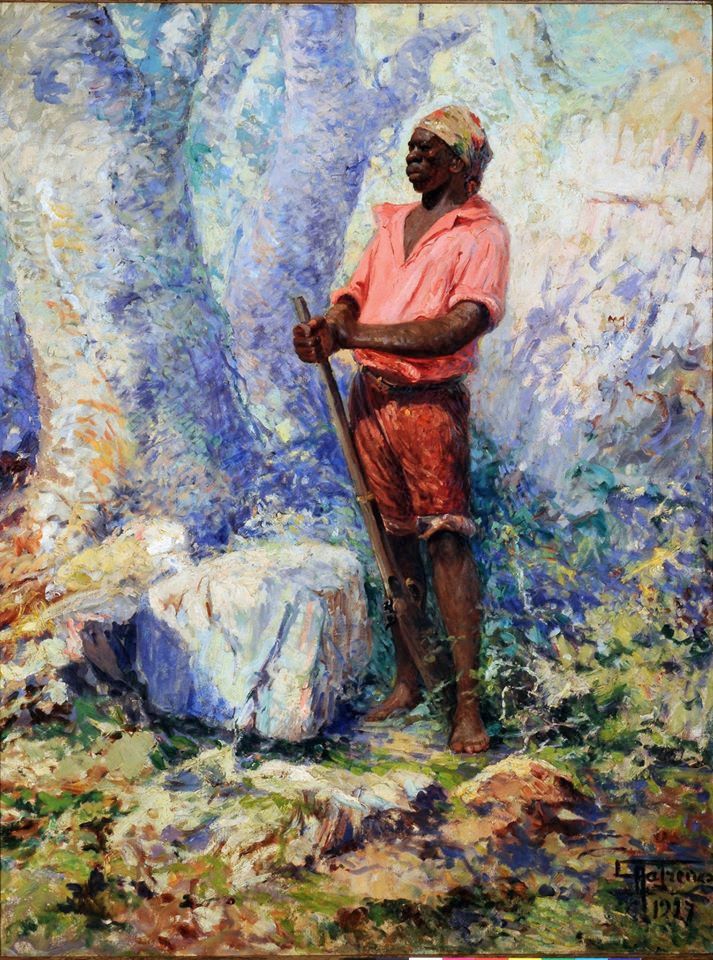
Zumbi
Antônio Parreiras · c. 1915
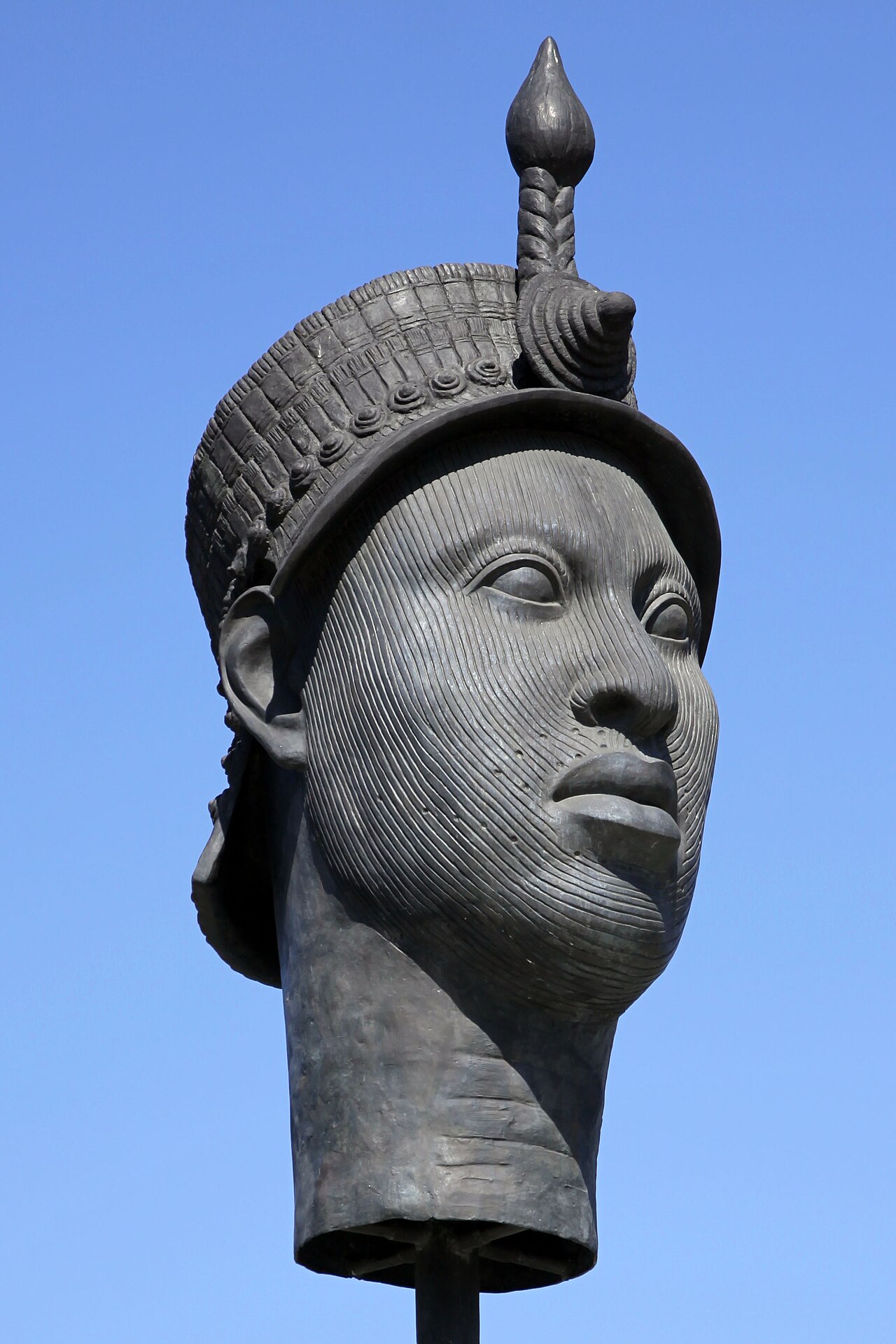 Sculpture
Secondary source
Sculpture of Zumbi dos Palmares (Ife Bronze)
1986
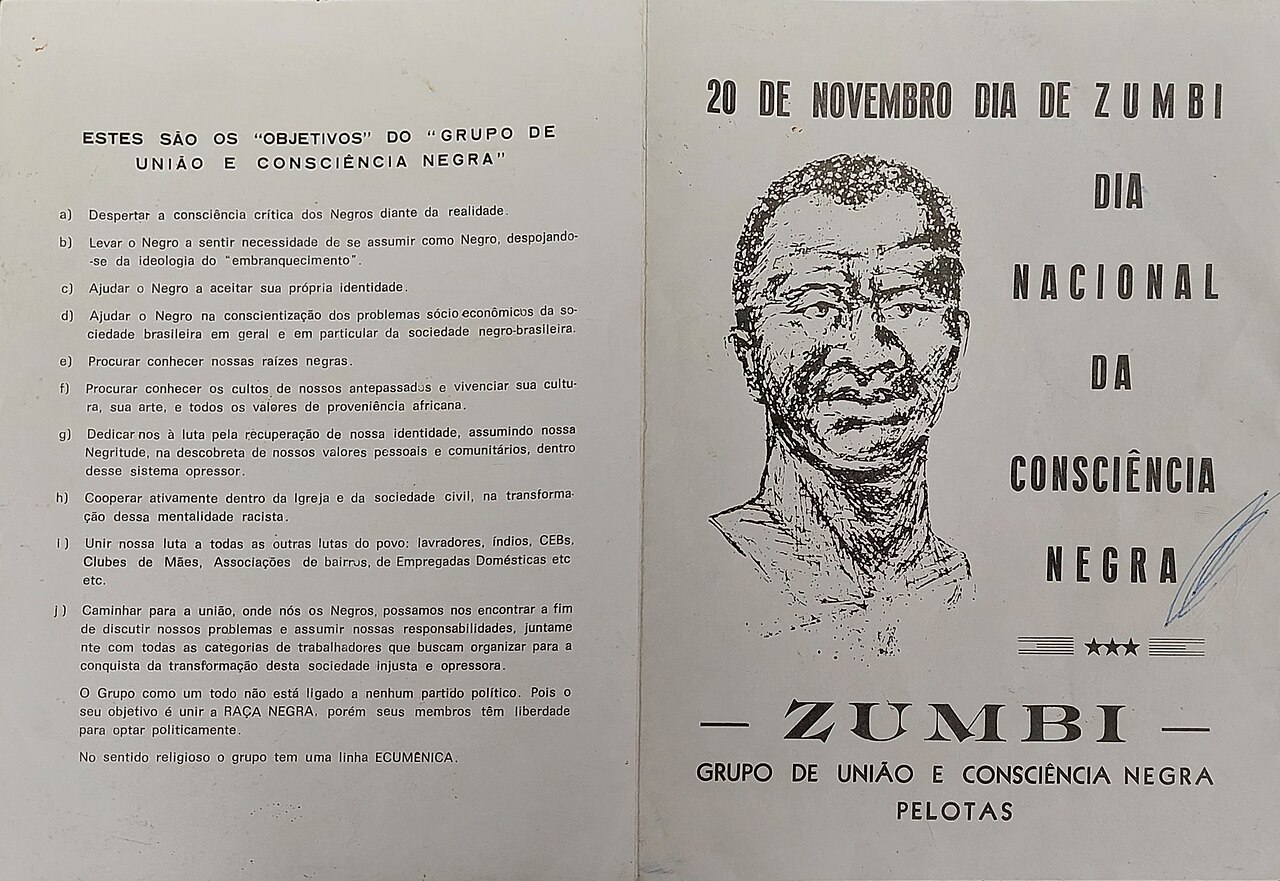
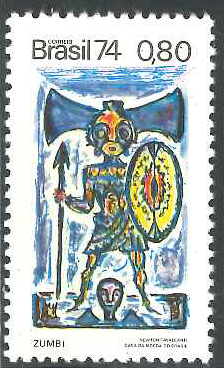
Free account
Read every Zumbi source
Sign up free →
Ready when you are
Start chatting with Zumbi now.
20 messages free · No credit card · Available in 50+ languages.