


Secondary sourceArtifact1861
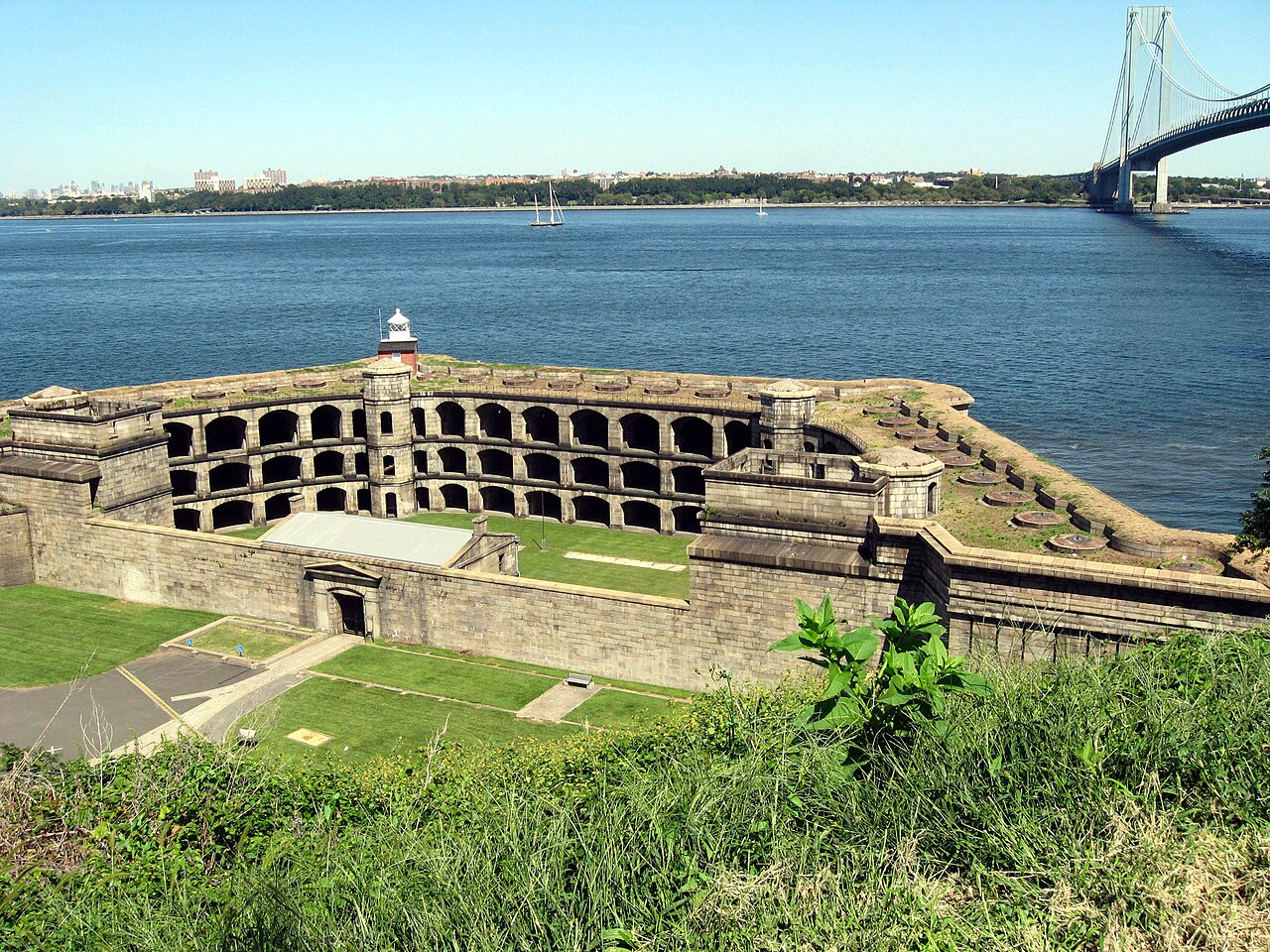
Battery Weed
Joseph G. Totten · 1861
A four-tiered stone fort guarding New York Harbor's Narrows, said to have been designed by Robert E. Lee while he served as an army engineer at nearby Fort Hamilton.
Lee is credited by some sources with the original design of this fort during his time as an army engineer at Fort Hamilton.
About this source
What it is
Battery Weed, originally called Fort Richmond, is a stone coastal fort on Staten Island, New York, built between 1845 and 1861 to guard the entrance to New York Harbor. It was later renamed for Brigadier General Stephen H. Weed. The detailed design is credited to General Joseph G. Totten, though some sources say the original plans for Fort Richmond came from Robert E. Lee, who worked as a post engineer at nearby Fort Hamilton in the 1840s.
Why it matters
Before he became the Confederacy's most famous general, Lee spent years as a U.S. Army engineer working on coastal defenses like this one. The fort shows the long career Lee had serving the United States military before the Civil War split the country and he chose to fight for the Confederacy.
Look closer
- What does this fort's design tell you about military engineering in the 1800s?
- Why might a future Confederate general have spent years building defenses for the United States?
- What questions does the record leave about exactly how much Lee contributed to the design?
This artifact is part of the curated material that grounds the AI version of Robert E. Lee on Humy.ai — when students ask about related events, the AI can quote it and cite it.
More Robert E. Lee sources
Meet the AI Robert E. Lee →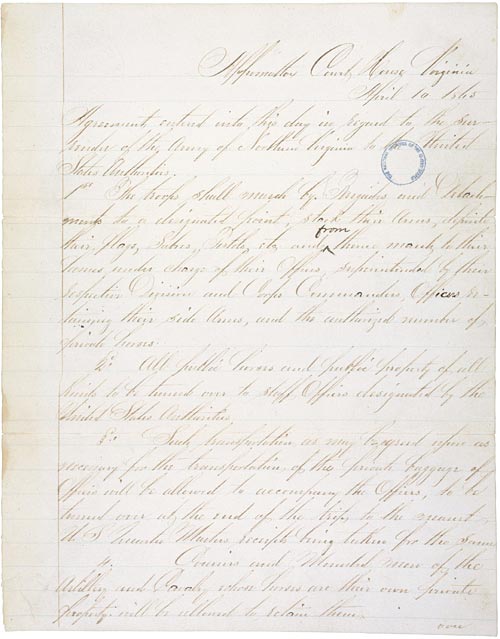 Document
Primary source
Articles of Agreement Relating to the Surrender of the Army of Northern Virginia
Ulysses S. Grant · 10 April 1865
 Letter
Primary source
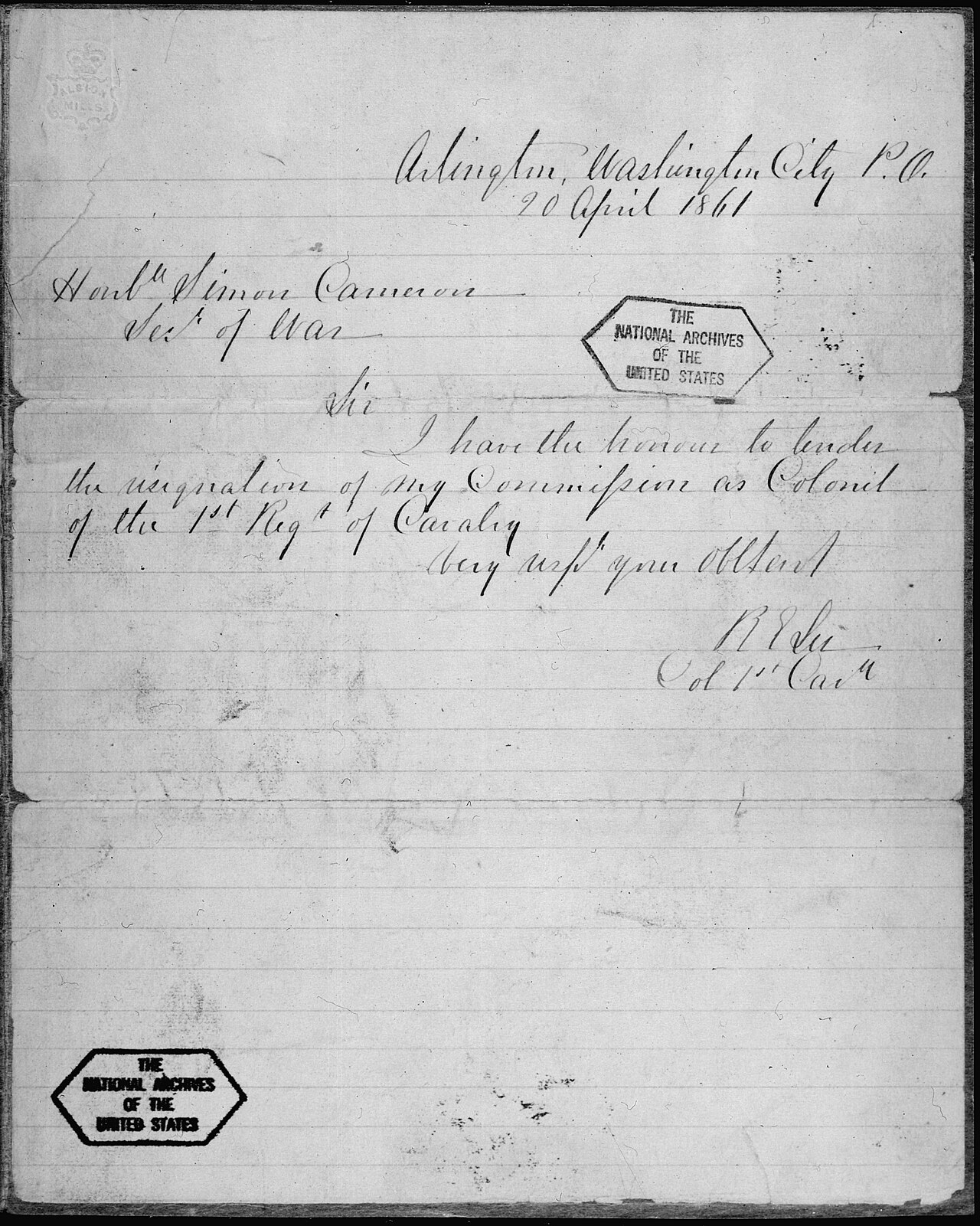
Letter from Robert E. Lee to Simon Cameron Resigning from the U.S. Army
Robert E. Lee · 20 April 1861
 Speech
Primary source
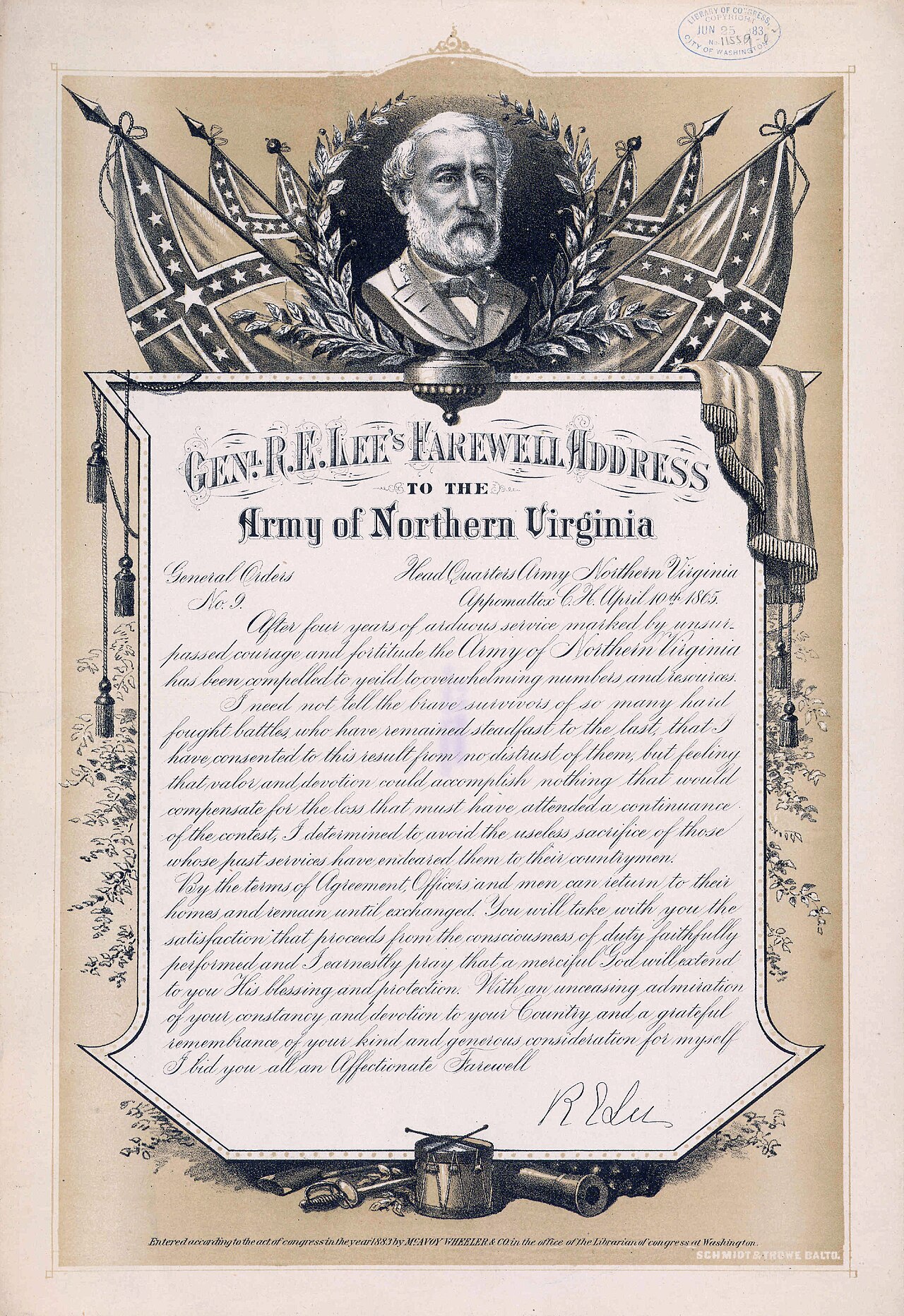
Lee's Farewell Address (General Order No. 9)
 Photograph
Primary source
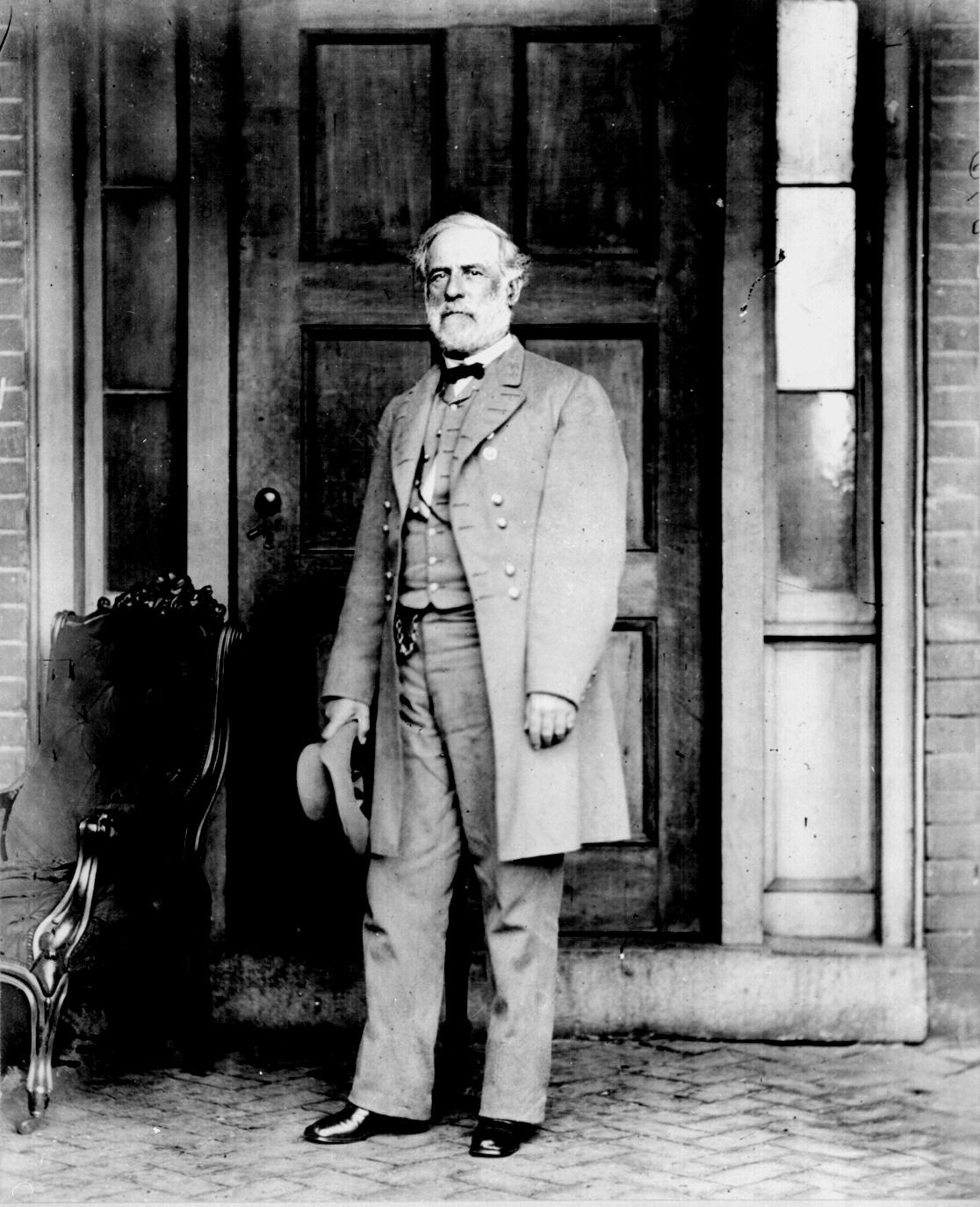
Confederate General Robert E. Lee Poses in Late April 1865
Mathew Benjamin Brady · late April 1865
 Book
Primary source
Personal Memoirs of U. S. Grant
Ulysses S. Grant · 1885
Ready when you are
Start chatting with Robert E. Lee now.
20 messages free · No credit card · Available in 50+ languages.