


Primary sourceArtifactbegun 1295
Beaumaris Castle
begun 1295
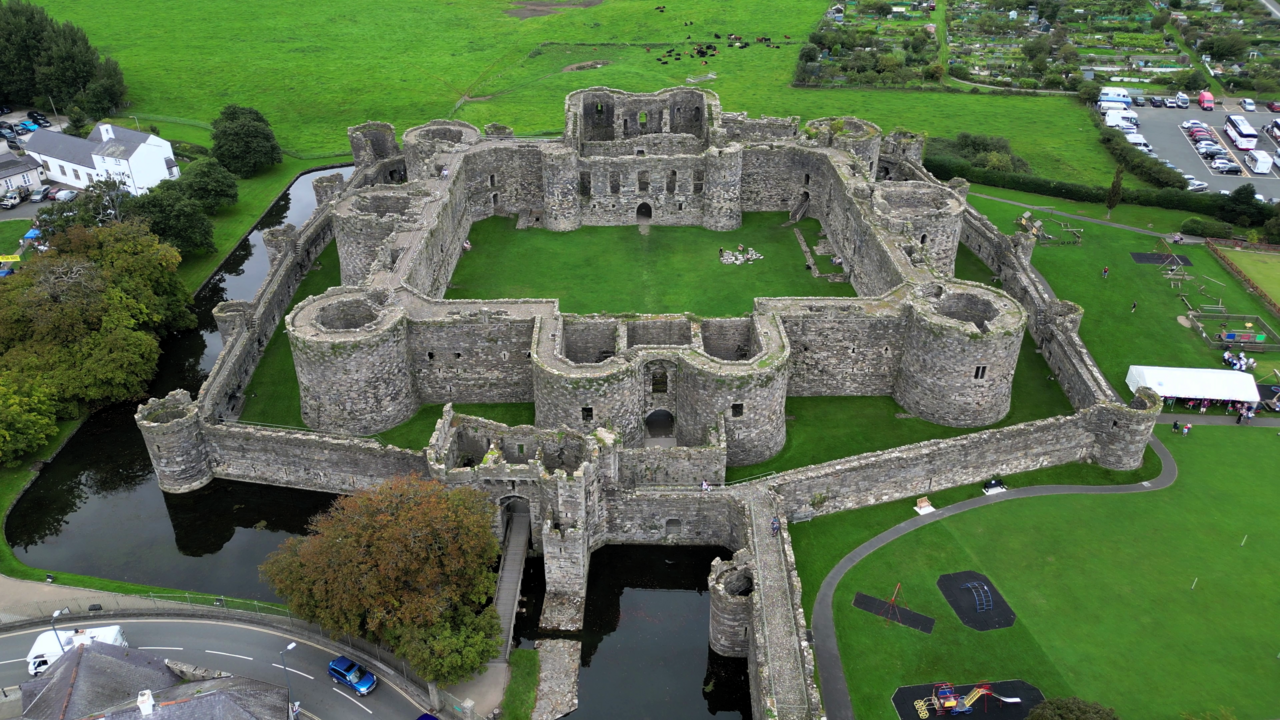
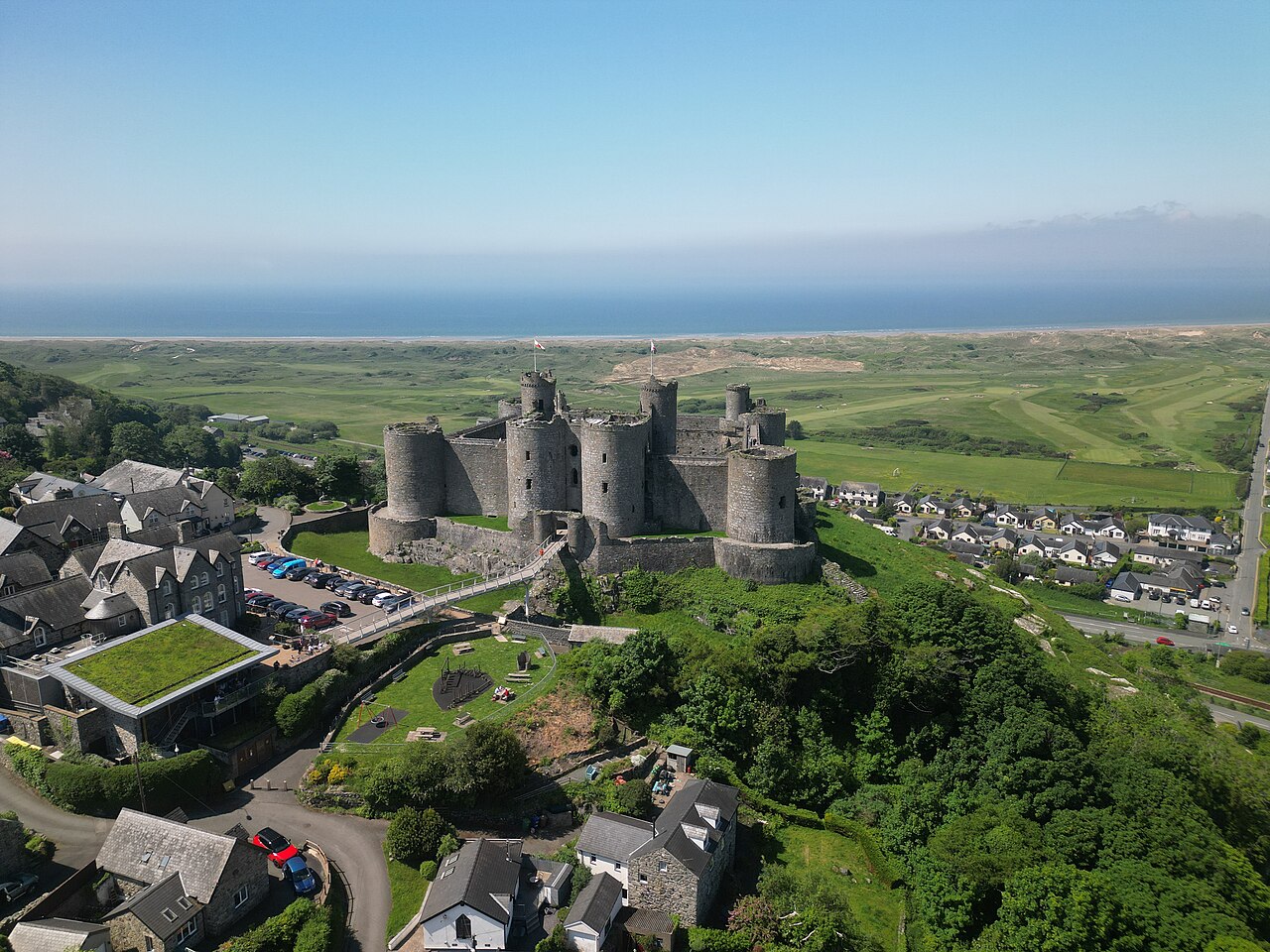
An unfinished but near-perfect concentric castle begun in 1295 by Edward I after a Welsh uprising, built after displacing the Welsh population of Llanfaes.
Edward I commissioned Beaumaris after a Welsh revolt, displacing a Welsh population to build it.
About this source
What it is
Beaumaris Castle, on Anglesey, was begun in 1295 under the direction of James of St George after Edward I suppressed the uprising led by Madog ap Llywelyn. Plans dated back to 1284 but were delayed by lack of funds. Work stopped and restarted over decades, and the castle, though a huge sum was spent, was never finished.
Why it matters
Historians call Beaumaris Britain's most perfect example of symmetrical concentric castle design. To build it, Edward moved the Welsh population of the wealthy port of Llanfaes to a new settlement, opening the site for an English town. The castle's incompleteness, caused when Edward's attention and funds shifted to invading Scotland, reveals the limits of even a determined king's resources.
Why it matters
Look closer
- What happened to the Welsh people who had lived at Llanfaes, and why?
- Why might a nearly-perfect design still be left unfinished?
- What does the castle's cost and interrupted construction tell you about competing priorities for Edward's wars?
This artifact is part of the curated material that grounds the AI version of Edward I on Humy.ai — when students ask about related events, the AI can quote it and cite it.
More Edward I sources
Browse all 97 →
Ready when you are
Start chatting with Edward I now.
20 messages free · No credit card · Available in 50+ languages.