


Primary sourceDocument5 June 1945
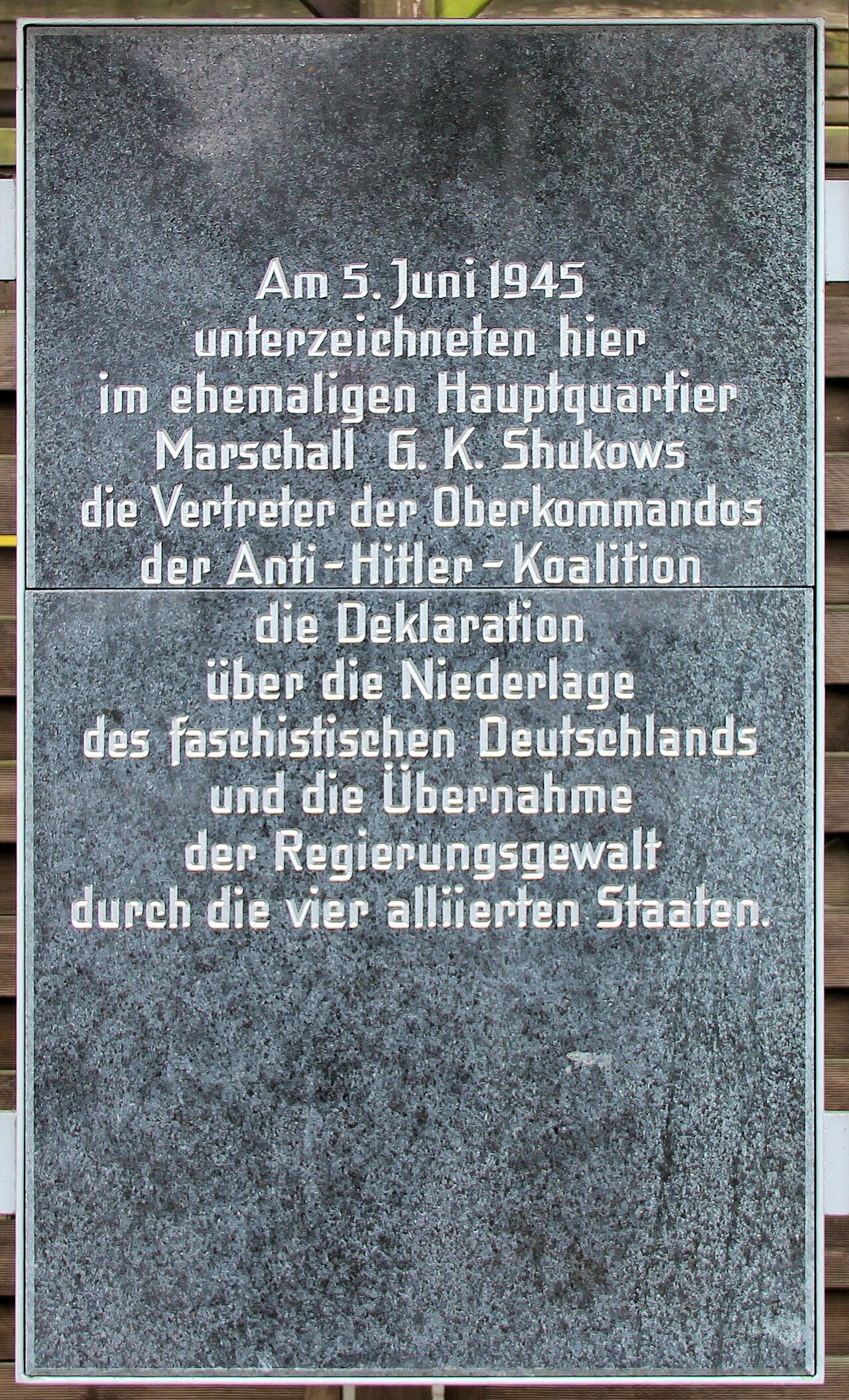
Berlin Declaration
5 June 1945
The 1945 Allied declaration assuming supreme authority over defeated Germany, signed by Zhukov alongside Eisenhower, Montgomery and de Lattre de Tassigny.
Zhukov signed this declaration as the Soviet member, formally assuming joint Allied authority over occupied Germany.
Free Humy account · No credit card · 120,912 sources to read
About this source
What it is
The Berlin Declaration of 5 June 1945 was signed by representatives of the United States, Soviet Union, United Kingdom and France, formally stating that Germany had no functioning government and that the four powers would jointly take over its administration. Zhukov signed as the Soviet representative.
Why it matters
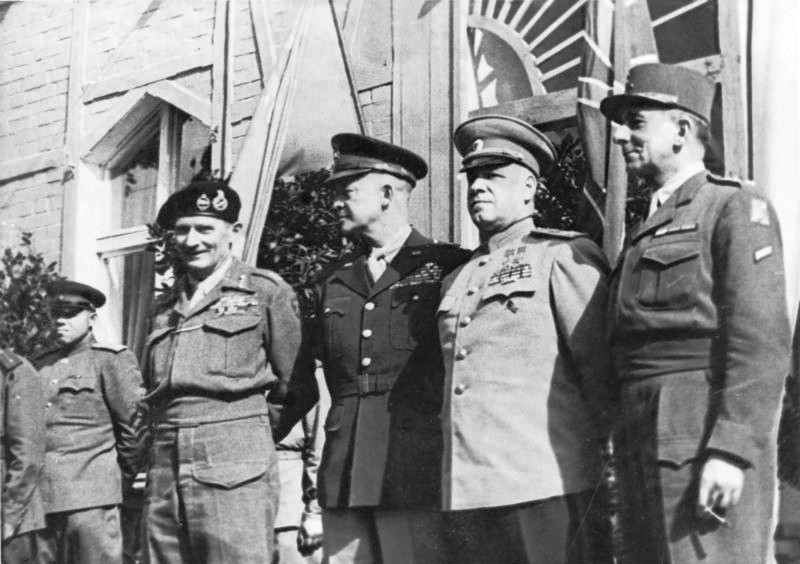
The declaration set up the Allied Control Council, the body that governed occupied Germany, and reveals how the wartime Allies tried to manage the defeated country together. Zhukov's signature, alongside Eisenhower, Montgomery and de Lattre de Tassigny, shows his role moving from battlefield commander to political authority in post-war Germany.
Look closer
- Why might the Allies have wanted a separate declaration after the military surrender had already been signed?
- What does the document's language about Germany having 'no central government' suggest about Allied plans?
- What tensions might already exist between the four signing powers, even as they cooperated here?
This document is part of the curated material that grounds the AI version of Georgy Zhukov and Karl Dönitz on Humy.ai — when students ask about related events, the AI can quote it and cite it.
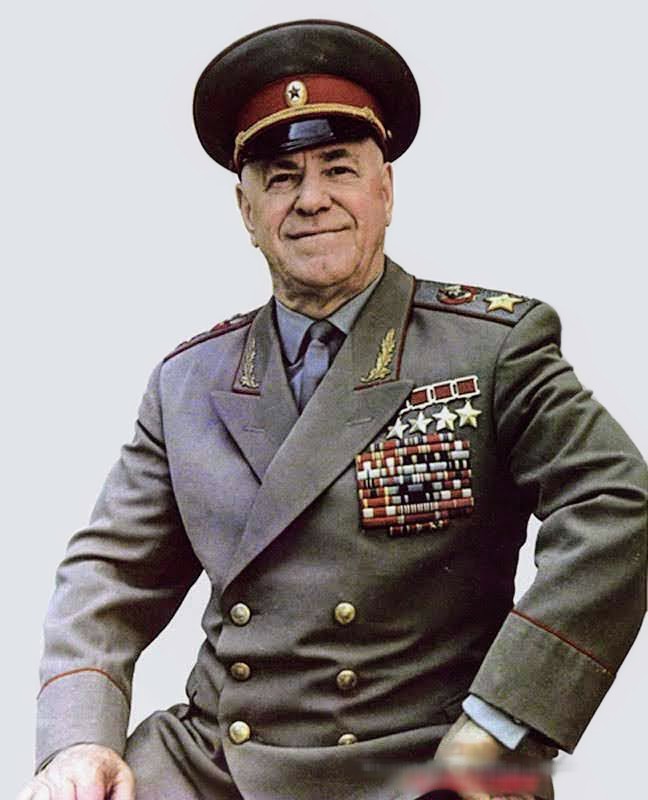
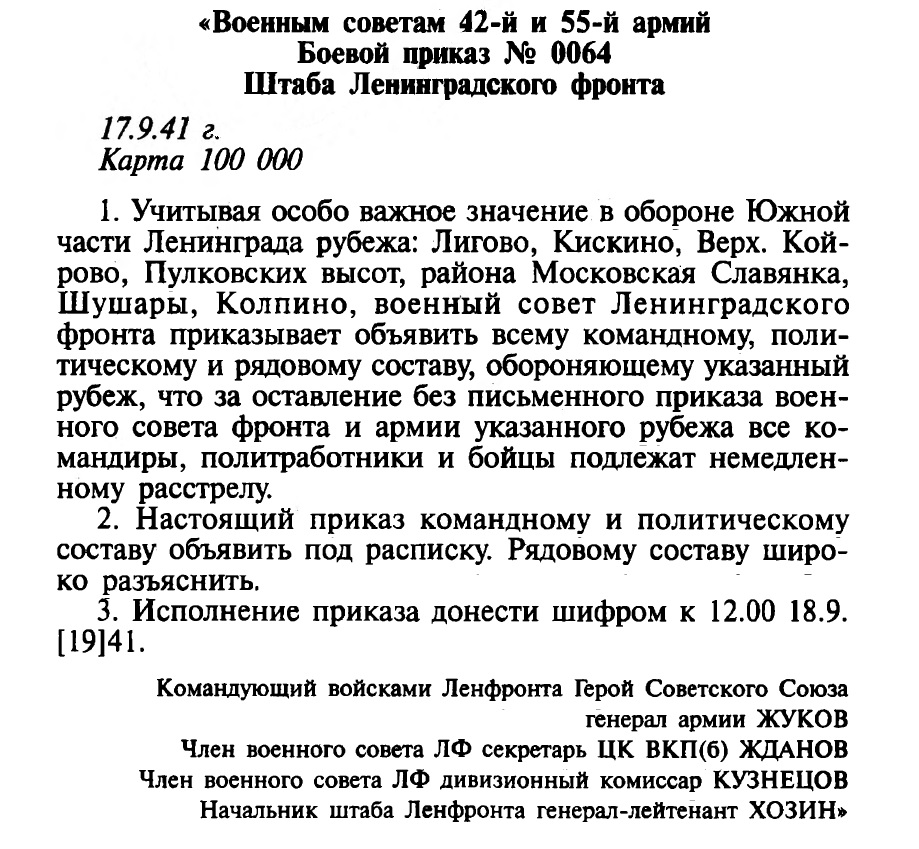
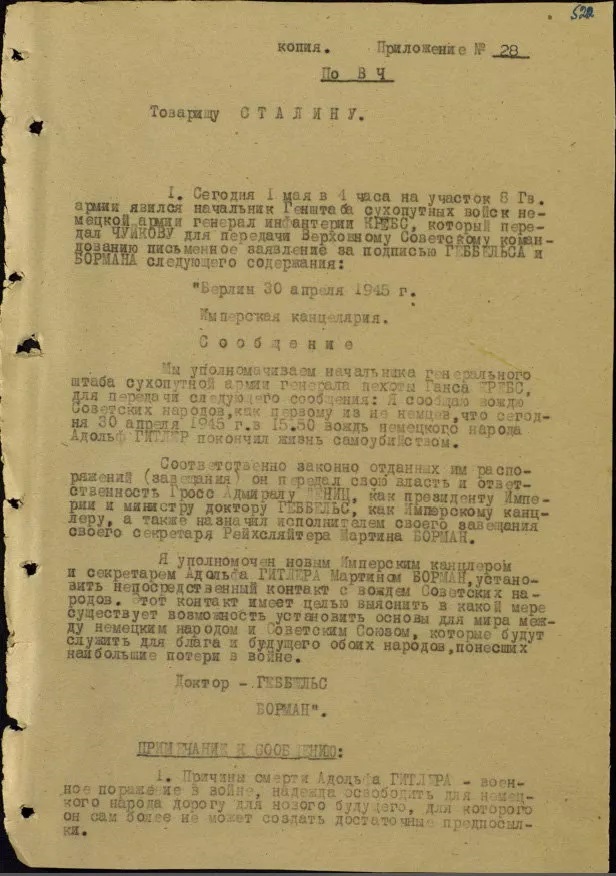
More Georgy Zhukov sources
Browse all 98 →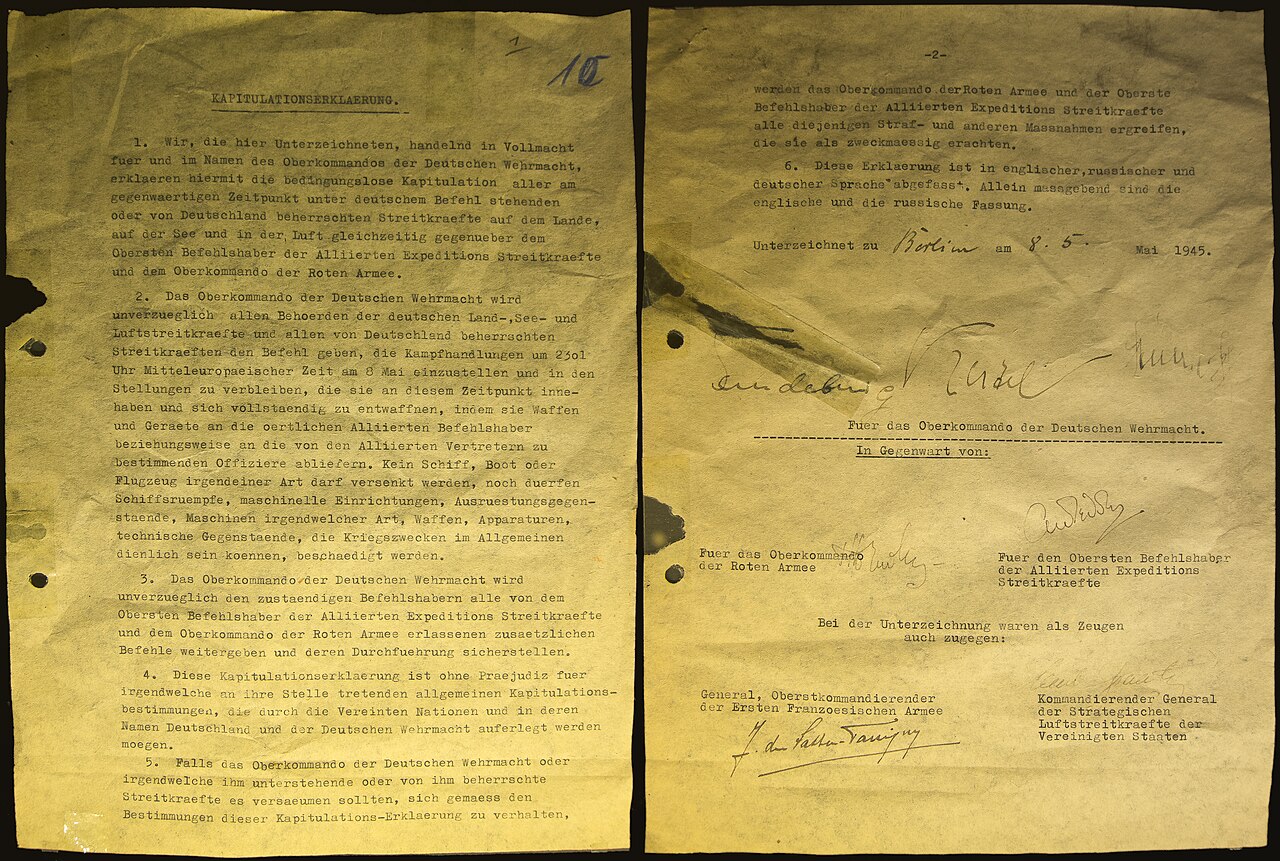 Document
Primary source
German Instrument of Surrender
8 May 1945
 Photograph
Primary source
Oberbefehlshaber der vier Verbündeten
Unknown author · June 1945
 Photograph
Primary source
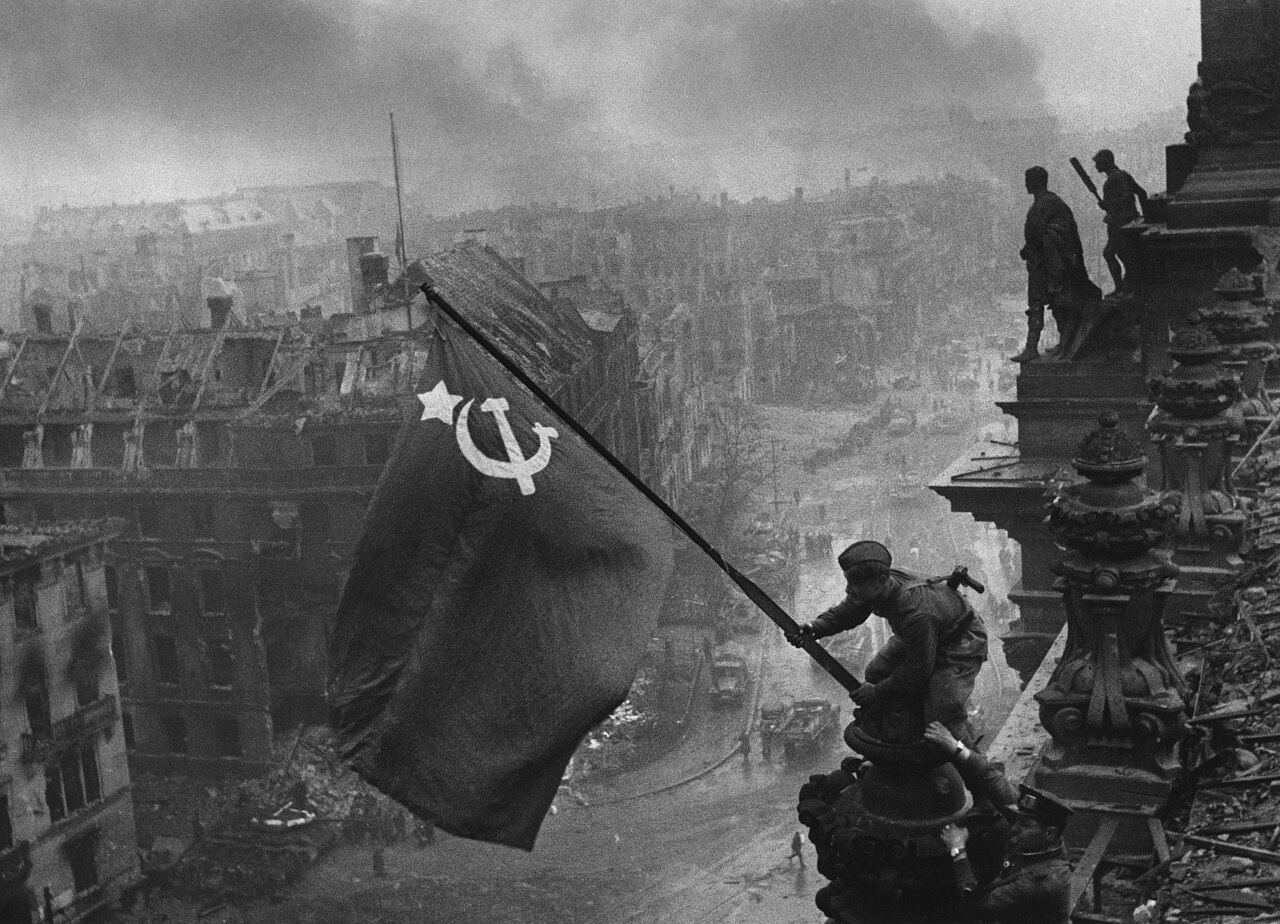
Raising a Flag over the Reichstag
Yevgeny Khaldei · 2 May 1945
 Documentary
Primary source
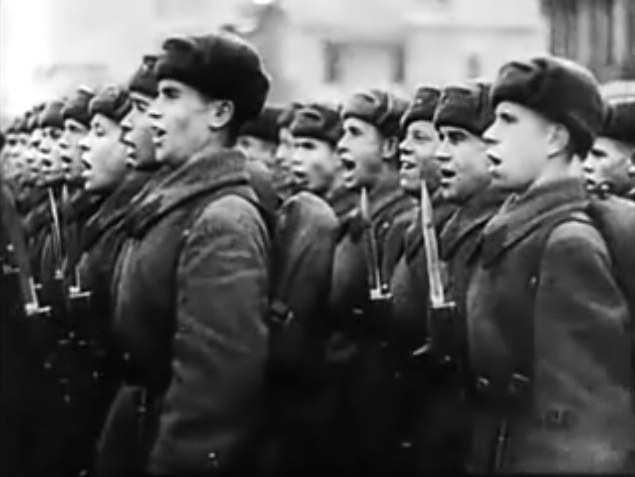
Moscow Strikes Back
Ilya Kopalin and Leonid Varlamov · 1942
Free account
Read every Georgy Zhukov source
Sign up free →
Ready when you are
Start chatting with Georgy Zhukov now.
20 messages free · No credit card · Available in 50+ languages.