


Primary sourceLetterNovember 1864
Bixby Letter
Abraham Lincoln · November 1864
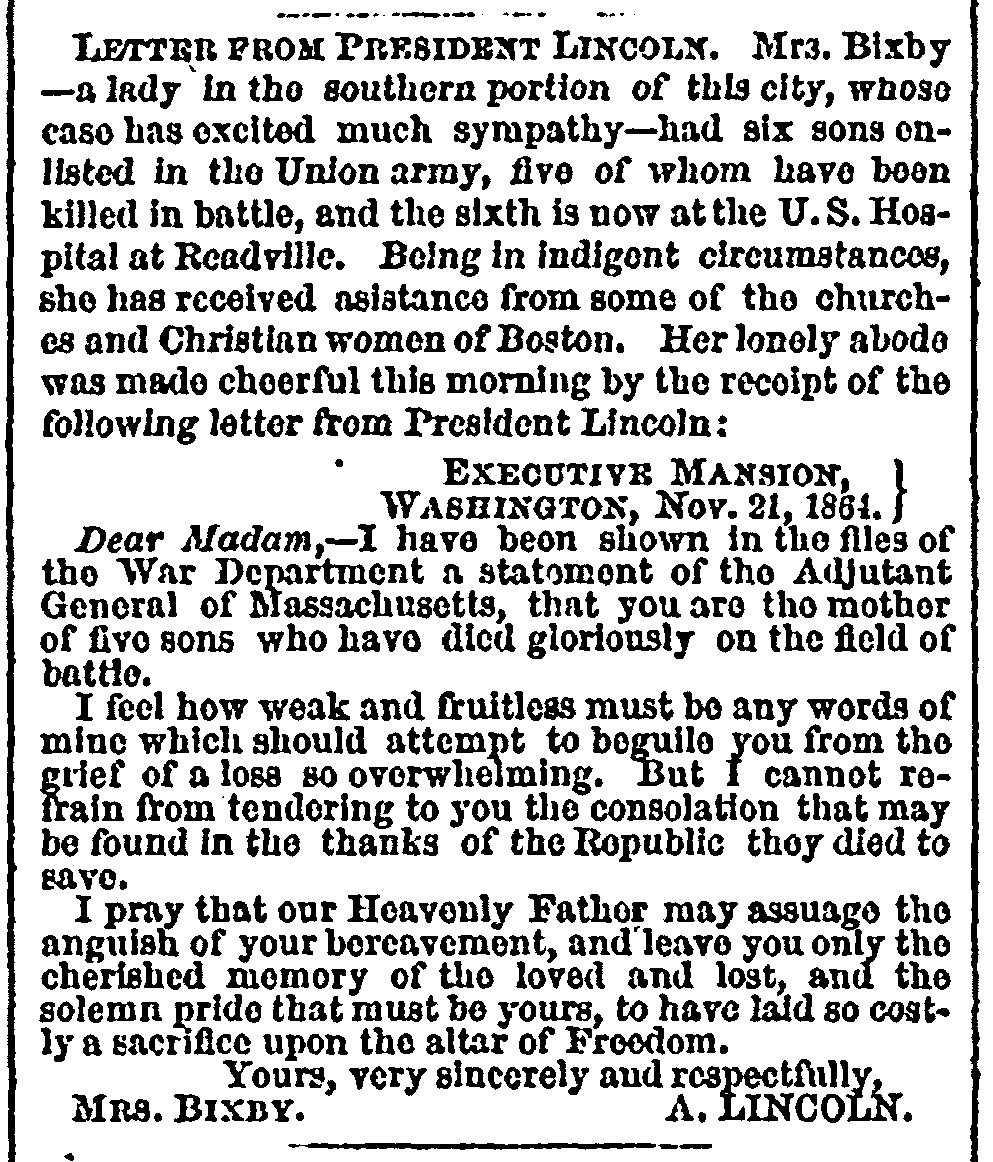
A condolence letter Lincoln reportedly sent in 1864 to a Boston widow believed to have lost five sons in the Civil War.
A famous Lincoln letter whose disputed authorship makes it a strong exercise in evaluating historical sources.
About this source
What it is
The Bixby letter is a short letter of condolence sent in November 1864 to Lydia Bixby, a Boston widow thought to have lost five sons fighting for the Union army. It was printed in Boston newspapers soon after delivery.
Why it matters
Along with the Gettysburg Address and his second inaugural address, the letter is praised as one of Lincoln's finest pieces of writing. But historians dispute who actually wrote it—possibly Lincoln's secretary John Hay—and question whether Bixby really lost five sons, since military records show at least two survived. This makes it a useful case study in checking historical sources rather than accepting them at face value.
Look closer
- Why might a letter be famous for its writing style even if its facts turn out to be wrong?
- What questions would you ask to check who really wrote this letter?
- Why might officials have wanted to publicize a story about a mother who lost five sons?
This letter is part of the curated material that grounds the AI version of Abraham Lincoln on Humy.ai — when students ask about related events, the AI can quote it and cite it.
More Abraham Lincoln sources
Meet the AI Abraham Lincoln →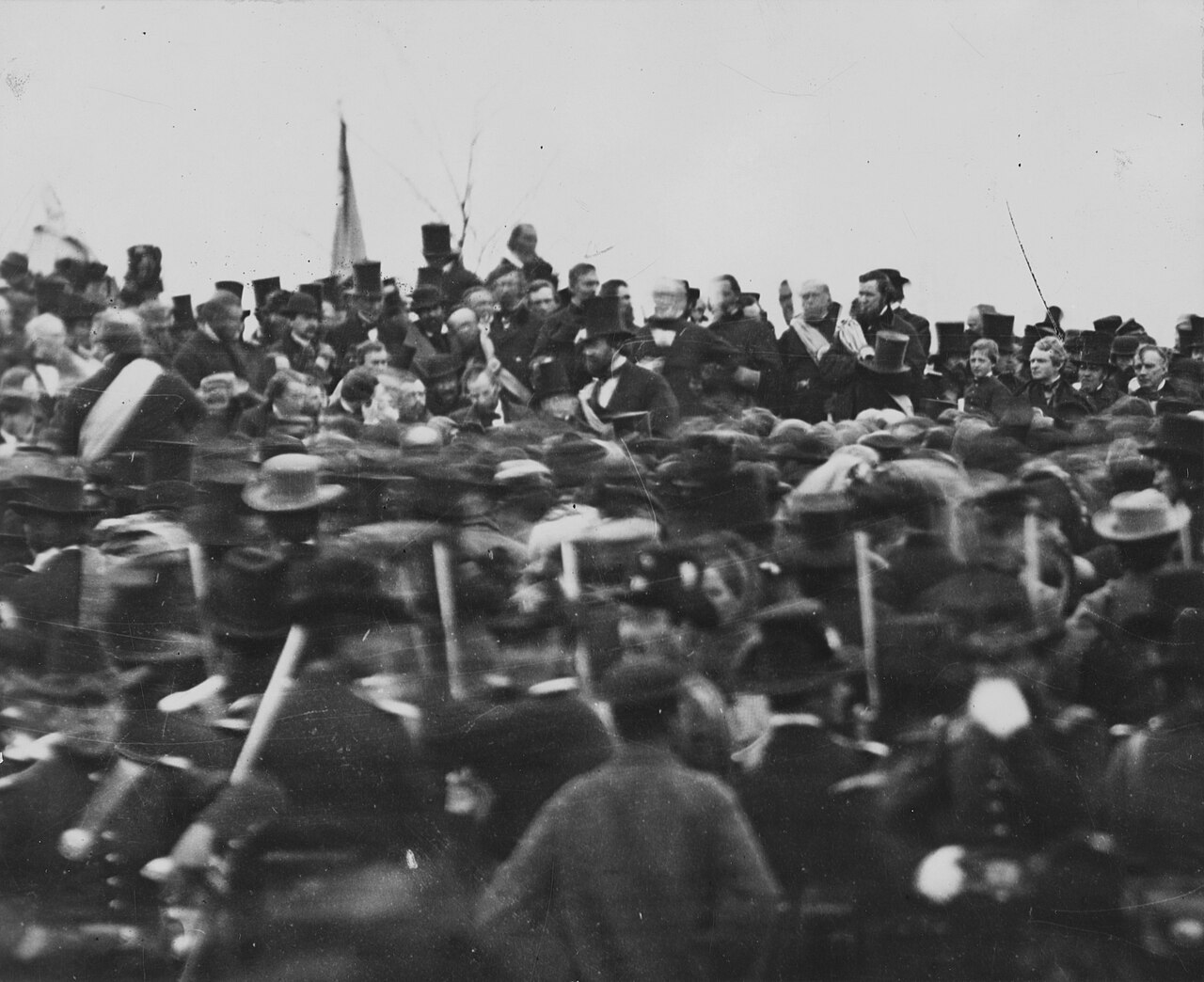 Speech
Primary source
Gettysburg Address
Abraham Lincoln · 19 November 1863
 Photograph
Primary source
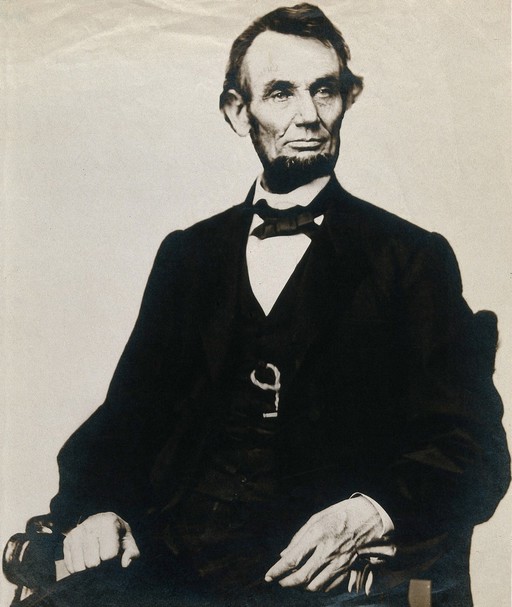
Abraham Lincoln Photograph after Mathew Brady
Mathew B. Brady · 1864
 Document
Primary source
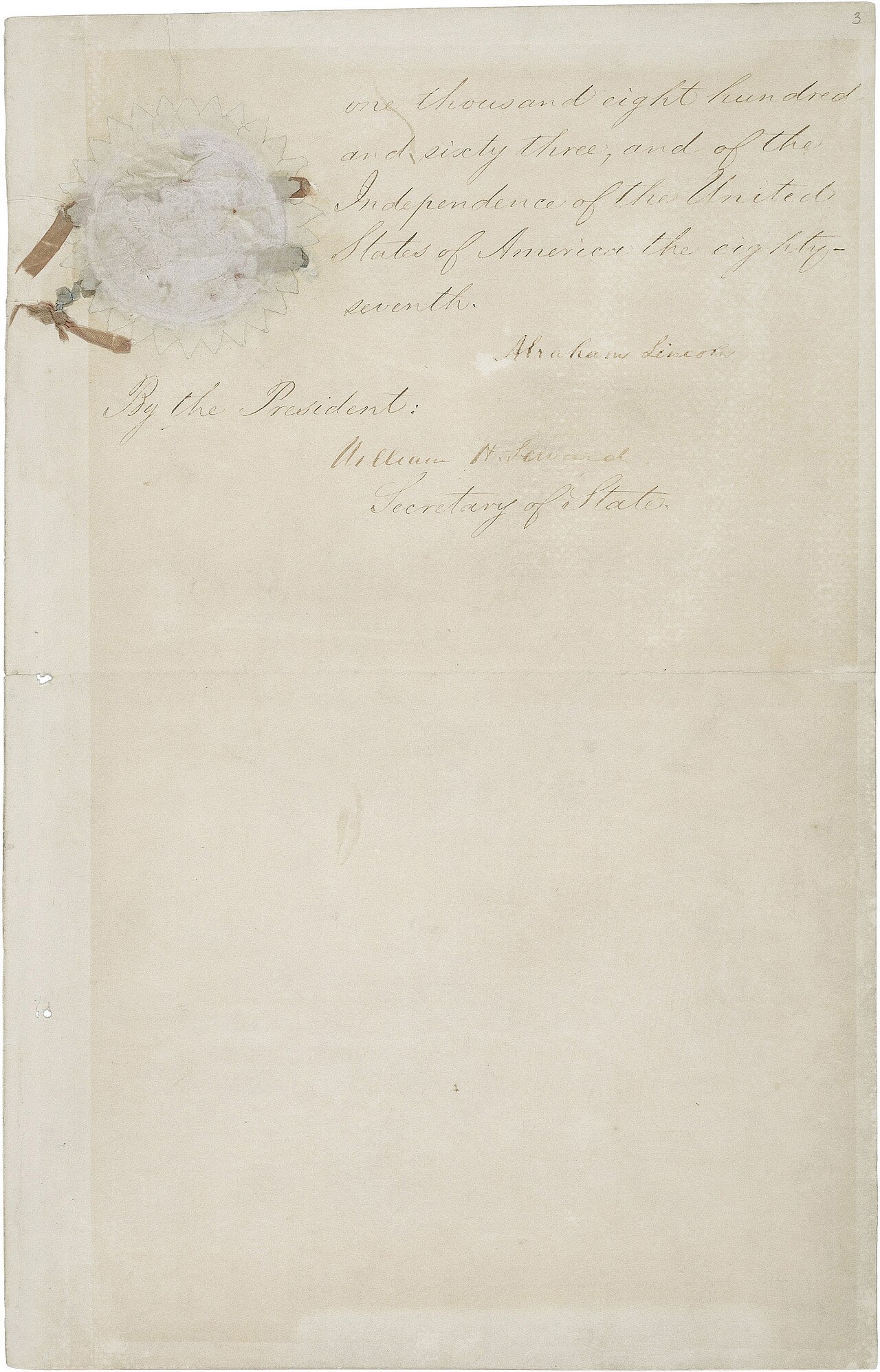
Emancipation Proclamation
Abraham Lincoln · 1 January 1863
 Photograph
Primary source
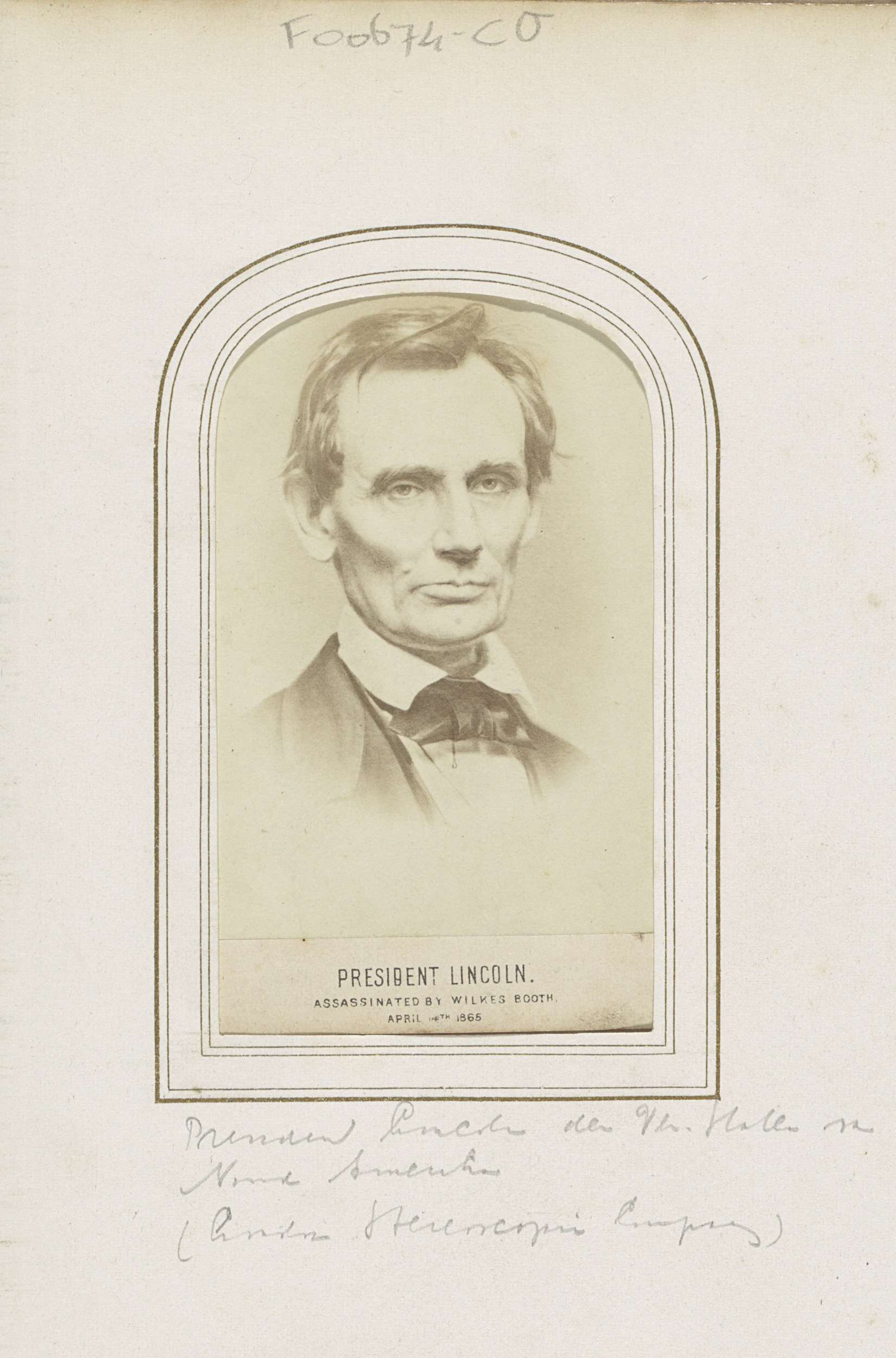
Carte-de-visite Portrait of Abraham Lincoln
19th century
 Speech
Primary source
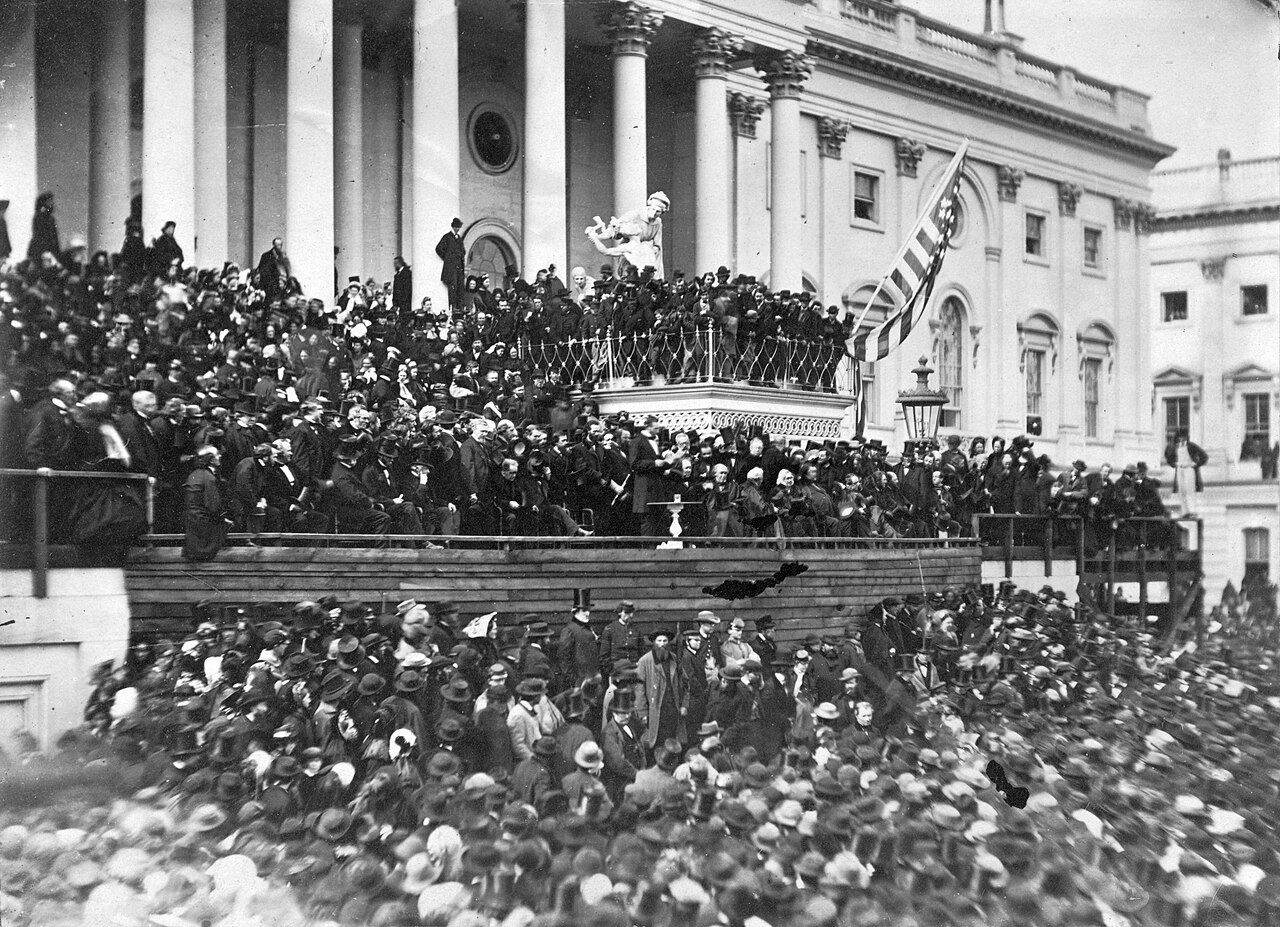
Abraham Lincoln's Second Inaugural Address
Abraham Lincoln · 4 March 1865
Ready when you are
Start chatting with Abraham Lincoln now.
20 messages free · No credit card · Available in 50+ languages.