


Secondary sourcePainting1914
Blending Inheritance of Size in Rabbits
1914
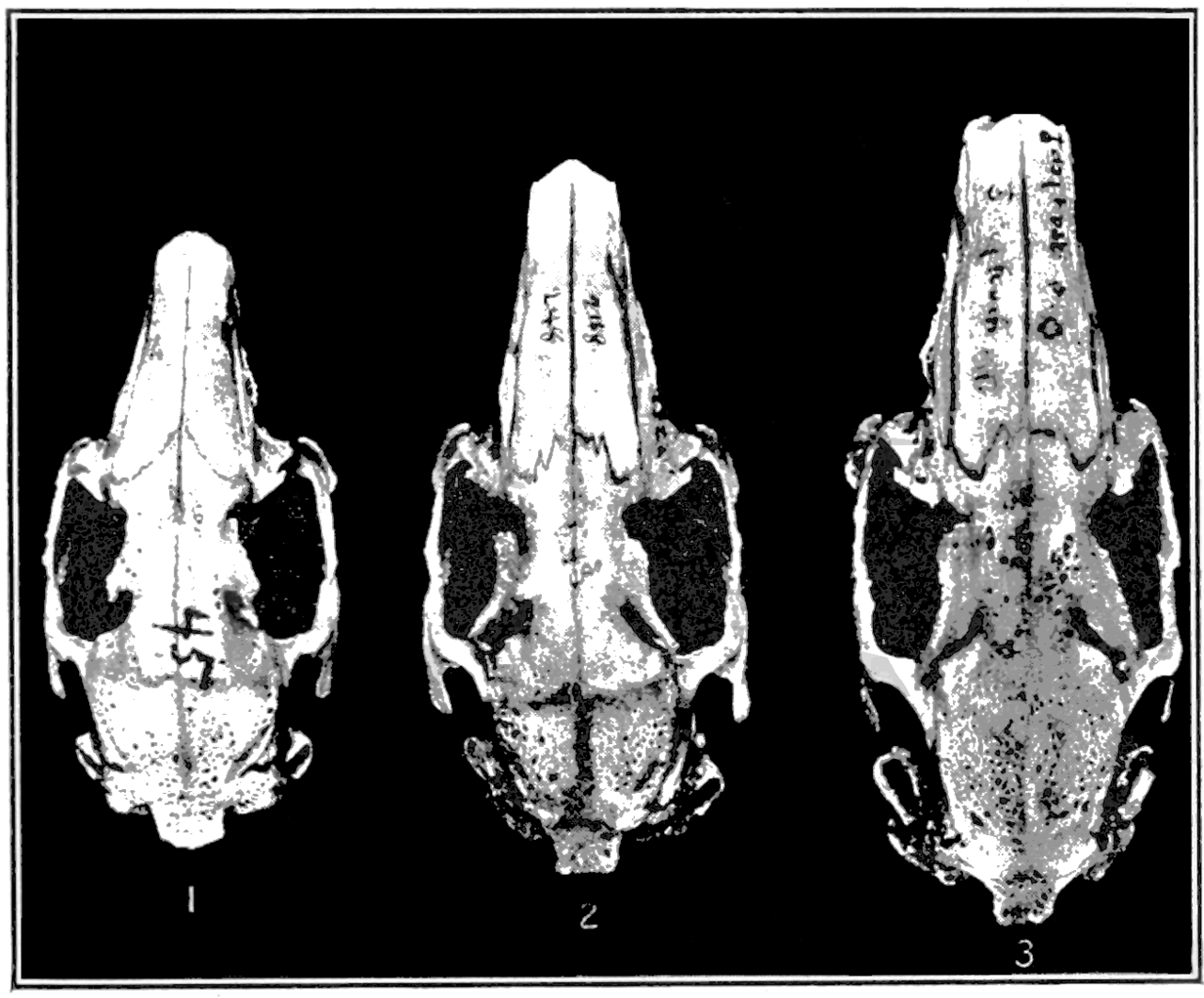
A 1914 diagram of rabbit skulls used to illustrate blending inheritance, the theory Mendel's work helped overturn.
This 1914 diagram illustrates the older theory of blending inheritance that Mendel's work helped disprove.
About this source
What it is
This is a black-and-white image from Popular Science Monthly in 1914, showing three photographs of rabbit skulls of increasing size, numbered 1 to 3, used to illustrate the idea of blending inheritance - the theory that offspring traits are a simple blend of parent traits.
Why it matters
Before Mendel's work on pea plants became widely recognized, many scientists believed in blending inheritance. This 1914 diagram, published decades after Mendel's death, shows how his discoveries about discrete inherited traits were still being contrasted with older theories in public science writing of the early twentieth century.
- Why would a magazine in 1914 still need to explain the difference between blending and Mendelian inheritance?
- What does using rabbit skulls, rather than Mendel's pea plants, suggest about how scientists tested inheritance theories?
- What is left out of this diagram about how Mendel's own experiments were actually conducted?
This painting is part of the curated material that grounds the AI version of Gregor Mendel on Humy.ai — when students ask about related events, the AI can quote it and cite it.
More Gregor Mendel sources
Meet the AI Gregor Mendel →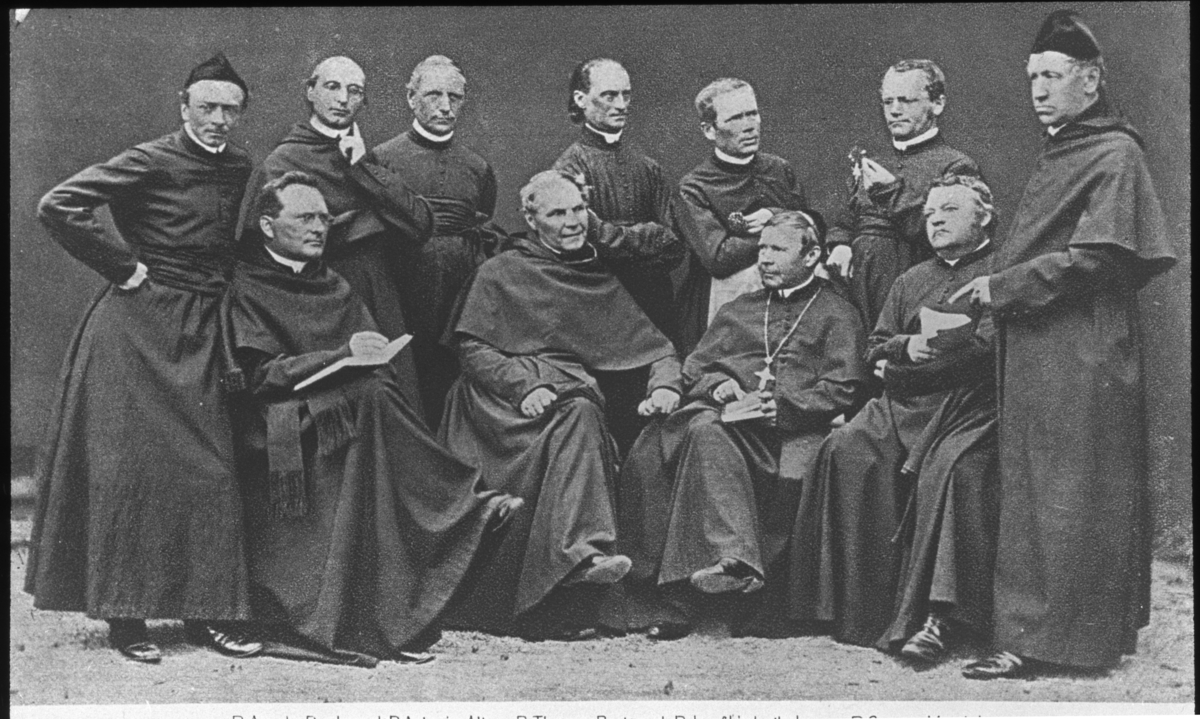 Photograph
Primary source
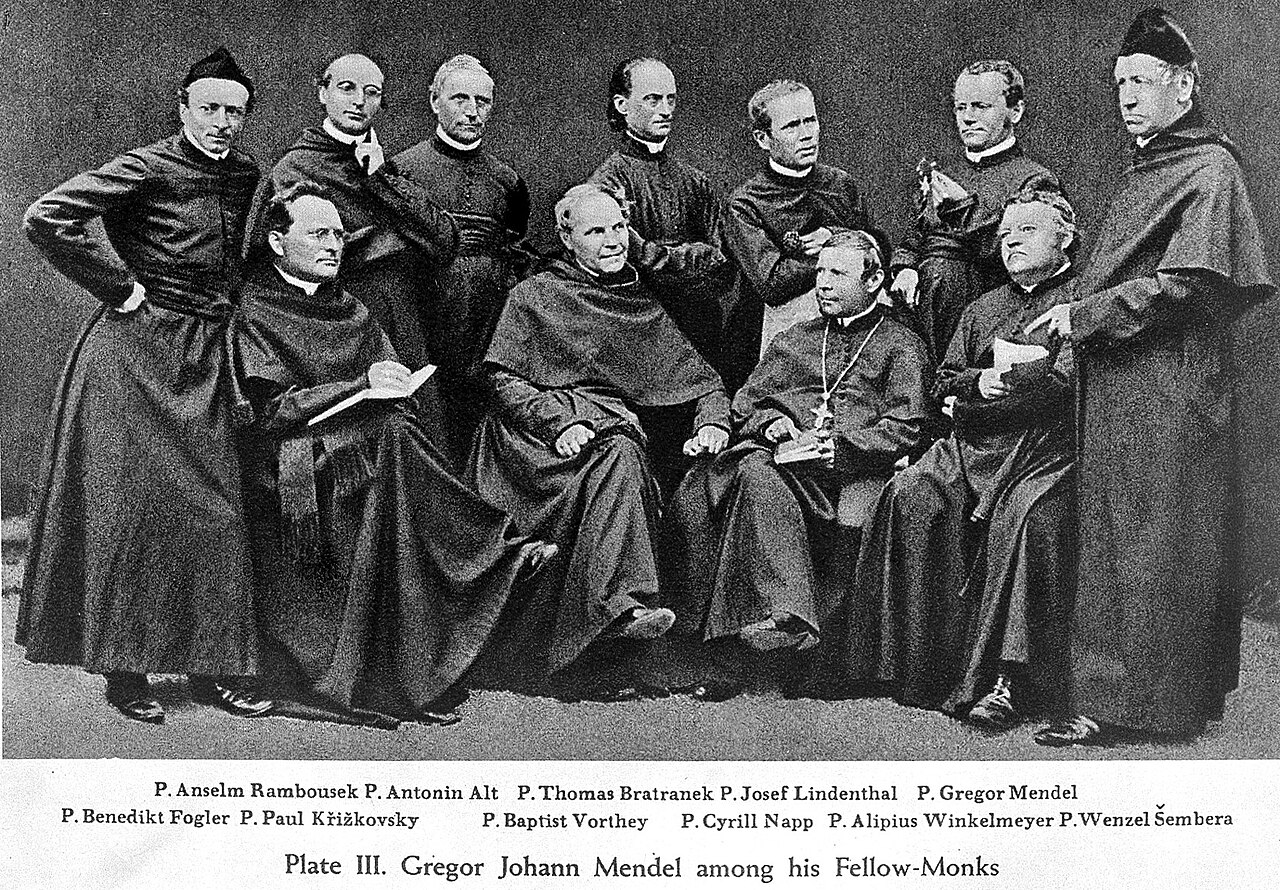
Mendel among his fellow monks
c. 1861-1864
 Book
Primary source
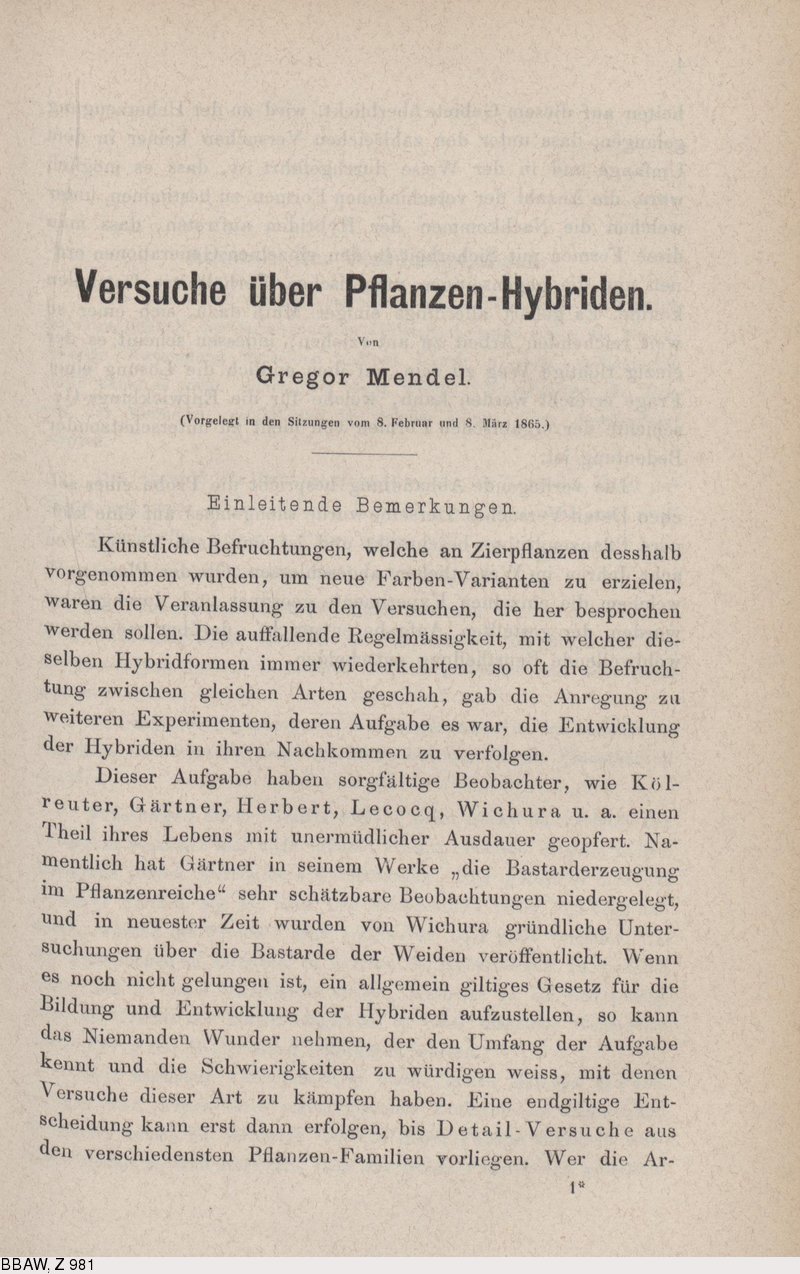
Versuche über Pflanzen-Hybriden
Gregor Mendel · 1866 (read 1865)
 Photograph
Primary source
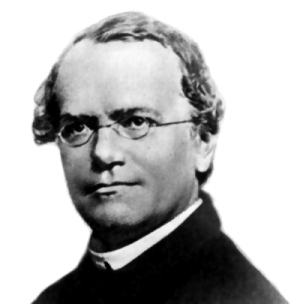
Gregor Mendel
Unknown
 Photograph
Primary source
Mendel with other monks
Unknown
 Photograph
Primary source
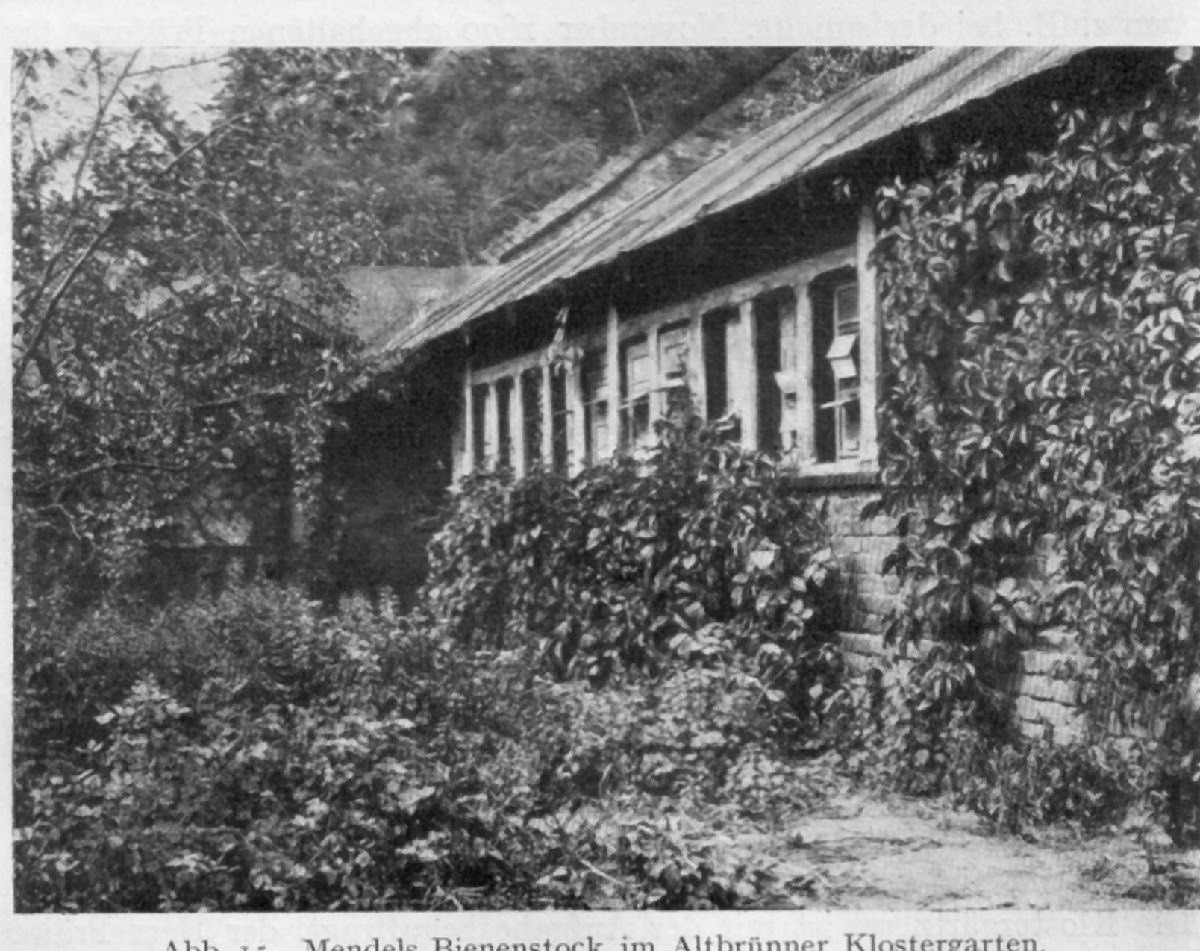
Mendel's Beehouse
Unknown · before 1909
Ready when you are
Start chatting with Gregor Mendel now.
20 messages free · No credit card · Available in 50+ languages.