


Primary sourceBook1835 (published 1842)
Book of Abraham
Joseph Smith · 1835 (published 1842)
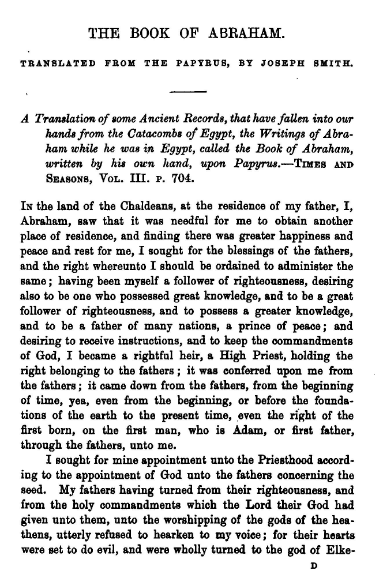
A religious text Joseph Smith said he translated from Egyptian papyri he purchased in 1835, later published as scripture.
Smith presented this text as his own translation of ancient papyri, showcasing his claimed role as a prophet-translator.
About this source
What it is
The Book of Abraham is a text first published in 1842 by Joseph Smith, who said it was translated from Egyptian scrolls purchased in 1835 from a traveling mummy exhibition. It describes Abraham's life, his travels, and a vision of the cosmos. It later became part of the Pearl of Great Price, canonized by the LDS Church.
Why it matters
The book reveals Smith's self-image as a translator of ancient records, building on his earlier work with the Book of Mormon. It is also one of the most debated of his works: when fragments of the original papyri were rediscovered in 1966, Egyptologists identified them as ordinary Egyptian funerary texts, not writings of Abraham. Latter-day Saints regard the book as divinely inspired scripture; other scholars dispute its ancient origin.
Look closer
- What does Smith claim about the origin of this text on the title page?
- Why might the dispute over its translation matter to historians and to believers differently?
- What questions would you want answered about how a translation like this was actually produced?
This book is part of the curated material that grounds the AI version of Joseph Smith on Humy.ai — when students ask about related events, the AI can quote it and cite it.
More Joseph Smith sources
Meet the AI Joseph Smith →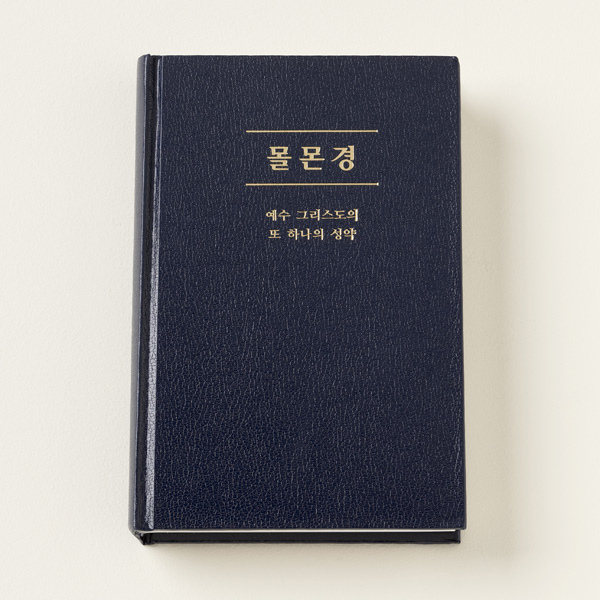 Book
Primary source
Book of Mormon
Joseph Smith · 1830
 Document
Primary source
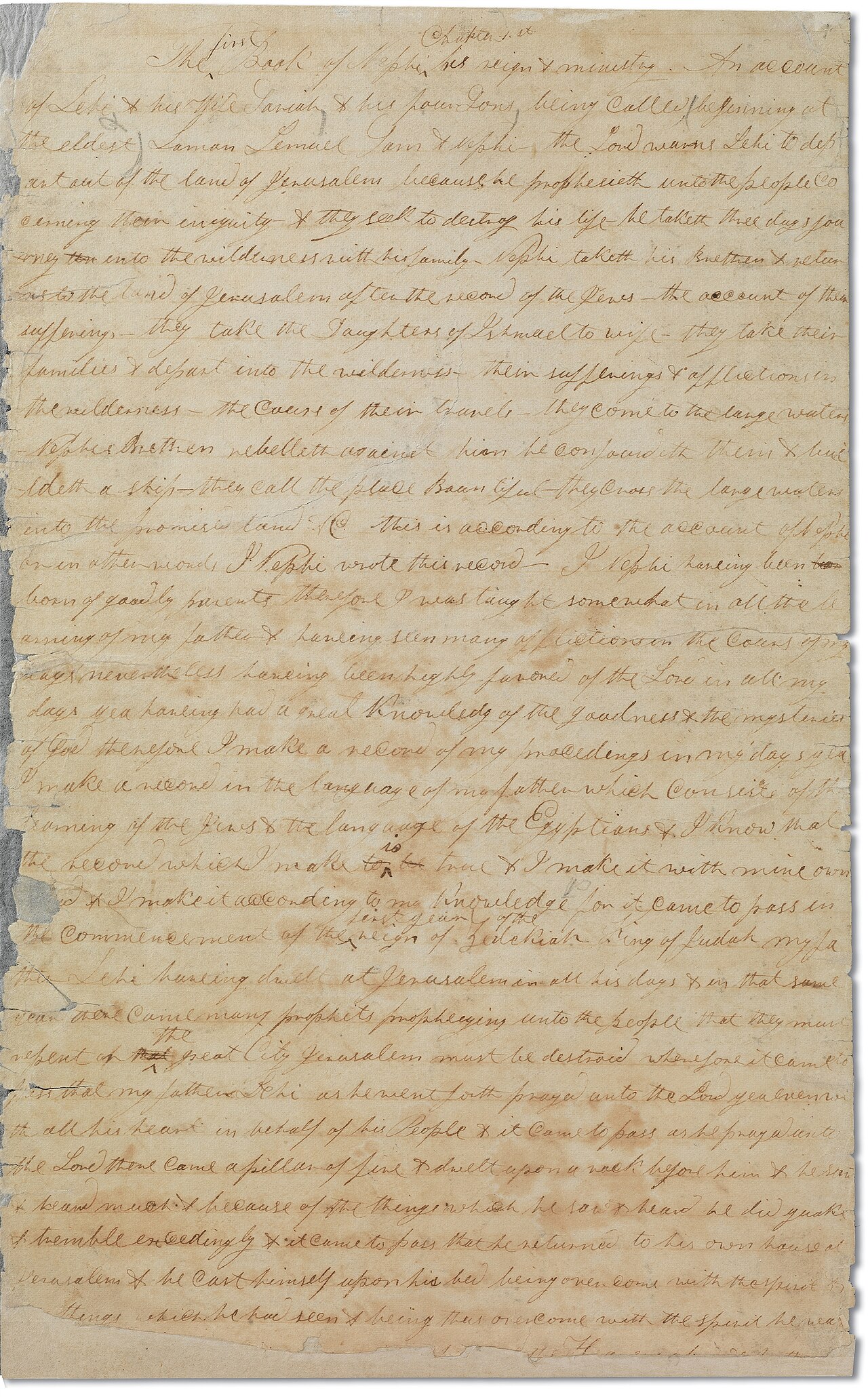
Printer's Manuscript of the Book of Mormon
Joseph Smith (dictated); Oliver Cowdery and other scribes · 1829–1830
 Book
Primary source
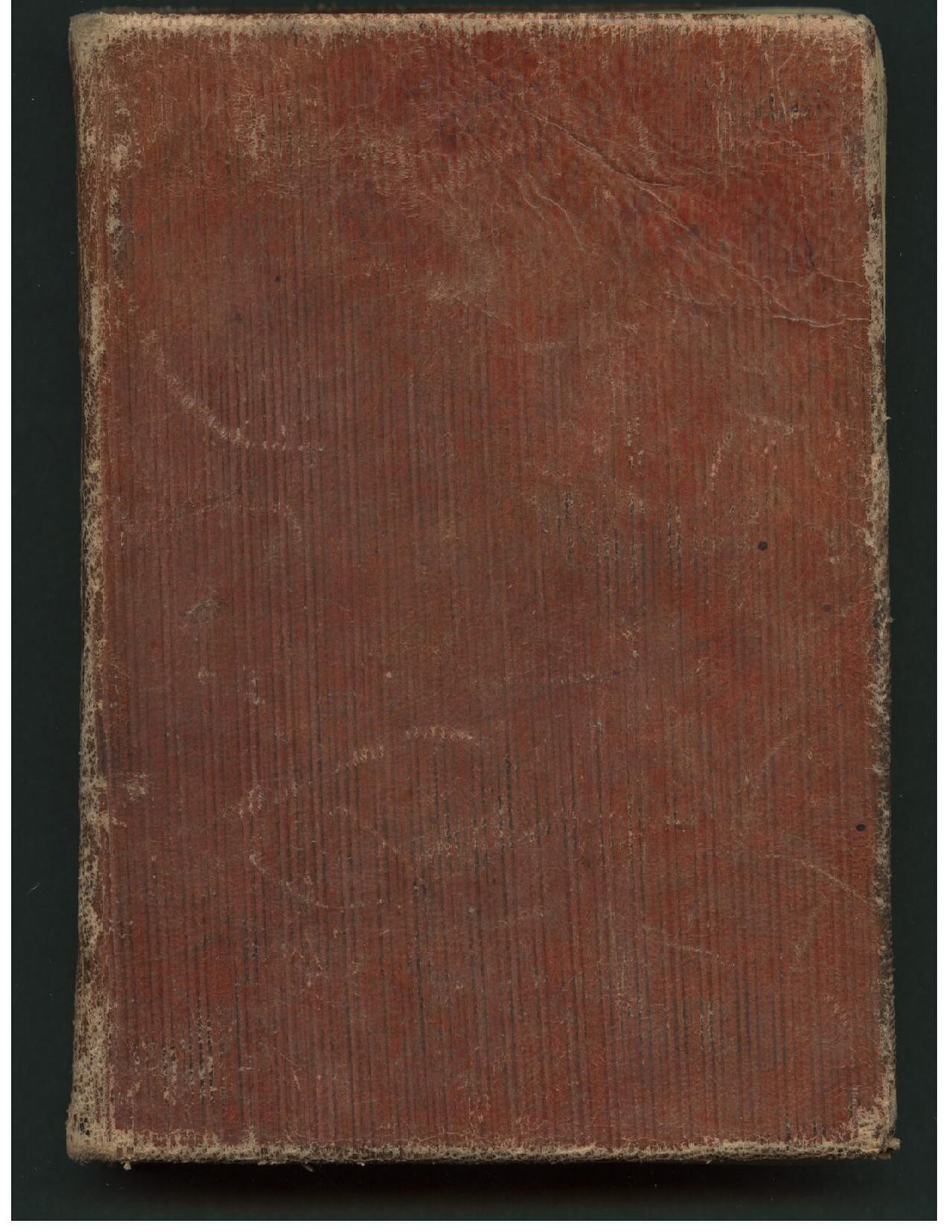
A Book of Commandments for the Government of the Church of Christ
Joseph Smith · 1833
 Document
Primary source
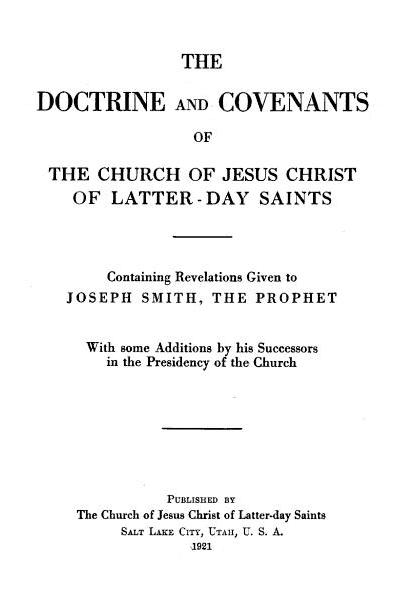
Doctrine and Covenants
Joseph Smith · 1835
Primary source
Wentworth Letter
Joseph Smith · 1842
Ready when you are
Start chatting with Joseph Smith now.
20 messages free · No credit card · Available in 50+ languages.