


Primary sourceDocument3 May 1864
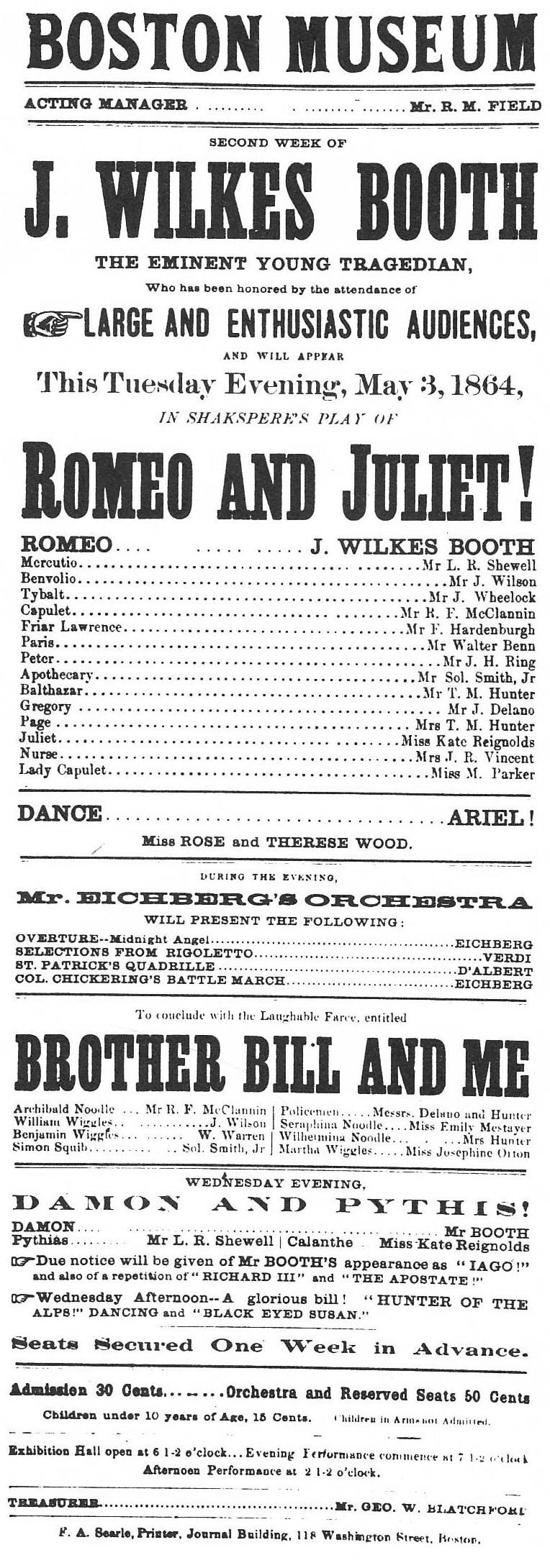
Boston Museum Playbill for Romeo and Juliet
Boston Museum · 3 May 1864
A playbill advertising John Wilkes Booth starring as Romeo at the Boston Museum theatre in May 1864.
This playbill advertises Booth's starring role as Romeo, documenting his career as a leading actor before the assassination.
About this source
What it is
This is a printed playbill from the Boston Museum theatre, advertising a performance of Romeo and Juliet on May 3, 1864, with John Wilkes Booth starring as Romeo. It lists the cast and other evening entertainments, under acting manager R. M. Field.
Why it matters
At the time of this performance, Booth was a well-known touring actor, admired for his talent on stage. The playbill documents his career at its height, less than a year before he assassinated President Abraham Lincoln. It shows how ordinary and celebrated his public life was before that act, and how theatre advertising of the period worked.
Look closer
- What words does the playbill use to describe Booth, and what do they suggest about his reputation at the time?
- Why might this ordinary piece of entertainment advertising feel unsettling in hindsight?
- What can a playbill tell us, and what can it not tell us, about the person named on it?
This document is part of the curated material that grounds the AI version of John Wilkes Booth on Humy.ai — when students ask about related events, the AI can quote it and cite it.
More John Wilkes Booth sources
Meet the AI John Wilkes Booth →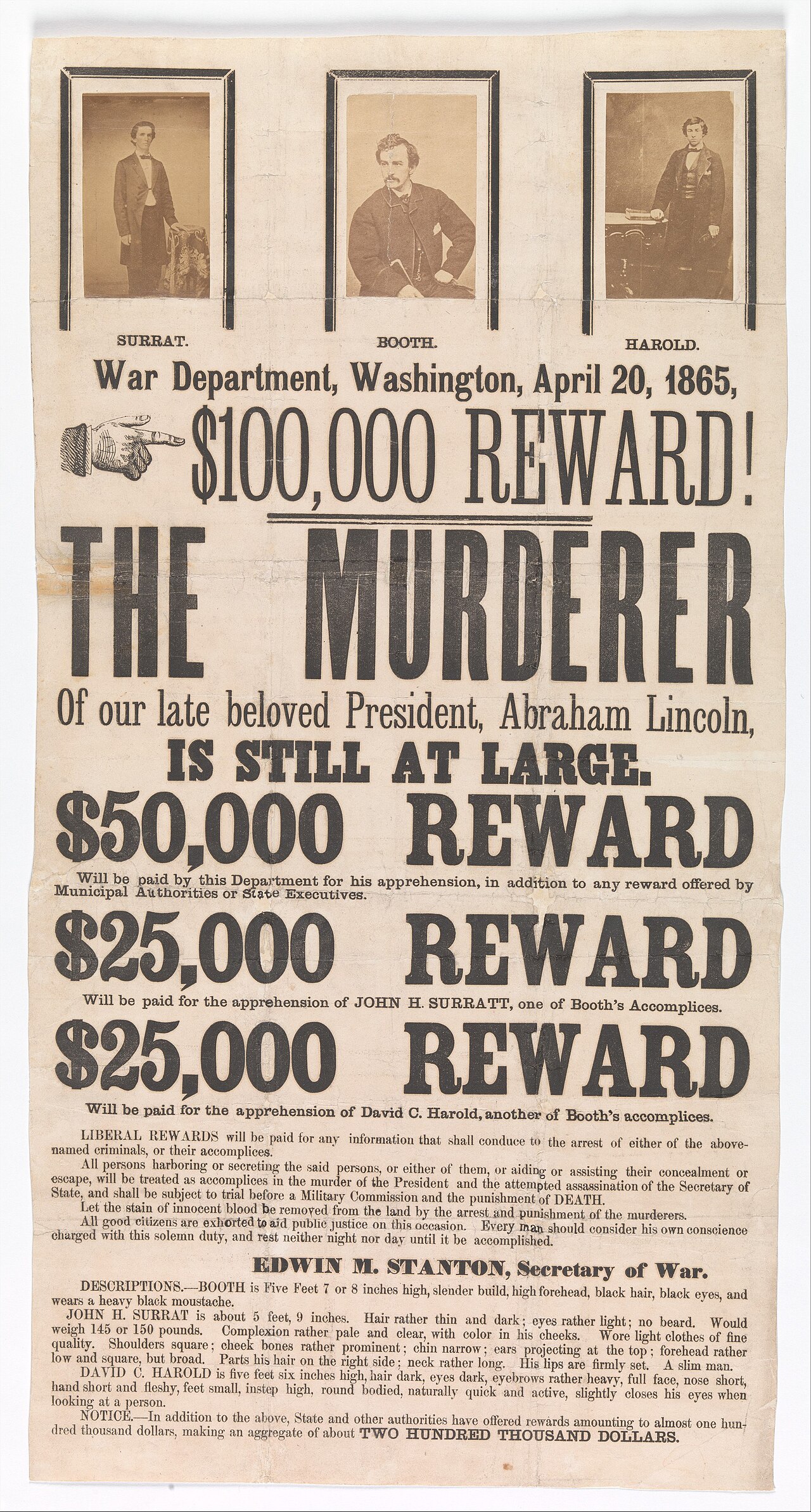 Document
Primary source
Broadside for the Capture of John Wilkes Booth, John Surratt, and David Herold
1865
 Artifact
Primary source
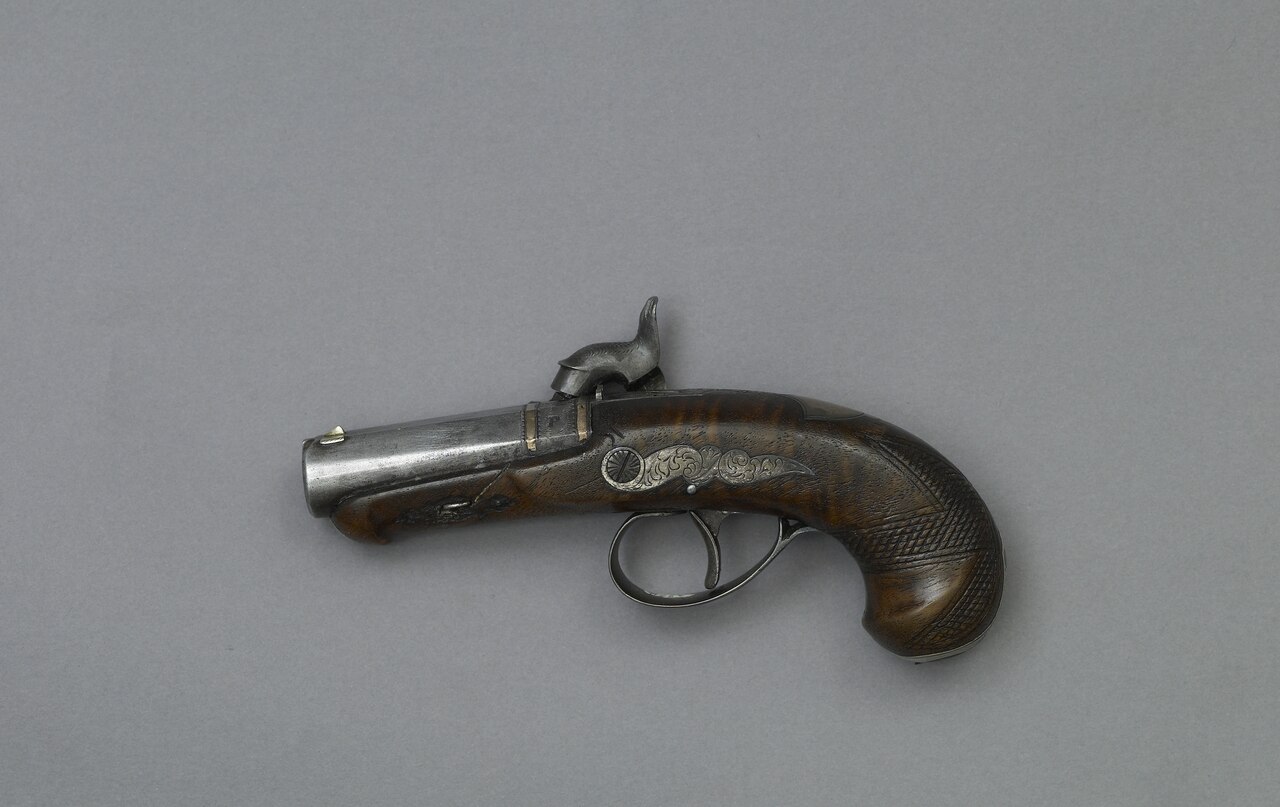
John Wilkes Booth's Deringer Pistol
Henry Deringer · c. 1860s
 Document
Primary source
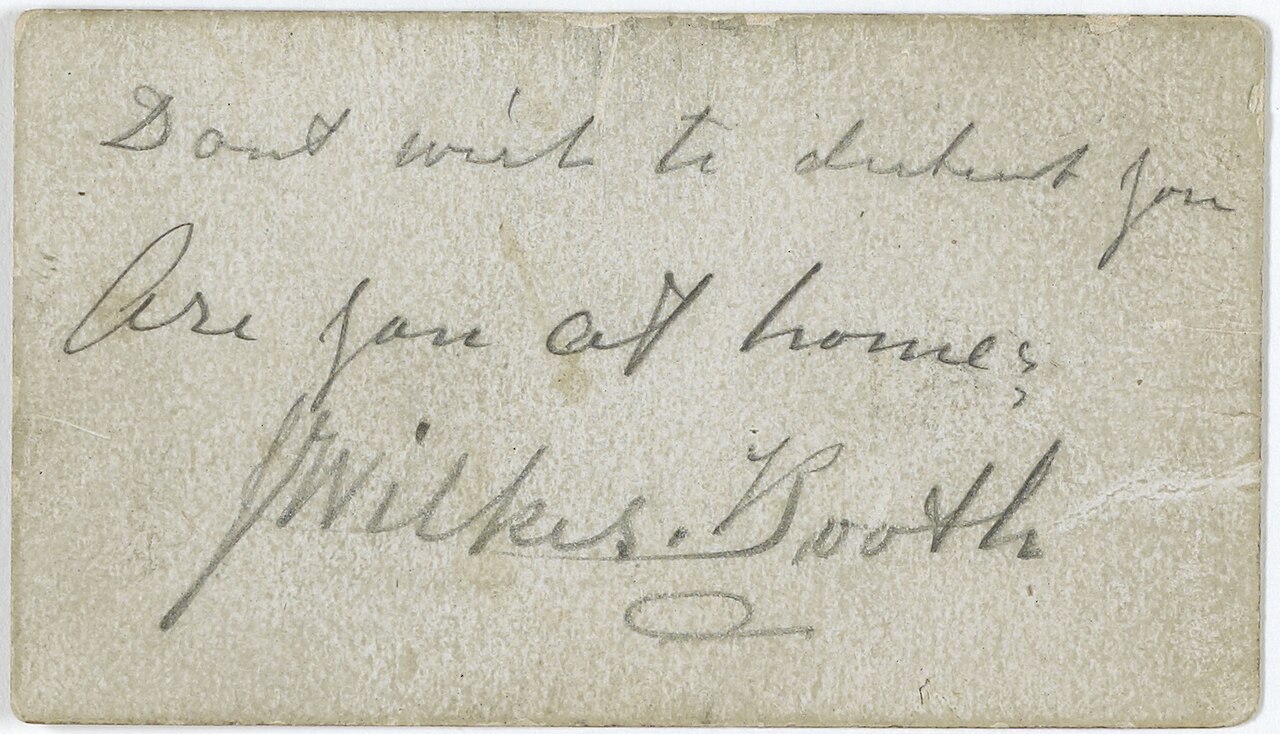
Calling Card Left by John Wilkes Booth for Andrew Johnson
John Wilkes Booth · 14 April 1865
 Photograph
Primary source
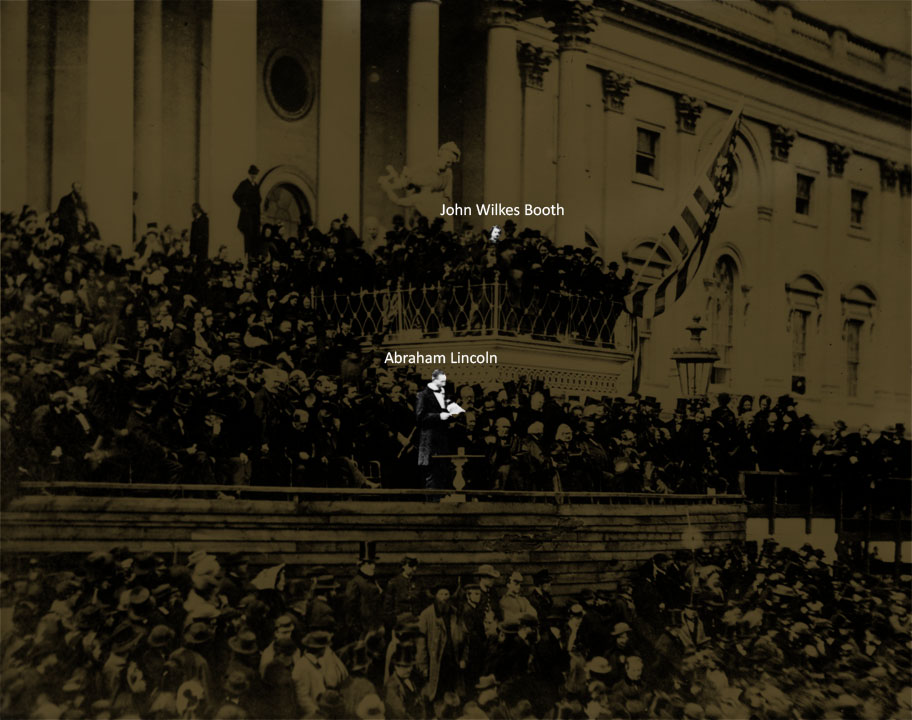
Lincoln's Second Inauguration Photograph
Alexander Gardner
 Painting
Secondary source
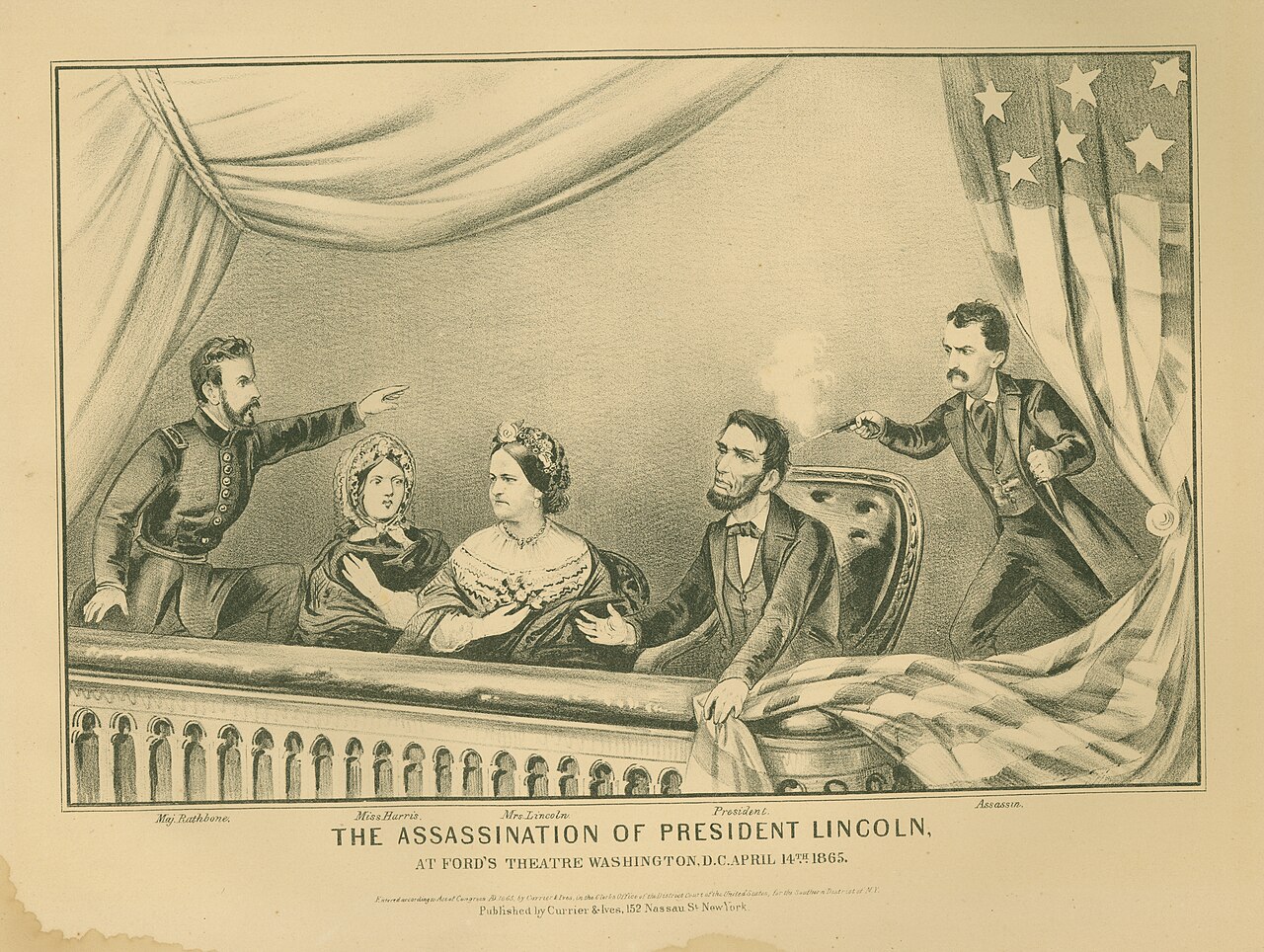
The Assassination of President Lincoln at Ford's Theatre
Currier & Ives · 1865
Ready when you are
Start chatting with John Wilkes Booth now.
20 messages free · No credit card · Available in 50+ languages.