


Primary sourceDocument1774
Boston Port Act
1774
A 1774 act of Parliament closing Boston's port in punishment for the Tea Party, taking effect as Hutchinson left for England.
The act punished Boston after Hutchinson, as governor, refused to let the tea ships leave before the Tea Party.
About this source
What it is
The Boston Port Act was passed by the Parliament of Great Britain in 1774, becoming law on 31 March and taking effect 1 June. It closed the Port of Boston to all shipping until the colonists paid for tea destroyed in the Boston Tea Party, and moved the seat of government to Salem.
Why it matters
The act was one of the Coercive, or Intolerable, Acts meant to punish Massachusetts. It followed Thomas Hutchinson's refusal, as governor, to let the tea ships leave Boston harbor before the Tea Party, and it took effect just as he sailed for England. The act angered colonists across America and helped unite the colonies, leading to the First Continental Congress.
Look closer
- Why might Parliament have thought closing the whole port, rather than punishing individuals, was fair?
- How does the act's wording describe the colonists' actions, and what does that reveal about British views?
- What does the act leave out about why Bostonians destroyed the tea?
This document is part of the curated material that grounds the AI version of Thomas Hutchinson on Humy.ai — when students ask about related events, the AI can quote it and cite it.
More Thomas Hutchinson sources
Meet the AI Thomas Hutchinson →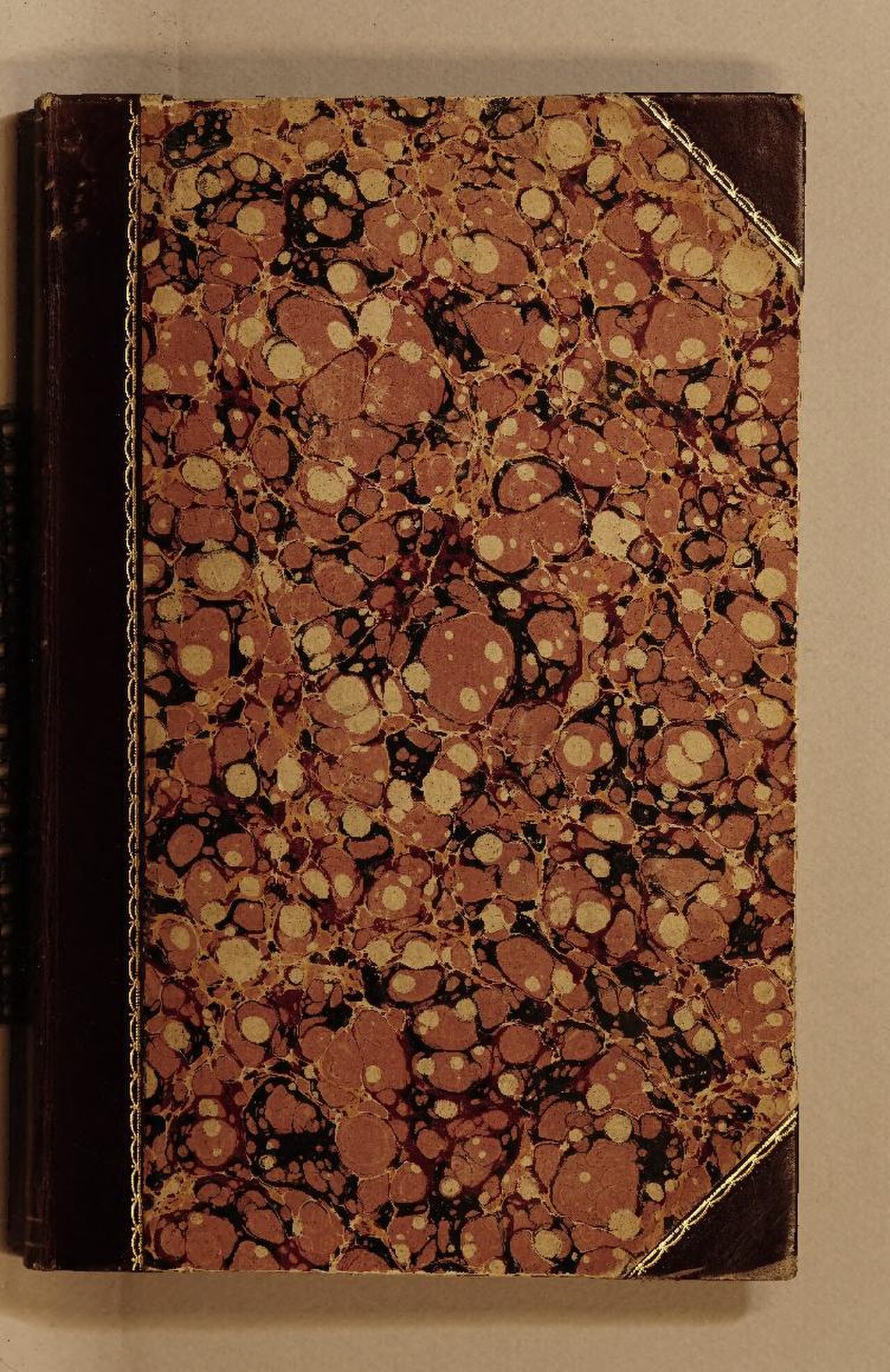 Letter
Primary source
Hutchinson–Whately Letters
Thomas Hutchinson · 1767–1769 (published 1773)
 Book
Primary source
The History of the Colony and Province of Massachusetts-Bay
Thomas Hutchinson · 1764, 1767, 1828
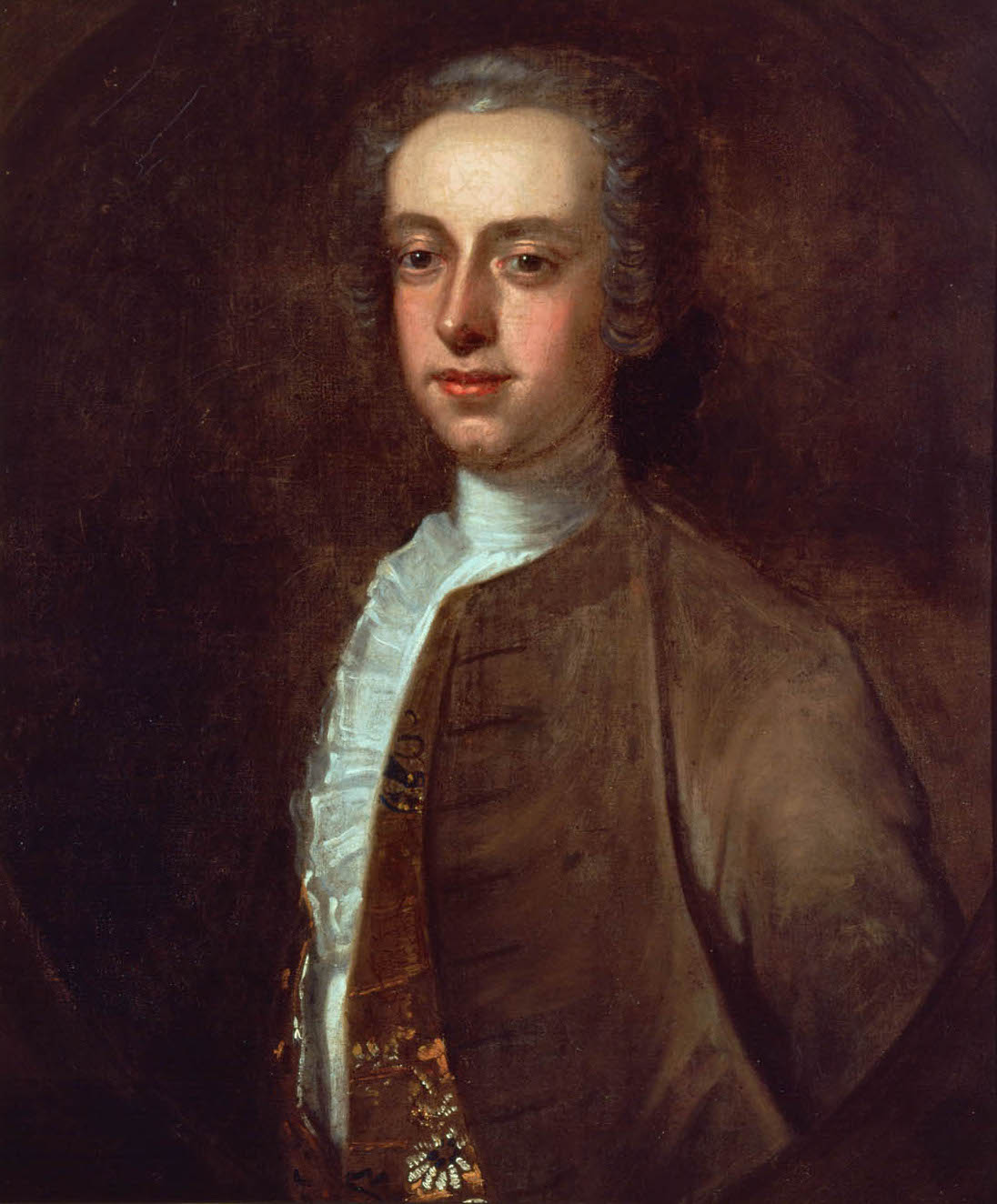 Painting
Primary source
Portrait of Thomas Hutchinson
Edward Truman · 1741
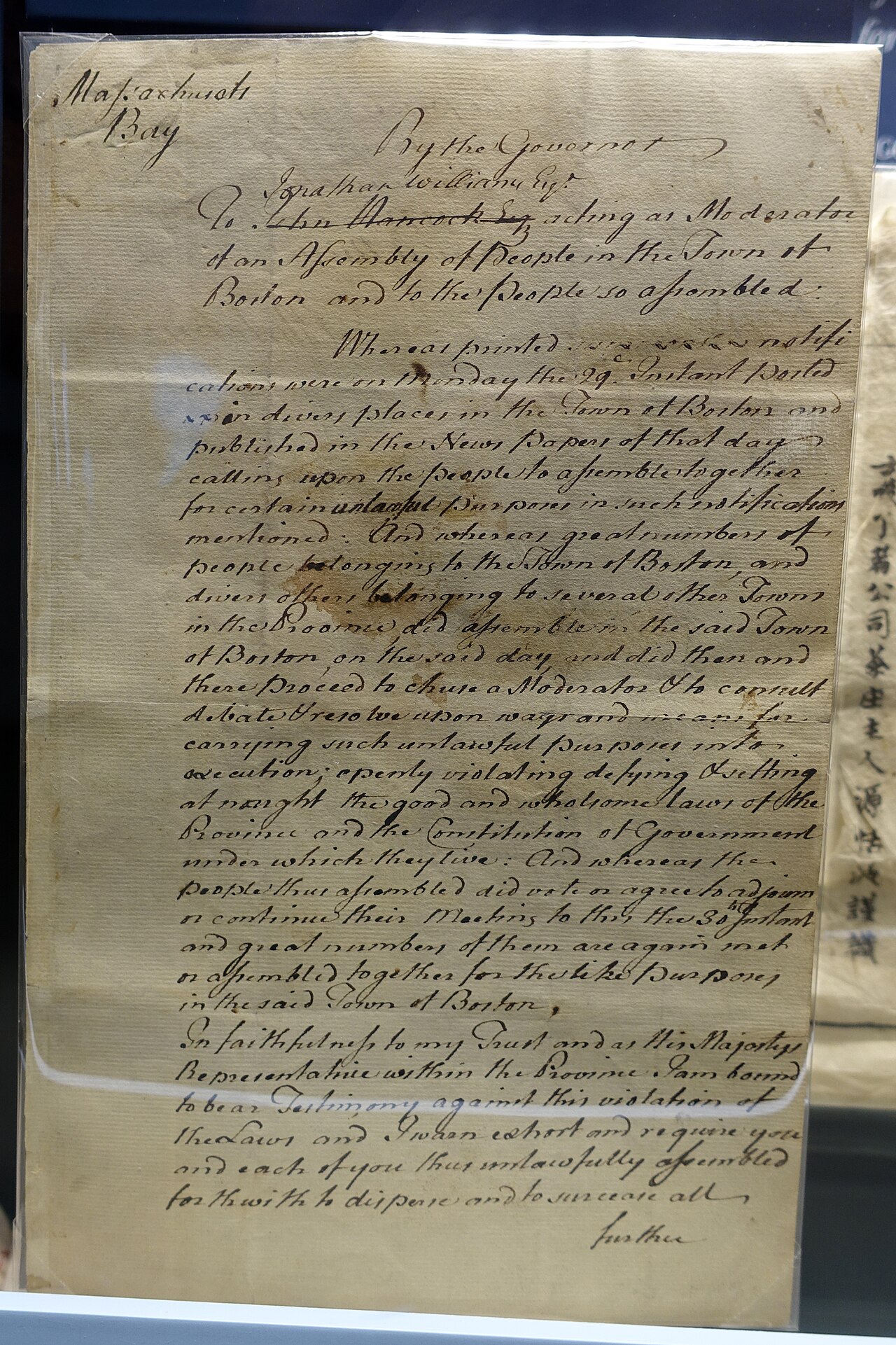 Document
Primary source
Letter Directing the Old South Tea Meeting to Adjourn
Thomas Hutchinson · November 30, 1773
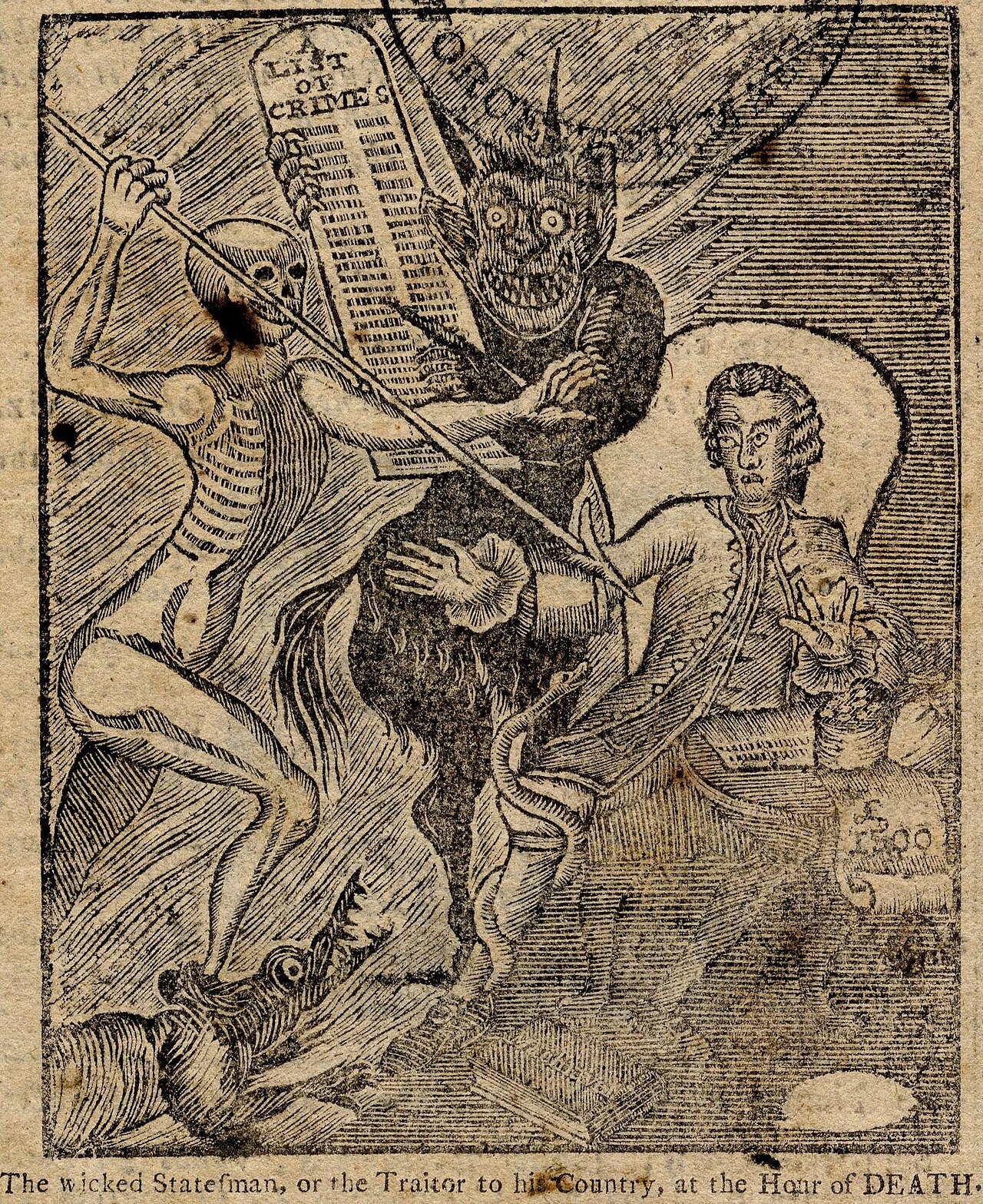 Painting
Primary source
The Wicked Statesman political cartoon
Paul Revere · published 1774
Ready when you are
Start chatting with Thomas Hutchinson now.
20 messages free · No credit card · Available in 50+ languages.