


Primary sourcePhotograph1920
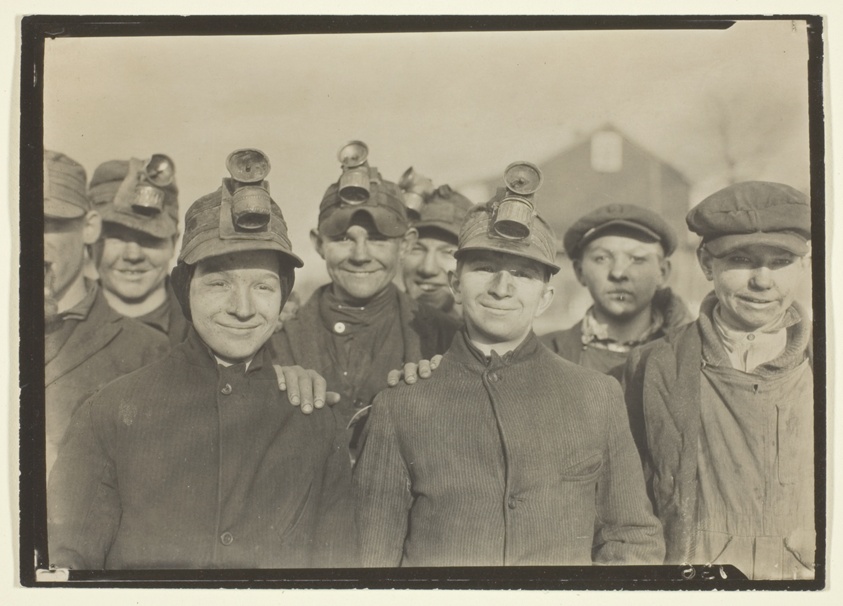
Breaker Boys in Pennsylvania Coal Mine
Lewis Wickes Hine · 1920
A 1920 photograph by Lewis Hine showing young boys who worked sorting coal, offering a glimpse of the coal industry Rosalind Franklin later studied scientifically.
Provides background on the coal industry Franklin studied scientifically during her early research career at BCURA.
About this source
What it is
This is a gelatin silver print photograph taken in 1920 by the American photographer Lewis Wickes Hine. It shows a group of young boys, known as breaker boys, who worked in the Pennsylvania coal industry. The photograph is held by The Art Institute of Chicago.
Why it matters
Lewis Hine was known for documenting working conditions, especially of children, in early 20th-century American industry. This photograph does not show Rosalind Franklin or her work directly, but it connects to the world of coal, a material she later studied scientifically through X-ray crystallography while working at the British Coal Utilisation Research Association (BCURA). The image reminds us that coal was not just a scientific subject but also tied to the lives and labor of real people.
Look closer
- What details in the photograph tell you these are children, not adults?
- Why might Lewis Hine have wanted to photograph workers like these?
- What does this image leave out about the dangers or conditions of coal mining?
This photograph is part of the curated material that grounds the AI version of Rosalind Franklin on Humy.ai — when students ask about related events, the AI can quote it and cite it.
More Rosalind Franklin sources
Meet the AI Rosalind Franklin →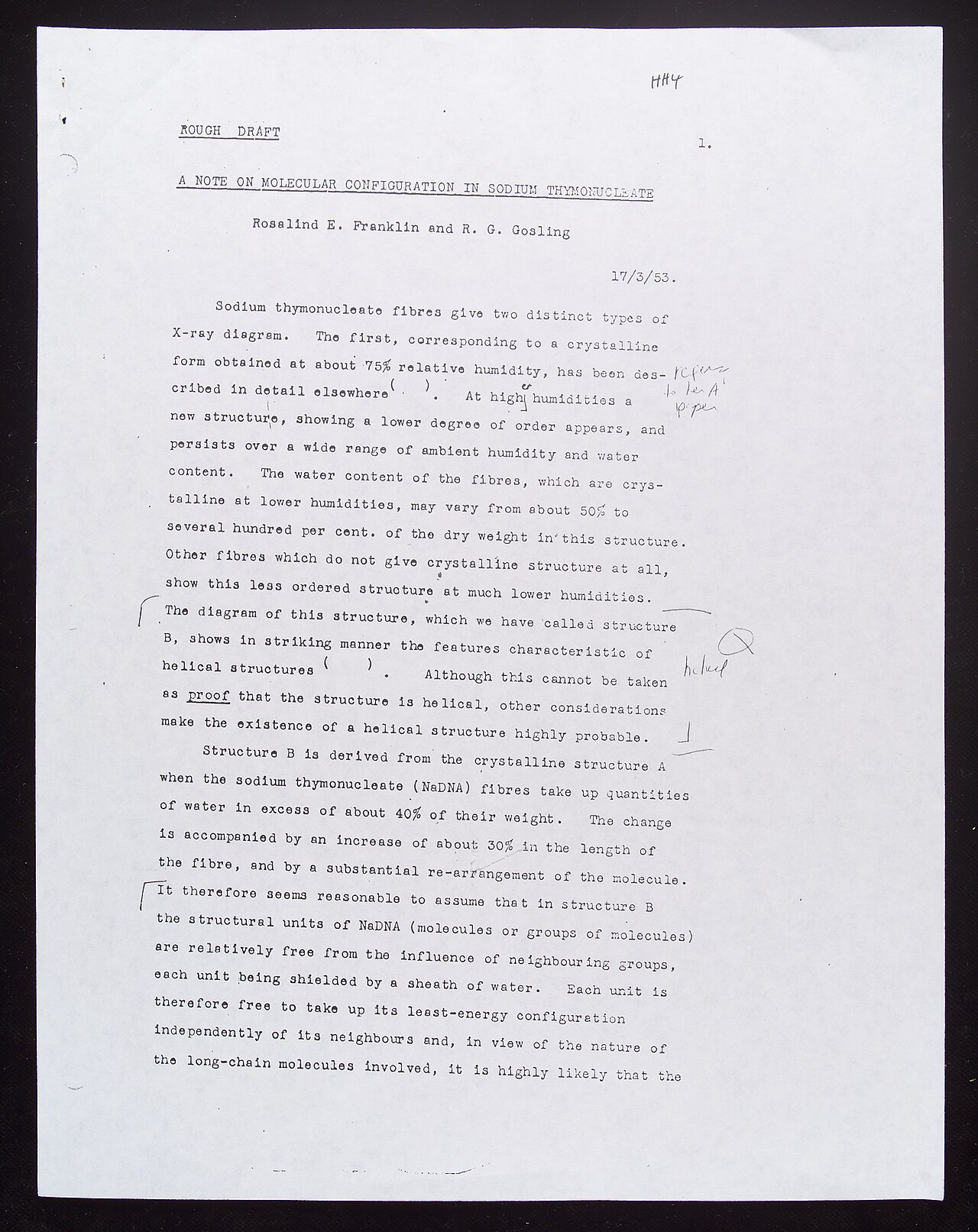 Document
Primary source
A Note on Molecular Configuration in Sodium Thymonucleate (Rough Draft)
Rosalind E. Franklin and R. G. Gosling · 17 March 1953
 Photograph
Primary source
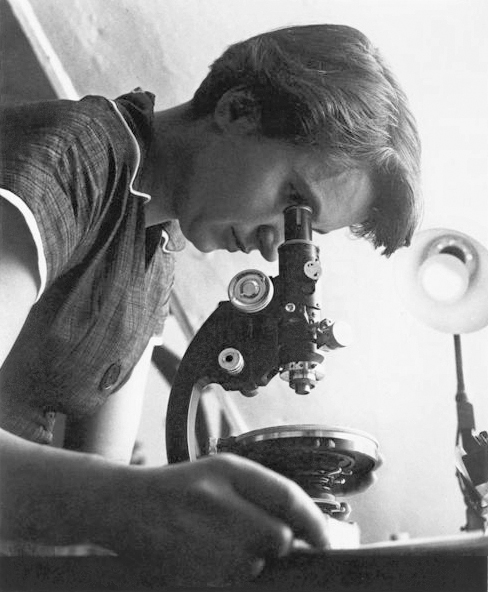
Rosalind Franklin with Microscope
MRC Laboratory of Molecular Biology · 1955
 Photograph
Primary source
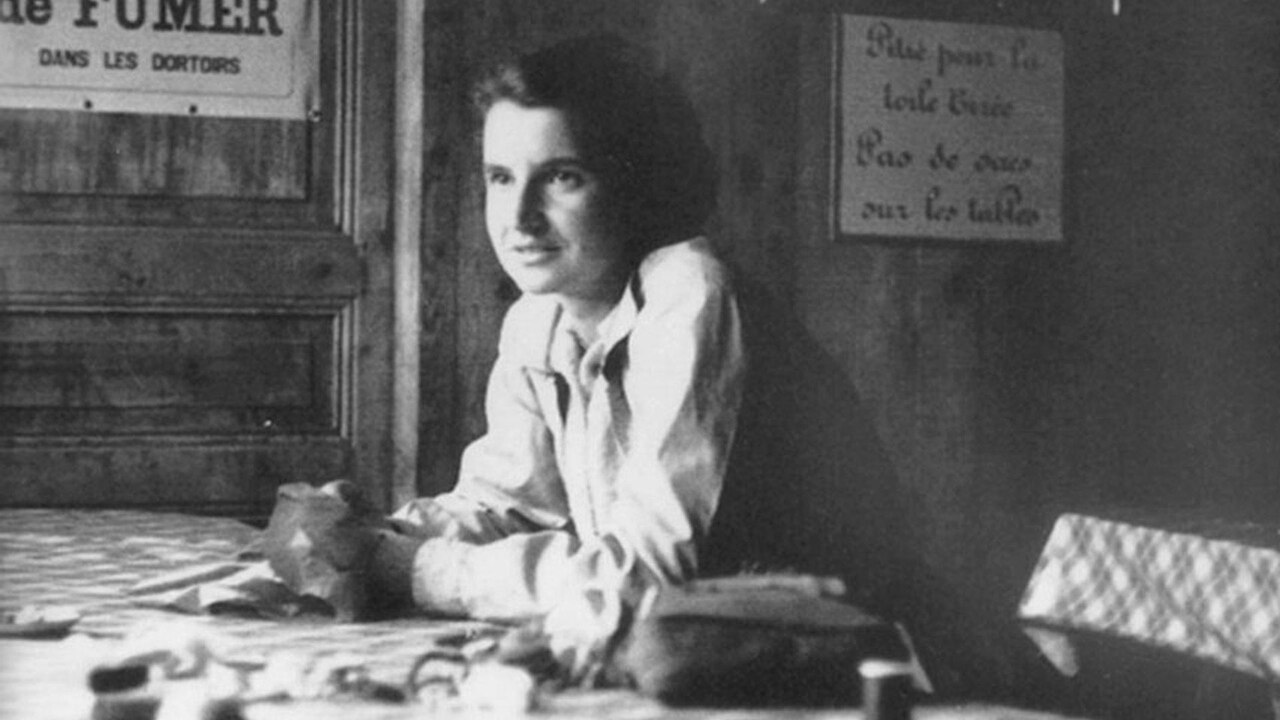
Rosalind Franklin in Paris
CSHL
 Letter
Primary source
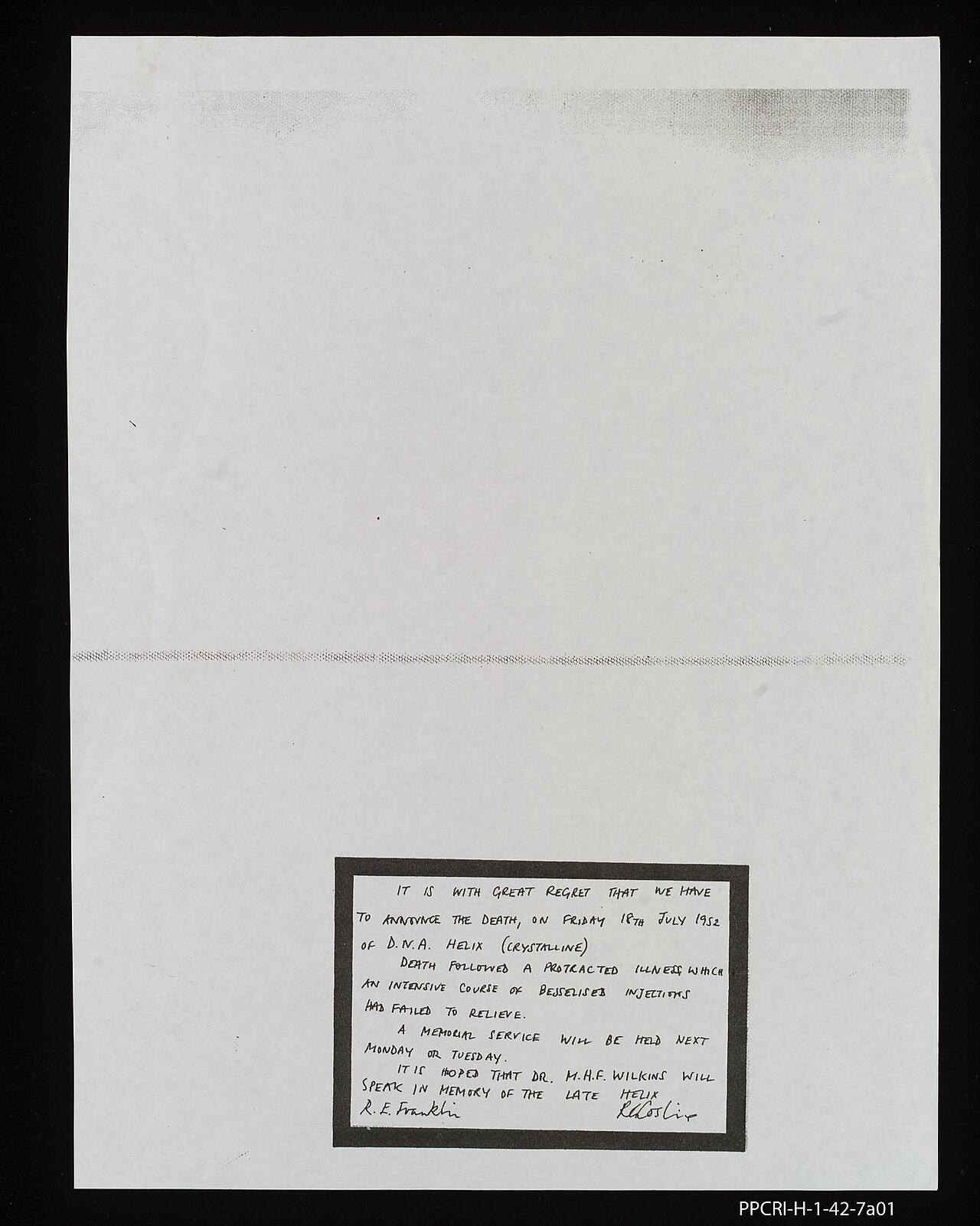
In Memoriam Card for DNA Helix
Rosalind E. Franklin and R. G. Gosling · 18 July 1952
 Artifact
Secondary source
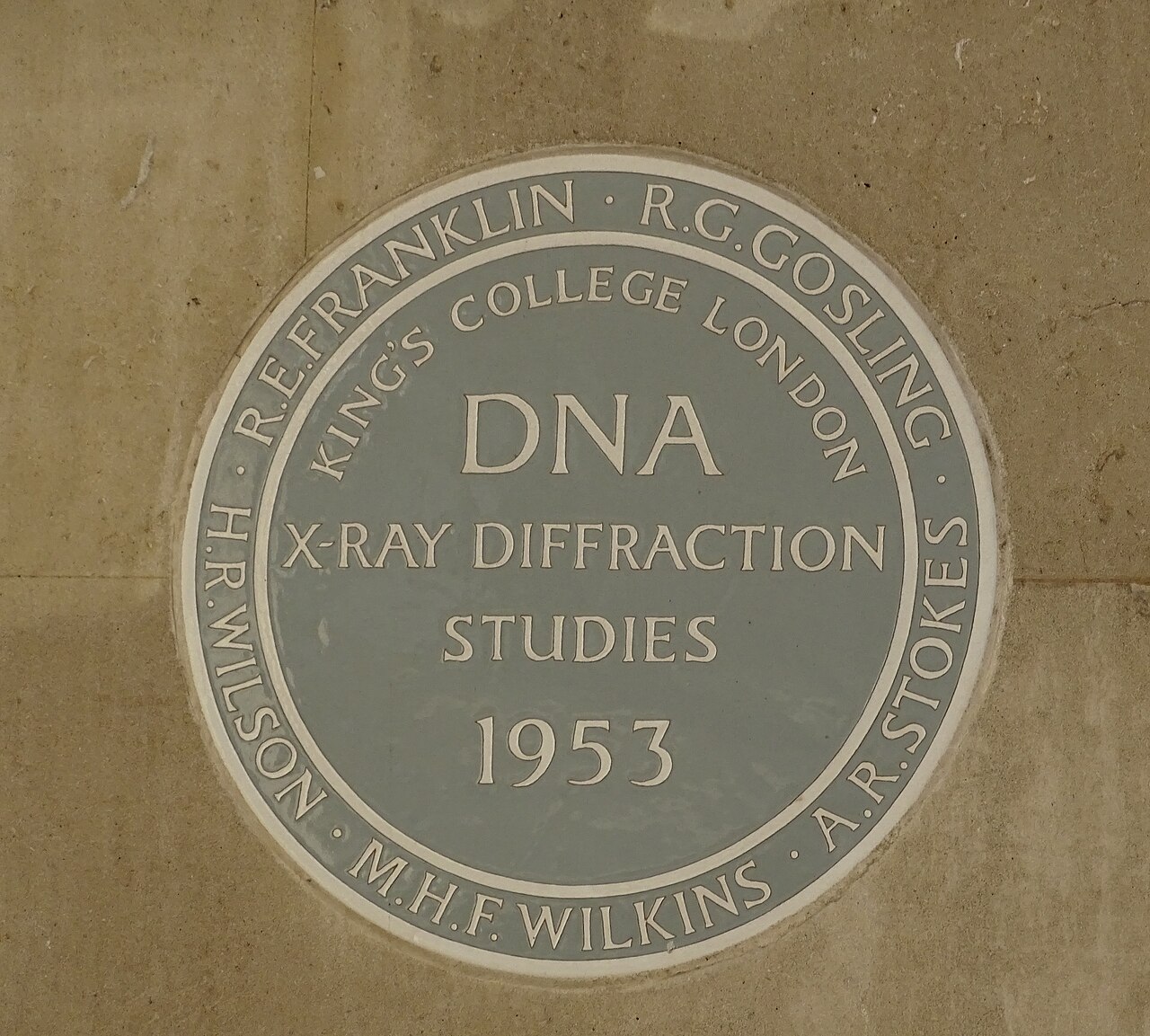
King's College London DNA Memorial Plaque
Ready when you are
Start chatting with Rosalind Franklin now.
20 messages free · No credit card · Available in 50+ languages.