


Primary sourceArtifactc. 142 CE
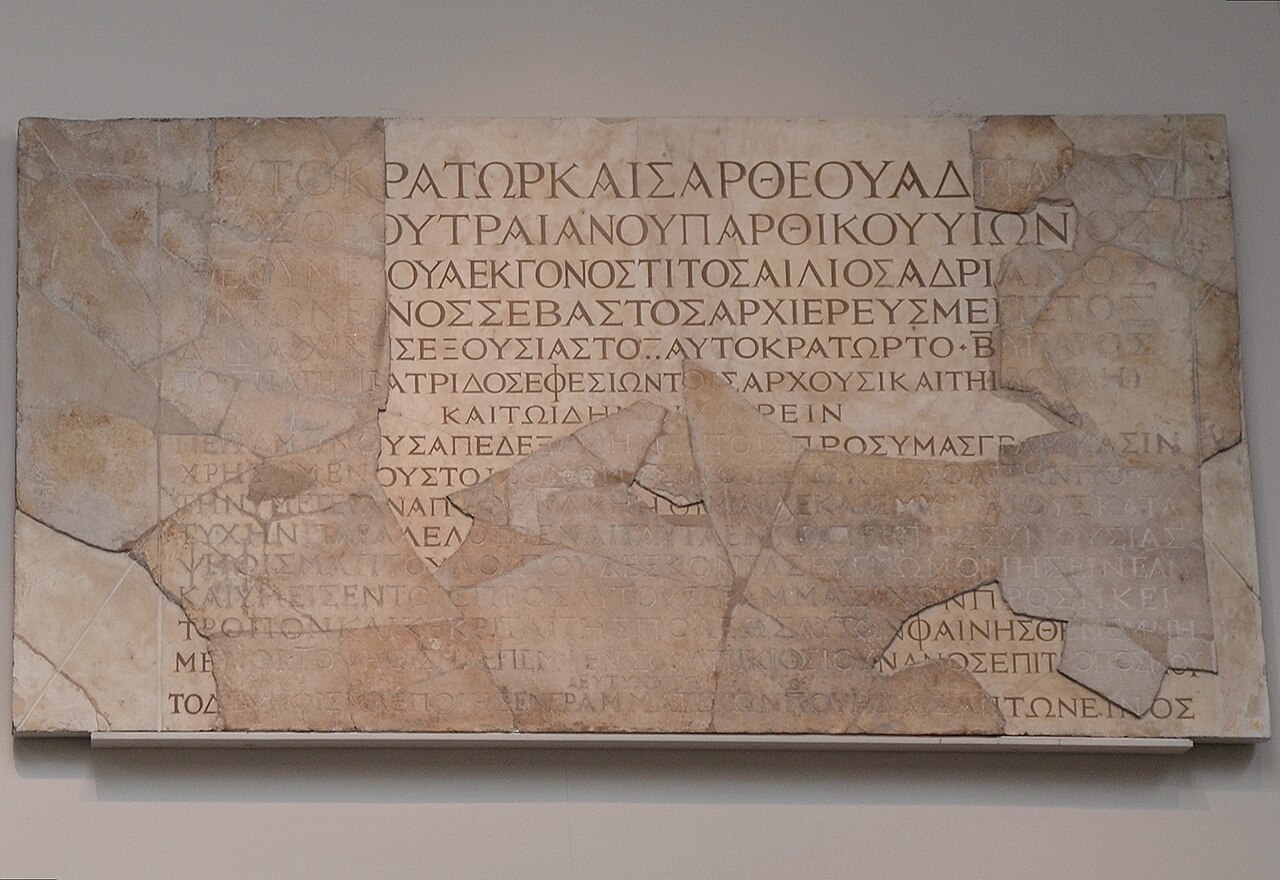
Bridgeness Slab
Legio II Augusta · c. 142 CE
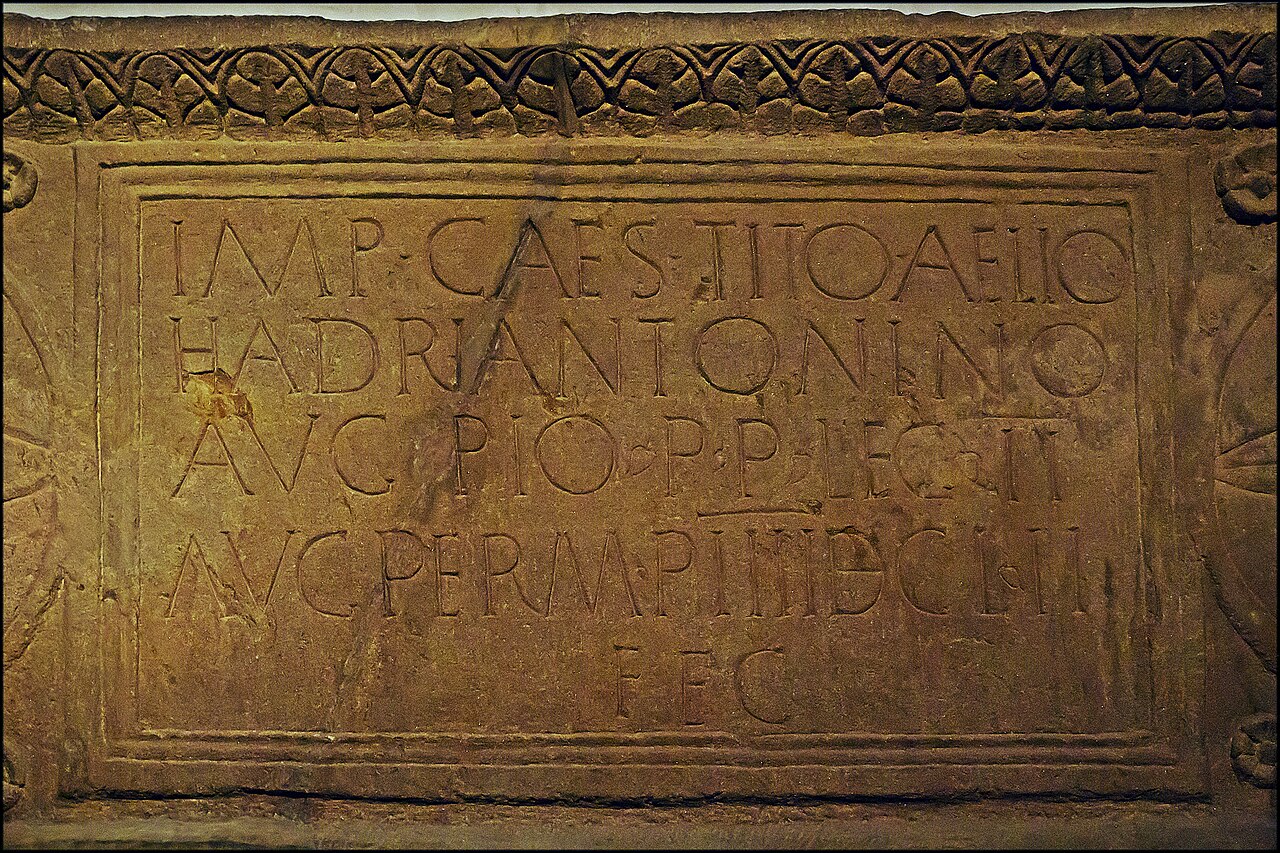
A Roman distance slab from the Antonine Wall, dedicated to Antoninus Pius by the Second Legion and recording how much wall they built.
This slab, dedicated to Antoninus Pius, is the main physical evidence linking him to real fighting during the Antonine Wall's construction.
About this source
What it is
This carved stone slab was made around 142 CE by soldiers of Legio II Augusta to mark a stretch of the Antonine Wall they had built. Its Latin inscription names Emperor Antoninus Pius and records the distance constructed. It was found at Bridgeness near Bo'ness in 1868 and is now kept in the National Museum of Scotland.
Why it matters
The slab is one of the clearest pieces of evidence connecting the Antonine Wall directly to Antoninus Pius, since it names him as the emperor the legion served. Its carved scenes, which include a sacrifice and depictions of defeated Caledonians, are among the few surviving images suggesting real conflict during his otherwise peaceful reign.
Look closer
- Why would soldiers carve a dedication naming the emperor rather than their own commander?
- What might the imagery of defeated enemies tell us about how Rome wanted this campaign remembered?
- What parts of the real building work might this slab leave out?
This artifact is part of the curated material that grounds the AI version of Antoninus Pius on Humy.ai — when students ask about related events, the AI can quote it and cite it.
More Antoninus Pius sources
Browse all 90 →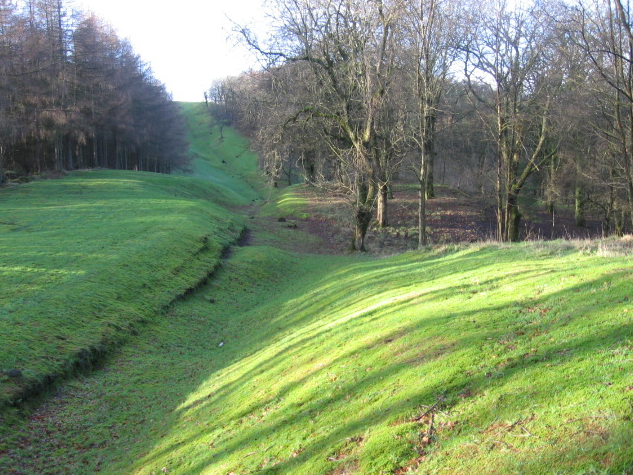 Artifact
Primary source
Antonine Wall
142 CE (begun)
 Sculpture
Primary source
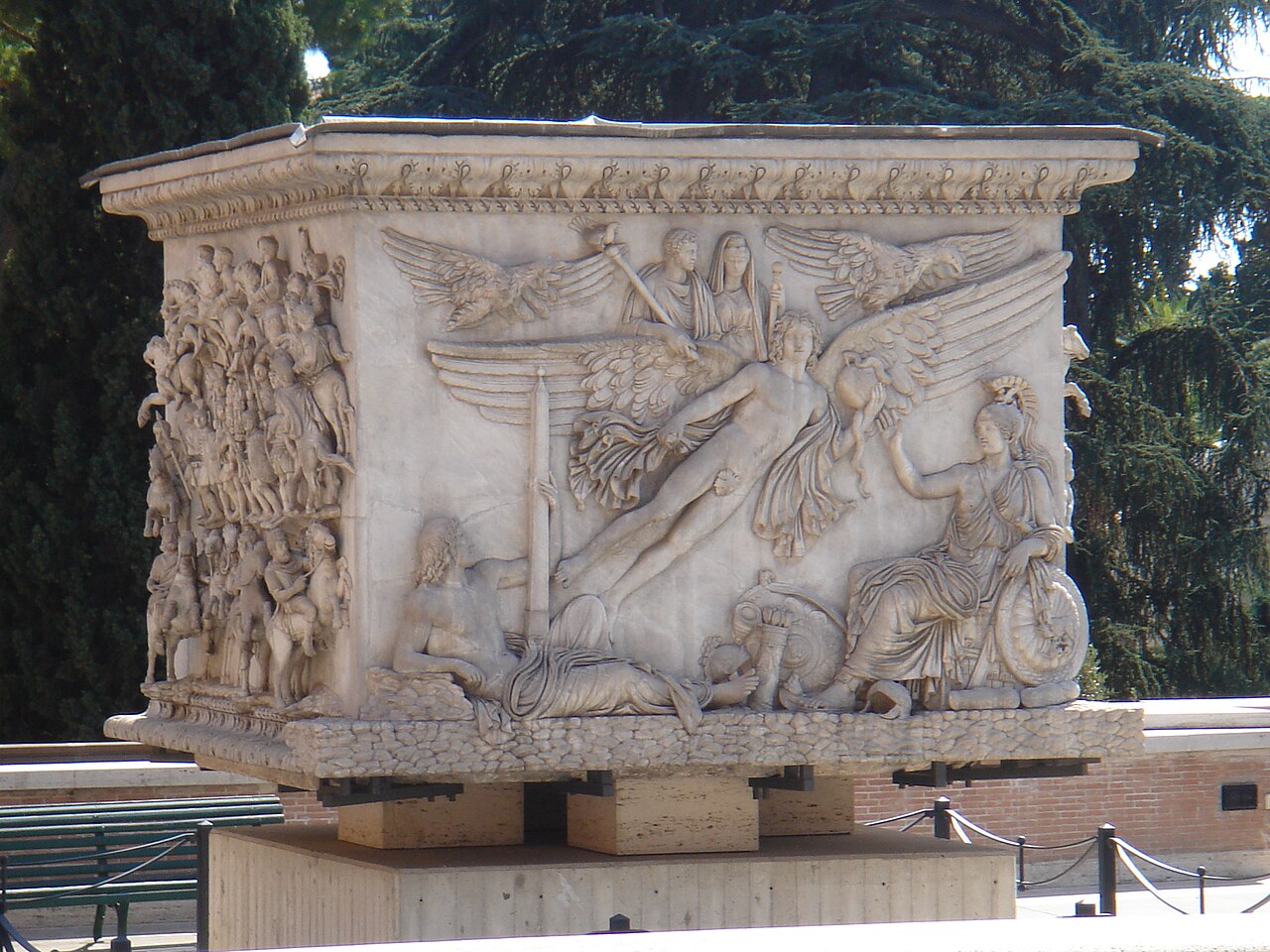
Column of Antoninus Pius
161
 Artifact
Primary source
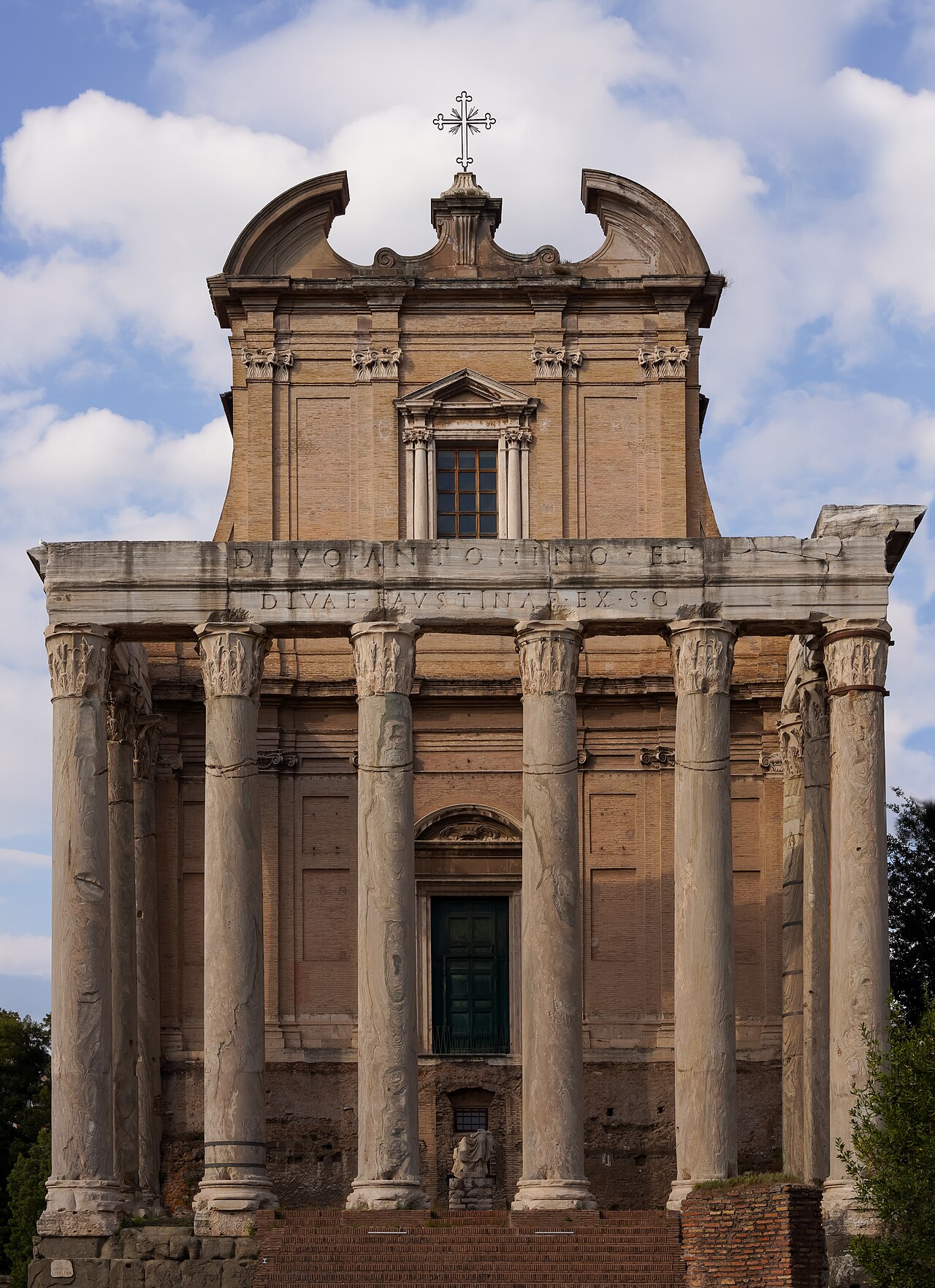
Temple of Antoninus and Faustina
begun 141-142 CE
Secondary source
Antoninus Pius (Historia Augusta)
Scriptores Historiae Augustae · after 2nd century CE (uncertain date of composition)
Free account
Read every Antoninus Pius source
Sign up free →
Ready when you are
Start chatting with Antoninus Pius now.
20 messages free · No credit card · Available in 50+ languages.