


Primary sourceDocument25 July 1792
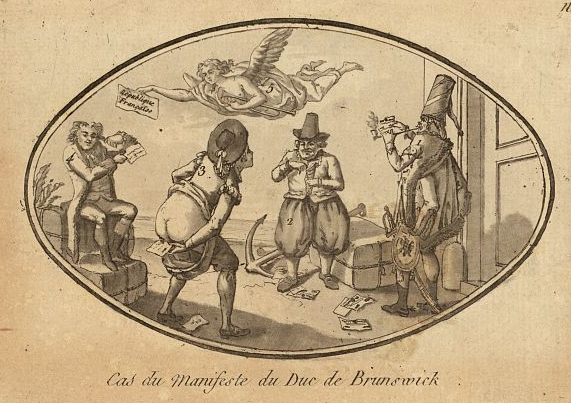
Brunswick Manifesto
Louis Joseph, Prince of Condé · 25 July 1792
A 1792 proclamation threatening Paris if the French royal family was harmed, which helped provoke the uprising that brought Danton to power.
This threat against Paris helped trigger the uprising that brought Danton to the Ministry of Justice.
About this source
What it is
The Brunswick Manifesto was issued on 25 July 1792 by Charles William Ferdinand, Duke of Brunswick, commander of the Allied army invading France. It threatened to destroy Paris if the royal family was harmed.
Why it matters
Rather than frightening Parisians into submission, the manifesto was seen as proof that Louis XVI was conspiring with foreign enemies. It helped spur the insurrection of 10 August 1792, when the Tuileries Palace was stormed. In the aftermath, Georges Danton rose to become Minister of Justice, making this foreign threat a turning point in his political career.
Look closer
- Why might a threat meant to intimidate people instead make them angrier?
- Who actually wrote the manifesto, and how might that affect how seriously the French took it?
- How does this document show the connection between foreign war and events inside Paris?
This document is part of the curated material that grounds the AI version of Georges Danton on Humy.ai — when students ask about related events, the AI can quote it and cite it.
More Georges Danton sources
Meet the AI Georges Danton →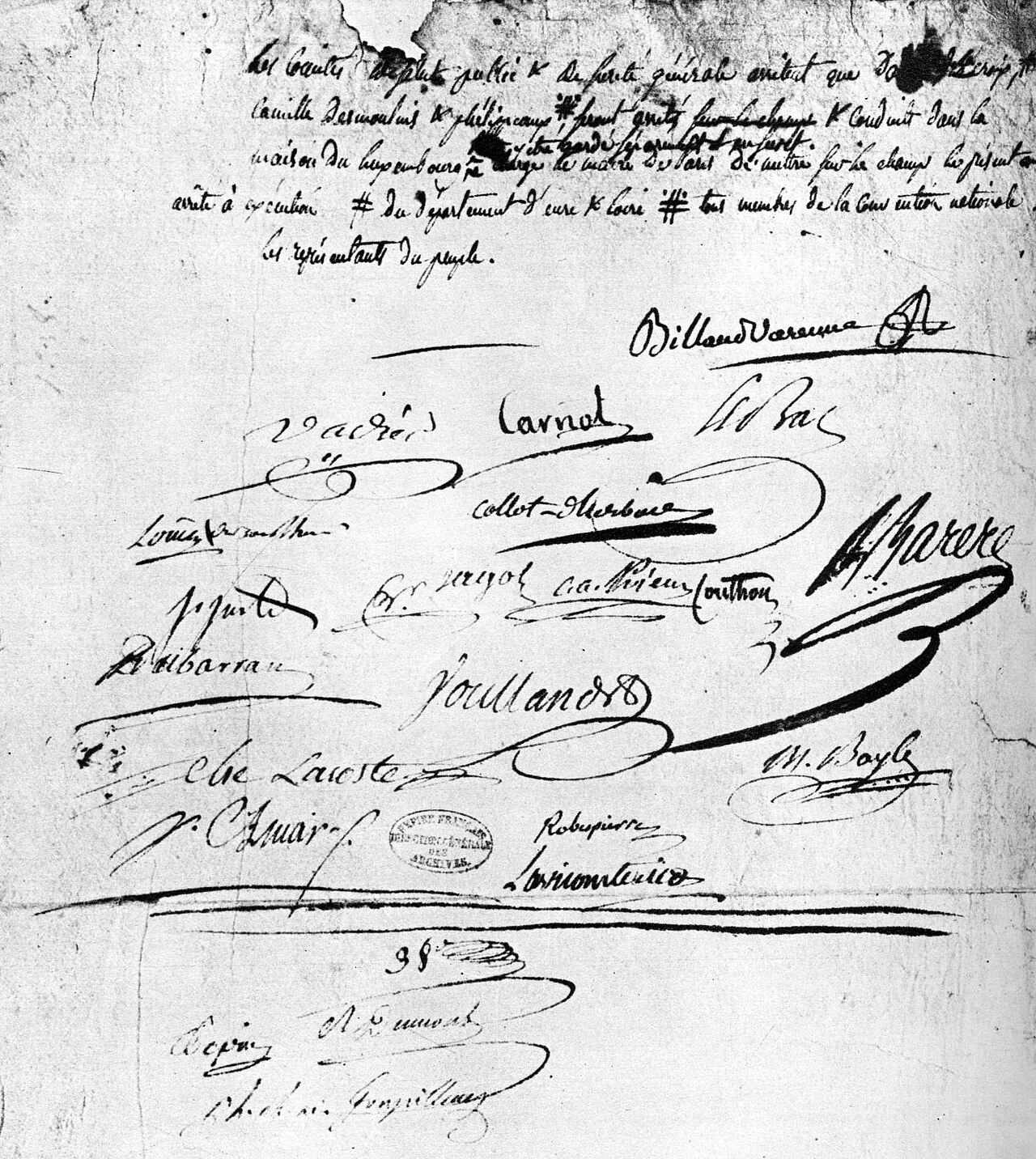 Document
Primary source
Arrest Warrant Against Danton and His Friends
Committee of Public Safety · March 1794
 Painting
Primary source
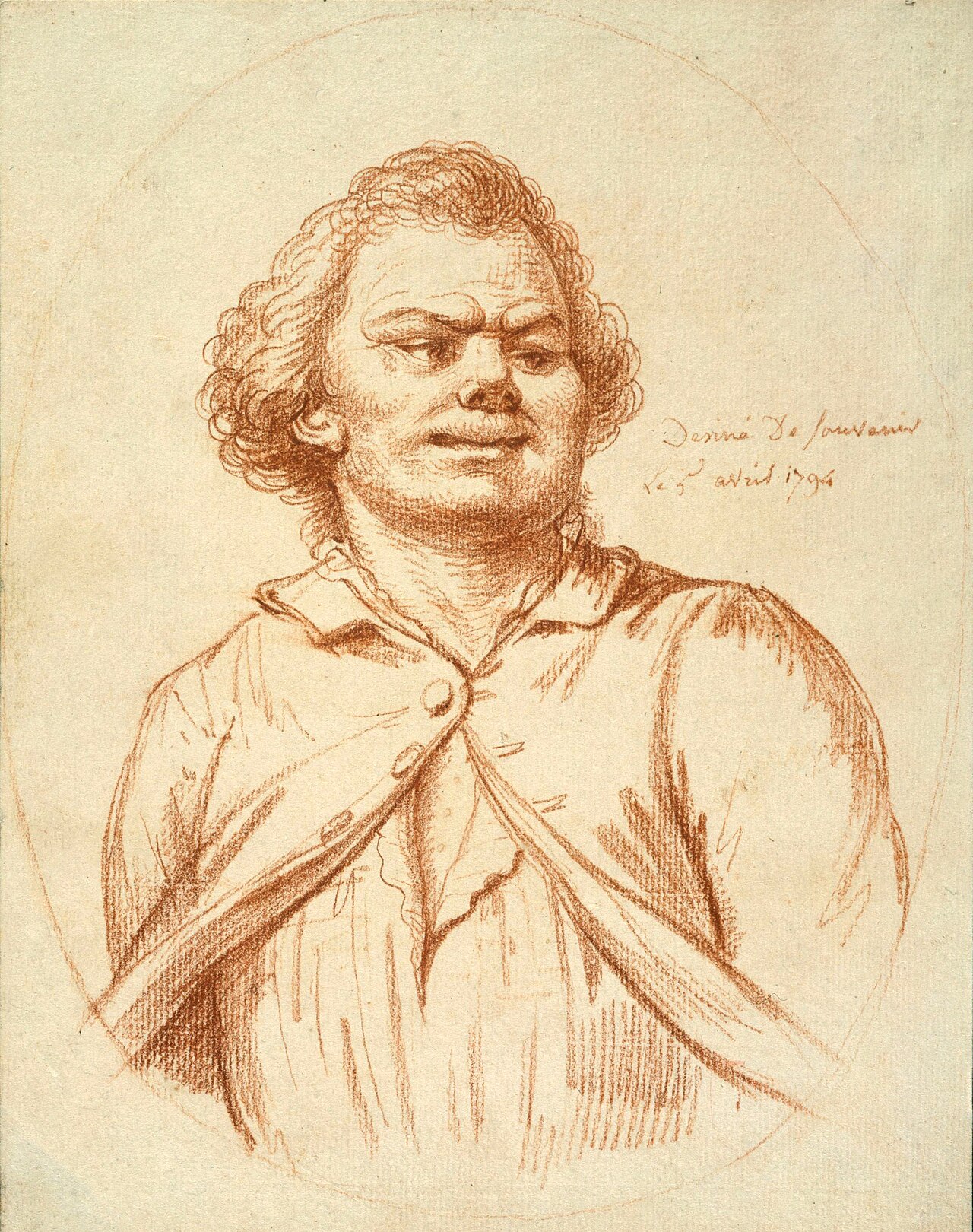
Danton Led to Execution
Attributed to Pierre-Alexandre Wille · 1794
 Painting
Primary source
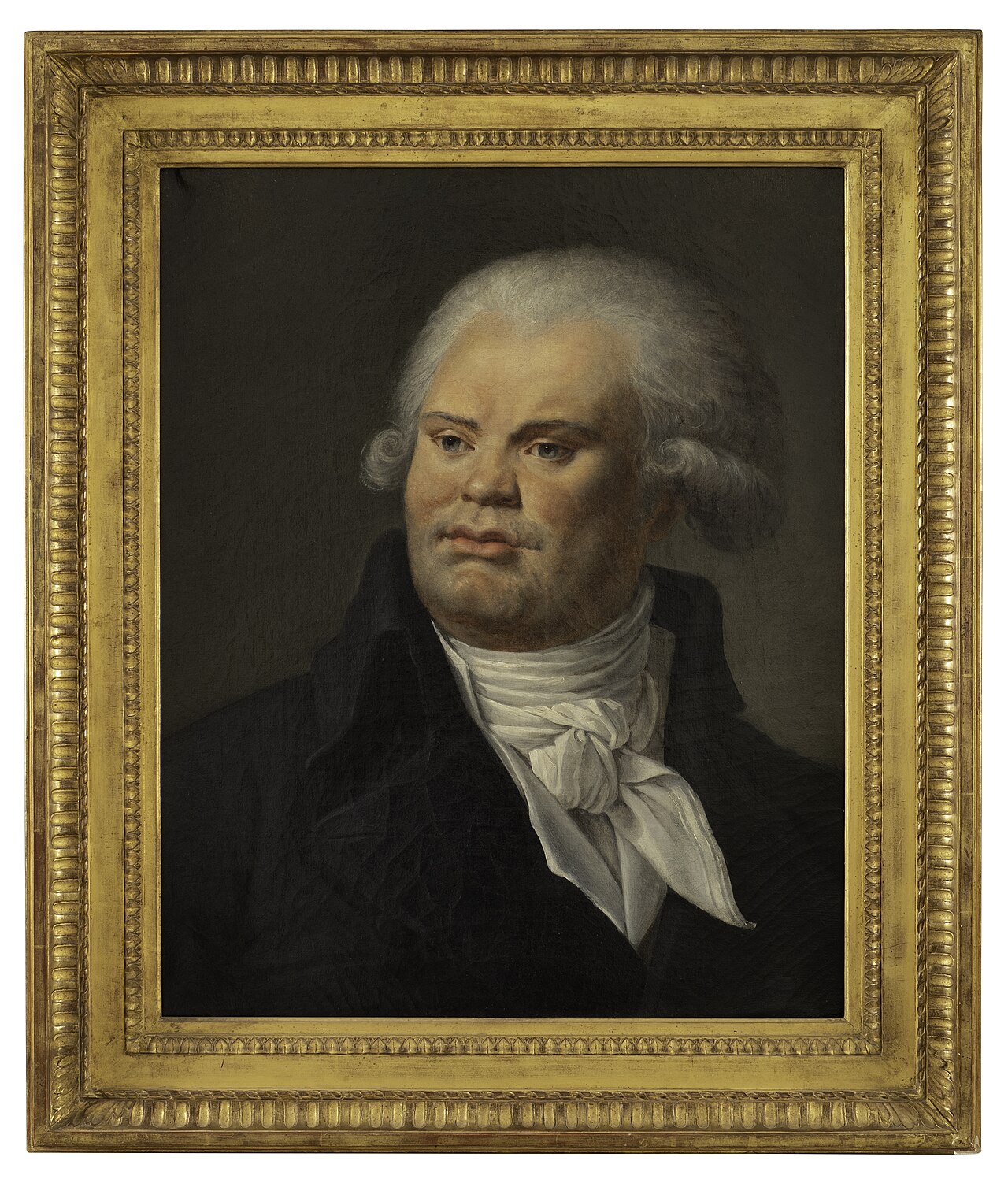
Portrait of Georges Danton
 Document
Primary source
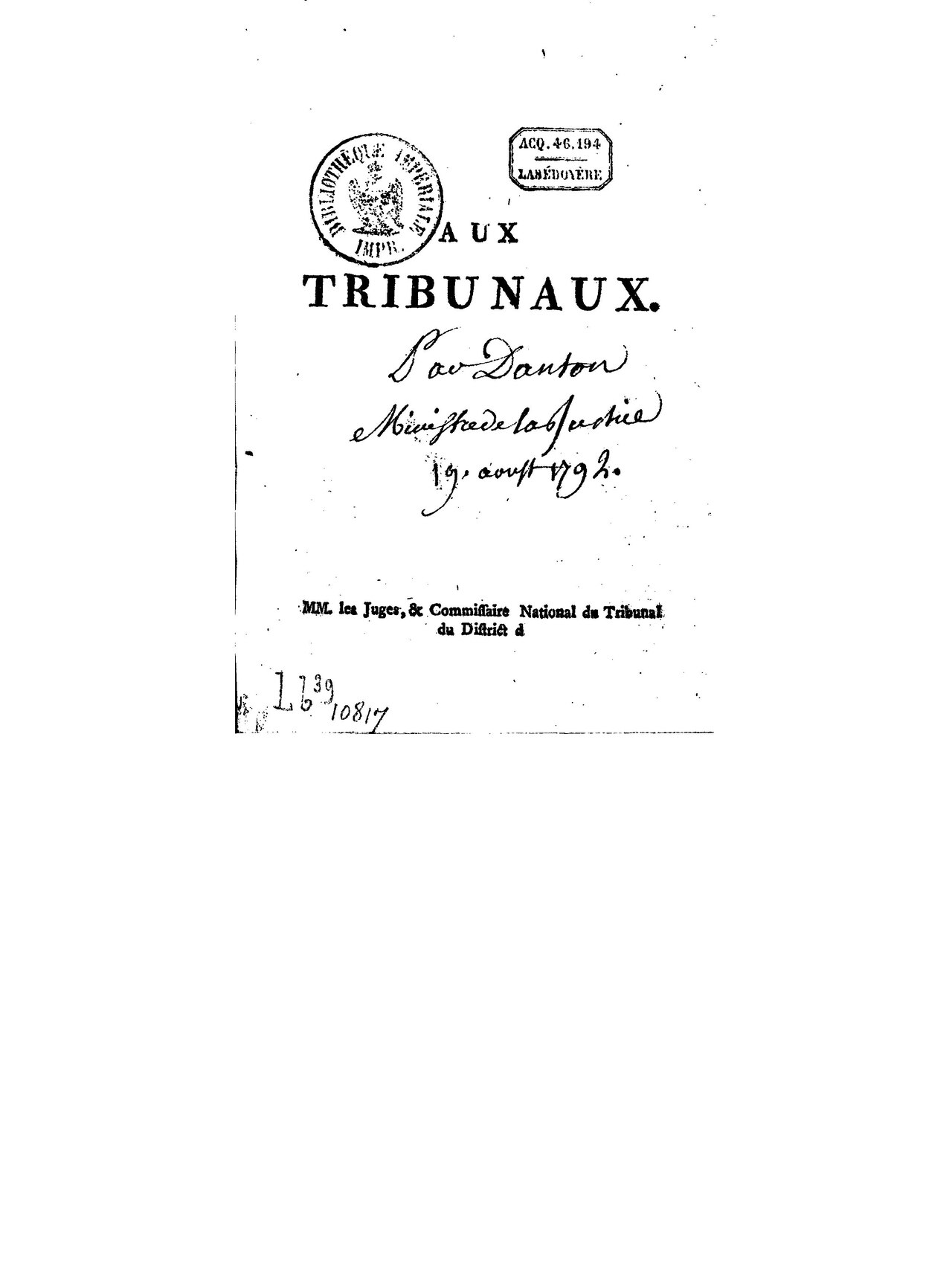
Aux tribunaux
Georges Danton · 19 August 1792
 Document
Primary source
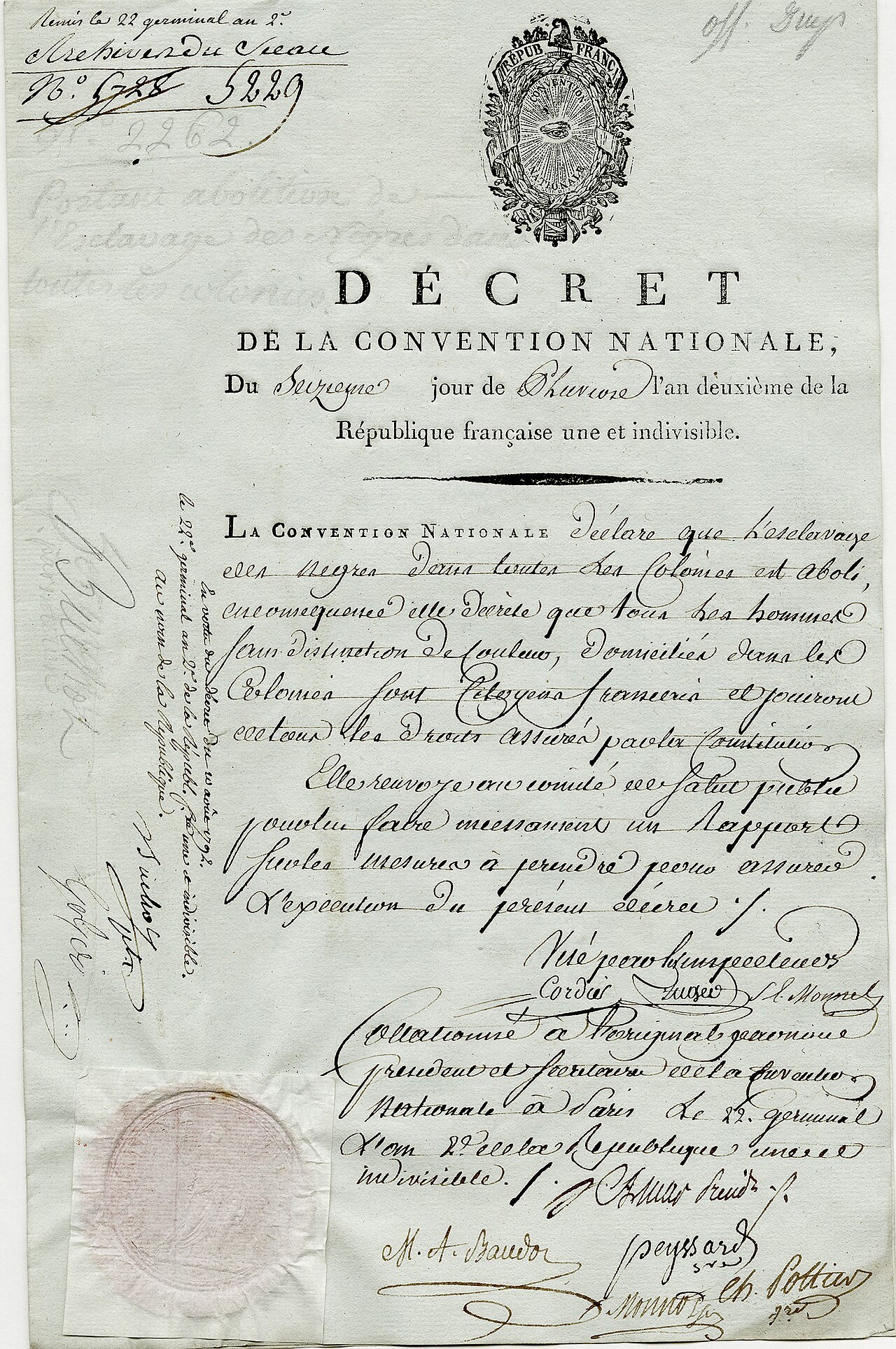
Law of 4 February 1794
National Convention · 4 February 1794
Ready when you are
Start chatting with Georges Danton now.
20 messages free · No credit card · Available in 50+ languages.