


Secondary sourceSculpturebetween 1903 and 1904
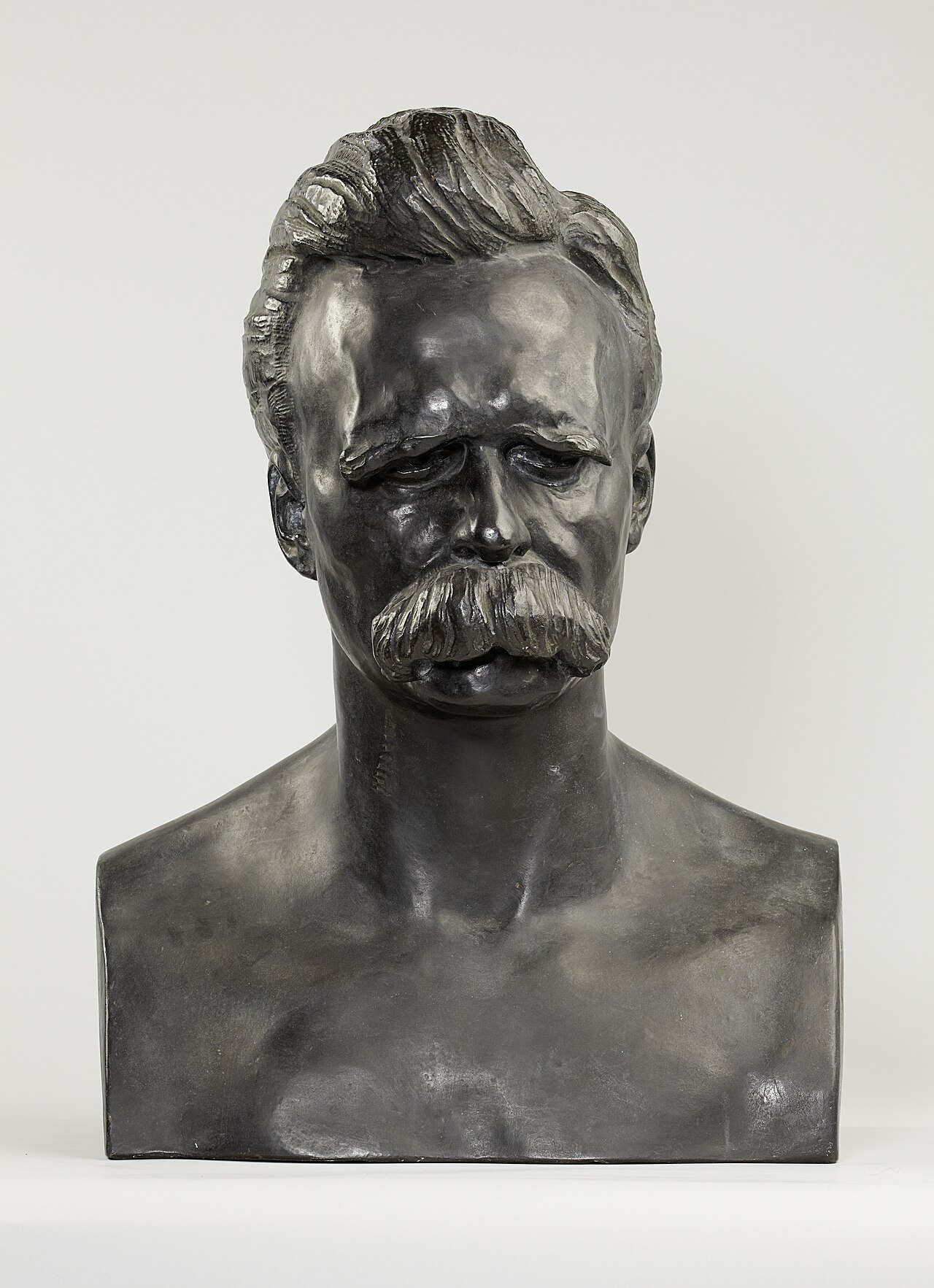
Bust of Friedrich Nietzsche by Max Klinger
Max Klinger · between 1903 and 1904
A bronze bust of Friedrich Nietzsche made by sculptor Max Klinger after Nietzsche's death, based on his death mask.
This bust is a posthumous artistic portrayal of Nietzsche, made from his death mask after his death.
About this source
What it is
This bronze bust of Friedrich Nietzsche was made by the German artist Max Klinger between 1903 and 1904, several years after Nietzsche's death. It is held at the Städel Museum. Klinger based the sculpture on Nietzsche's death mask.
Why it matters
Because it was created after Nietzsche died, this bust is not a firsthand image but an artistic interpretation shaped by how Klinger and his era wanted to remember the philosopher. The museum's own description notes the bust's qualities of sadness, melancholy, and inner strain, showing how artists used Nietzsche's image to express ideas about suffering and the philosopher's inner life.
Look closer
- What feelings does the sculpted expression convey to you?
- Since this was made from a death mask, what can and cannot a sculptor capture about a living person this way?
- How might this bust shape the way people imagine Nietzsche, compared to a photograph taken while he was alive?
This sculpture is part of the curated material that grounds the AI version of Friedrich Nietzsche on Humy.ai — when students ask about related events, the AI can quote it and cite it.
More Friedrich Nietzsche sources
Meet the AI Friedrich Nietzsche →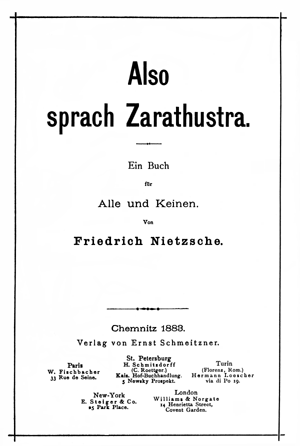 Book
Primary source
Thus Spoke Zarathustra
Friedrich Nietzsche · 1883-1885
 Book
Primary source
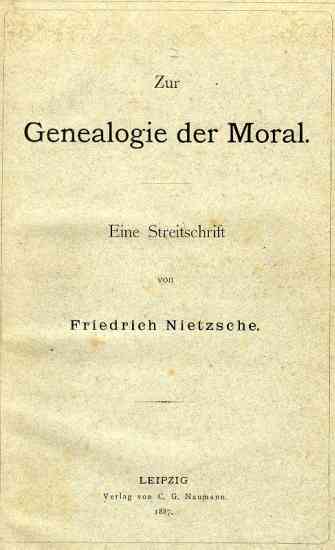
On the Genealogy of Morality
Friedrich Nietzsche · 1887
 Book
Primary source
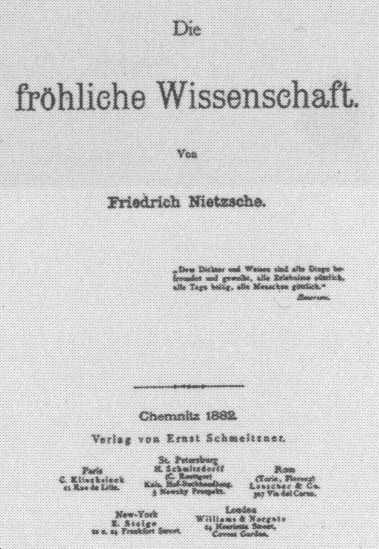
The Gay Science
Friedrich Nietzsche · 1882
 Book
Primary source
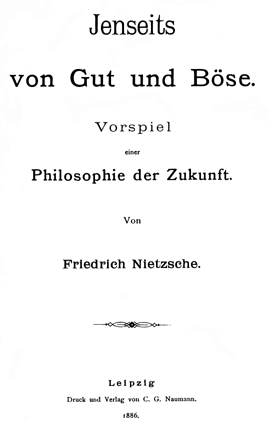
Beyond Good and Evil
Friedrich Nietzsche · 1886
 Book
Primary source
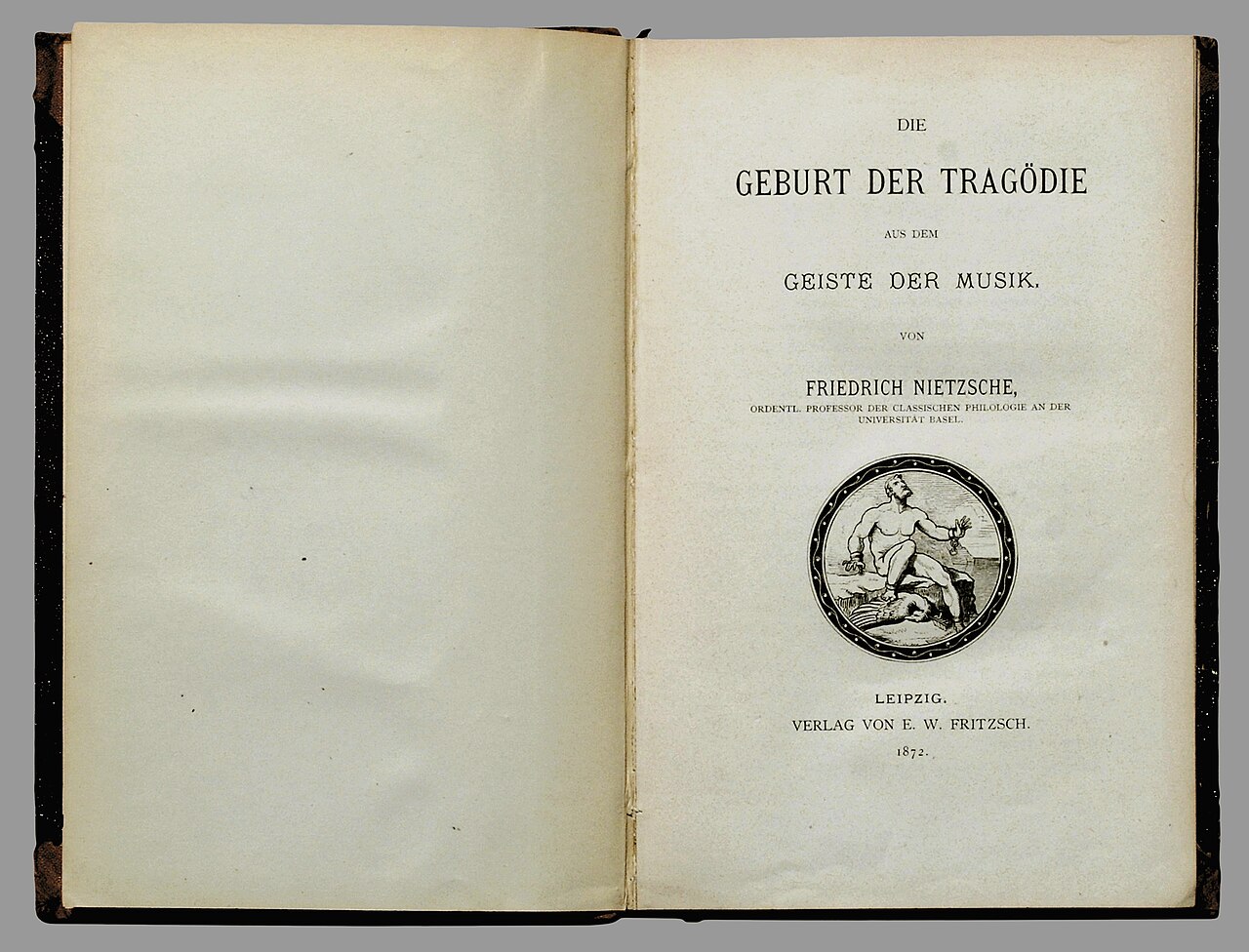
The Birth of Tragedy
Friedrich Nietzsche · 1872
Ready when you are
Start chatting with Friedrich Nietzsche now.
20 messages free · No credit card · Available in 50+ languages.