


Primary sourceSculpture1793
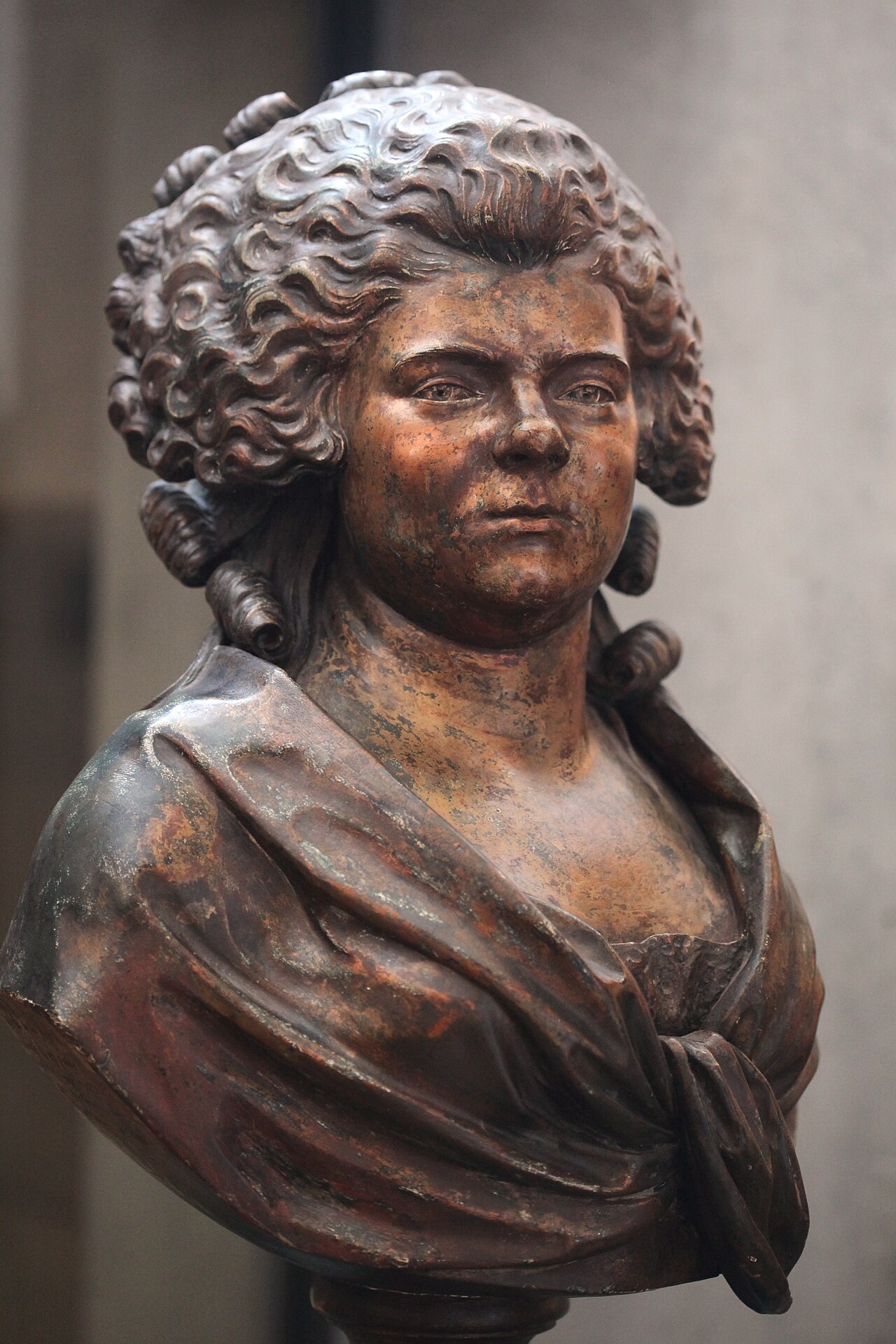
Bust of Gabrielle Danton
Claude-André Deseine · 1793
A bust of Danton's wife Antoinette-Gabrielle Charpentier, which Danton commissioned from sculptor Claude-André Deseine in 1793 after her death.
A bust Danton commissioned of his dead wife Gabrielle, showing his personal grief after exhuming her body in 1793.
About this source
What it is
This bronze-toned bust sculpture depicts Antoinette-Gabrielle Charpentier, who married Georges Danton in 1787. It was made in 1793 by the sculptor Claude-André Deseine and is now held at the Musée des Beaux-Arts de Troyes. The figure shows a woman with a voluminous curled wig and draped shawl, with a serious, direct expression.
Why it matters
This bust is striking evidence of Danton's private life and grief: he had it made after his wife died, reportedly having her body exhumed so the sculptor could model her likeness from her remains. It reveals a deeply personal side of a public revolutionary figure, showing how political leaders of the Revolution also experienced ordinary human loss.
Look closer
- What does the care taken to commission this bust suggest about Danton's feelings for his wife?
- Why might a grieving person in 1793 have wanted a lasting sculpted image rather than a painting?
- What does this object tell us about Danton beyond his public political role?
This sculpture is part of the curated material that grounds the AI version of Georges Danton on Humy.ai — when students ask about related events, the AI can quote it and cite it.
More Georges Danton sources
Meet the AI Georges Danton →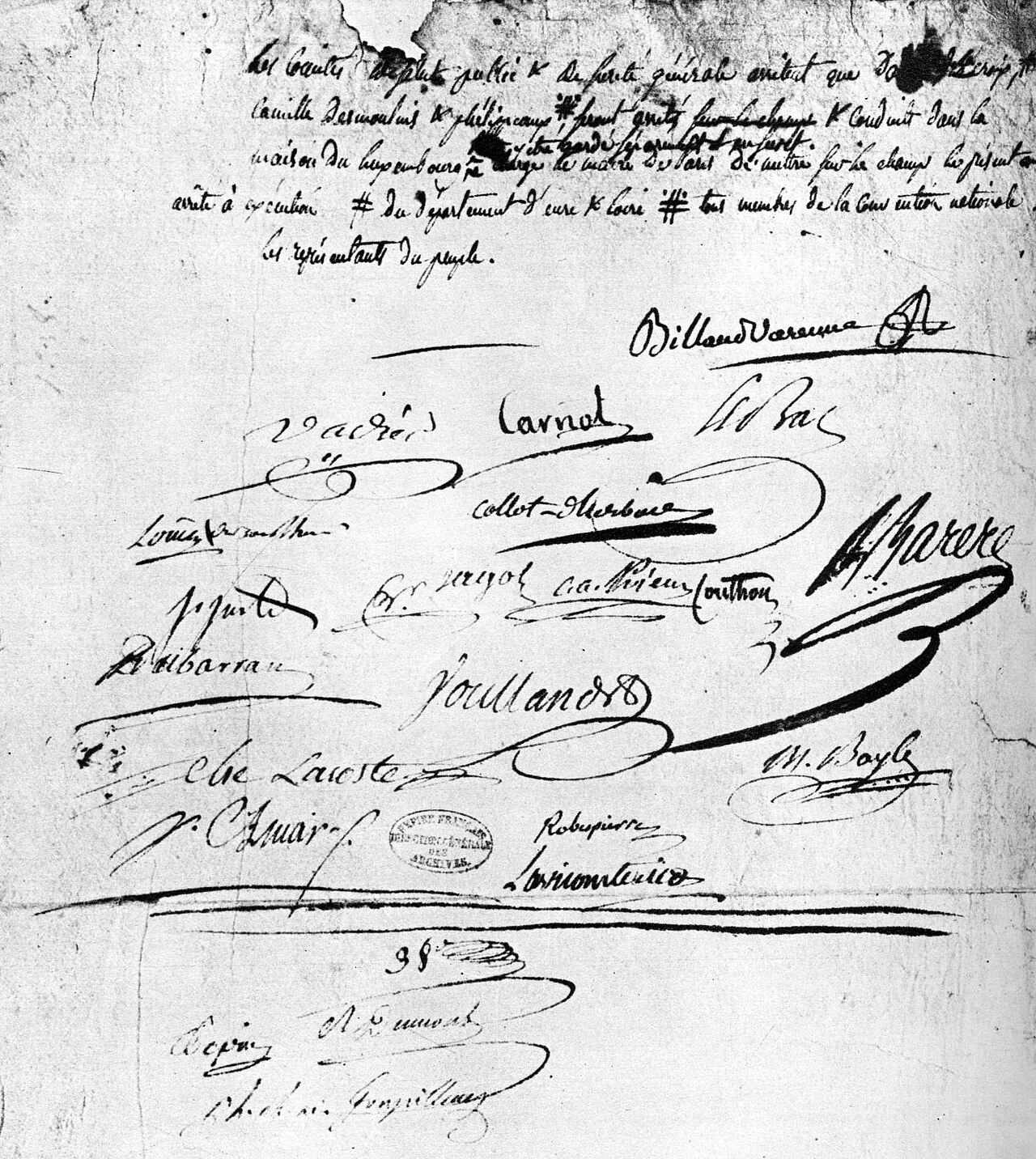 Document
Primary source
Arrest Warrant Against Danton and His Friends
Committee of Public Safety · March 1794
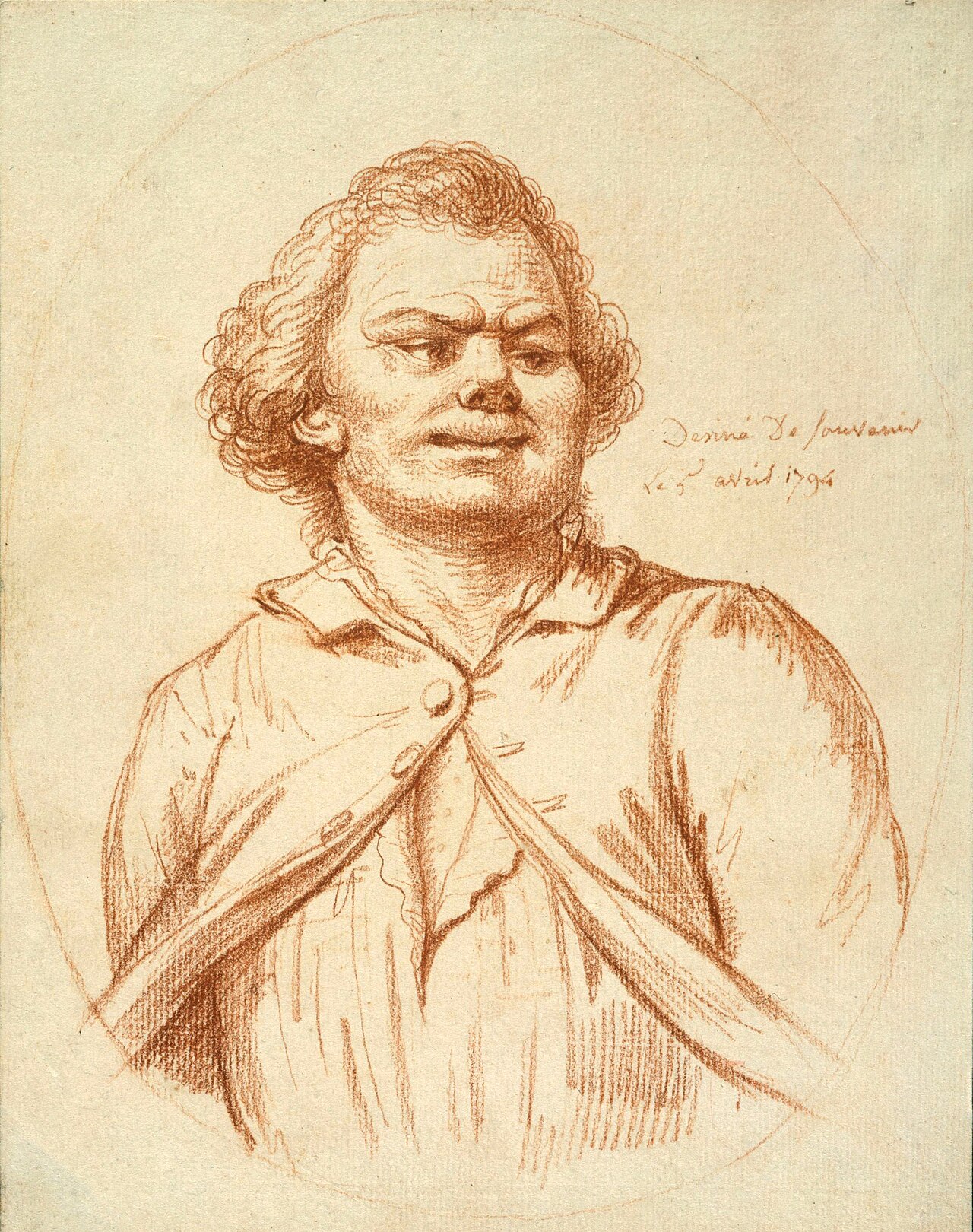 Painting
Primary source
Danton Led to Execution
Attributed to Pierre-Alexandre Wille · 1794
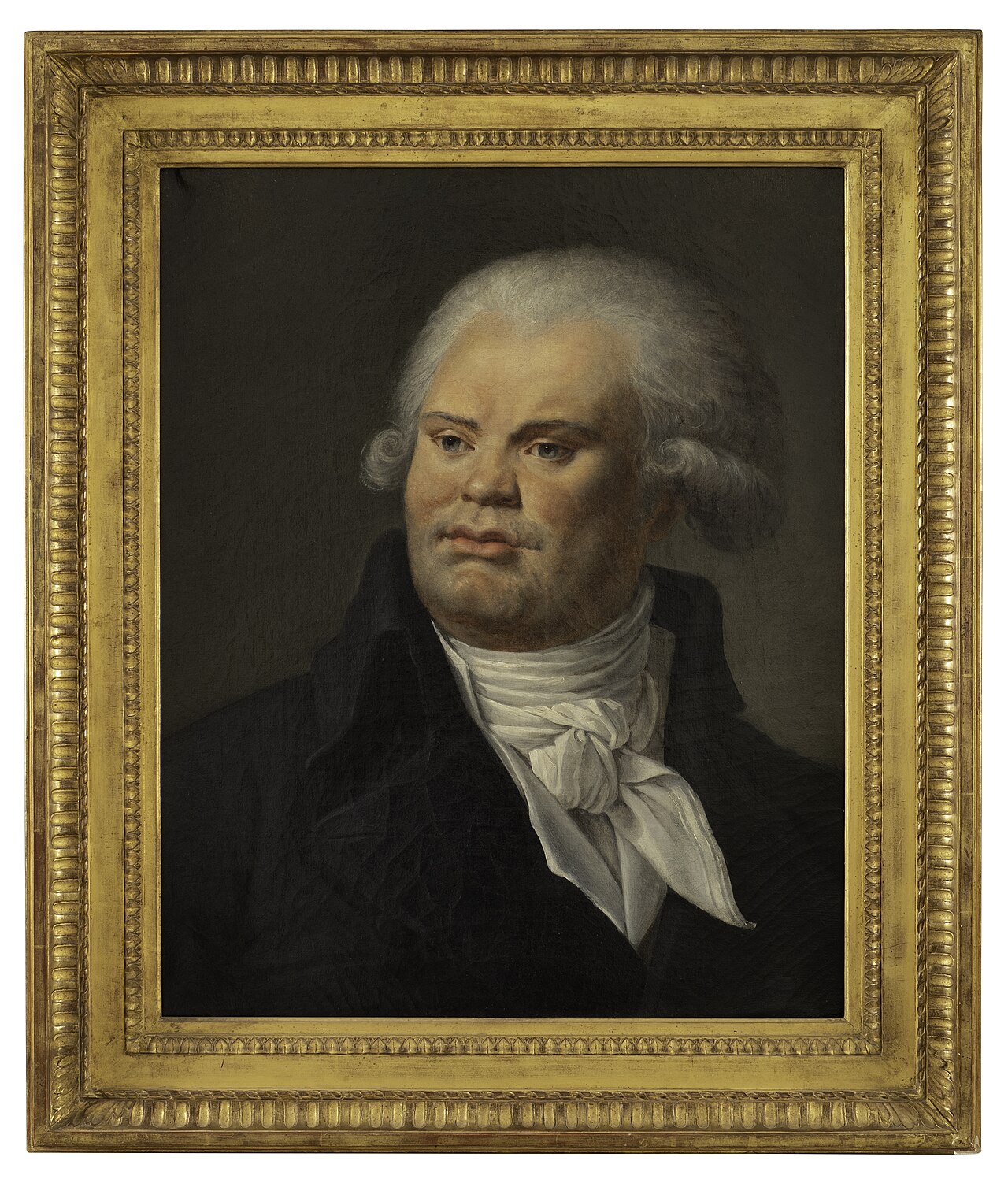 Painting
Primary source
Portrait of Georges Danton
 Document
Primary source
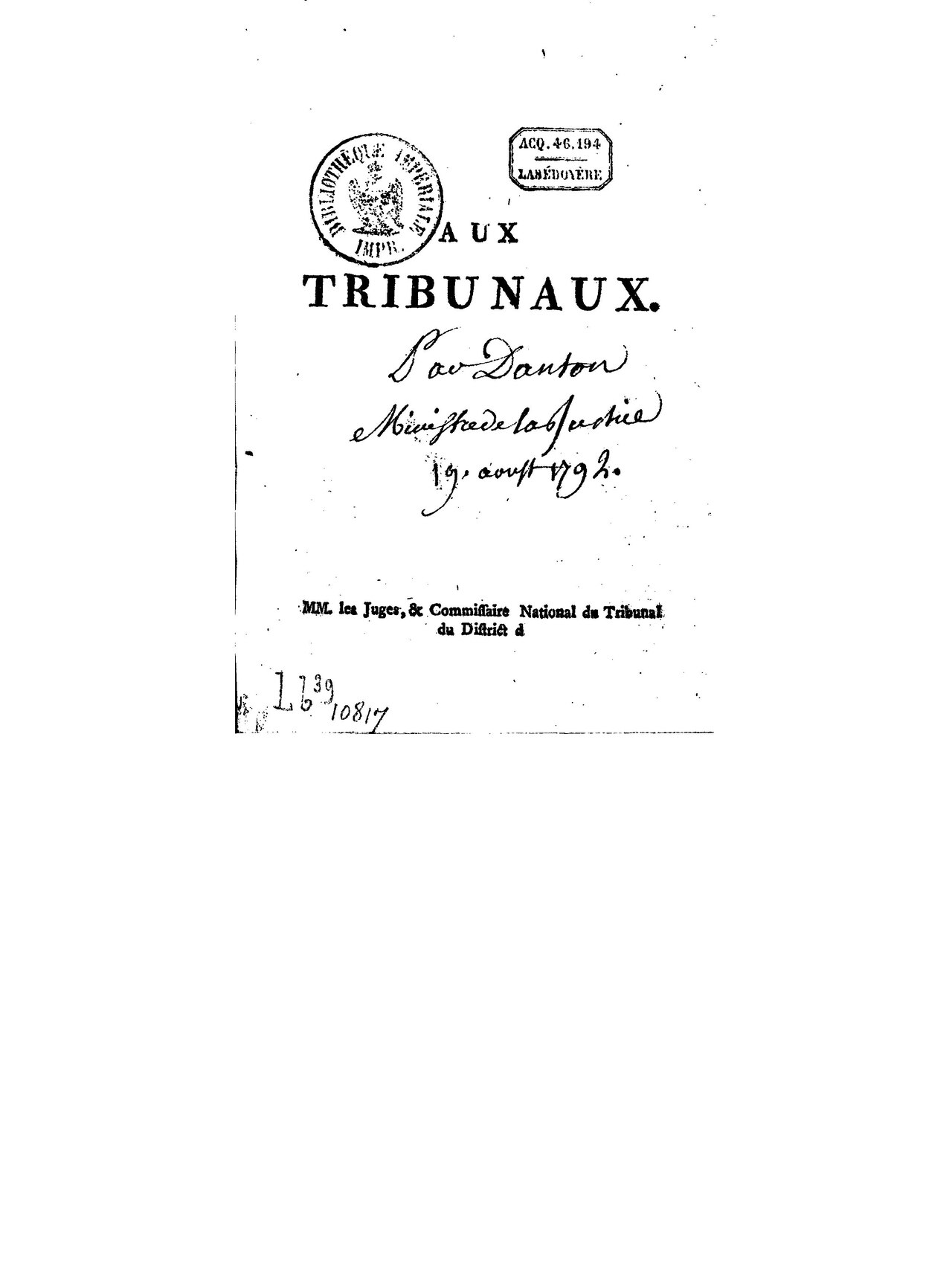
Aux tribunaux
Georges Danton · 19 August 1792
 Document
Primary source
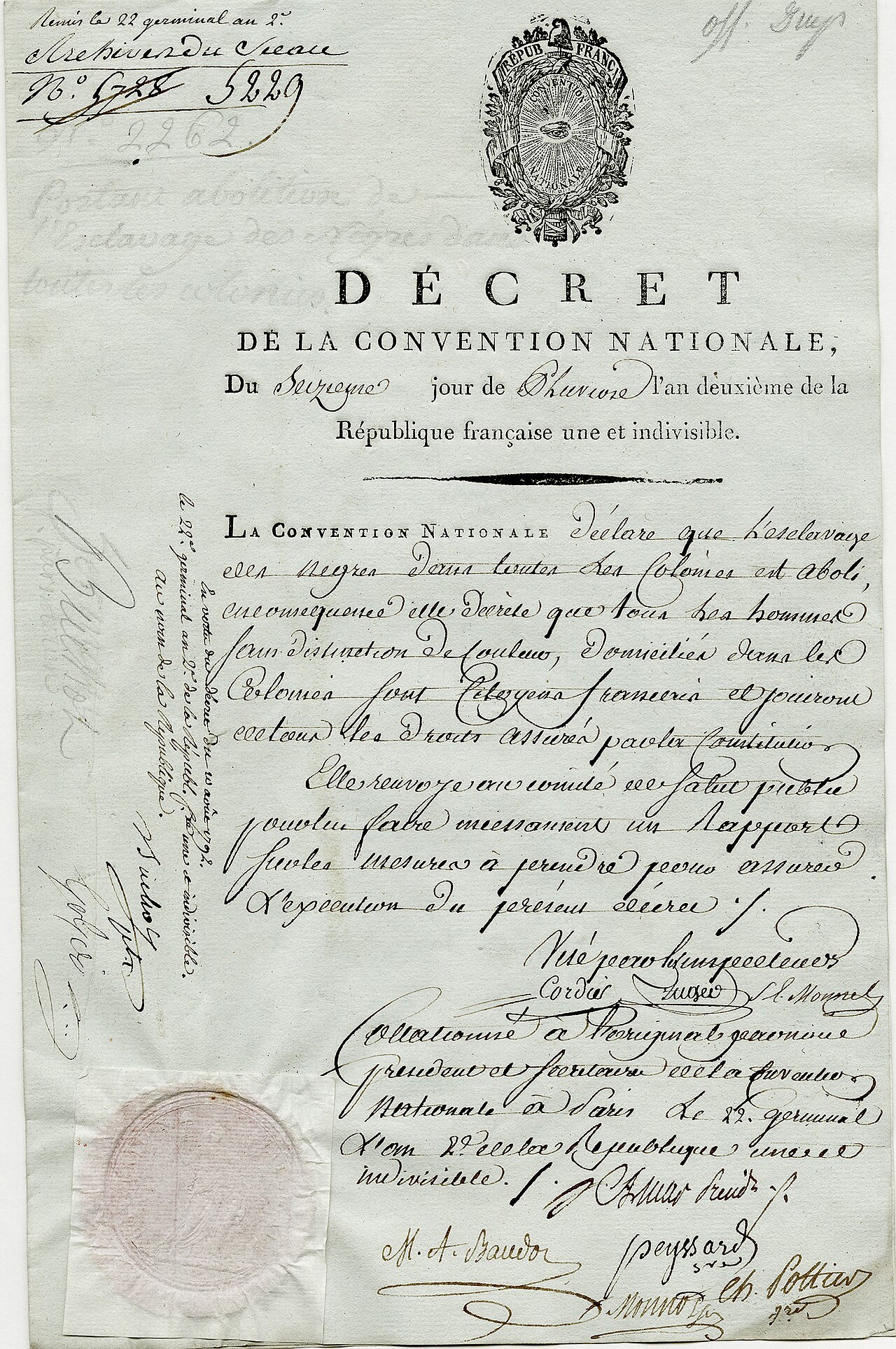
Law of 4 February 1794
National Convention · 4 February 1794
Ready when you are
Start chatting with Georges Danton now.
20 messages free · No credit card · Available in 50+ languages.